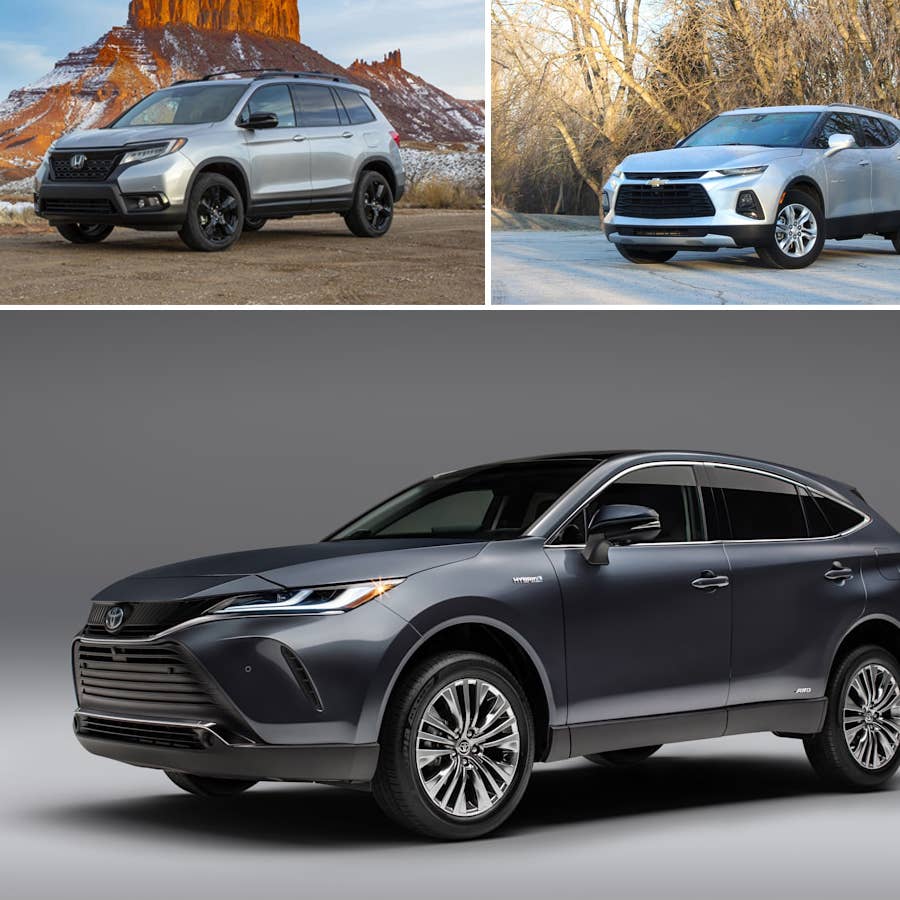
The mid-size crossover segment is full of compromises, but every once in a while two vehicles appear that feel like they’re speaking the same language—only with different accents. The Honda Passport and the Toyota Venza are both built to satisfy drivers who want comfort, usability, and an appearance that won’t look dated in a year. Yet they pursue that goal with distinctly different philosophies. The Passport leans into capability and straightforward practicality. The Venza, meanwhile, plays the softer chord—stylish calm, refined road manners, and a more deliberately “luxury-adjacent” demeanor.
What follows is a thorough showdown designed to prepare you for the choices that matter: how each vehicle fits into real life, how they feel when the road tilents into traffic or highway stretch, and which buyer profile each crossover is actually engineered to serve.
Two personalities, one category
Before you compare numbers, it helps to compare intent. The Honda Passport positions itself as a more rugged option within the mid-size family. Its stance suggests readiness—adventures on weekends, longer drives on weekdays, and the occasional “why not take the back road?” detour. It doesn’t need to advertise its toughness; the design language does that for it.
The Toyota Venza presents a different kind of confidence. Rather than telegraphing athleticism, it communicates composure. Think of it as a crossover that wants you to exhale. The silhouette reads sleek, the cabin aims for tranquility, and the overall experience is tuned for drivers who prioritize smoothness and aesthetic coherence.
In short: the Passport is more direct; the Venza is more curated.
Design and first impressions
Walk around each vehicle and notice what your brain “registers” instantly. The Passport’s styling is purposeful and slightly muscular, with cues that make it feel at home near gravel lots and trailheads. It carries a utilitarian confidence—like it expects to be used.
The Venza leans toward elegance. Its exterior styling is often described as modern and refined, with an emphasis on clean lines and a premium atmosphere. It tends to suit buyers who want their car to look expensive without feeling overly loud.

First impressions matter because they influence the rest of the ownership story: how people react when you park, how often you’re tempted to leave it outside “just because it looks good,” and whether your daily routine feels energizing or merely efficient.
Cabin feel: space that persuades
Inside, both crossovers aim for comfort, but they do it through different ergonomics. The Passport emphasizes function—controls that feel intuitive, seating that supports longer drives, and an interior layout that makes loading day-to-day life relatively frictionless. The vibe is practical, with enough refinement to keep fatigue at bay.
The Venza is more about ambiance. The cabin tends to feel quieter and more cohesive, with materials and layout choices designed to create a “connected” atmosphere. Even when you’re just commuting, it can feel like you’re sitting in a calmer soundscape.
Think of it this way: the Passport wants to handle life’s variability; the Venza wants to make routine feel intentional.
Technology and driver connectivity
Modern vehicles are less about mechanical capability alone and more about digital usability. Buyers expect seamless pairing, crisp interfaces, and navigation that behaves predictably.
The Passport typically offers a technology experience that prioritizes usability—clear menus, practical integration, and the kind of infotainment logic that reduces button fatigue. It’s the sort of system you can operate while half-distracted, which matters more than brochure writers tend to admit.
The Venza, by contrast, often feels like it’s tuned for a smoother digital cadence—an experience that prioritizes readability and minimal friction. The interface style can feel more “premium” in the way it frames information.
For families and daily drivers alike, the question becomes: do you want tech that’s immediately straightforward, or tech that feels more refined and serene as you use it?
Seating, cargo, and real-world utility
Cargo capacity is where crossover debates become tangible. The Passport’s strengths often show up in how easily you can manage cargo with a busy schedule—grocery runs, sports gear, weekend luggage, and the small chaos of family life. Its interior practicality makes it easier to adapt to whatever the day hands you.
The Venza’s utility is still credible, but it leans more toward orderly storage and a smoother flow between passenger comfort and trip practicality. It’s the kind of vehicle that feels designed for well-planned outings—even if the itinerary changes at the last minute.
Ask yourself how you use your car. If you regularly juggle equipment, passengers, and unpredictable cargo, the Passport’s “get it done” mindset will feel natural. If your typical day involves fewer variables but a stronger focus on comfort and polish, the Venza is likely to feel more aligned.
Performance, drivability, and the art of the commute
Performance isn’t only about acceleration. It’s about how a vehicle behaves when you merge, crest a hill, or creep through a parking lot. The Passport tends to feel more intent on delivering confidence—responses that feel direct, a posture that reads stable, and a general willingness to move with purpose. It’s built for drivers who prefer competence under changing conditions.
The Venza aims for efficiency of motion. Its driving character often feels smoother and more composed—less about sharpness, more about effortless pacing. The sensation can be especially noticeable on long drives, where steadiness matters as much as speed.
One produces confidence through capability; the other produces confidence through calm.
Fuel economy and efficiency considerations
Fuel economy tends to be a deciding factor for commuters. The Venza frequently attracts attention for its efficiency orientation. For many buyers, this becomes a long-term comfort: fewer fuel stops, a lighter routine burden, and potentially better cost predictability.
The Passport, while still sensible for its class, typically appeals to those who prioritize capability and versatility—drivers who are comfortable balancing operating costs with the utility they gain. In other words, the Passport often earns its keep through use cases rather than pure efficiency bragging rights.
Efficiency isn’t merely a number—it’s how often you think about gas instead of living your day.
Safety and confidence on the road
Safety systems are the invisible architecture of peace of mind. Both vehicles aim to provide modern driver-assistance features, but the experience matters: how quickly systems react, how politely warnings appear, and whether the car feels supportive rather than intrusive.
The Passport generally feels like it’s designed to protect in dynamic scenarios—where alertness and responsive handling become important. The Venza often emphasizes a more relaxed sensory profile—subtle assistance, comfortable stability, and the kind of driving confidence that grows over time.
For families, confidence is not a luxury. It’s a daily requirement.
Who should buy the Honda Passport?
The Passport fits best for drivers who want a practical mid-size crossover with a capable posture. Consider it if you regularly transport passengers, gear, or cargo; if weekend plans often veer off the paved script; or if you simply prefer a vehicle that feels ready for whatever comes next.
It’s also a strong match for buyers who value straightforward usability—people who want technology that doesn’t feel like a puzzle and interior space that doesn’t require careful packing rituals.
Who should buy the Toyota Venza?
The Venza is ideal for shoppers who prioritize refinement, a quieter cabin experience, and an overall sense of polished calm. If your lifestyle is more commute-and-return than gear-and-go, the Venza’s demeanor will likely feel more rewarding. It’s also a compelling option for buyers who want a crossover that looks stylish in everyday settings and feels composed on long highway stretches.
In short, the Venza suits those who treat the drive itself as part of the enjoyment—less expedition, more escape.
Head-to-head summary: the decision in one breath
The Honda Passport is the choice for capability-forward drivers: practical utility, confident road manners, and a “use it often” philosophy. The Toyota Venza is the choice for comfort-forward shoppers: refined styling, a tranquil interior atmosphere, and efficiency-minded ownership.
If you want a crossover that feels like it’s always prepared, the Passport tends to win emotional loyalty. If you want a crossover that feels like it smooths your day, the Venza tends to win lasting contentment.

Final thoughts: choose the character that fits
Choosing between the Honda Passport and Toyota Venza is less about finding a “better” car and more about selecting the character that matches your life. One wants to tackle variety; the other wants to perfect everyday rhythm. Neither approach is objectively superior. Each is simply an answer to a different question.
Take them both for a test drive. Pay attention to how you feel after fifteen minutes, not just how the vehicle accelerates when the light turns green. Then decide which crossover makes your routine feel more capable—or more serene. That’s the real mid-size showdown.