The Subaru Outback has always worn two faces at once: the calm practicality of a wagon and the capable posture of an SUV. Yet the newest wave of Outback thinking promises something more than a simple update. It suggests a shift in perspective—an evolution in how this vehicle understands space, motion, and even the meaning of “getting away.” Now, the story becomes more intriguing because the Outback isn’t only about rugged familiarity anymore. It’s about an approach that feels deliberately designed to blend confidence with efficiency, without sanding off the character that made the model beloved in the first place.
That blend is where curiosity starts. Because if you’ve ever admired an Outback at a distance, you probably remember the impression: roofline practicality, ground-friendly stance, and a sense that the vehicle could handle whatever day decides to throw at it. The hybrid angle adds a new question to that familiar equation. What happens when the Outback’s outdoorsy logic meets a powertrain built to be smarter about consumption? And how does the cabin translate that concept into everyday life—morning commutes, long highway stretches, and the quiet thrill of a road that turns into a trailhead?
To understand the Outback’s latest direction, it helps to look at how the exterior and interior communicate at a glance. The vehicle is no longer merely “wagon-like.” It aims to appear more SUV-forward, as if the design itself has decided it wants to be taken more seriously. Meanwhile, the cabin reads like a place you can settle into for the long haul—functional, reassuring, and ready for both mundane errands and unplanned detours.
A Wagon-SUV Hybrid: Not a Compromise, a Philosophy
The phrase “wagon-SUV hybrid” might sound like a marketing tag at first. But in practice, it describes a philosophy that Subaru has carried for years: the idea that versatility should feel effortless. The Outback typically delivers that versatility through a tall-and-stable stance, a roofline that supports cargo without making the vehicle feel boxy, and an overall geometry that makes everyday driving less stressful than you’d expect from something so capable.
Now, the hybrid element sharpens that philosophy. Hybrid technology is often introduced as a numbers game—range estimates, consumption charts, theoretical efficiency. Yet the Outback’s personality suggests something different. The promise is that the vehicle’s everyday behavior will feel more composed: smoother transitions, less strain in stop-and-go traffic, and a sense that the powertrain is working with you instead of simply pushing you forward.
In other words, the Outback doesn’t just aim to be economical. It aims to be calmer. And calm can be a form of capability—especially when you’re driving long distances or threading through crowded city streets.

Design Shift: More SUV Posture, Same Adventurous Core
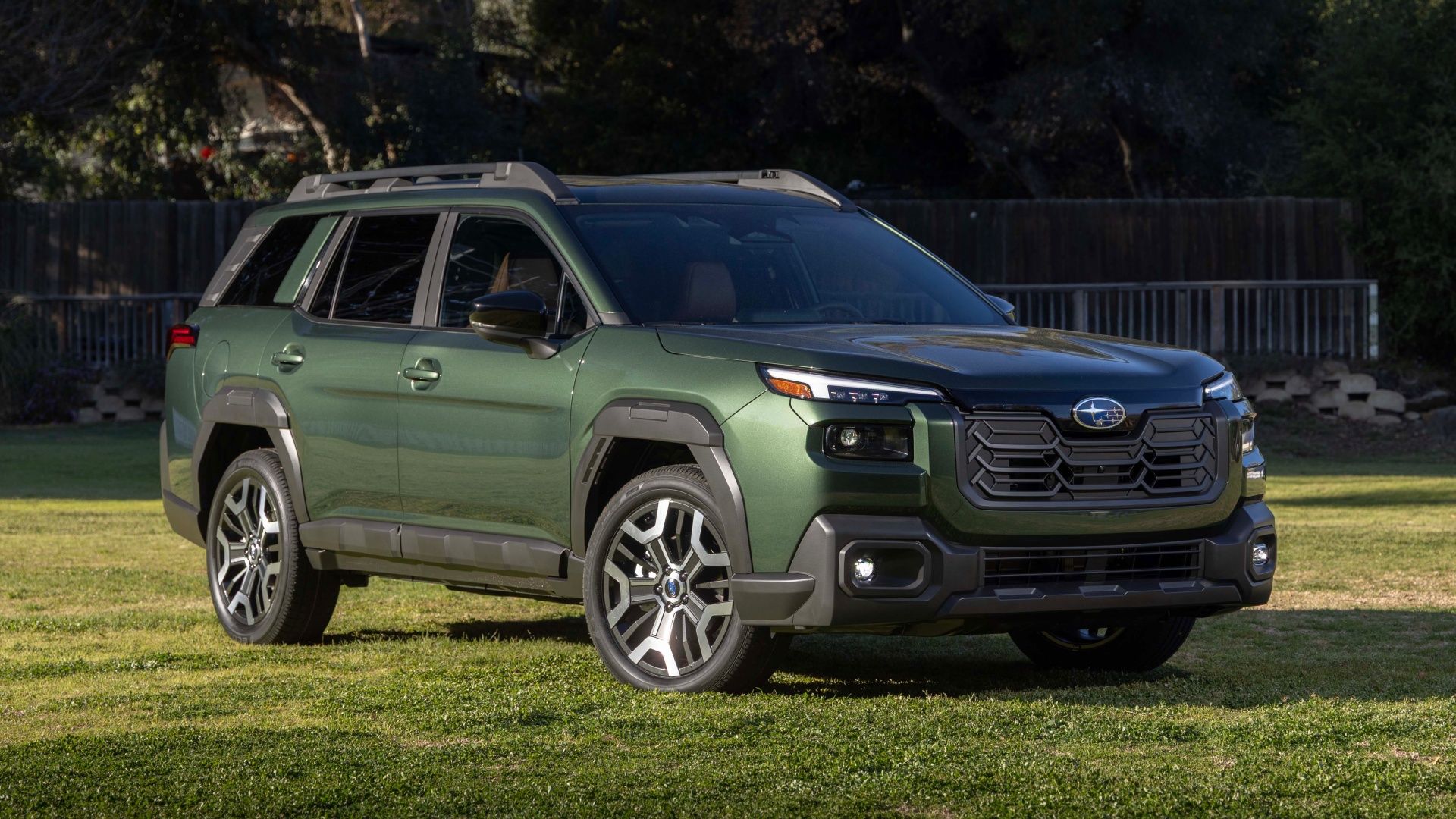
One of the most noticeable changes in the Outback’s direction is how it visually occupies space. Where some wagons try to hide behind elegance, the newer Outback seems to claim territory. It looks more SUV than people may have expected, and that matters. The human brain reads stance instantly—height, body tension, and the relationship between the wheels and the beltline. The result is a more assertive first impression.
Yet the wagon DNA remains. Roof rails, proportion, and the practical silhouette all suggest that the Outback still believes in real-world utility: gear in, gear out, passengers comfortable, cargo reachable. This isn’t a vehicle trying to become something it’s not. It’s a vehicle choosing to stand taller in the narrative.
That narrative shift piques curiosity because it hints at broader changes. When a manufacturer adjusts the visual “confidence level” of a model, it often signals revised intent: a focus on design coherence, updated aerodynamics, and a cabin experience that matches the exterior’s message.
Interior Atmosphere: Familiar Subaru Practicality, Fresh Energy
Step inside and the Outback’s charm returns in familiar ways: straightforward ergonomics, an emphasis on usability, and an inviting layout that doesn’t force you to hunt for controls. Still, “familiar” doesn’t mean stale. The interior aims to feel contemporary—more refined, more cohesive, and better aligned with what drivers expect from modern daily life.
Hybrid changes can influence the interior experience indirectly. The powertrain’s behavior affects how the vehicle sounds, how it feels during acceleration, and how smooth low-speed motion becomes. Even if you never consciously think about it, these details influence your stress level. Less abruptness means less fatigue. More predictable responsiveness means more confidence.
The Outback’s interior also carries a quiet kind of optimism. It’s the sort of cabin that makes you believe the trip will unfold well—whether you’re heading to work or packing for a weekend that starts as a plan and ends as a story.
Hybrid Logic in Real Life: The Promise of Efficiency Without Losing Character
The appeal of a hybrid Outback rests on a balancing act. Drivers want fuel savings, yes. But they also want authenticity: the kind of drivetrain that still feels capable on uneven roads, not neutered for the sake of efficiency. The “promise” of a wagon-SUV hybrid is that it can deliver both, maintaining the model’s core competence while adding a smarter layer of energy management.
In real-world driving, hybrids tend to shine in scenarios that most people actually do every day—commutes, school runs, slow highway congestion, and stop-and-go traffic where internal combustion engines often feel overworked. If the hybrid system integrates smoothly, the vehicle can keep momentum with less wasted effort, particularly at low speeds and during transitions.
That’s where curiosity turns into conviction. If the Outback’s character remains intact—if steering, braking feel, and overall composure don’t lose their rugged assurance—then hybrid becomes more than an efficiency headline. It becomes a lifestyle upgrade.
Space, Cargo, and the Art of Being Ready
Outback buyers often don’t shop for “space” in the abstract. They shop for preparedness. The difference is subtle but important. Space is useful only if it’s accessible, well-shaped, and compatible with how people actually live—diagonal bags, awkward coolers, long items, gear piled with good intentions.
A wagon-SUV hybrid format naturally supports this kind of readiness. The roofline and rear proportions help make loading feel less like a wrestling match. Meanwhile, the upright stance supports visibility that helps drivers read the road and anticipate obstacles. It’s the kind of practicality that never looks flashy, but it makes every trip easier.
And because the Outback is built for variety, the cabin tends to feel adaptable. Rear-seat comfort, storage pockets, and overall arrangement matter just as much as maximum cargo volume. It’s not about one big number. It’s about the ability to use what you have, quickly, without thinking too hard.
Road Feel and Confidence: Where Comfort Meets Capability
Capability isn’t only about specs. It’s how a vehicle behaves when the surface quality changes. The Outback has long been associated with an easygoing confidence on mixed roads. The hybrid update doesn’t need to redefine that; it just needs to complement it.
When the powertrain response is smooth, the drivetrain can reduce the jolt that often comes when engines switch states. That smoothness can make long drives feel less like endurance and more like progression. It also changes how the car feels in everyday moments—pulling out of a junction, merging onto a highway, or cresting a slight incline with the sense that the vehicle is quietly in control.
The result is a more mature kind of adventure. Not frantic. Not performative. Just capable, consistent, and ready to keep going.
The Curiosity Factor: Who This Outback Is For Now
The renewed Outback direction is likely to attract two kinds of buyers. First are longtime fans who want the familiar formula, but with modern intelligence—an update that respects the brand’s identity. Second are shoppers who might have dismissed wagons in the past, yet feel pulled toward this new SUV-forward stance and the promise of hybrid efficiency.
In that sense, this Outback feels like it’s trying to broaden its orbit. It’s not abandoning the outdoorsy-minded driver. It’s simply making the vehicle’s presence more compelling for those who want a versatile daily companion with the option to roam further.
Conclusion: A New Lens on the Outback Story
The Subaru Outback has always been about getting prepared for the unpredictable. With its wagon-SUV hybrid direction, the model adds a different kind of preparedness—energy efficiency that aims to feel natural rather than intrusive. The shift in perspective isn’t only about design. It’s about how the vehicle communicates calm capability, how it supports everyday life, and how it invites drivers to imagine more than one kind of day.
Ultimately, the new Outback doesn’t ask you to choose between comfort and adventure. It asks you to reconsider the meaning of both. If the hybrid system delivers the promised smoothness and the updated styling matches the vehicle’s real-world functionality, then the Outback becomes more than a familiar name. It becomes a quietly persuasive choice—one that looks ready, feels reassuring, and keeps the door open for wherever the road might lead next.