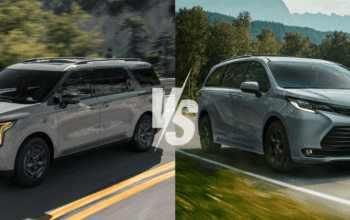
Step into a showroom and you’ll notice a curious pattern: two vehicles often enter the conversation at nearly the same time. The Hyundai Tucson and the Kia Sportage are the kind of twins that don’t look identical, yet feel eerily related the moment you start comparing them—comfortously, mechanically, and emotionally. People commonly remark that the choice feels “too close to call.” And that observation is more than a casual shrug. It hints at deeper reasons for the fascination: shared design intelligence, parallel engineering philosophies, and a market reality where buyers want reassurance without sacrificing style.
This article unfolds that rivalry like a well-written story. We’ll move from the surface details—stance, presence, and first impressions—into the subtler realm where ownership actually lives: ride character, interior ambience, technology usability, safety logic, and the quiet mathematics of value.
Two SUVs, One Familiar Rhythm
It’s easy to describe both as modern crossovers, but “modern” is a broad label. What people feel instead is a particular rhythm: crisp body lines, purposeful lighting signatures, and interiors designed to reduce friction between driver and controls. The Tucson and Sportage share a sense of immediacy—nothing feels unnecessarily complicated.
That’s the common observation: they appear to overlap. Yet overlap isn’t always sameness. It’s often the result of competing manufacturers responding to the same buyer expectations—connectivity that works instantly, comfort that stays composed on long drives, and styling that looks current rather than merely trendy.
But there’s also a more subtle cause for the fascination. When two cars are engineered to answer similar questions, they can converge on similar solutions. The result is not a clone. It’s a mirror maze. You don’t just see differences—you feel them more intensely, because you’re constantly comparing.
Design and Presence: Personalities, Not Copies
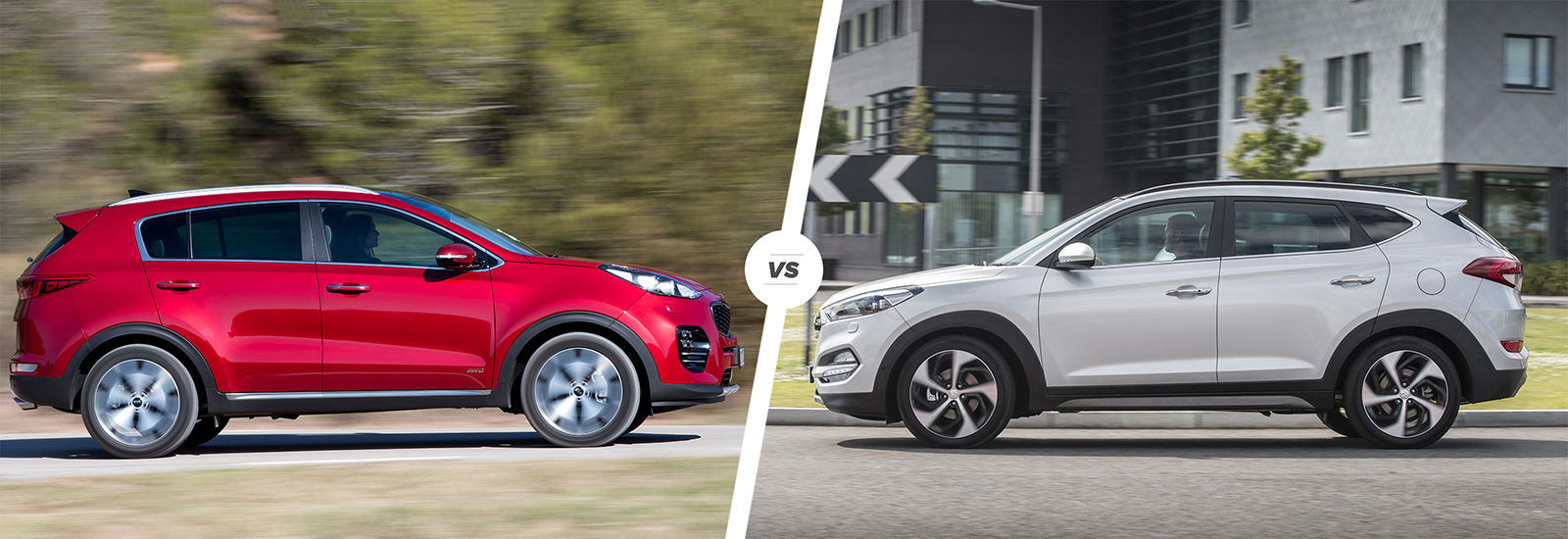
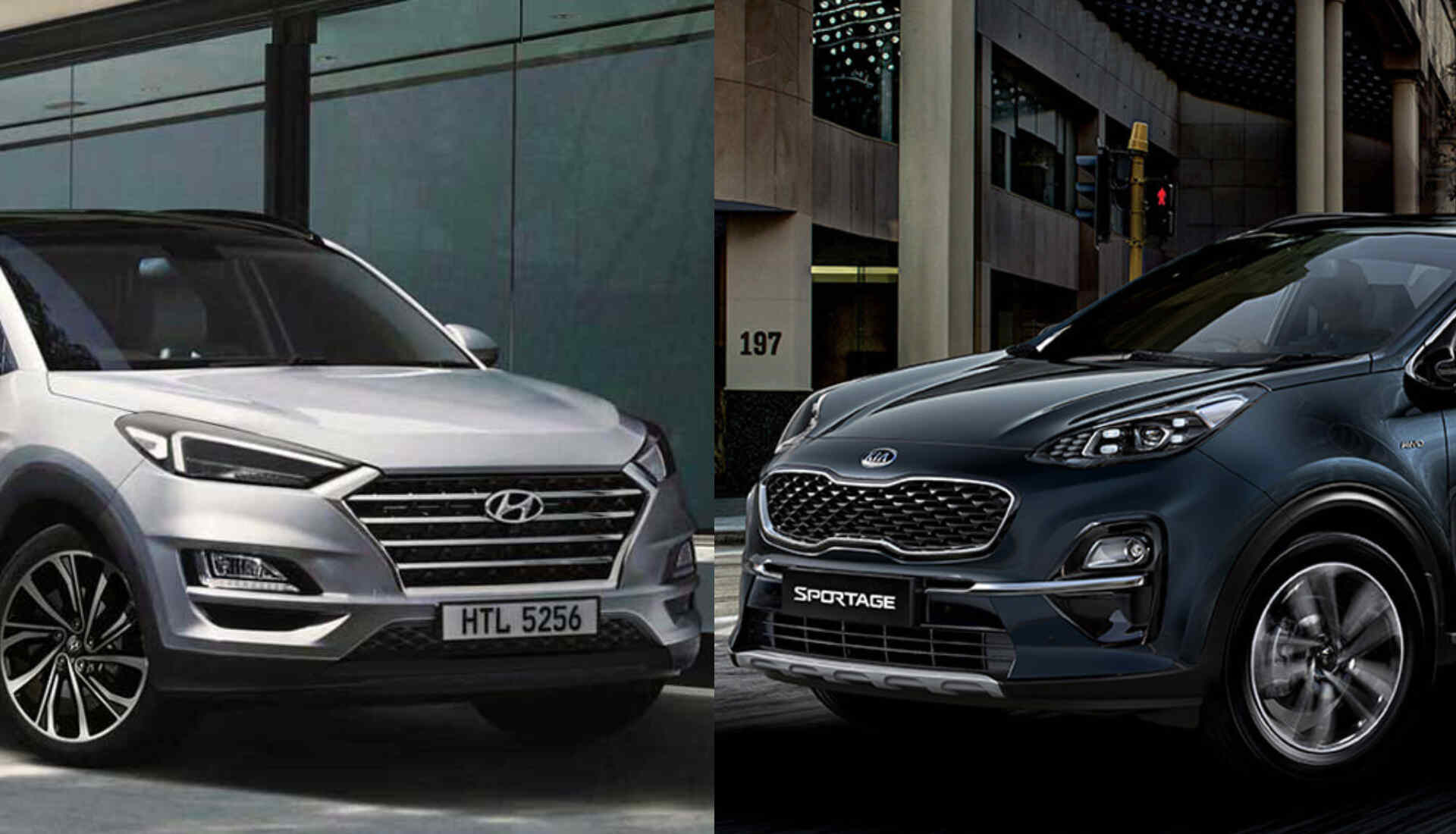
Look closely and you’ll find that the Tucson often reads as clean and composed, with surfaces that seem to breathe. The Sportage, depending on trim and market specification, tends to strike a slightly bolder posture—more pronounced character lines, a more assertive front-end temperament, and a cabin that feels designed for everyday drama and weekend detours alike.
Small differences matter. A slightly different grille texture changes how the vehicle “catches” daylight. Tail light geometry influences how quickly other drivers recognize you at a glance. Even the wheel design can shift the perceived stance from “balanced” to “athletic.”
In short, both are stylish, but they aren’t styled for the same emotional channel. One leans toward calm confidence. The other leans toward energized elegance.
Driving Feel: The Comfort That Settles the Argument
Many comparisons stall on specs, but ownership rarely happens in spreadsheets. It happens on uneven roads, in traffic, and on that one route that always has unpredictable patches—tar seams, roadside repairs, and speed-breaker choreography.
The Tucson typically emphasizes ride composure. It aims to keep motion controlled, especially over mid-frequency road imperfections where a sharper suspension can start sounding like a rehearsal for fatigue. The Sportage often feels equally refined, but with a tendency toward a slightly more engaging steering connection—enough to reassure you that the vehicle is listening.
Here lies a deeper reason for why buyers get hooked: both cars deliver a “settled” sensation. Not sluggishness—settlement. The body looks composed, but the real magic is how it stays composed. The cabin remains quiet enough that conversation doesn’t become negotiation.
Interior Ambience: Where Twins Become Distinct
Enter either cabin and you’ll feel the shared DNA immediately: a driver-first layout, a clear hierarchy of controls, and an overall ergonomic logic designed to reduce rummaging. Yet distinction appears the moment you notice materials, textures, and the way screens and vents are arranged.
The Tucson’s interior often presents a refined, airy demeanor. Seating positions feel supportive, with an emphasis on long-distance ease. The Sportage cabin can feel more contemporary and visually striking, with a layout that encourages intuitive use—especially when you’re switching between navigation, audio, and vehicle settings.
Even the switchgear tells a story. Buttons that offer satisfying tactile feedback can make everyday driving feel more intentional. Ambient lighting, trim choices, and the design of cupholders and storage spaces become surprisingly important when daily life gets busy.
Technology and Infotainment: Familiar Interfaces, Different Flavors
Modern SUVs live and die by their infotainment experience. People don’t just want a screen. They want it to behave. They want it to respond without theatrical delays, and they want navigation and media to feel like extensions of thought.
In the Tucson, the system typically focuses on clarity and straightforward menus—useful for drivers who prefer fewer taps. The Sportage tends to feel similarly direct but may present different graphical priorities and shortcut strategies depending on trim. Either way, both attempt to remove digital friction.
There’s also a common fascination here: when two vehicles prioritize usability, they create a sense of confidence. You’re not constantly “managing” the car. You’re simply driving it.
Powertrains and Performance: The Practical Side of Passion
Performance isn’t only about acceleration numbers. It’s about how the car behaves when you merge, climb, or cruise at steady highway speeds. The Tucson and Sportage often share the same overarching mission: to deliver power in a way that feels smooth, not abrupt.
Depending on engine choice and drive configuration, one may feel more eager at low speeds while the other may feel more balanced in mid-range responsiveness. These are subtle differences, and that’s part of the intrigue. If both cars make daily driving feel stress-free, buyers tend to argue over refinements rather than fundamentals.
And that matters, because refinement is where character lives. A slightly calmer throttle response can feel luxurious in traffic. A more confident overtaking pull can feel like freedom when the road opens.
Safety and Driver Assistance: Confidence as a Feature
Safety technology has become a kind of quiet reassurance. It doesn’t always “save the day” in dramatic moments, but it changes how relaxed you feel while driving. Lane assistance, adaptive cruise behavior, blind-spot monitoring—these features influence your stress levels, even when you don’t consciously notice them.
Both Hyundai Tucson and Kia Sportage typically equip driver-assistance systems designed to help maintain awareness. The crucial difference lies in calibration feel: how smoothly systems engage, how intuitively they communicate, and whether alerts sound like guidance or like nuisance.
When safety systems are tuned thoughtfully, the entire driving experience feels more elegant. That’s another reason the comparison never ends—owners feel protected, and protected feels good.
Space, Cargo, and Daily Usability
For many buyers, “twin” cars are twins because they’re twins at life: commuting, school runs, grocery trips, weekend gear, and those unplanned errands that multiply cargo requirements.
The Tucson often appeals with practical storage solutions and a cabin layout that keeps frequently used items reachable. The Sportage usually matches the same philosophy while offering its own interpretation of how to pack smart. Seat folding mechanisms, trunk shape, and accessibility to the cargo area can turn a minor difference into a deciding factor.
Look at the details: how wide the opening feels, how the load floor sits, and whether the rear area encourages organized stacking rather than chaotic pile-ups. These are the unnoticed conveniences that make one car feel “more yours” than the other.
Value and Ownership: The Hidden Economics of Choice
Price is only the visible part of value. True value includes running costs, warranty confidence, and the probability that the car will remain pleasant over time. Hyundai and Kia have earned reputations for dependable ownership experiences, and this context feeds the ongoing Tucson vs Sportage fascination.
Buyers often compare trims and package content to understand what they’re truly paying for—features, comfort upgrades, and safety bundles that change everyday life. When both cars are similarly equipped, the argument shifts to small financial questions: fuel efficiency, service intervals, and resale confidence.
That’s where the “common observation” transforms into a conclusion. Even if two SUVs feel similar at first glance, the one that best aligns with your routine tends to win. The deeper reason is psychological as much as mechanical: the right car removes uncertainty from your future.
Which One Should You Choose?
If you want calm refinement, composed comfort, and an interior that feels quietly sophisticated, the Hyundai Tucson often feels like the natural selection. If you prefer a slightly more assertive presence, a modern cabin vibe, and a driving feel that can be subtly more interactive, the Kia Sportage may match your instincts better.
But don’t treat this as a binary verdict. Many drivers end up choosing based on the smallest triggers: the steering “feel” at parking speeds, the way the infotainment responds while moving, the seating posture after an hour on the road, or the ease of loading cargo at the end of a long day.
These are the moments where twins stop being identical and start being personal.
Final Thoughts: Why the Twins Keep Calling You Back
The fascination with Hyundai Tucson vs Kia Sportage isn’t just about resemblance. It’s about how both vehicles meet modern life with polished competence. They share a reassuring approach—comfort, usability, and safety logic—while still offering distinct personalities through design, interior ambience, and driving character.
When you compare them, the argument becomes less about which one is “better” and more about which one fits you more naturally. That’s the deeper enchantment: twins can share the same family traits, yet still let you choose the version of confidence you want to live with every day.