The Ford Escape has always carried itself like a versatile companion—one that knows when to be playful in the city and when to settle into confident cruising on the highway. Now, with hybrid and plug-in hybrid options, it adds a new layer of character: not just efficiency, but intention. Think of it as a commuter that learned to breathe more quietly. It doesn’t merely move you from point A to point B; it helps you feel like you’re choosing the path with your eyes open.
In this review, the Escape’s hybrid and plug-in alternatives come into focus like twin lenses. One sharpens the everyday rhythm—effortless, steady, always ready. The other emphasizes possibility—charging, planning, and the satisfying sense that you’re driving with a little more agency than usual.
A Tale of Two Powertrains: Hybrid vs. Plug-In Hybrid
The hybrid Escape is built around seamless transitions. It treats energy as a resource to be managed elegantly rather than something to “win” against. The system blends electric drive and gasoline power with a cadence that rarely feels abrupt. Short bursts of assistance arrive like quick punctuation—small, helpful emphasis—while the engine handles longer sentences when the road demands it.
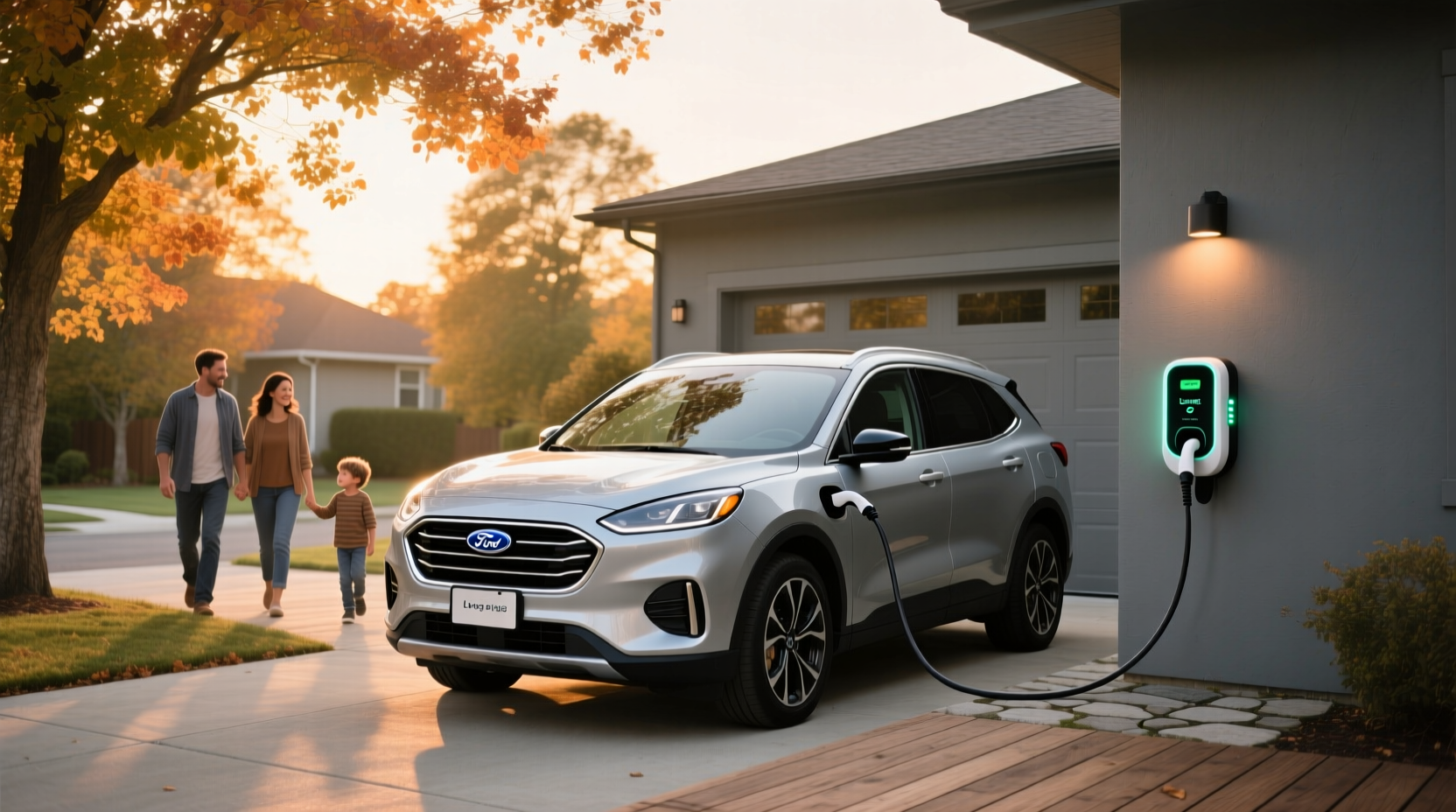
The plug-in hybrid Escape raises the stakes. It’s not only about how the powertrain behaves while driving; it’s about how the Escape behaves before you even leave home. Charging becomes part of the storyline. When you plug in, you essentially bookmark your route with electrified intent. For daily commutes, the result can feel almost like a secret shortcut: quieter starts, smoother acceleration at low speeds, and the kind of relaxed driving that encourages you to look around rather than watch the gauge cluster.
From behind the wheel, the Escape’s design philosophy reads as practical confidence. Surfaces are positioned for use, not just appearance. Controls tend to sit where your hands expect them to land. That’s a small thing, but small things compound over time.
In hybrid and plug-in trims alike, the Escape’s styling still feels like it belongs in modern life—clean lines, purposeful stance, and a sense of momentum. The cabin’s atmosphere is designed for focus. Short drives can feel efficient in both time and attention, while longer journeys feel less like endurance tests and more like guided flow.

Hybrid driving often earns loyalty through its subtlety. The Escape’s transitions are typically tuned to feel natural, almost like the vehicle is reading your intent. When you accelerate gently, electric assistance can make the response feel immediate—like stepping onto a well-trodden path rather than breaking new ground.
As speed increases, the gasoline engine joins the dialogue. It does so with a sense of orchestration, not brute force. The powertrain’s goal is efficiency, but it doesn’t sacrifice composure. Around town, the Escape can feel particularly easygoing—minimizing the stop-and-go friction that often drains energy from drivers.
With the plug-in hybrid, that smoothness can become more pronounced in the early part of your day. The first miles—often the most repetitive ones—are where electric drive tends to shine. You may find yourself enjoying the quiet. At low speeds, the vehicle feels calmer, almost refractive, like the noise has been nudged outward.
Numbers matter, but the Escape’s true strength is how those numbers translate into routine. Hybrid ownership frequently rewards drivers who take advantage of everyday opportunities: moderate city driving, predictable commutes, and routes with frequent deceleration and renewed acceleration.
Regenerative braking plays a supporting role here. It captures energy that would otherwise dissipate, turning deceleration into something productive. It’s not glamorous, but it’s profoundly effective. Over time, it can feel like the Escape is constantly recalibrating—converting “slowing down” into “refilling.”
The plug-in hybrid adds range planning to the mix. If your daily drive fits within the electric window, the Escape can dramatically reduce gasoline dependence. If your routine stretches farther, the system still works hard to minimize waste, using gasoline strategically while electric drive remains available when conditions allow. It’s a dynamic approach rather than a rigid one, which helps make the vehicle less dependent on perfect behavior.
Hybrid and plug-in systems aren’t only about energy; they also invite you into more thoughtful driving habits. Modern infotainment and drive settings make it easier to understand what the vehicle is doing—how it’s prioritizing electric assistance or how it’s preparing for upcoming conditions.
Even when drivers don’t obsess over menus, features tend to nudge behavior in the right direction. Efficiency modes can feel less like constraints and more like creative tools—adjusting throttle response and power usage so the Escape matches your goals for that particular moment.
For plug-in owners, charging-related convenience becomes part of the ownership experience. Whether charging at home or planning for public charging, the Escape rewards your planning with that electric-first sensation—an inviting rhythm that can transform a commute from chore to small ritual.
The Escape’s interior is built to accommodate life’s constant changes. Grocery runs, school drop-offs, weekend errands, and road trips all require cargo flexibility and passenger comfort, and the Escape tends to deliver without fuss. The seating position also supports visibility, which matters more than most people realize. When you can see clearly, you drive more calmly.
Hybrid and plug-in variants typically keep the Escape’s usable layout intact. That’s essential. A vehicle can be impressive on paper, but if its cabin feels cramped or its cargo area shrinks inconveniently, the benefits evaporate. The Escape keeps its practical identity while adding efficiency power.
Comfort is where the Escape quietly earns trust. The suspension tuning seeks a balance between control and compliance. It absorbs irregularities without turning every bump into a message that demands attention.
Longer trips benefit from the Escape’s steady nature. Wind noise and road feedback tend to remain manageable, which helps reduce driver fatigue. The result is a vehicle that feels supportive rather than demanding—an important trait for drivers who value calm.
What makes the Escape’s hybrid and plug-in options particularly intriguing is the emotional layer. Efficiency can be a cold concept, but in the Escape it becomes something more tactile. You sense the difference in the way it responds in low-speed driving. You notice the quieter operation when electric drive is in play. You feel the satisfaction of “doing the right thing” without sacrificing pleasure.
The plug-in hybrid, in particular, turns driving into a kind of choreography. Charge before you go, drive with electric grace, then blend into gasoline power when the road stretches beyond your plan. It’s a cooperative system—an engine and motor partnership that feels almost intelligent in its timing.
Who Should Choose Which?
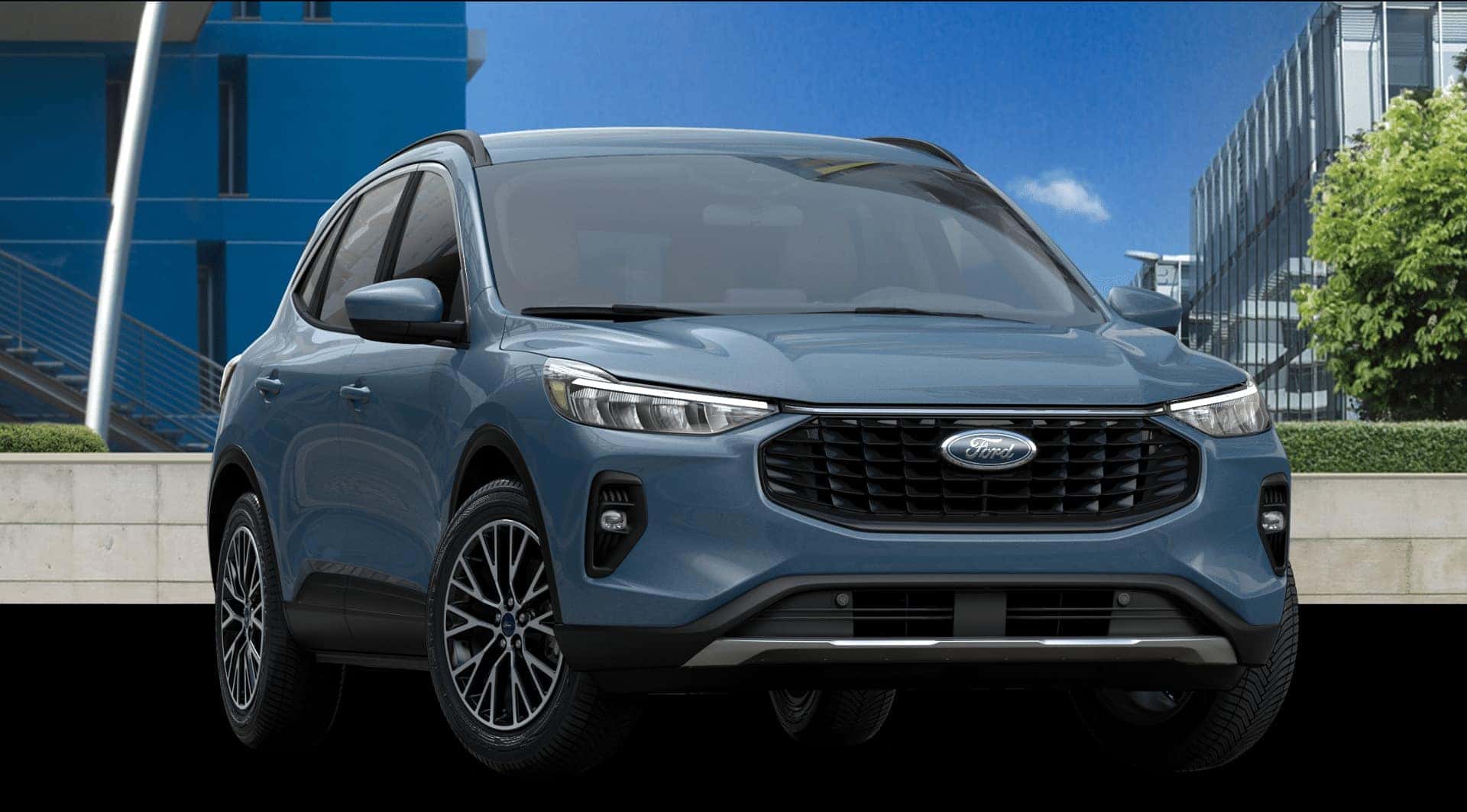
The hybrid Escape suits drivers who want simplicity without sacrificing efficiency. If charging infrastructure is uncertain, or if your routine is too varied for consistent plug-in usage, the hybrid approach stays compelling. It’s the pragmatic option for households that prefer “set it and forget it,” while still enjoying improved fuel economy.
The plug-in hybrid Escape is for drivers whose days have a predictable shape. If your commute can be powered by electricity often enough, you’ll likely feel the difference—quieter starts, smoother city driving, and a meaningful reduction in gasoline usage. It’s also ideal for drivers who enjoy the planning aspect of ownership and like the idea of charging as part of their routine.
Final Thoughts: An Escape That Moves With Meaning
The Ford Escape—whether in hybrid or plug-in hybrid form—works like a well-tuned instrument. It doesn’t demand attention with drama. Instead, it earns admiration through its composure, its practical versatility, and its ability to make efficiency feel integrated rather than imposed.
Choose the hybrid if you want a reliable, effortless companion that continuously optimizes energy use. Choose the plug-in hybrid if you want a deeper connection to how you drive—electric first when it counts, gasoline when it must, and a sense that your vehicle is collaborating with your routine.
Either way, the Escape remains what it has always been at heart: a capable crossover with a future-facing pulse. The difference now is that the pulse carries a quieter rhythm—one that invites you to drive a little more thoughtfully, mile after mile.