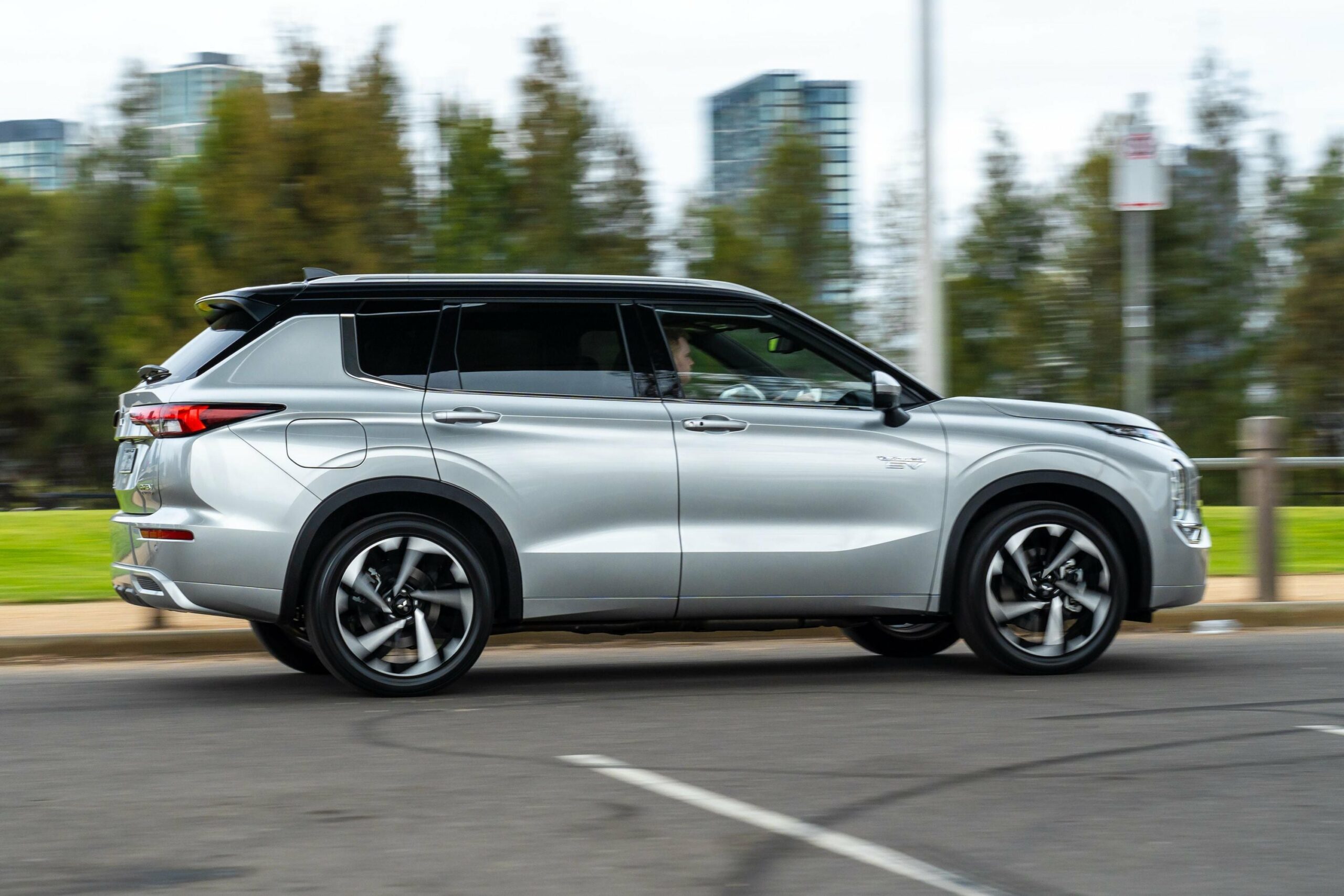
After the romance of the showroom and the first month of careful driving fades, a plug-in hybrid becomes something else entirely: a daily instrument. By the time you’re approaching a milestone like 20,000 miles, the 2025 Mitsubishi Outlander PHEV has usually revealed its true personality—how it behaves on commute-grind mornings, how it handles the long-haul monotony of highway stretches, and how reliably it integrates electricity and combustion into a single, coherent routine. This 20,000-mile owner update isn’t a brochure promise. It’s the kind of report you’d expect from real time on the road: nuanced, practical, and grounded in what drivers actually notice as the odometer keeps moving.
In the sections ahead, you’ll find a reader-ready overview of what tends to matter most at this stage: charging habits, drivetrain feel, efficiency patterns, service rhythms, cabin comfort after repeated use, and the small troubleshooting details that can make ownership feel either frictionless or unnecessarily complicated. Expect a blend of crisp facts and experiential commentary—because at 20,000 miles, the most valuable information is often the kind you only learn when you’ve lived with the vehicle for a while.
At 20,000 Miles: What Changes, What Stays the Same
There’s a psychological shift when you move from “new vehicle monitoring” to “routine ownership.” Early on, you might check battery charge levels and range estimates more often than the car’s displays might require. At 20,000 miles, your focus becomes more functional: how quickly you can recover charge after a busy day, how predictable the system’s energy management feels, and whether the cabin and drivetrain still deliver the same composure they did during the first few thousand miles.
Most owners report that the Outlander PHEV’s core strengths remain consistent. The sensation of the powertrain—particularly the low-speed torque that can feel almost instantaneous—often continues to be one of the reasons people keep coming back to this model. The vehicle doesn’t merely “work as a plug-in hybrid.” It communicates its status with enough clarity that drivers can plan without constantly guessing.
Still, this mileage is where tiny differences emerge. Tire wear can become a visible map of your driving style. Brake feel may reflect how often regenerative braking is allowed to do its quiet labor. Even windshield and wiper performance becomes a seasonal topic. At 20,000 miles, the question isn’t whether the vehicle performs—it’s how well the ownership routine has been tuned.
Charging Reality: Home Setups, Public Networks, and Daily Logistics
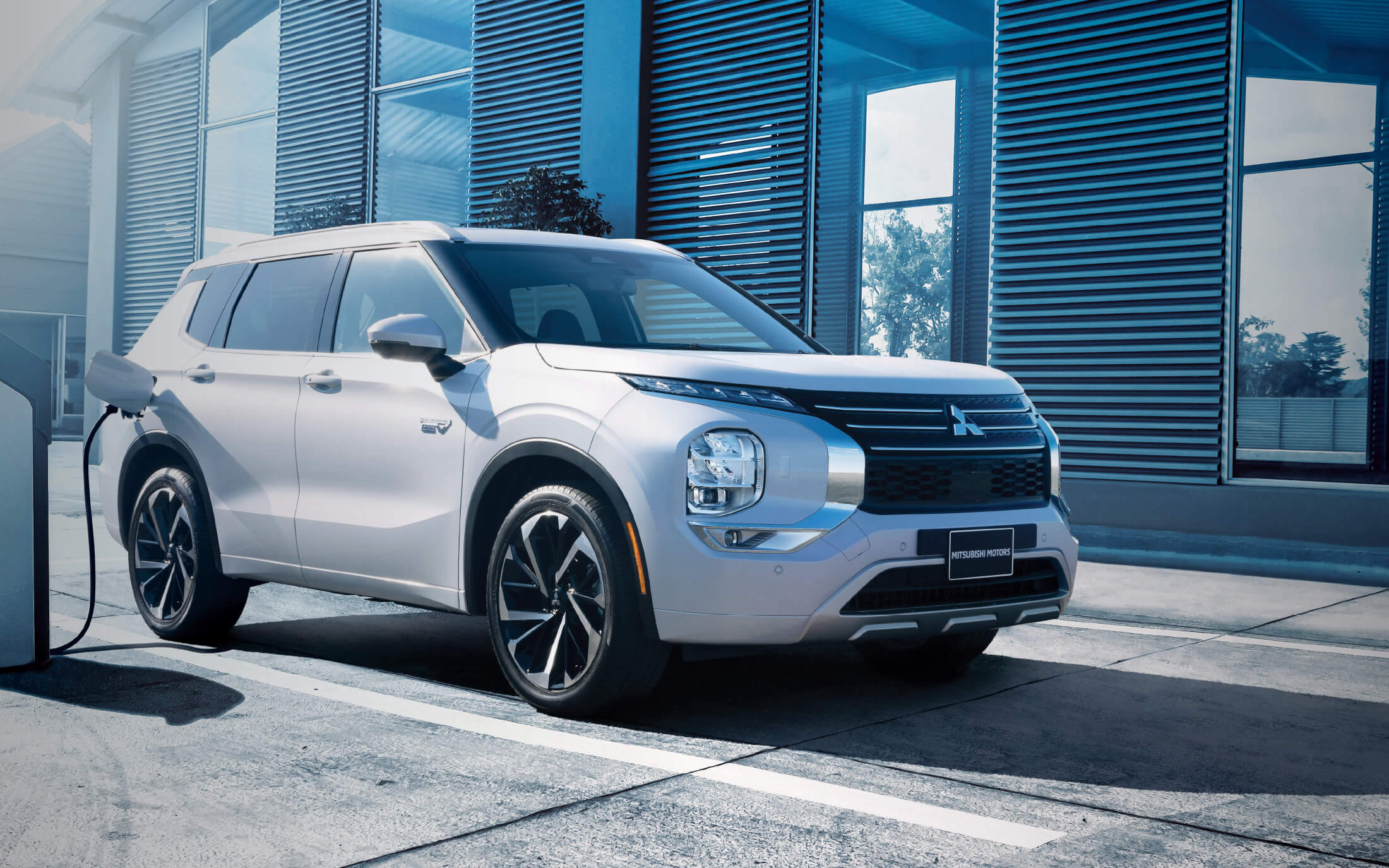
Charging habits are the hidden thermostat of plug-in experience. At this point, owners typically understand the difference between “charging enough” and charging strategically. A 20,000-mile update often includes a sharper grasp of charging cadence: when to replenish, how to avoid letting the system linger at low charge too often, and how to align charging with actual departure times rather than optimistic planning.
Home charging remains the simplest pathway to consistency. Drivers who set up a predictable schedule—such as charging after work or overnight—tend to notice steadier efficiency, because the vehicle starts each day with an energy posture that favors electric operation. Owners who occasionally rely on public charging often describe it as workable, but less forgiving. You can’t treat public sessions like home routine; the timing, availability, and sometimes charger behavior demand adaptability.
It’s also worth noting that charging isn’t only about “range.” It’s about drivability. When the high-voltage battery is in a favorable state, the vehicle’s transitions between electric propulsion, engine support, and regenerative braking can feel seamless. When charge levels run low, you may experience more engine engagement—less dramatic, but certainly noticeable if your daily routes are short and urban.
Fuel Economy Patterns: Efficiency as a Story, Not a Number
At 20,000 miles, fuel economy becomes more like a narrative than a statistic. Owners often learn that efficiency isn’t a single figure; it’s the result of many small variables—outside temperature, average speed, how often the vehicle encounters stop-and-go traffic, and whether you use regenerative braking consistently.
When driving conditions support battery use—moderate temperatures, manageable speeds, and frequent deceleration—efficiency tends to look impressive. However, long highway stretches and higher sustained speeds encourage the engine to do more work. This doesn’t necessarily indicate a problem. It’s the logic of a hybrid system adapting to physics rather than fighting it.
Many drivers refine their habits over time. They begin to anticipate traffic more effectively, which increases regen opportunities. They also adjust how aggressively they accelerate from stops. These changes may be subtle, but after tens of thousands of miles they can translate into noticeably different consumption outcomes. In an owner’s update, these adjustments often appear as the “real-world secret sauce,” even though they’re just skill and timing.
Drivetrain Feel: The 20,000-Mile Check on Smoothness and Control
The 2025 Outlander PHEV’s drivetrain character is typically judged in three moments: start-up, low-speed maneuvering, and highway behavior. At 20,000 miles, the start-up experience often remains familiar—electric readiness that can feel calm and immediate. Low-speed driving is where owners frequently mention the car’s composure: it can glide through parking-lot choreography with a quiet confidence.
Highway behavior is different. The system often shifts into a more traditional rhythm, with the engine contributing more regularly while the battery assists as needed. Owners tend to care about one thing here: whether transitions feel jerky or whether the vehicle modulates power with a steady hand. By 20,000 miles, most reports suggest the transitions remain predictable and generally well-managed.
Also pay attention to steering feedback and suspension behavior. Long-term ownership can reveal how well alignment has been maintained, and whether tire pressure has been checked regularly. A well-cared-for Outlander PHEV tends to feel “tight” in a way that people interpret as reliability.
Maintenance Milestones: Service Rhythm and Wear Items
A 20,000-mile owner update inevitably turns toward maintenance. At this stage, owners often review what has already been replaced, what is approaching replacement, and what feels like “normal wear” versus something that deserves attention.
Brake maintenance is a common theme in plug-in hybrid ownership. Because regenerative braking can reduce friction brake usage, many drivers experience slower pad wear. Still, brakes don’t disappear. They require periodic friction engagement to remain clean and responsive, especially in wet or corrosive climates. Tire condition is another recurring subject. If your driving is mostly city and you maintain good alignment, wear can be even. If the driving mix includes heavy turning, pothole-prone routes, or irregular pressure checks, tire wear can develop faster than expected.
Fluids and filters follow their scheduled life cycles. Owners who adhere to recommended intervals often report less “surprise” maintenance. The vehicle feels consistent because consumables are refreshed before they become unreliable.
Cabin Aftercare: Comfort, Noise, and Everyday Usability
Comfort isn’t just about seats and features; it’s also about what happens after years of hands-on use. At 20,000 miles, cabin usability becomes clearer: how frequently certain controls get touched, whether the visibility and mirror placement still feel effortless, and whether road noise remains in the same behavioral range as it did earlier.
Drivers often note that the cabin remains steady on typical commutes—no new rattles, no sudden creaks that appear only after certain bumps. If noise does emerge, it’s usually localized: a trim piece, a loose panel, or something impacted by weather. Owners who keep the vehicle clean and pay attention to how dirt accumulates around door seals and vents can sometimes reduce the chances of minor annoyances becoming persistent.
The “human factors” also matter. Over time, you learn the most comfortable driving posture and the best way to organize daily cargo. The Outlander PHEV’s practicality becomes more than a spec sheet trait—it becomes a habit.
Common Owner Questions at 20,000 Miles
Even with a smooth ownership experience, certain questions tend to show up. Is charging consistent across seasons? Do efficiency gains disappear in winter? How should tire pressure be managed to avoid uneven wear? What’s the best approach when public chargers are unreliable?
Many answers boil down to discipline and data awareness. Use the vehicle’s energy displays to observe patterns rather than chase single-day results. Track how often the engine engages relative to your typical routes. If efficiency fluctuates sharply, look first at temperature and driving profile. If it stays poor over multiple cycles, then it’s time to evaluate charging routines, tire pressure, and service status.
Owners also benefit from treating software and system updates like what they are: part of ongoing vehicle health. A plug-in hybrid is a system of computers as much as it is an engine and motor. When the system is kept current and well-maintained, it tends to behave more predictably.
Is the 2025 Outlander PHEV Still Worth It at This Stage?
By 20,000 miles, many drivers aren’t asking whether the car can perform. They’re asking whether it keeps performing in the same way that made them choose it in the first place. The strongest endorsements typically come from owners who can describe their routine: where they charge, how they drive, how they manage seasonal changes, and what maintenance choices helped the vehicle feel consistently confident.
The Outlander PHEV’s real value often appears in consistency—electric-friendly daily drivability, flexible hybrid operation for longer trips, and a driving experience that feels less like a compromise. When owners maintain charging discipline and stay current with service, the vehicle’s character remains coherent.
Final Thoughts: Your Next 10,000 Miles
At 20,000 miles, the 2025 Mitsubishi Outlander PHEV has usually shifted from “new curiosity” to “trusted routine.” The most satisfying ownership moments are rarely dramatic. They arrive quietly: the morning commute where the battery covers the first miles, the evening drive where regenerative braking smooths deceleration, and the confidence of knowing that the car’s system logic still matches your real-world schedule.
Approach your next 10,000 miles with a similar mindset—observe patterns, keep tires properly inflated, respect service intervals, and charge with intention. Do that, and this plug-in hybrid tends to reward you with the kind of reliability that feels less like luck and more like design.