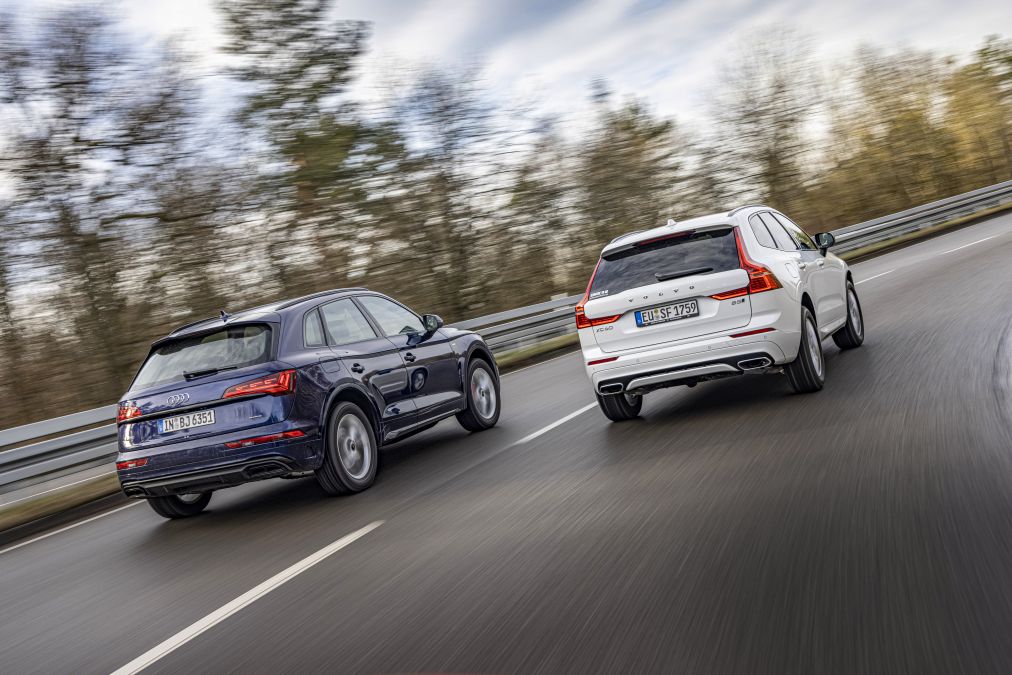
There’s a particular kind of quiet confidence that arrives when a premium compact plug-in hybrid stops behaving like a “compromise machine” and starts acting like a deliberate choice. The 2025 Audi Q5 TFSI e and the Volvo XC60 Recharge occupy that rare space—where performance, practicality, and electrification intersect without demanding you surrender the finer things. Yet the story isn’t only about specs. It’s about temperament. It’s about how each vehicle asks you to rethink the drive you thought you already knew.
Step closer, and both models begin to feel like mirrors—except they reflect different priorities. Audi tends to frame the world with crisp geometry and a cockpit-like sense of order. Volvo, meanwhile, approaches the same journey with a calmer, more human cadence. And when you add the plug-in twist, the contrast sharpens. This is a premium compact PHEV duel that promises to shift perspective, not just compare numbers.
First impressions: the art of premium restraint
Premium can be loud, or it can be incisive. The Audi Q5 TFSI e leans toward the latter, with a design language that reads as intentional—angular at the edges, cohesive across panels, and engineered to look planted at speed. Even at rest, it feels poised, as if it expects the next corner to arrive on schedule.
The Volvo XC60 Recharge wears refinement differently. Its presence is smoother, more understated, yet undeniably Scandinavian in its clarity. Lines flow with a purposeful restraint. Nothing looks accidental. Nothing looks rushed. You don’t so much notice it; you gradually realize it’s already captivated you.
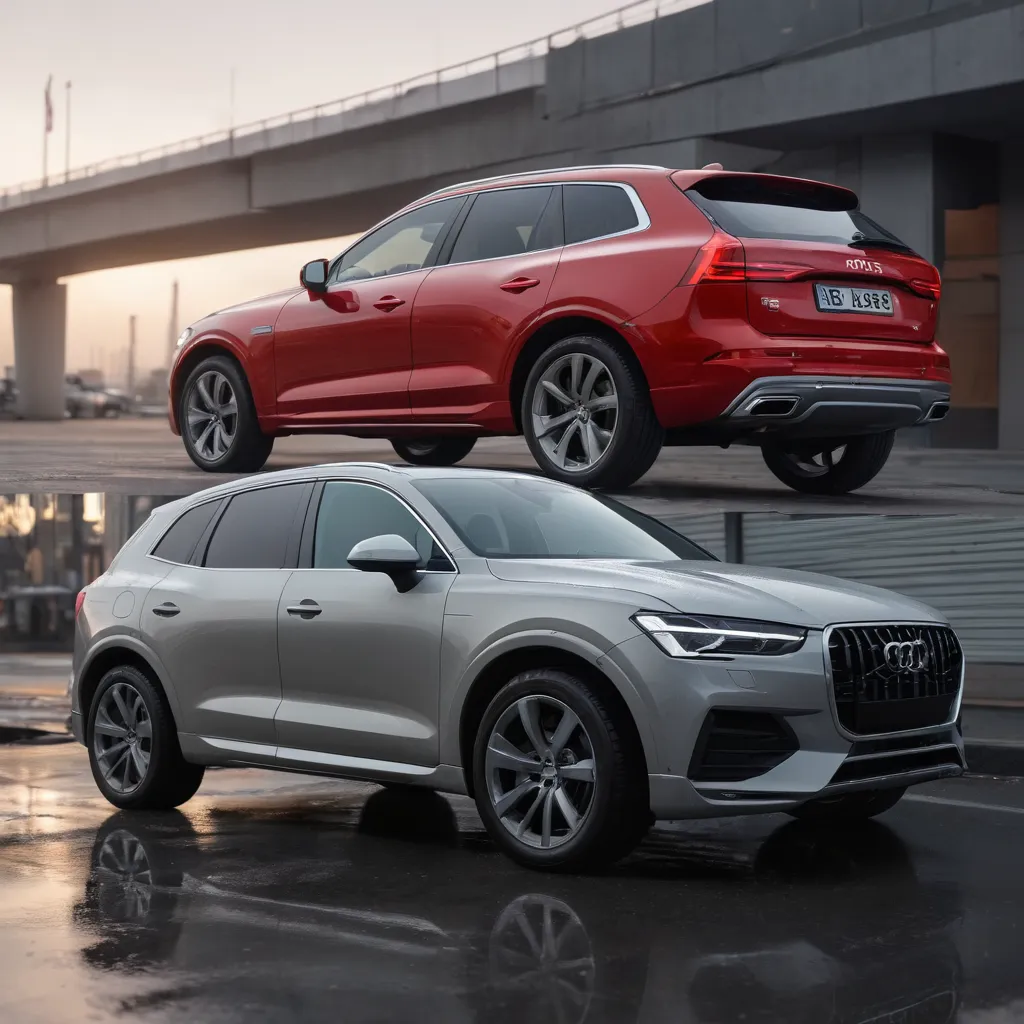
In the PHEV segment, aesthetics aren’t superficial. They signal how the cabin will feel: ordered or serene, sporty or composed, sharp or soothing. Both vehicles deliver premium—only the emotional temperature differs.
Under the hood philosophy: electrification with distinct personalities
Both the Q5 TFSI e and the XC60 Recharge are designed to do more than “carry a battery.” They’re meant to integrate electric drive into daily life—quietly, efficiently, and with the kind of seamlessness that makes you forget you’re in a hybrid until you check the charge indicator.
Audi’s approach often feels like it’s been tuned for immediacy. Electric assistance arrives with a sense of urgency, reducing hesitation and smoothing out torque delivery. The result is a drive that can feel quicker than it has any right to be, particularly at lower speeds—where city travel typically dulls the romance of the road.
Volvo’s philosophy tends to emphasize control and cohesion. Its electric behavior often complements the engine’s character in a way that feels composed rather than confrontational. There’s a certain measured confidence to how the system distributes effort, creating momentum without theatrics.
Both systems aim for a similar outcome: the ability to run electric for everyday scenarios, then seamlessly transition when more power is required. But the “how” is where the curiosity lives—because each car makes electrification feel like a different kind of conversation.
Cabin mood: cockpit precision vs Scandinavian calm
Step inside the Audi Q5 TFSI e and you enter a zone of structured convenience. Controls and displays tend to feel like they belong to a single system—one that prioritizes readability and quick action. Short sentences. Clear choices. The cockpit effect is deliberate: you’re positioned as a confident operator, not just a passenger.
Now consider the Volvo XC60 Recharge. It’s less about cockpit dominance and more about ambience. Materials and layout convey comfort with a quiet authority—like the car is designed to reduce mental friction. You can drive longer, feel less wrung out at the end of the day, and still maintain a sense of purpose.
These differences matter more than they sound. Premium cabins aren’t only about touchpoints. They’re about how the car shapes your attention. One encourages engagement; the other encourages clarity. Either way, the PHEV aspect changes the cabin’s “rhythm,” especially during low-speed creeping where electric drive can make the interior feel almost hushed.
Infotainment and connected living: convenience that feels inevitable
In modern premium PHEVs, the interface becomes part of the driving experience. Charging schedules, route planning, and energy-status readouts influence whether electrification feels effortless or like a recurring chore.
Audi’s ecosystem typically emphasizes intuitive navigation and a sense of technical completeness. It’s designed for drivers who like information organized with precision—where the “next decision” is always within easy reach. Expect features that encourage smarter trip planning and an easy return to electric mode when conditions allow.
Volvo’s system often prioritizes usability with a calmer tone. The interface tends to favor legibility and straightforward controls, which can be especially valuable when you’re switching between driving modes or confirming how much electric range you’re likely to retain.
Both cars can help you choreograph the day—commute, errands, school drop-offs—while keeping the battery story intelligible. And that’s the real magic of a PHEV: you start living with the battery rather than merely transporting it.
Charging reality: turning battery capacity into a lifestyle
On paper, PHEVs are easy to understand. In real life, charging is where the truth emerges. The Audi Q5 TFSI e and Volvo XC60 Recharge are built to make recharging practical, but they also rely on your routines.
Think about your typical day: distance to work, time spent driving, and whether you have home charging or rely on public stations. With home charging, the PHEV can become a daily EV substitute for short trips. Without it, planning becomes essential—scheduling sessions around your week, not your moods.
Neither vehicle should feel like an EV in disguise. Instead, both are designed to deliver meaningful electric travel while still maintaining confidence for longer journeys. The best version of PHEV life is the one where you notice savings and quiet operation, but never feel boxed in.
Performance and drive feel: power on demand versus poised momentum
Performance isn’t only about peak figures. It’s about the sensation of effort—how quickly you’re met with response, how smoothly power arrives, and how the car communicates grip through the steering and chassis.
The Q5 TFSI e tends to deliver a more direct thrust when you ask for acceleration. Electric torque helps make the throttle feel more immediate, and the vehicle’s overall tuning often reinforces a sport-leaning character. Short bursts feel satisfying; overtakes feel less strained. The drive feels like it’s ready, not hesitant.
The XC60 Recharge often prioritizes balance over bravado. Acceleration can feel effortless rather than forceful, with the system smoothing the transition between electric and combustion power. On winding roads, it can feel composed—more “flow” than “snap.”
Both vehicles can be quick enough to keep you engaged. But they also encourage different driving moods: Audi for crisp engagement, Volvo for steady confidence.
Ride comfort and handling: the suspension’s quiet argument
Premium compact crossovers live at the mercy of imperfect roads. Asphalt seams, potholes, and uneven intersections test whether a vehicle is merely comfortable in ideal conditions or genuinely accommodating in real ones.
Audi’s tuning frequently aims to keep body motions controlled while preserving daily drivability. The ride often feels taut but not punishing, with handling that encourages you to trust the front end.
Volvo’s suspension character leans toward cushioning without turning to mush. It’s built to absorb harshness while maintaining stability, giving the vehicle a calm, composed demeanor even when the road gets restless.
For PHEV owners, this matters because electric driving often encourages slower, smoother motion—so any suspension harshness becomes more noticeable. Both cars strive to keep that experience serene.
Space, utility, and family practicality
Premium compact PHEVs must do more than impress on a test loop. They need to carry real life: groceries, luggage, bulky gear for weekends, and the small chaos of daily errands.
Both the Audi Q5 TFSI e and Volvo XC60 Recharge offer versatile cargo configurations and comfortable seating. The PHEV powertrain can influence how storage is arranged, but both prioritize usability so the electric adventure doesn’t come at the expense of convenience.
Look closely at rear-seat comfort, door opening size, and how easily the trunk swallows the everyday. The “best” vehicle is often the one that makes routine feel effortless—like the vehicle anticipates what you’ll need next.
Safety, driver assistance, and confidence engineering
In a world where traffic is rarely predictable, driver assistance has become part of premium ownership. The right systems can reduce fatigue, help maintain lane discipline, and support safe following distances. Both vehicles are equipped with advanced safety technology intended to elevate everyday confidence.
Audi often emphasizes a driver-assistance experience that feels integrated with vehicle dynamics—supportive but not intrusive. Volvo tends to focus on clarity and comfort in assistance behavior, aiming to keep you informed and unburdened.
It’s not just about avoiding danger. It’s about reducing the mental load of driving—especially when you’re running on battery and planning charging stops, where attention should remain on the road.
Fuel economy and long-term cost logic: where the numbers become meaning
Over time, PHEV value depends on a simple equation: how often you drive on electric, how efficiently the vehicle recovers energy, and how smoothly it transitions between power sources.
If your commute is short enough, the Audi Q5 TFSI e and Volvo XC60 Recharge can significantly reduce fuel consumption. If your week includes longer runs, the internal combustion engine helps maintain range without anxiety. The key is consistency—charging when it’s easy, driving electric when it fits, and using hybrid capability as a safety net.
Cost logic is also about predictability. A PHEV that helps you understand and control consumption can turn ownership from guesswork into strategy. That’s when electrification becomes less of a novelty and more of a lifestyle tool.
The choice that matters: which perspective feels like yours?
Ultimately, the decision isn’t about one being “better.” It’s about alignment. The 2025 Audi Q5 TFSI e often appeals to drivers who want crisp response, cockpit clarity, and a more animated sense of motion. The Volvo XC60 Recharge may feel more compelling for those who prefer calm authority, a soothing cabin mood, and a ride that feels thoughtfully handled.
Both represent a smart evolution in premium compact electrification. Both carry the promise of quieter drives, meaningful electric range, and the ability to adapt when reality diverges from your plan.
So here’s the shift in perspective: instead of asking which PHEV is the winner, ask which one changes your daily routine in a way that feels natural. One may make you feel sharper. The other may make you feel lighter. Either way, you’ll be driving with a new kind of intention—one that starts with the battery, but ends with how you experience the road.
When the next drive arrives, pay attention not just to acceleration or comfort. Pay attention to the emotional weather inside the cabin. That’s where the real answer lives—beneath the technology, inside the rhythm.