The 2025 Ford Escape PHEV arrives with a promise that feels almost paradoxical: a compact SUV that can behave like a quiet commuter on most mornings, yet remain ready for longer horizons when the day stretches beyond the usual route. Imagine your driveway as a small theater stage. Every sunrise, the Escape PHEV steps into the spotlight on electricity—almost like a magician that performs the same trick so flawlessly you forget it’s magic. And then, when the plot demands more distance, it shifts gears—both literally and narratively—without drama.
So the question isn’t simply whether the Escape PHEV is capable. The question is whether 37 miles—a figure that sounds modest at first—can be enough for the daily commute that shapes your life. The answer depends less on the number itself and more on how your routine behaves: the rhythm of errands, the tempo of traffic lights, the frequency of short stops, and the moments when you decide to keep driving instead of turning back.
Below, the Escape PHEV is examined not as a spec sheet, but as a commuter’s companion—one that learns the contours of your habits with each ignition cycle.
37 Miles: The Commuter’s “Breathing Room”
Thirty-seven miles is the range where electricity feels like a default language. It’s long enough to cover many typical commutes, especially when your route stays consistent and your driving remains smooth. Think of it as breathing room in a crowded schedule. You don’t need to sprint. You just need enough distance to reach work, reach school drop-off, and reach the after-hours groceries without constantly renegotiating your fuel plan.
A PHEV’s electric segment is also a psychological advantage. When you can run on electricity for your usual patterns, you stop feeling tethered to the pump. That shift in mindset is subtle, but it matters. The Escape PHEV turns “will I make it?” into “I’ve already made it.”
The Escape PHEV’s Everyday Choreography
Daily commuting rarely resembles a single, clean line on a map. It’s usually a collage: freeway merges, neighborhood turns, a few uphill stretches, the stop-and-go rhythm of real cities. Electric drive thrives in precisely these conditions. Short bursts, frequent decelerations, and frequent low-speed segments are where an electric-first mindset tends to feel most effortless.
The Escape PHEV can act like it’s tuned for your schedule. It doesn’t just travel from point A to point B; it participates in the choreography. With each stoplight, the car’s energy management becomes a quiet accountant, balancing the present moment with the upcoming need.
When the Day Extends: Confidence Beyond the Usual Route
While the 37-mile electric capability may cover routine travel, life doesn’t always respect routines. Sometimes your day expands: a late meeting, an unexpected detour, a spontaneous weekend errand. This is where the “plug-in” in PHEV becomes more than convenience—it becomes contingency.
Picture the Escape PHEV as a flexible umbrella. In light rain (your daily commute), you rely on the electric canopy. When weather intensifies (longer trips), the second layer—fuel-based capability—steps in so you’re never left stranded on the edge of a plan.
This dual personality is the unique appeal of the Escape PHEV: it can be both efficient for the common day and capable for the uncommon day.
Charging as a Lifestyle Choice, Not a Chore
Charging transforms from obligation into routine when it’s integrated into real life. If you park at home overnight, the car becomes a nightly ritual—like leaving a kettle on before you sleep, ensuring warmth on demand. If workplace charging is available, the commute becomes even more electric-forward, effectively turning time you already spend into energy you can use.
There’s also an efficiency of attention. When you can plan around charging once or twice a week—rather than constantly improvising during every drive—you gain mental clarity. The Escape PHEV supports that clarity by aligning energy use with predictable patterns.
Design That Looks Like It’s Ready for Tomorrow
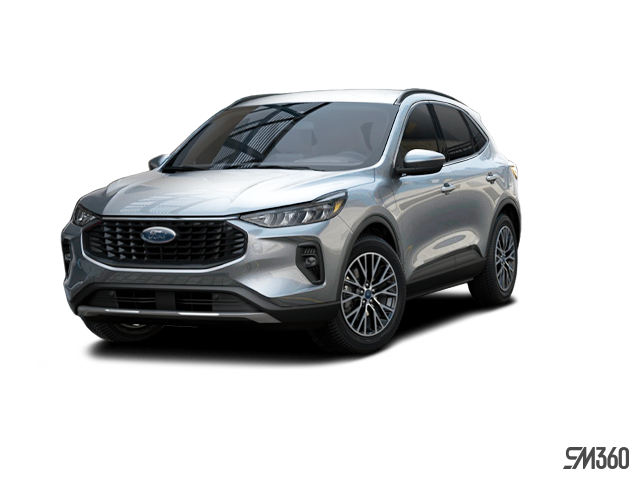
The Escape PHEV’s exterior presence is more than aesthetic. It signals intention. Its lines suggest readiness, not urgency. The stance feels planted, like it belongs on both the morning commute lane and the weekend road.
Even in images, the Escape PHEV reads as a purposeful blend of familiarity and modernity—a vehicle that doesn’t feel like it’s borrowing from the future, but rather carrying it naturally.

Efficiency Meets Comfort: The Quiet Benefits
Electric driving often changes how a vehicle feels. Acceleration can feel smoother and more responsive at low speeds, and the cabin can become a calmer place—especially during stop-and-go traffic. The commute isn’t only about distance; it’s about stress management.
When the drivetrain is electric-first, the drive can feel less like wrestling with the day and more like steering through it. Short errands feel less punitive. School drop-offs feel less like fuel economy tests. And when traffic slows, the vehicle can feel strangely composed, as if time is passing differently inside the cabin.
The Metaphor of the “Two-Key” Vehicle
One of the most intriguing ways to understand a PHEV is as a two-key system. Key one opens the world of electricity—soft, immediate, and efficient for everyday tasks. Key two opens the world of extended travel—reliable, familiar, and built for longer horizons. The genius is that you don’t have to choose in advance with the rigidity of a one-engine car. Instead, you shift between roles as the day requires.
This dual-key nature makes the Escape PHEV feel adaptable. It’s not a compromise; it’s a choreography of power sources that aims to match the tempo of real life.
Who Is the 37-Mile Commute Winner?
The Escape PHEV’s strengths align particularly well with drivers whose daily routes fall inside that electric window, or close enough to make the remaining distance manageable. If your commute is typically under 37 miles round trip, electricity can dominate your fuel story. If it’s slightly more, you may still find the PHEV’s flexibility makes most weekdays easier—especially when combined with charging habits and occasional route adjustments.
Also consider behavior. Drivers who use smoother acceleration, plan charging around idle time, and avoid unnecessary detours often stretch electric range further. The Escape PHEV rewards routine the way a good pen rewards consistent writing.
Outsmarting the Everyday: Practical Tips to Make It Add Up
To maximize the electric-first experience, treat charging like a calendar appointment. Plug in when it’s convenient, not when you’re desperate. Use scheduling features if available, and consider preconditioning strategies if the vehicle supports them—especially in cold or hot climates.
Driving style matters too. Gentle starts and anticipatory braking can improve how much electric range you can use. It’s not about driving slowly; it’s about driving with intention, letting the vehicle recover energy during deceleration and keeping acceleration efficient.
Finally, don’t underestimate the value of tracking your pattern. Over time, you’ll learn how your exact routes behave—traffic patterns, elevation changes, seasonal effects. That knowledge turns the Escape PHEV from “potential” into a predictable companion.
Final Verdict: Is 37 Miles Enough?
For many commuters, 37 miles is not just enough—it’s pleasantly transformative. It can turn electricity into the default setting for the workweek, reduce stops at the pump, and make daily driving feel quieter, cleaner, and more controlled. The Escape PHEV’s real charm lies in its ability to match your routine without locking you into a narrow definition of “usual.”
In the end, the Escape PHEV is like a well-designed pause button for modern life. You press it at the beginning of the day with electricity, then release it when the road demands more. If your commute fits the electric rhythm most days, the 37-mile range becomes less of a number and more of a promise you can feel every time you pull out of the driveway.