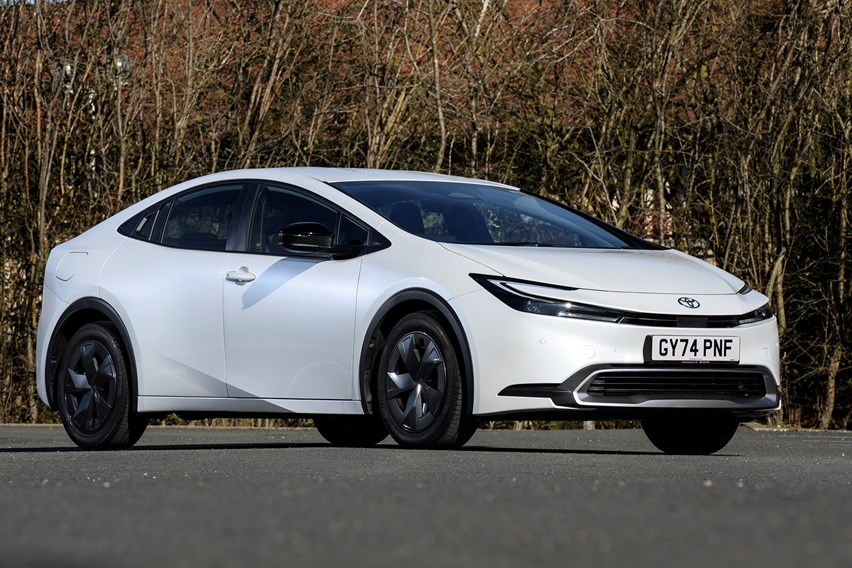
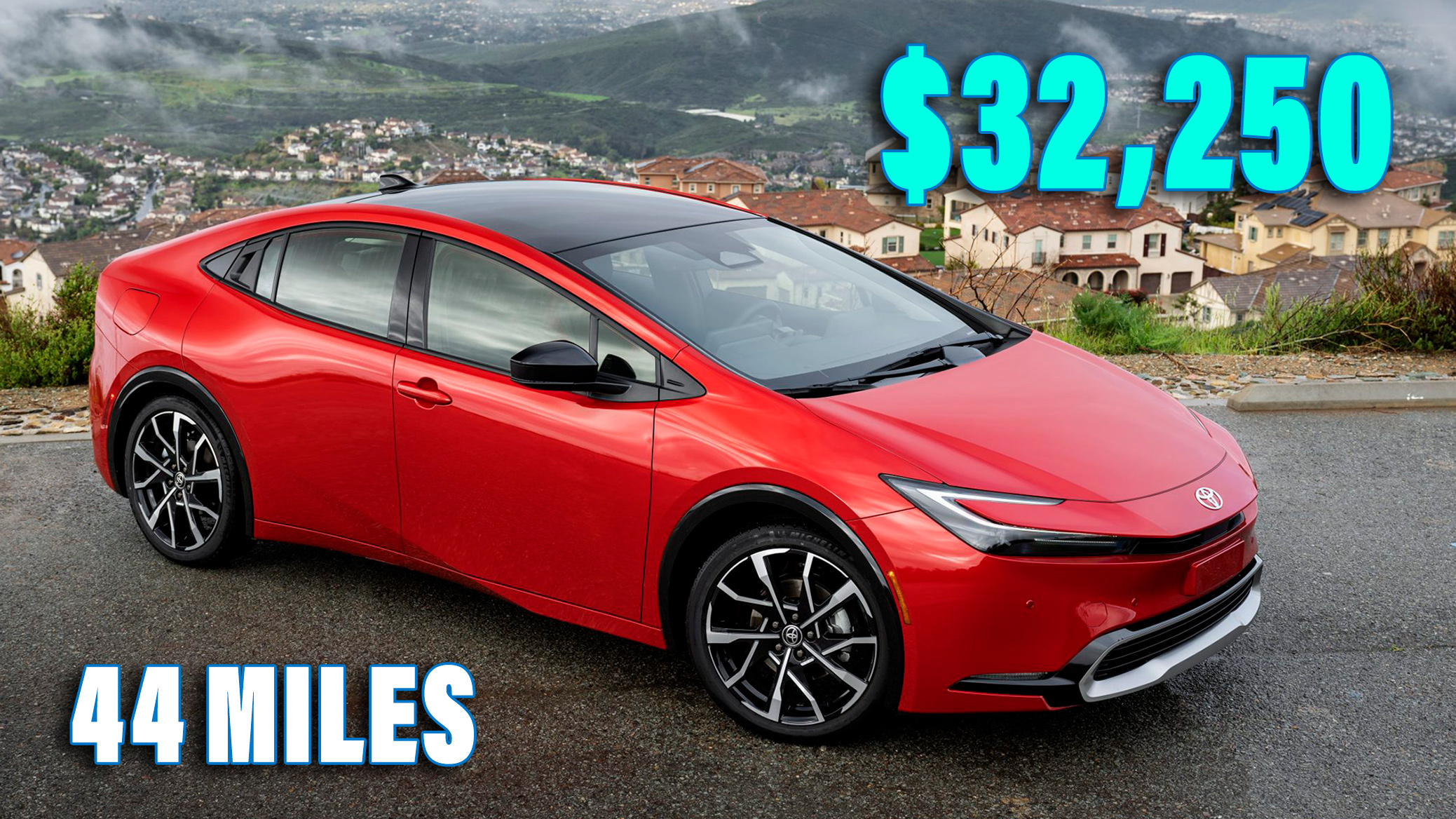
The 2025 Toyota Prius Prime arrives with a familiar mission—making electrification feel less like a leap and more like a daily habit. Yet “familiar” doesn’t mean “static.” This plug-in hybrid has been tuned for modern commuting realities: variable weather, stop-and-go traffic, and the stubborn truth that not every trip is a perfect, dashboard-friendly scenario. If you’ve been wondering whether the advertised 44 EV miles translates into something you can actually use—without treating each outing like a lab experiment—the 2025 Prius Prime is an intriguing candidate. The story unfolds best when you stop thinking in marketing numbers and start thinking in real-world rhythms.
In a real-world test of the Prius Prime’s EV capability, the question becomes more nuanced than it sounds. How do acceleration habits shape range? What happens when the weather turns crisp? Where do energy losses hide—in tire choice, thermal management, traffic lights, or highway aerodynamics? To answer, you don’t just watch the miles tick down. You observe the car’s behavior, the way it blends electric propulsion with its hybrid strategy, and the way it nudges the driver toward efficiency without making the drive feel like penance.
What “44 EV Miles” Really Means in Practice
Advertised range figures are often determined under standardized conditions, which can differ from how people actually drive. Still, the Prius Prime’s 44 EV miles is a promise strong enough to test seriously. In the field, range depends on a stack of factors working together: speed profile, ambient temperature, cabin heating demands, elevation changes, and even how aggressively you use regenerative braking.
In a typical day—short hops, a few longer segments, and plenty of light traffic—the Prius Prime’s electric-first behavior tends to feel intuitive. That said, the EV miles do not disappear in a straight line. They taper. Early consumption might be modest, then increase as speeds rise or the battery management system compensates for heating, cooling, and load. Expect the trip to become a negotiation between your right foot and the car’s energy priorities.
For many drivers, the practical takeaway is simple: if your routine resembles typical commuter life, the Prime can cover a surprising portion of the day in EV mode. If your route resembles a long uninterrupted run at higher speeds, the usable EV window may narrow—but it can still be meaningful, particularly when you plan for it.
How We Test EV Range: The Conditions That Matter
A credible EV-mile evaluation needs structure, not vibes. Real-world range testing usually begins with a fully charged battery, then follows a route that mirrors how people actually commute: stoplights, merges, occasional hills, and the inevitable “why am I stuck here?” moment at an intersection.
Temperature is another make-or-break variable. Electric drivetrains behave differently when the outside air is cold. Cabin comfort systems—especially heating—can draw power that otherwise would extend miles. That doesn’t mean the car becomes unreliable. It means you should understand the trade-off. In cooler weather, the Prius Prime may spend more energy preserving battery temperature and maintaining cabin comfort.
Tire grip and rolling resistance also play a role. Wider or lower-profile tires can reduce efficiency, while tire pressure management can help you keep range consistent. A real test doesn’t assume perfect conditions; it measures how the vehicle responds when the world isn’t optimized.
Acceleration Feel and Energy Use: Smooth vs. Instant Gratification
One of the most interesting elements of an EV-first test is watching how driving style shapes not just comfort, but consumption. The Prius Prime’s electric propulsion delivers quiet torque instantly. That responsiveness is delightful—until you realize torque can be a fast track to a shorter EV mile count.
Gentle acceleration often yields the best outcome, not because the car lacks power, but because it encourages the battery to discharge at a rate that the vehicle can manage efficiently. When you press hard, regenerative braking becomes your safety net. It can recapture some energy, but it can’t fully erase the loss. Think of aggressive acceleration as spending currency now and hoping to recoup later.
In city driving, where stop-and-go naturally invites regeneration, the Prius Prime can feel like it’s working with you. In smoother suburban driving, it rewards foresight. Long glides and anticipatory braking tend to stretch EV miles farther than drivers expect, especially when the route includes fewer abrupt speed changes.
City Commuting: Where EV Range Shines
City driving is the Prius Prime’s home court. Short distances, frequent deceleration, and lower average speeds align well with electric efficiency. Instead of the drivetrain constantly searching for optimal modes, the Prime often runs with a calm, electric cadence. Even when the system transitions between electric and hybrid assistance, the experience remains cohesive.
During a typical urban loop, the EV component can feel almost frictionless. The car’s regenerative behavior turns the mundane act of stopping into a kind of energy harvesting. Over time, the effect is tangible: you’re not only traveling—you’re collecting small recoveries with every slowdown.
If your daily commute includes multiple errands, the Prius Prime’s ability to string together EV segments can be particularly useful. Start in EV mode, stop at a store, pick up on EV again for the next block—these “micro-drives” add up to a full day where gas usage feels like an afterthought rather than the centerpiece.
Highway Reality: The Aerodynamic Cost of Momentum
When the route stretches into freeway territory, expectations should recalibrate. Highway speeds typically increase aerodynamic drag, and that can shrink EV range faster than city driving. Electric efficiency can still remain impressive, but the steady demand of higher speeds challenges the battery’s ability to maintain long-distance EV operation.
In a real-world highway segment, the Prius Prime may continue in EV mode for a while, particularly if the trip begins with full charge and moderate pacing. Then, as the speed climbs and energy demand rises, the hybrid system may contribute more frequently. This isn’t necessarily a failure of range—it’s the vehicle protecting overall efficiency and drivability.
The most practical strategy is to treat highway stretches as “hybrid lanes” while reserving EV miles for neighborhood travel. With thoughtful route planning, drivers can keep the EV experience central without being trapped by the math of constant velocity.
Charging and Day-to-Day Usability
Real-world EV mileage isn’t only about what happens after leaving home—it’s also about how quickly you can return to full capability. The Prius Prime’s plug-in nature means the battery can be replenished regularly, transforming it into a tool rather than a novelty.
Think of charging like reloading a battery-powered instrument. If you can top up overnight, you enter each morning with a known energy buffer. If you can only charge sporadically, the experience shifts toward flexible planning: you’ll want to reserve EV miles for the most valuable parts of your day.
The payoff is psychological as much as mechanical. Knowing you can drive in EV mode for a meaningful portion of the day helps reduce range anxiety and makes the car feel less like an experiment.
Energy Management: How the System Keeps the Battery Healthy
Behind the scenes, the Prius Prime constantly balances power delivery with battery longevity. That means the vehicle may adjust how it allocates electric energy based on temperature, driving load, and battery state. In practical terms, you may notice the car behaves differently from one day to the next—even with similar distances—because the system is responding to real conditions.
This adaptive logic is one of the car’s quiet strengths. It ensures performance consistency while preventing the battery from operating outside safe thermal boundaries. Over time, that’s what allows the Prime to remain usable rather than merely capable.
Expect the vehicle to communicate these strategies through changes in driving feel. The transition between electric propulsion and hybrid assistance can be subtle, especially in smoother traffic, but it can also become more apparent when power demands spike.
What Drivers Will Appreciate Most During the Test
The most compelling part of a 44 EV mile real-world evaluation isn’t the final number. It’s the pattern: how often the car stays in electric mode, how predictably it behaves, and whether it matches the structure of daily life.
Drivers often value three things most:
Predictability: If the car consistently covers the commute portion in EV mode, it feels dependable.
Comfort: Cabin climate use can affect range, but the experience should remain livable.
Control: When drivers understand how acceleration and speed influence energy, they can “steer” their EV miles with confidence.
In the end, an efficient plug-in hybrid should reduce friction—not amplify it. The Prius Prime tends to do that by making economy feel integrated rather than forced.
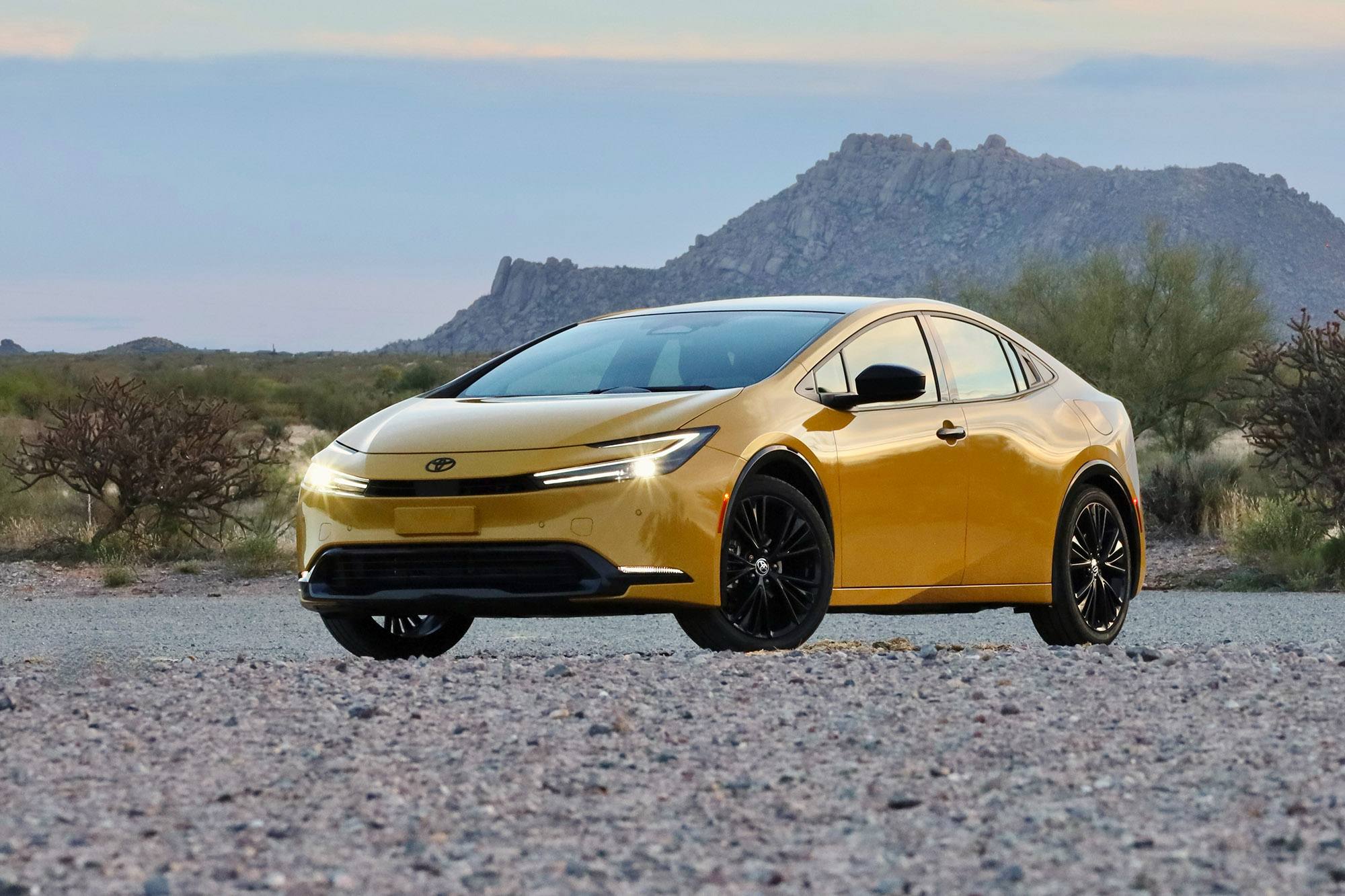
Image Gallery: The Prius Prime in the Real World
Final Verdict: Does the 44 EV Mile Promise Hold Up?
In a real-world test mindset, the 2025 Toyota Prius Prime stands out because it doesn’t treat electric miles as a fragile technicality. Instead, it turns EV range into something that can meaningfully shape daily decisions. The 44 EV miles—while not guaranteed under every circumstance—serves as a strong, reachable benchmark, especially for drivers whose routes include city segments, moderate speeds, and predictable stops.
If you commute with intention, accelerate with restraint, and charge regularly, the Prius Prime’s electric capability can feel practical rather than theatrical. In colder weather or high-speed stretches, the range may compress. Yet the car’s hybrid intelligence fills in the gaps, keeping the driving experience continuous and controlled.
Ultimately, the best measure of success isn’t whether the car hits an exact advertised figure in every scenario. It’s whether the EV portion of your driving becomes a reliable companion—quiet, responsive, and genuinely useful on the days you need it most.