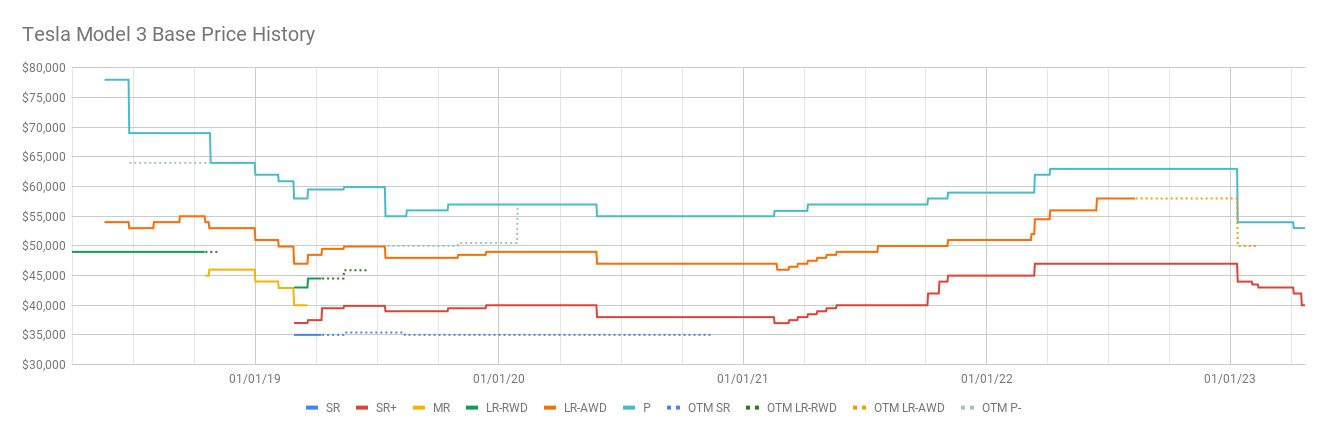
Price drops have a peculiar gravity. They tug at the purse strings, sharpen curiosity, and turn casual interest into purposeful calculation. When Tesla’s pricing shifts—especially on popular models like the Model 3—the question lands fast: Should you buy now, or wait? The surface-level answer is usually framed as a matter of timing. But the deeper reality is more interesting. These price movements do not simply change a number; they reshape expectations, alter perceived risk, and rewire the emotional economics of ownership. And that’s where fascination begins.
There’s a common observation people make during a price drop: “If it got cheaper once, it will probably get cheaper again.” It sounds logical. It feels like the car-buying equivalent of waiting for a sale. Yet that instinct—while understandable—can overlook the subtler mechanics behind pricing decisions. So the better question isn’t only whether prices will fall again. It’s whether a buyer’s circumstances, priorities, and tolerance for uncertainty are aligned with the moment they’re stepping into.
The Psychology of Waiting: When Patience Becomes a Trap
Waiting can feel like control. You’re not committing; you’re observing. You’re holding the steering wheel. But patience is not always neutral. Sometimes waiting turns into a slow drift toward indecision. Months pass. Inventory changes. Incentives appear, disappear, and reappear in different forms. The price you expected to “catch” may never arrive in the exact way you imagined.
Consider how quickly the emotional tone shifts when a discount headline fades. The mind reinterprets uncertainty as a threat: if you buy now and the price drops again, you’ll feel a kind of financial regret. On the other hand, if you wait and prices rise—or you miss out on a configuration you actually wanted—the regret flips. That’s the hidden cost of waiting: not money alone, but the mental taxation of constant forecasting.
In practical terms, buying now often delivers value through immediacy: you get access to warranty coverage, early enjoyment, and time to benefit from the vehicle’s utility. A price change later may not outweigh the years of driving you’ve already earned.
Why Tesla Price Drops Happen: It’s More Than Marketing
Price reductions rarely occur in isolation. They’re usually the visible outcome of deeper operational currents—supply dynamics, demand calibration, and production logistics. Tesla, like any manufacturer, is balancing a complex equation: production capacity, manufacturing efficiency, shipping timelines, and customer elasticity.
When demand softens, pricing is adjusted to restore equilibrium. When manufacturing improvements reduce unit costs, pricing can be restructured to preserve margins while improving competitiveness. Even changes in government credits, regional regulations, or insurance and financing patterns can influence what customers are effectively able—or willing—to pay.
The fascination comes from how these decisions appear to act like signals. Each price adjustment feels like Tesla “speaking” to the market. But the message isn’t always simple. Often it’s a negotiated compromise between speed and strategy: keep the product moving, defend traction, and sustain momentum without undermining long-term brand perception.
Common Scenario: “I’ll Wait Until the Perfect Deal”
This is the most widespread mindset during a discount window. People picture themselves as rational hunters, waiting for the next price drop like it’s inevitable. Yet the “perfect deal” is frequently a mirage. Real-world offers are shaped by availability, configuration constraints, and regional inventory.
Even within a single model line, the price can differ based on variants, battery options, paint choices, and delivery timing. A lower advertised price may apply only to certain trims, or to vehicles scheduled within a narrow window. If you wait too long, the deal you saw might vanish—not because the car got worse, but because the inventory you wanted was already absorbed.
There’s also the matter of opportunity cost. If the price drop lasts briefly and you delay purchase, you may end up paying more later, but you also lose the time you could’ve been accumulating benefits: commuting savings, fewer maintenance headaches compared to an older internal-combustion vehicle, and the intangible satisfaction of living with a technology-forward machine.
Should You Buy Now? Indicators That Point to “Yes”
If you’re considering a Tesla during a price drop, certain circumstances make “now” more compelling. First, if you have a real need—an upcoming move, a transportation gap, or a vehicle that has become unreliable—waiting may be economically irrational. The best time to buy is when the vehicle solves a current constraint.
Second, if the configuration you want is available and your delivery timeline is acceptable, buying now reduces the risk of being “priced out” of your preferred options. Third, if you value the learning curve—understanding regenerative braking, optimizing charging behavior, and adapting to Tesla’s driver-assistance features—buying now gives you time to enjoy that progress rather than postponing it.
Finally, if you’re comfortable with a degree of market volatility, you can treat the price drop as an advantage rather than a threat. The best buyers don’t demand perfect certainty; they make informed choices under uncertainty and accept that markets are alive.
Should You Wait? When Delay Actually Makes Sense
Waiting can be wise when the decision depends on external variables. If you’re financing and your credit situation is improving, waiting might allow a stronger rate. If you anticipate changes in your local incentives—such as tax credit eligibility adjustments or policy shifts—waiting could alter your effective cost.
You may also wait if you’re not in an urgent transportation situation and you’re open to substituting trims if the “next” sale is different. This transforms waiting from passivity into strategy.
Another valid reason to wait is to observe whether price drops stabilize or continue. If Tesla appears to implement a pattern of reductions, buyers might benefit from waiting for a new baseline. But this requires discipline; otherwise, you’ll keep resetting your expectations every time a new headline appears.
The Deeper Reason People Can’t Look Away
Beyond the economics, Tesla price drops carry an almost cinematic aura. They become milestones in a broader narrative about electrification, automation, and consumer tech entering the mainstream. People are not only buying cars; they’re participating in an unfolding ecosystem.
That’s why fascination persists. Each adjustment signals change—sometimes incremental, sometimes dramatic. And Tesla has a reputation for iterating quickly, which makes the future feel close. It’s not only the price that draws attention. It’s the sensation that the product is alive, not static.
This narrative energy makes the buyer’s dilemma more intense. A lower price feels like an invitation to join right now. A desire to wait feels like a belief that the next improvement will arrive faster than your patience can tolerate.
How to Decide: A Practical Framework
When faced with a price drop, use a decision grid rather than a single emotional trigger. Ask: Do I need the car now? If yes, prioritize immediacy. Next: Is the exact configuration available? If no, waiting might be safer. Then: How sensitive am I to potential depreciation regret? If the thought of paying more later would be painful, consider waiting (or adjust expectations about price stability).
Also compare the total cost of ownership. Electricity rates, charging access, insurance quotes, and maintenance differences often matter more than a short-term price headline. A slightly higher purchase price can be outweighed by lower ongoing costs over time.
Finally, set a personal rule. For example: “If I can buy the configuration I want within X weeks and the delivery timing works, I buy.” Rules reduce the psychological whiplash that headlines create.
Bottom Line: Buy When It Fits Your Life, Not Just the Market
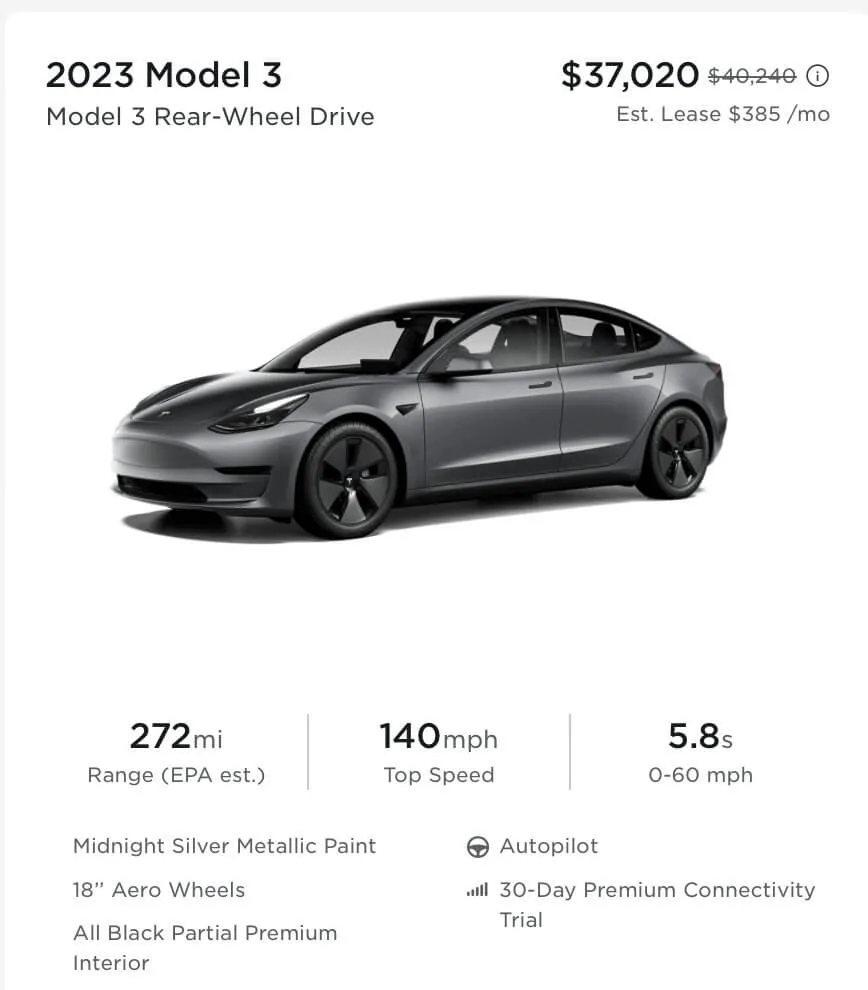
A Tesla price drop is an opportunity, but not every opportunity is the right one. Buying now tends to favor people who have immediate needs, want specific configurations, and value the time gained by driving rather than waiting. Waiting favors those who can adapt, are benefiting from improving financing or incentives, or are monitoring policy and inventory changes.
The most effective choice is the one that reduces regret. Sometimes that means purchasing during a discount window. Sometimes it means delaying with a clear strategy, not a vague hope. Either way, treat the price as data—not destiny.
In the end, the real question isn’t simply whether Tesla will lower prices again. It’s whether you’re ready to move from curiosity to ownership. When that transition is timely, price drops stop feeling like threats and start feeling like invitations—precise, practical, and entirely yours.