Two Japanese EV icons stand at the starting line, batteries humming like tuning forks in a quiet garage. On one side: the Nissan Ariya, composed, forward-looking, and unmistakably slick. On the other: the Toyota bZ4X, sturdy in its posture, built with a “let’s go anywhere” mentality. But here’s the playful question—if your weekend plans were a choose-your-own-adventure, which of these EVs would actually keep up with the plot?
Consider a friendly challenge: imagine the same route, the same errand list, and the same unpredictable weather. One minute you’re cruising smoothly through city grids; the next you’re chasing open-road confidence. The Ariya and bZ4X both promise electric ease, yet they approach the task with different philosophies. So let’s compare them—thoroughly, thoughtfully, and without putting either one in a cardboard box labeled “best.”
Ready? Then let the Japanese EV showdown begin.
First Impressions: Design Language and Presence
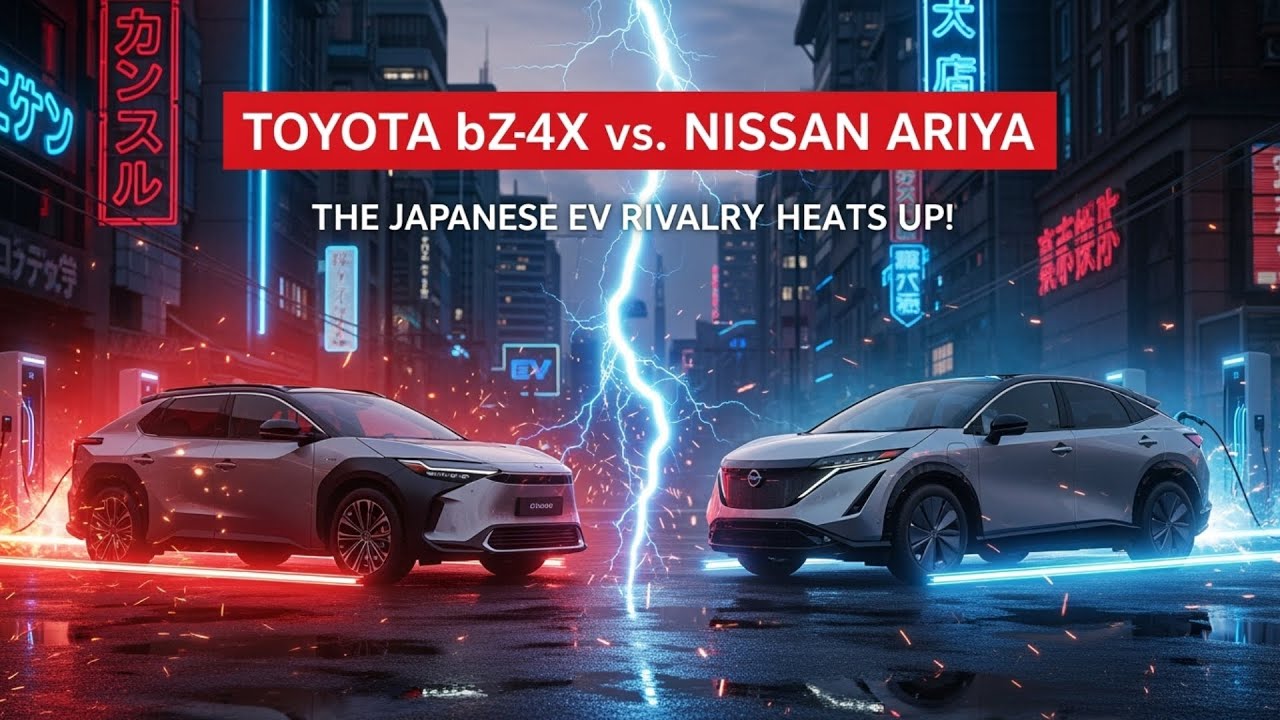
The Nissan Ariya arrives with a kind of aerodynamic poise—an almost theatrical stillness. Its silhouette looks stretched, deliberate, as if it were drafted with a ruler and refined with restraint. There’s a smoothness to the surfaces, a continuity that makes the car appear to glide even when parked. You notice the stance first. Then you notice the details: lighting signatures, the flow around the wheel arches, and the way the front fascia communicates “modern” without shouting.
The Toyota bZ4X, meanwhile, wears its character like an off-road-inspired jacket. It’s not trying to impersonate a sports car. It’s trying to feel dependable—grounded, confident, and practical. The body lines are more upright in spirit, and the overall look leans toward adventurous utility. If the Ariya feels like a refined lounge performance, the bZ4X feels like a weekend expedition with a checklist and a thermos.
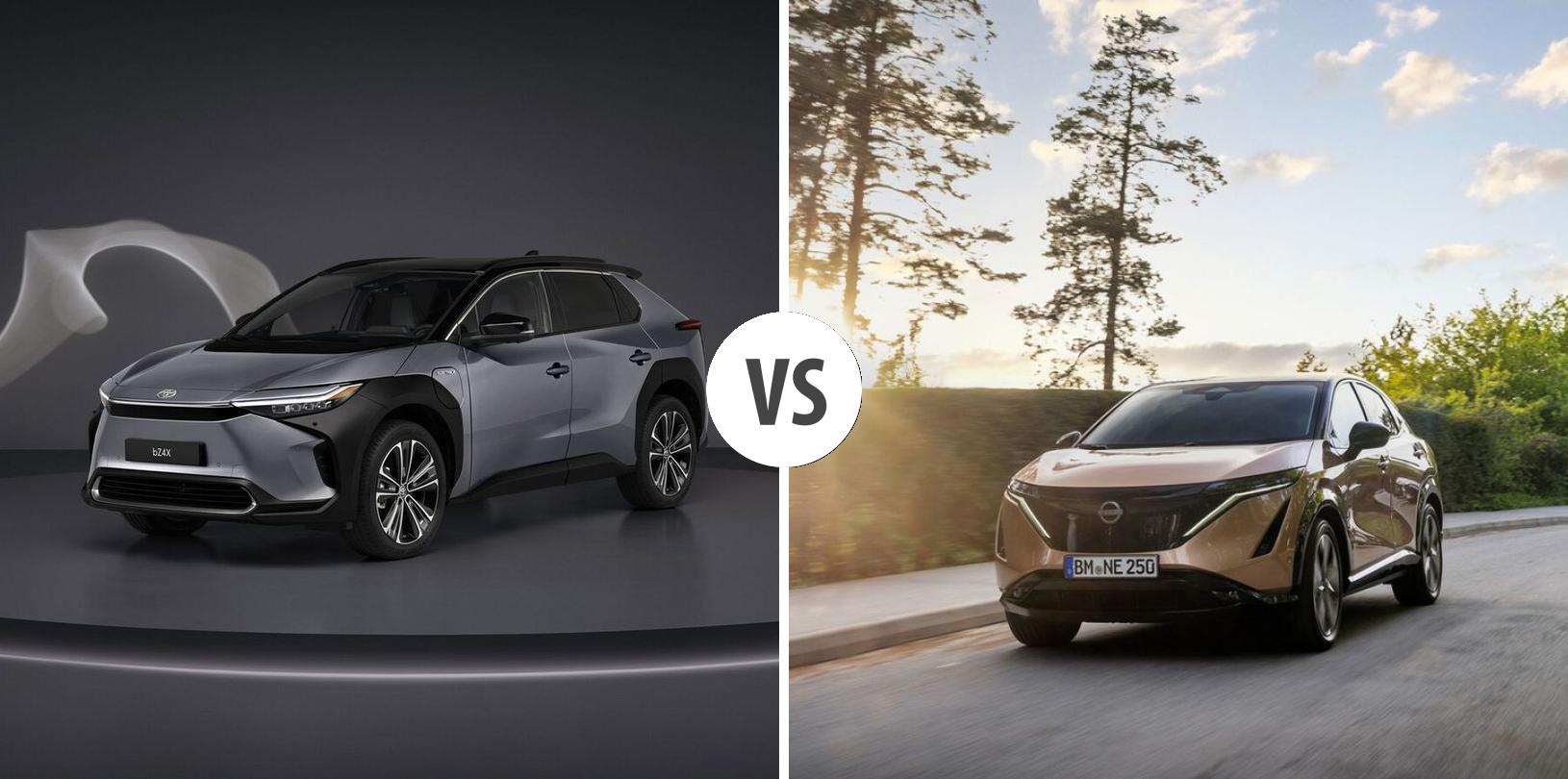
So which one “wins” the style contest? Neither automatically. But both are persuasive. The real difference is how each one prepares you mentally for the drive.
Powertrain and Performance Feel: Smooth vs Sure-Footed
Under the skin, both are electric, but they don’t necessarily deliver the same kind of satisfaction. The Ariya tends to feel composed and responsive—electric torque deployed with a sense of timing. It’s the kind of acceleration that doesn’t just push you forward; it nudges the entire experience into motion. Short bursts feel agile, and sustained driving can feel calm rather than strained.
The bZ4X emphasizes predictability. Its character is more about consistent output and stable traction. Even when you’re not thinking about physics, you can feel the design intent—supporting motion rather than overdramatizing it. In other words: the Ariya often feels like it’s dancing. The bZ4X often feels like it’s marching.
Here’s the challenge inside the challenge: picture a route with frequent stops and starts—traffic lights, school zones, the sudden detour. The Ariya’s responsiveness can make city driving feel pleasantly frictionless. Yet the bZ4X’s straightforward setup may be less mentally demanding during longer stretches, especially when road conditions get moody.
Range and Efficiency: Where Confidence Comes From
Range isn’t just a number on a spec sheet. It’s a psychological safety net. When your battery estimate feels trustworthy, you stop planning your life around charging stations. That’s the real luxury.
The Ariya’s approach is often framed around making everyday range feel believable—efficient enough to support routine errands and longer drives without constant recalculation. Its energy management aims for a balance between performance and consumption.
The bZ4X focuses on practical efficiency, too, but with a slightly different emphasis. Efficiency matters, yes. But so does how the vehicle behaves when conditions are less cooperative—cooler temperatures, varying speeds, and all the little changes that can turn a “simple trip” into an engineering exercise.
Playfully: which car makes you feel like you’re gaming the system, rather than being judged by it? That’s the hidden metric. The Ariya may feel slick and “in control,” while the bZ4X may feel “ready and resilient,” even when your plan evolves.
Cargo and Daily Use: The Ergonometric Question
On paper, both are designed for daily life, but daily life is rarely polite. You’ll haul groceries that refuse to stack politely. You’ll drag home bags of sports equipment, a flatpack miracle, and a load of life’s incidental clutter.
Evaluate these two on what matters: trunk usability, opening width, and how the interior supports real-world cargo. The bZ4X is built with a sense of space and versatility. It’s a car that wants to be usable, not just photographed. The Ariya often feels more refined and visually streamlined, but that refinement doesn’t automatically mean less capability—its packaging aims to remain practical, especially for weekend errands and passenger comfort.
Here’s a fun prompt: if you had to carry something awkward—like a bulky cooler or a box with unpredictable geometry—would you rather wrestle with a clever but tighter layout, or with a more utilitarian stance? That preference can decide the “winner” faster than any spreadsheet.
Interior and Technology: The Cabin as a Command Center
The Ariya leans into a modern, tech-forward cockpit. The dashboard feels like a digital interface tuned for everyday clarity. Controls are aimed to reduce distraction, and the overall atmosphere tends to feel airy and intentional. Even before you turn the car on, the interior presence suggests calm efficiency.
The bZ4X presents a Toyota-style practicality—organized, straightforward, and less about futuristic flourish. The design language supports easy comprehension. Buttons and displays feel positioned for quick scanning. In a world of software updates and ever-changing menus, that approach can be soothing.
Potential challenge: take both cars into a morning scenario. You’re late. The weather is inconsistent. Your phone battery is at 7%. Which interior helps you navigate without turning the ride into a “find the setting” scavenger hunt? The Ariya may feel smoother and more connected; the bZ4X may feel faster to operate when you want the basics immediately.
Driving Dynamics and Ride Comfort: City Zen vs Road Resilience
How a car feels at 30 mph is sometimes more important than how it feels at 70. The Ariya often aims for a fluid, controlled ride—one that keeps the cabin quiet and the motion coherent. It’s built to make everyday driving feel less stressful, even when streets are chaotic.
The bZ4X balances comfort with an elevated sense of durability. It aims to be confident over imperfect surfaces. Roads with potholes, gravel spillovers, and occasional rough pavement are more likely to be met with composure rather than discomfort.
Short sentence, big point: the Ariya can make mundane drives feel special. Long sentence, equally big point: the bZ4X can make less-than-ideal roads feel manageable, which is its own kind of luxury.
Charging Experience and Ownership Reality
Charging is where romance meets routine. The “best” EV is the one that aligns with your real schedule—where you park, where you charge, and how often you genuinely need long-distance capability.
Both vehicles belong to a growing ecosystem of electric infrastructure, but your experience depends on charging availability. If you have home charging, both can feel effortless. If your routine relies on public charging, your confidence will come from network reliability and charging speeds.
Think of it like this: the Ariya can win you over with its cohesive day-to-day feel, while the bZ4X can win you over with its practical mindset. And when your charging plan changes unexpectedly, the “ownership personality” becomes the deciding factor.
Safety and Confidence: Feeling Protected, Not Just Equipped
Safety isn’t only a list of features. It’s how the car communicates risk, how it responds to the unexpected, and how it maintains composure during stress. Both vehicles prioritize driver assistance and active safety systems, aiming to reduce workload and support awareness.
The Ariya tends to feel like a well-orchestrated assistant—helpful without feeling bossy. The bZ4X tends to feel more straightforward, with a tone that emphasizes stability and predictable reactions. Again, neither is inherently superior; they just reflect distinct interpretations of “confidence.”
So… Which One Should You Choose?
If you crave a sleek, modern presence and a cabin that feels like a polished command center, the Nissan Ariya may be your easiest yes. If you want a more utilitarian stance, a grounded demeanor, and a sense of readiness for varied conditions, the Toyota bZ4X may feel more like your everyday partner-in-planning.
Now return to that earlier playful question. Which one keeps up with the plot of your weekend? Choose based on your dominant story arc: city finesse and tech comfort versus practical resilience and adventure-minded practicality.
Either way, you’re driving a Japanese EV with real ambition. And that’s the best kind of competition—one where both contestants elevate the ride, just in different directions.
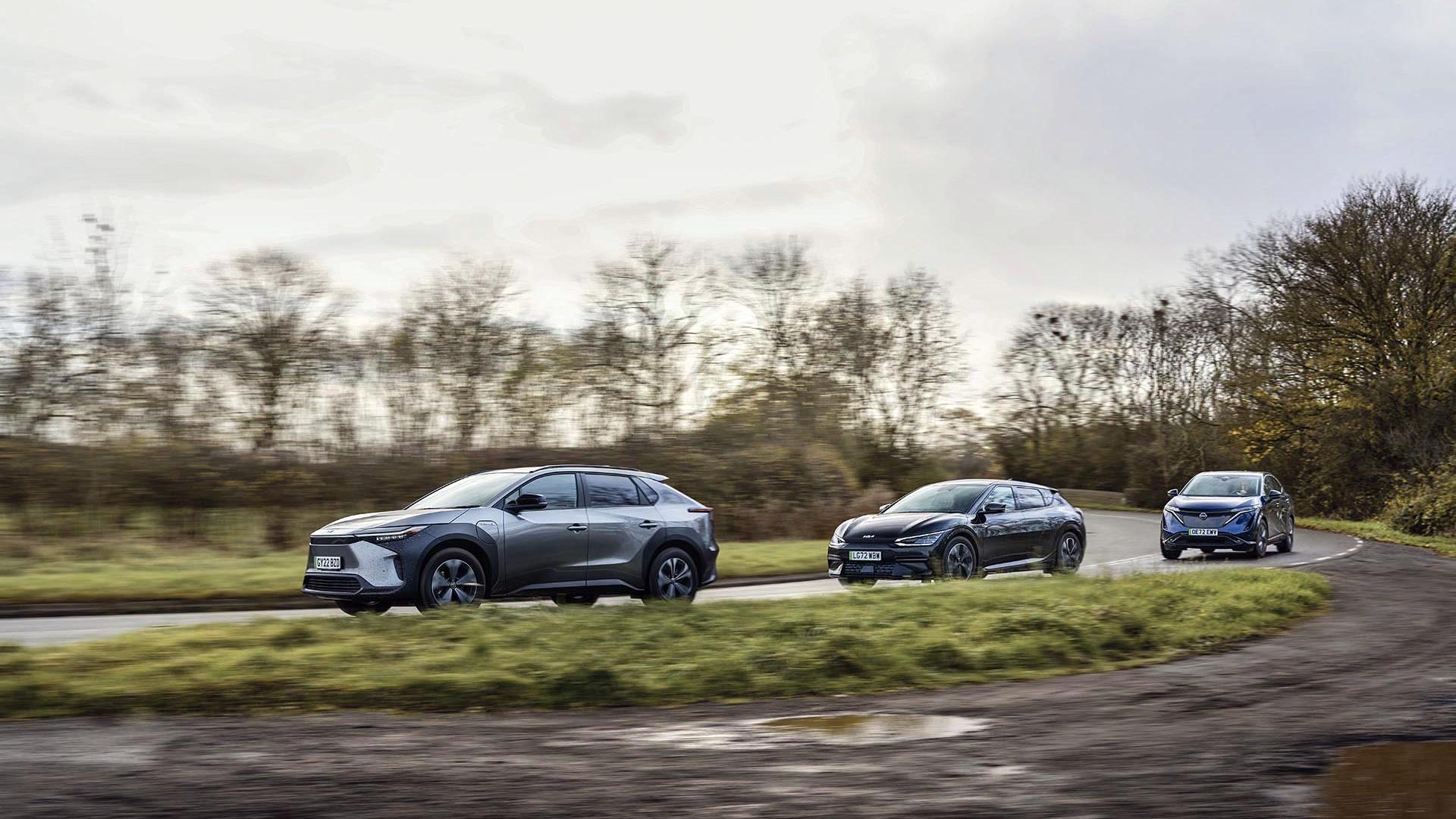
Take the test drive. Listen to your instincts. Then let your real life—errands, detours, and all—choose the winner.