What happens when a futuristic wedge of steel shows up to behave like a regular truck? The short answer: it tries, vigorously. The long answer is where things get interesting—because the production version of the Tesla Cybertruck doesn’t merely arrive. It performs. And if that performance feels a touch too confident, you’re not alone.
Picture this: you’re rolling into your day with the same people who judge every scrape on the door and every squeak in the cabin. Then, right on cue, the Cybertruck asks a playful challenge of your expectations. Can a vehicle built for headlines and speculation still deliver the calm competence you expect from a daily driver? Let’s put that question under a bright test light and see what holds—on the road, at speed, and in the moments where “production” is no longer a concept, but a reality.
First impressions: a design that refuses to negotiate
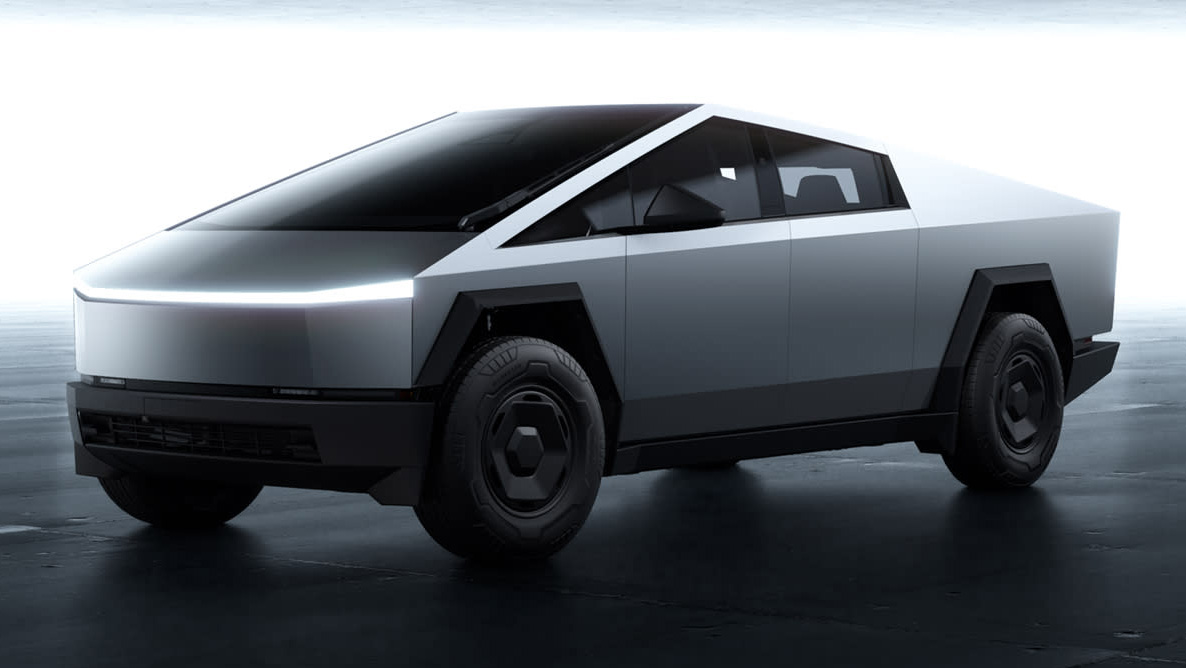
From the outside, the Cybertruck doesn’t whisper. It broadcasts. Its angular geometry, stainless-steel exoskeleton, and uncompromising presence create the kind of visual tension that makes onlookers pause mid-step. One glance and you either love it instantly or you stare as if it might explain itself.
Tested in production form, the body still carries that unmistakable “machine from the future” vibe, but the details feel more resolved than the early hype cycle suggested. Panel alignment, surface finish, and the overall stance look like they’ve been tuned for real-world scrutiny. The truck’s proportions—wide shoulders, a low beltline, and a bed that looks ready for serious work—make it feel purposeful even when it’s parked.
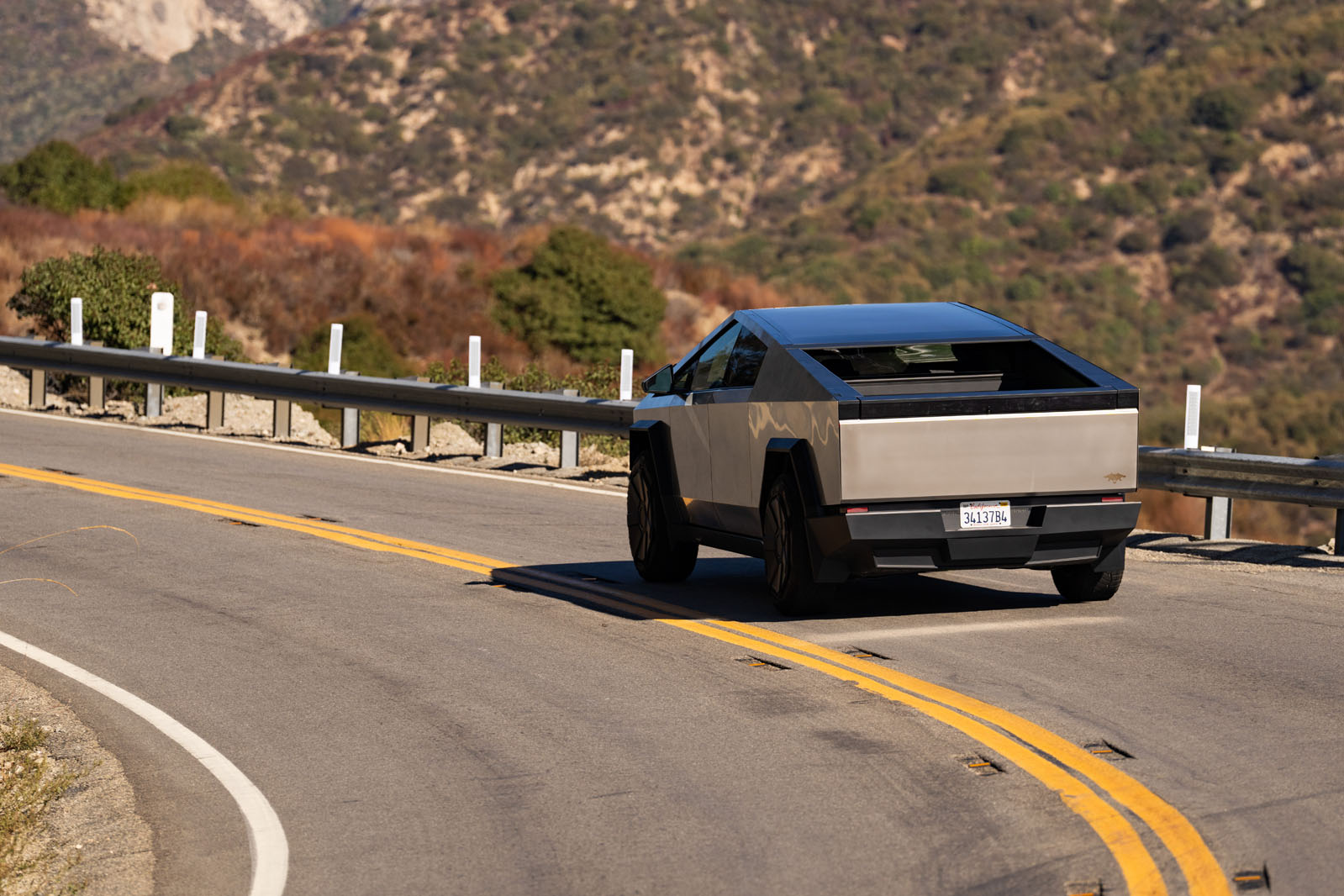
Of course, the playful challenge arrives right here: will the design survive long-term ownership without growing tiresome? Some shapes become dated quickly. This one dares you to doubt it.
Build quality and materials: stainless steel meets everyday life
On paper, the Cybertruck’s stainless-steel construction sounds like a marketing fever dream. In practice, it becomes a daily argument between aesthetics and durability. The material’s character is immediately apparent—sturdy, distinctive, and less interested in conventional paint drama.
During production testing, the truck’s surface handling and general fitment feel aligned with its promise. The cabin doesn’t feel flimsy. Controls feel intentional. Edges look deliberate rather than improvised. Even the way the body handles reflections—light sliding across the metal instead of behaving like glossy paint—adds a different kind of visual texture.
Still, there’s a real-world wrinkle: stainless steel is durable, but it doesn’t erase the human habit of noticing. If you’re the type who counts micro-scratches after a grocery run, you’ll pay attention. That isn’t a failure of design. It’s a reminder that materials have personalities.
Cabin layout: minimalism with a faint comedic edge
Step inside and the Cybertruck’s tone changes. The cabin carries a minimalist calm, but it’s not sterile. It feels like a control room that borrowed a sports car’s confidence. Everything points toward function—simple surfaces, straightforward ergonomics, and a driver-focused mindset.
Yet the production version introduces an important nuance: usability. It’s easy to admire a bold dashboard concept. It’s harder to use it smoothly when you’re juggling music, navigation, climate settings, and the occasional frantic glance at traffic.
What stands out during testing is how quickly you can find your rhythm. The controls and displays are arranged to minimize wandering attention. The interface doesn’t constantly ask for your trust; it earns it through repetition.
Still, there’s that playful question again: can a “fewer buttons” philosophy remain satisfying when the novelty fades? The answer depends on whether you enjoy a driving experience that prioritizes a guided, screen-led workflow.
Driving dynamics: the fast part is the easy part
Every electric truck advertises speed. The question is how that speed translates to control. The production Cybertruck’s on-road behavior during testing is surprisingly coherent. Acceleration is brisk, traction feels composed, and the truck manages its mass with more finesse than you’d expect from its shape.
Steering feedback is direct, and the suspension calibrates for stability rather than drama. It doesn’t pretend to be a sports sedan. Instead, it behaves like a confident heavy vehicle that’s optimized for predictable motion.
There’s also a satisfying sense of cohesion at highway speeds. Wind behavior, cabin composure, and vibration management influence how “real” a truck feels. The production version demonstrates maturity here—less twitch, less unwanted motion, and a more settled rhythm over varying road surfaces.
But here’s the potential challenge: if you’re expecting a plush, silent glide like a traditional premium SUV, the Cybertruck may not match your mental image. Its character is more industrial than luxurious. That can be a feature—or a mismatch.
Technology and usability: where the interface earns its keep
In the production Cybertruck, the technology feels less like a prototype and more like a daily tool. Navigation, media handling, and connectivity operate with a degree of consistency that’s crucial for long-term ownership.
During testing, the system’s responsiveness matters. Slow interactions turn every trip into a chore. Here, the experience feels tuned for flow—no constant interruptions, fewer moments where the truck seems to hesitate in its own digital thoughts.
The playful challenge is subtle: will the interface remain comfortable under stress? In traffic, during rain, or when you’re late for an appointment, you want clarity—not cleverness. The production version leans toward clarity, even while keeping the overall futuristic vibe.
Ride comfort and practicality: not just a showpiece
Comfort isn’t only about softness. It’s about how well a vehicle handles imperfections—potholes, seams, washboard stretches, and the random chaos of real roads. The Cybertruck during testing shows a commitment to stability. It tracks confidently, and impacts don’t feel like they punch through the cabin.
Noise levels and cabin feel are essential for a daily-driver verdict. While the truck’s personality remains distinct, production testing indicates a calmer baseline than what some early impressions might have suggested.
Then comes practicality. A truck lives or dies by how it handles your normal life: loading, access, visibility, and the unglamorous tasks you don’t film. The Cybertruck’s proportions and bed concept support genuine utility. The interior layout supports everyday use, too—less fuss, more straightforward progression from parking lot to open road.
Range, efficiency, and everyday expectations
Electric range is where dreams meet math. In production testing, the Cybertruck’s efficiency profile becomes a key talking point. The vehicle’s energy consumption varies with speed, temperature, and driving style, as any EV does—but the production version provides a more predictable baseline.
In plain terms, it doesn’t feel like you’re gambling every time you depart the charger network. That predictability matters, especially for owners who treat a truck as a tool rather than a novelty.
Still, the challenge is personal: if your daily routine demands long distances in all conditions, you’ll want to be realistic about charging planning. The Cybertruck is capable. Your lifestyle will determine whether it feels effortless.
Exterior usability: visibility, entry, and the “operator” experience
Trucks create a unique relationship between driver and environment. Visibility determines confidence, and entry determines patience. The Cybertruck’s stance gives a commanding view of the road. Its high seating position contributes to situational awareness, which can be a relief in dense traffic.
But the operator experience is distinctive. The exterior design means you interact with the truck’s shape differently than you would with a conventional body. Doors, sightlines, and the way it occupies space on the road will feel novel at first.
That novelty isn’t automatically good or bad. It’s simply there. The production version makes the learning curve feel manageable, yet the truck still asks you to adapt your expectations of a “regular” vehicle.
So, is the production version worth the hype?
The Cybertruck production review verdict depends on what you expected. If you expected a quiet, conventional premium truck that blends into the background, this vehicle will likely feel like an argument. If you expected boldness with practicality, it delivers something closer to what matters.
In testing, the production version demonstrates more maturity in usability and composure. It feels less like a concept trying to survive contact with reality and more like a real product designed to be driven, used, and judged on its own terms.
And yet, the playful challenge remains: can you live with its distinctiveness day after day? Can it become a trusted companion instead of a constant conversation starter?
Final thoughts: a truck that dares you to redefine “normal”
The Tesla Cybertruck doesn’t merely aim for production readiness. It aims for cultural impact—and then it attempts to back that ambition with genuine driving competence. The result is a vehicle that can feel oddly reassuring: confident on the move, coherent in its tech flow, and grounded enough to handle the routine demands of ownership.
So, does the production version pass the test? It passes the test of being real. It also passes the test of being interesting. Whether it passes the test of being yours depends on your tolerance for unconventional design and your willingness to meet a machine that refuses to behave like everyone else.
If you’re looking for a truck that blends in, look elsewhere. If you’re looking for a truck that challenges your assumptions while still performing the basics—this one shows up, boots on, and ready to work.