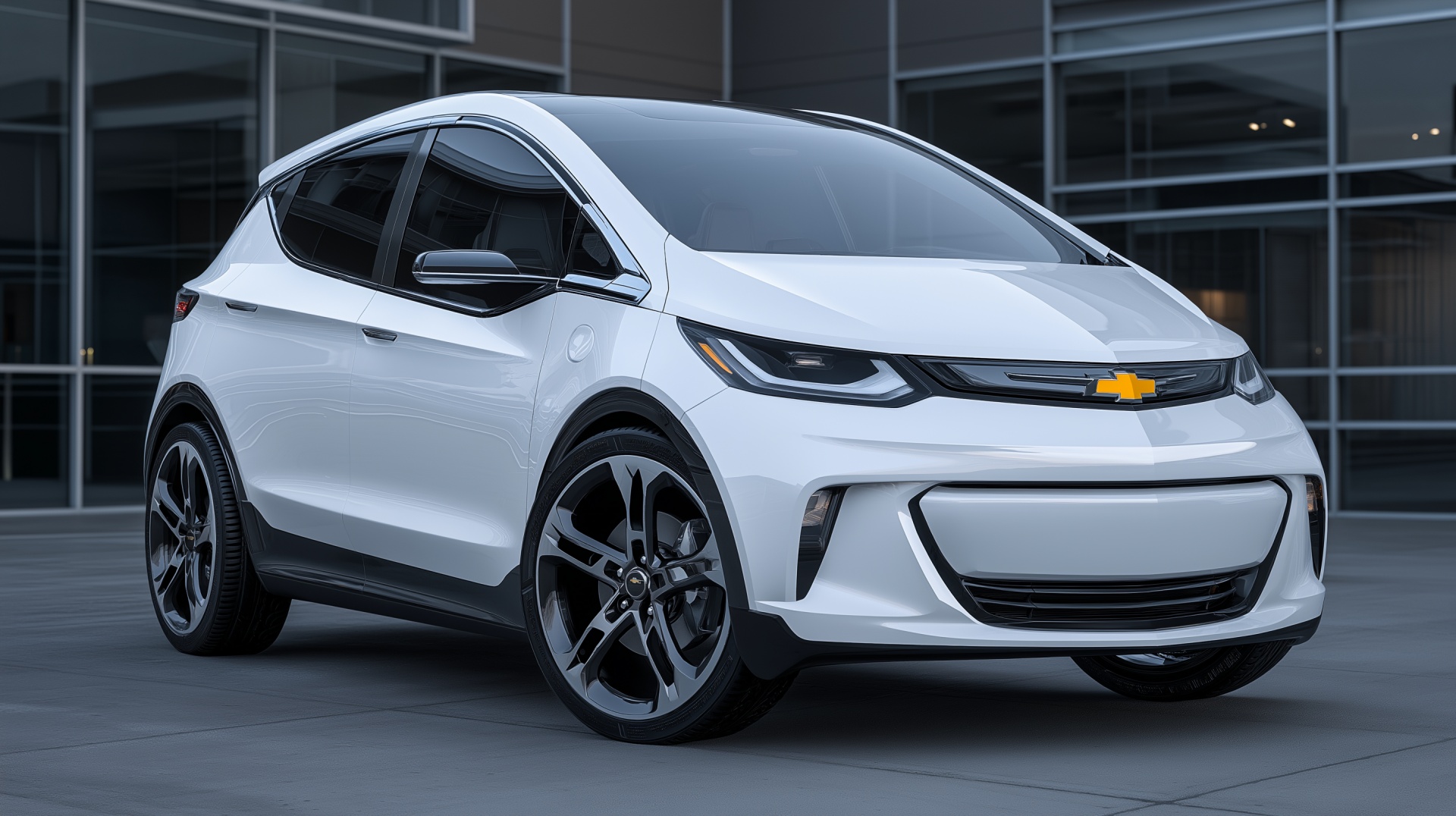
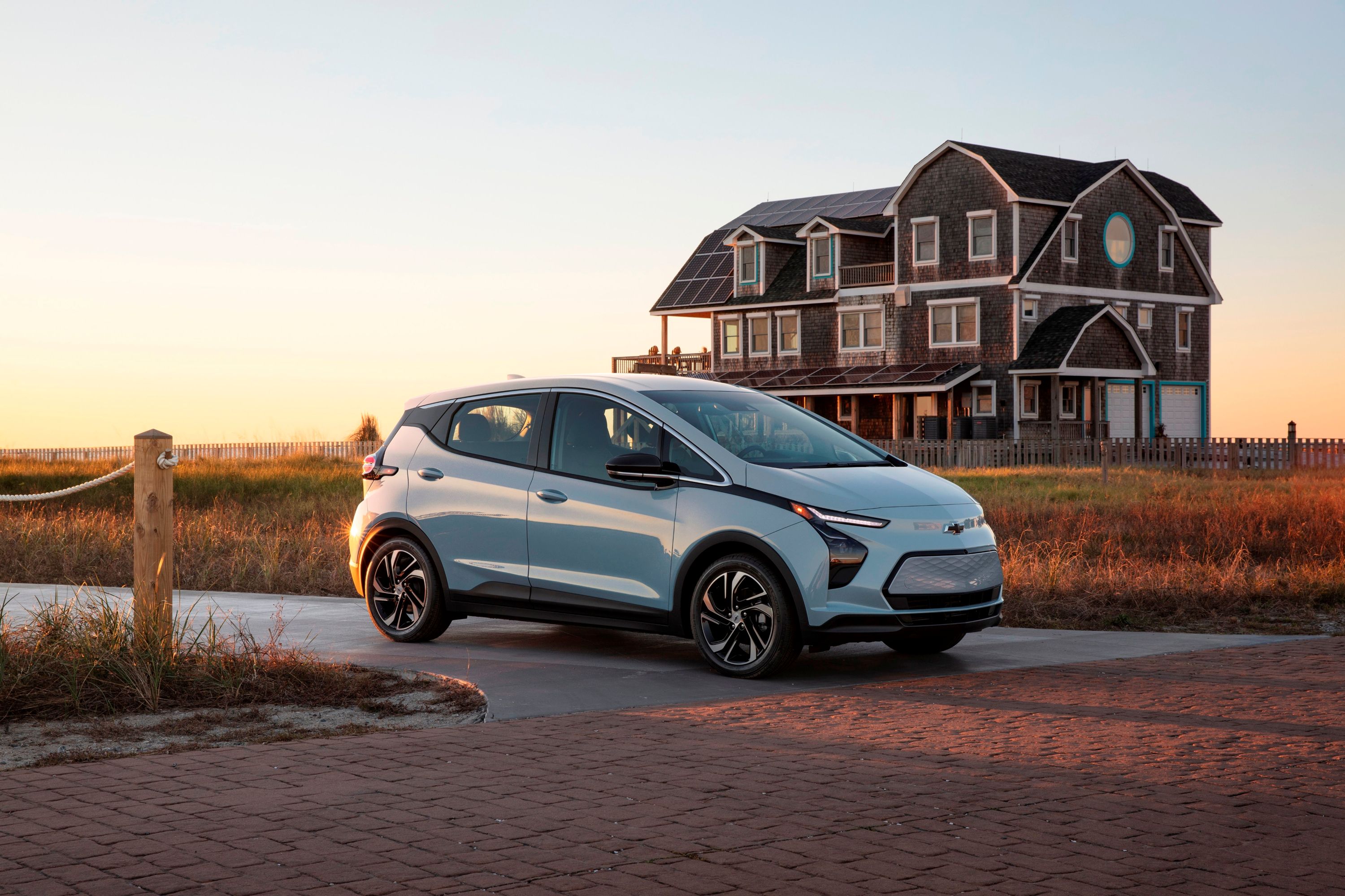
The idea of a Chevrolet Bolt EV returning to the scene carries a peculiar electricity of its own. Not because commuters crave drama, but because they recognize a rare combination when they see it: practical range for daily life, a price that doesn’t feel like a negotiation with fate, and the quiet confidence of an electric powertrain. The common observation is straightforward—people want an affordable EV. Yet the fascination runs deeper than that simple wish. It’s about how a nimble commuter car can quietly rewire expectations of ownership, commuting, and even personal budgeting. If the Bolt EV were to return, perhaps reimagined on an Ultium-based platform, it would represent more than a refreshed model line. It would feel like a recalibration of what “serious” transportation can cost.
In this narrative, the Bolt EV becomes a kind of urban myth—one with spreadsheet realism. It’s the EV that could slip into the rhythms of everyday routes: the predictable school run, the after-work detour to pick up groceries, the late drive that still ends with battery percentage to spare. And if Chevrolet has learned anything from the years that shaped modern electrification, it’s that affordability isn’t merely a price point. It’s a psychological unlock.
From “too expensive” to “finally within reach”
Affordability is often treated like a single number. But it’s more accurately a spectrum of friction. A prospective buyer doesn’t only compare MSRP. They compare incentives, charging convenience, insurance estimates, and long-term depreciation. They also compare the emotional toll of uncertainty—will this car be hard to sell later? Will it require costly repairs? Will it feel like a gamble?
The Bolt EV’s appeal has historically hinged on its ability to reduce that friction. If an updated Bolt returned—especially if it adopted a newer architecture—it could keep the core promise: a vehicle that’s not asking the buyer to surrender everything. A commuter EV doesn’t need to be a headline-grabbing showpiece. It needs to be reliable, understandable, and financially breathable.
There’s also an underappreciated social dimension. When the market has fewer affordable options, EV ownership becomes a badge worn by a subset of society. But when a car like the Bolt returns at a more accessible price, electrification stops feeling like a club and starts feeling like infrastructure for everyone.
Why the Ultium question matters for a commuter
The conversation about whether the Bolt could return on an Ultium-based foundation is more than technical fanfare. Platform strategies influence the entire ecosystem of a vehicle: manufacturing efficiencies, component commonality, and the ability to adapt to different battery configurations.
For a commuter, those factors translate into more stable pricing and more predictable availability. A platform optimized for scaling can allow engineers to refine thermal management and power delivery without continually reinventing the wheel. It can also support improvements in energy efficiency—less consumption on highways, stronger efficiency in stop-and-go traffic, and smoother torque that feels composed at city speeds.
In plain terms: if Ultium helps the Bolt maintain cost control while improving performance consistency, the outcome wouldn’t just be a “new” car. It could be a commuter that feels less like an experiment and more like a dependable appliance with a dash of futuristic charm.
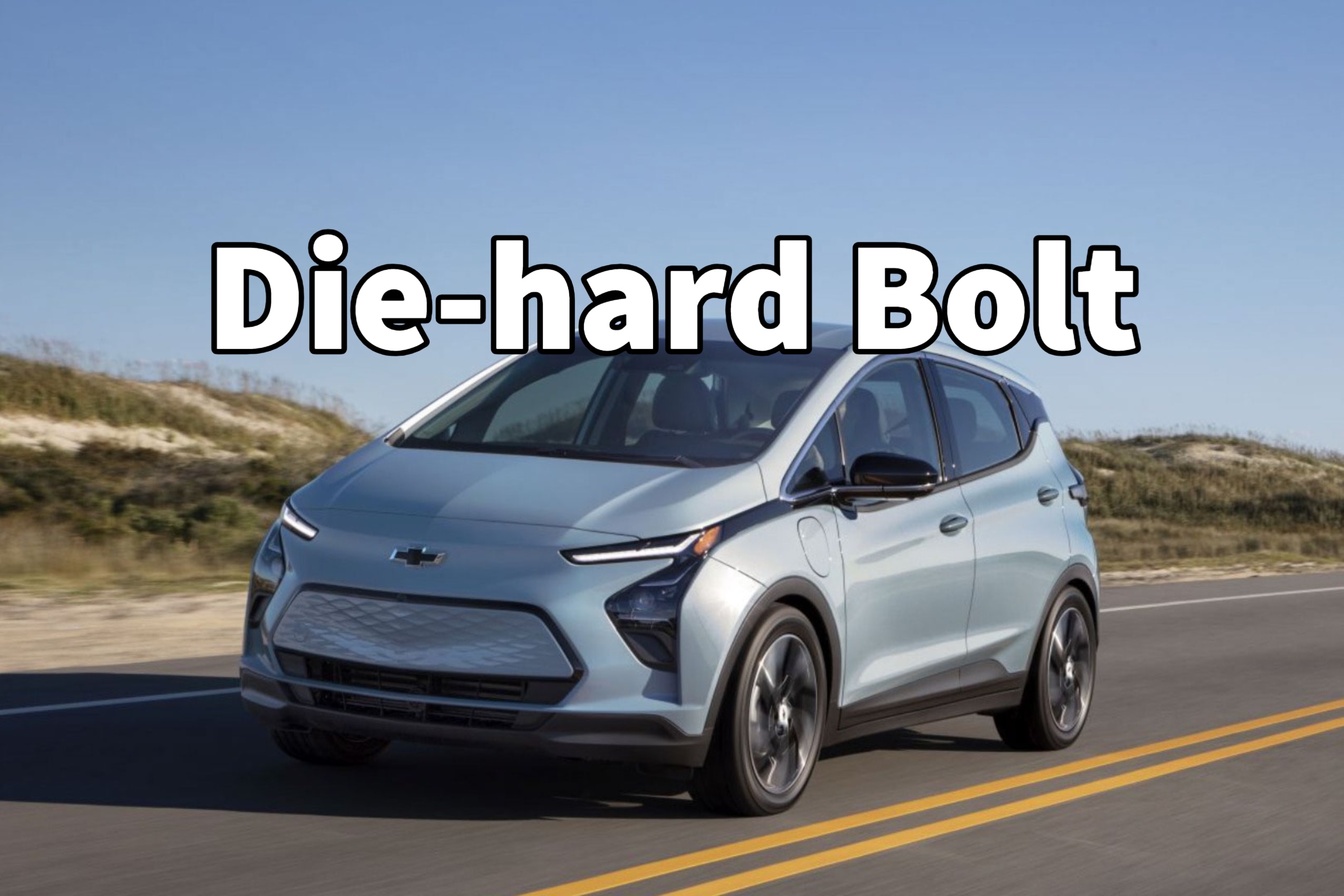
Charging in real life: the difference between theory and routine
A common complaint about EVs isn’t the existence of charging—it’s the anxiety around it. Drivers imagine empty stations, slow chargers, and the wrong kind of timing. They picture their commute turning into a logistics problem.
An affordable commuter EV, like a refreshed Bolt, has an advantage here: its usage pattern is typically more forgiving. Commuters drive predictable distances and often return to the same charging environment. That predictability can transform charging from a stressor into a background chore, similar to charging a phone—something handled almost automatically.
If Chevrolet leans into practical charging experiences—clear battery conditioning logic, user-friendly charge scheduling, and efficient energy management—the Bolt’s everyday character could become its most compelling selling point. A car that thinks ahead about battery temperature and optimizes consumption in urban conditions can feel less like it runs on electricity and more like it runs on confidence.
And confidence is contagious. Once someone has a routine, they stop hovering over battery apps. They stop “calculating” every errand. That mental release is part of the fascination.
Range isn’t just numbers; it’s permission
Range figures often become marketing poetry. Yet for commuters, range behaves like permission. It grants small freedoms: stopping for coffee without planning a return trip. Taking a detour because traffic moved. Waiting to charge until later because the day didn’t expand unexpectedly.
Even if a returning Bolt offers modestly improved range compared with older generations, the real gain could be how consistently it delivers that range under everyday conditions. Real life includes hills, weather swings, and the stop-and-go rhythm of traffic lights. A commuter EV’s true talent is its ability to remain predictable when the day gets slightly chaotic.
Deeper fascination lies here: people are drawn to technologies that reduce the feeling of being trapped by arithmetic. An efficient, well-managed EV can make the drive feel like it belongs to the driver again.
Cost of ownership: where hidden savings accumulate
Affordability doesn’t end at purchase price. It begins the moment the odometer starts climbing.
Electric drivetrains generally bring lower maintenance burdens: fewer moving parts, less routine mechanical wear, and simplified systems. Regenerative braking can reduce brake wear, turning routine driving into a kind of gentle efficiency cycle. Over time, those small savings accumulate, creating an ownership story that doesn’t require the buyer to constantly brace for surprises.
Insurance costs, tire wear, and energy pricing all matter too. A returning Bolt, if positioned carefully, could balance performance and efficiency to keep tires lasting longer and energy consumption in check. The best commuter EVs feel like they are quietly negotiating costs on the driver’s behalf.
That negotiation is the deeper reason fascination persists. It’s not merely that EVs are modern. It’s that they can be emotionally economical—reducing uncertainty, smoothing expenses, and making everyday life feel more controllable.
Design and usability: small ergonomics, big loyalty
The Bolt has often been praised not for theatrical styling, but for practical packaging. A commuter doesn’t want to wrestle with clutter. The cabin should feel legible at a glance. Controls should be intuitive. Storage should be useful—enough for charging cables, gym gear, and last-minute purchases.
If a new iteration arrives, it could benefit from refinements in driver-assistance features and infotainment responsiveness. Yet the most important upgrades might be the quiet ones: improved seat comfort for longer commutes, better visibility, and refined cabin quietness that makes traffic feel less exhausting.
There’s also the matter of charging cable management. A commuter EV wins hearts through mundane details—how neatly the charging cable stores, how accessible the port is, and how quickly the car integrates with a driver’s routine.
Common observation, deeper reason: EVs as a lifestyle bridge
People say, “I want an affordable EV.” That’s true. But it’s also incomplete. Many buyers aren’t only purchasing a car; they’re purchasing a transition. They’re moving from gasoline dependency to something cleaner, calmer, and—if they’re lucky—simpler.
A commuter-friendly EV like the Bolt could function as a lifestyle bridge. It offers a starting point for electrification without forcing an owner into the steepest learning curve. It’s accessible enough to be tried without risk aversion, and familiar enough to be used without hesitation.
That’s why fascination endures. Affordable EVs don’t just sell vehicles. They lower psychological barriers. They turn curiosity into habits. They make the future feel proximate rather than distant.
What a returning Bolt would need to get right
If Chevrolet pursues a Bolt return—especially with an Ultium-based direction—the stakes aren’t just about specifications. They’re about trust, consistency, and clarity. A commuter car should feel dependable from day one. That includes battery confidence, straightforward software behavior, responsive service pathways, and transparent owner guidance.
It also needs to handle the modern expectation of connectivity: reliable app functionality, useful route planning, and charging compatibility that doesn’t require technical competence. A returning Bolt should be easy to live with, not merely impressive on paper.
And finally, the product must align with its audience. A commuter EV should feel tailored to daily routes, not to performative road tests. The best features are often the least glamorous ones: efficient energy use, predictable thermal management, and a cabin that remains comfortable through ordinary seasons.
Outro: a small car with the power to change routines
A Chevrolet Bolt EV—if it returns as an affordable commuter on a more scalable platform—would likely be remembered for something quietly profound: it would make electrification feel like a practical choice rather than a costly leap. The headline would be affordability. But the lasting impression would be routine transformation. The car would slip into schedules, reduce anxiety, and create a sense of permission to drive without constantly doing mental accounting.
In the end, that’s what makes the Bolt idea so compelling. It isn’t merely nostalgia. It’s a belief that the future should be usable—one commute at a time.