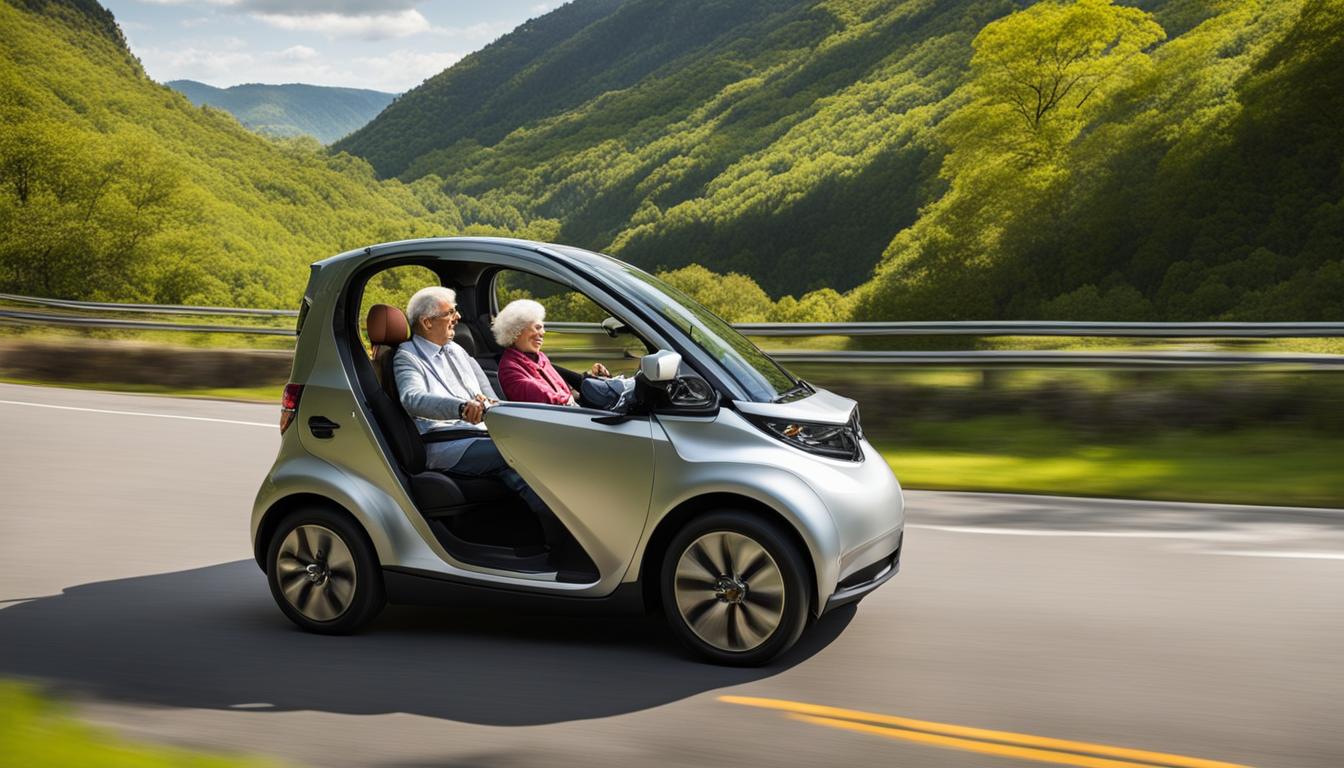
Choosing the right electric vehicle in 2025 is less about chasing the fastest headline range and more about fitting real life—especially when comfort, confidence, and accessibility matter. For many seniors, the best EVs are the ones that make every daily ritual feel effortless: easing into the driver’s seat, turning the wheel with calm precision, reading the dashboard at a glance, and driving without constant mental arithmetic. In this guide, the spotlight stays on easy entry and simple controls, while still considering safety, charging practicality, and day-to-day usability.
Expect an article that feels like a thoughtful walk-through rather than a checklist you’d rather ignore. You’ll see how design choices translate into tangible benefits, what kinds of features to prioritize, and what “simple controls” actually means when your hands, eyes, and attention are the center of gravity.
What “Easy Entry” Really Means for Seniors
Easy entry is not a vague promise. It’s a collection of measurable design decisions that reduce strain on hips, knees, and balance. Look for a vehicle stance that keeps the threshold low, doors that open wide, and seats that adjust smoothly—preferably with intuitive controls that do not require a manual wrestling match. A well-positioned seat lowers the vertical leap from ground to cushion, while a generous door opening makes boarding feel less like a contortion exercise.
Beyond the obvious, pay attention to cabin geometry. A clear path from door to seat—without awkward pillars, narrow door angles, or seats that sit too far forward—can make a surprising difference. Some EVs in 2025 feature steps or smart door geometry that subtly guides your movement, creating a more stable entry. The goal is to remove friction from the process, so the first action each drive—getting in—feels familiar and safe.

The Quiet Power of “Simple Controls”
Simple controls are about clarity and predictability. In practice, that means controls are placed logically, labels are readable, and frequently used functions are reachable without a long stretch. For many seniors, the best EV experience comes from fewer layers of menus. If something is essential—drive mode, climate, defrost, volume—it should be accessible in one or two steps, not buried behind a scrolling labyrinth.
In 2025, many EVs offer user interfaces that can be customized. That’s helpful: fewer on-screen distractions can reduce cognitive load. Consider vehicles that support larger fonts, high-contrast displays, and physical buttons for key functions like defrost and hazard lights. Physical ergonomics matter, too. A steering wheel that feels natural to grasp, climate vents that do not require awkward twisting, and a center console layout that prevents accidental taps all contribute to “simple.”
Also consider assistive driving settings that are easy to understand. If you plan to use lane guidance or adaptive cruise, the activation should be straightforward, and the system’s behavior should be calm rather than jittery. A predictable assist feature can reduce fatigue over longer drives.
SUVs and Crossovers: The Senior-Friendly EV Sweet Spot
For many seniors, a crossover or compact SUV style strikes a balance between confidence and comfort. Taller ground clearance helps with entry and exit, and the upright seating position supports posture. Many 2025 EV crossovers also emphasize visibility—an underappreciated benefit when judging distance, merging, or parking in tight areas.
When you evaluate SUV-style EVs, look for a supportive seat cushion with moderate firmness and adjustable lumbar support. Smooth seat travel is a quiet luxury. You want it to move without hesitation and to lock securely in place. Additionally, check how the mirrors feel from the driver’s seat. A vehicle that offers clear mirror geometry can lessen the need for frequent head turning.
Parking aids deserve attention here. A crisp rear camera, wide-angle options, and reliable object detection make the difference between “I’m careful” and “I’m confident.” Some models also include parking sensors with distinct audible patterns, which can be easier to interpret than vague visual cues.

Comfort-Focused Sedans: Smooth Ride, Straightforward Driving
Sedans often excel at gentle handling and quieter cabins. If your typical route is mostly city streets or routine weekday errands, a sedan EV can deliver a refined experience with less body motion. Easy entry can still be achieved, but it often depends on seat height and door opening design. Some 2025 sedans feature lower floor levels and well-shaped seat bases, helping reduce the step-up challenge.
Consider how the dashboard is oriented. A calm, driver-centric layout reduces the mental chore of searching. When controls are evenly spaced and the steering wheel feels centered, driving becomes less of a task and more of a routine. If the model includes a driver profile system, you can store seat position and mirror angles. That means fewer adjustments each time you get in, and a faster path to “ready to go.”
Visibility is still crucial. Look for thin A-pillars, strong windshield wiper effectiveness, and a rear seat view that doesn’t obscure your awareness during backing. A practical sedan can be exceptionally senior-friendly when it prioritizes sight lines and intuitive infotainment.
Micro-EVs and Compact City Models: When Life Is Nearby
Not every senior wants long-range highway confidence. Some prefer shorter trips: pharmacy runs, visits to friends, and easy errands where the “maximum” matters less than the “effort.” Compact EVs and micro-EVs can make a compelling case for daily simplicity, especially if they offer approachable controls and supportive seating.
These vehicles often emphasize easy maneuvering. Tight turning circles can help with driveway navigation and parking lots. Also, smaller EVs tend to require less steering effort and fewer complex sightline calculations. If you do mostly neighborhood driving, compact size can translate into peace of mind.
That said, check how the cabin feels when you enter—door width and seat height remain the deciding factors. Look for a stable seating position, well-placed handholds, and controls that do not demand excessive reach. Comfort is not negotiable, even in smaller packages.
Charging at Home: Simplicity That Matches Real Schedules
Charging practicality can determine whether an EV feels welcoming or cumbersome. Ideally, the easiest setup is charging at home with a straightforward routine. In 2025, many homes can support simpler charging with minimal disruption—especially when you have space near the garage or parking pad.
Ask how the vehicle handles battery management. Some EVs allow straightforward charge scheduling and show clear charging status in an easy-to-read format. The best systems provide understandable prompts rather than overwhelming technical language. A calm display that says, “Ready by 7:00 AM” can be more useful than a chart full of abbreviations.
Also consider charging cable management. A neatly stored cable, a well-designed port location, and a clear “how to connect” indicator reduce friction. For seniors, consistency matters: the fewer surprises during each charging session, the smoother the routine becomes.

Safety Features That Support Confidence, Not Complexity
Safety is more than alarms. It’s about reducing surprise and preventing escalation from small moments. For seniors, advanced driver assistance should feel supportive and gentle. Look for vehicles with robust forward collision warning, dependable automatic emergency braking, and a lane system that doesn’t aggressively steer.
Blind-spot monitoring should be clear and consistent. A vehicle that communicates detection with a noticeable light and predictable behavior can reduce the stress of shoulder checks. If you use cruise assistance, confirm that it maintains comfortable spacing and provides easy activation and cancellation.
Additionally, consider the vehicle’s emergency response approach. Clear displays during alerts, accessible hazard controls, and straightforward system resets can matter when something unexpected happens. The best safety features are the ones you notice only because they work quietly in the background.
Choosing the Right EV: A Practical Evaluation Checklist
When you’re narrowing choices, try a structured approach that respects real-world constraints. Start with entry and seating. Visit the vehicle in person, sit down, and evaluate how the seat rises and supports your back. Test door opening range and check how your legs move from step to seat. Next, assess control reach. Can you adjust climate and audio without stretching? Are frequently used controls located where your hand naturally goes?
Then evaluate visibility. Do you see clearly in mirrors? Can you interpret the rear camera quickly? Finally, consider the interface. Attempt basic tasks: set navigation, adjust temperature, activate defrost, and change driving settings. If these actions feel like a puzzle, the vehicle may not be the right match.
Schedule a short test drive that includes low-speed turns, a few merges, and a parking simulation. The goal is not to impress with performance—it’s to confirm comfort and predictability.
Making 2025 EVs Feel Like Home
An EV’s best attribute for seniors is emotional ease. When the vehicle is intuitive, the drive becomes calmer. The seat position stays familiar. The controls feel consistent. The dashboard does not overwhelm. Charging fits into daily routines without drama. And safety features serve as a steady safety net rather than a source of confusion.
In 2025, the market offers more choices than ever, including models designed around usability, readability, and low-stress driving. When you prioritize easy entry and simple controls, you’re not settling—you’re selecting a vehicle that respects how you live.
Final Thoughts: Comfort-First EVs Are the Best EVs
The best 2025 EVs for seniors are the ones that remove friction from everyday life. Easy entry protects comfort and balance. Simple controls lower cognitive load and keep you focused on the road. When charging is straightforward and safety systems are predictable, confidence grows naturally.
Choose a vehicle that feels stable from the moment you open the door. If it supports your routine without demanding extra effort, it’s not just a modern car—it’s a dependable companion for the journeys that matter most.