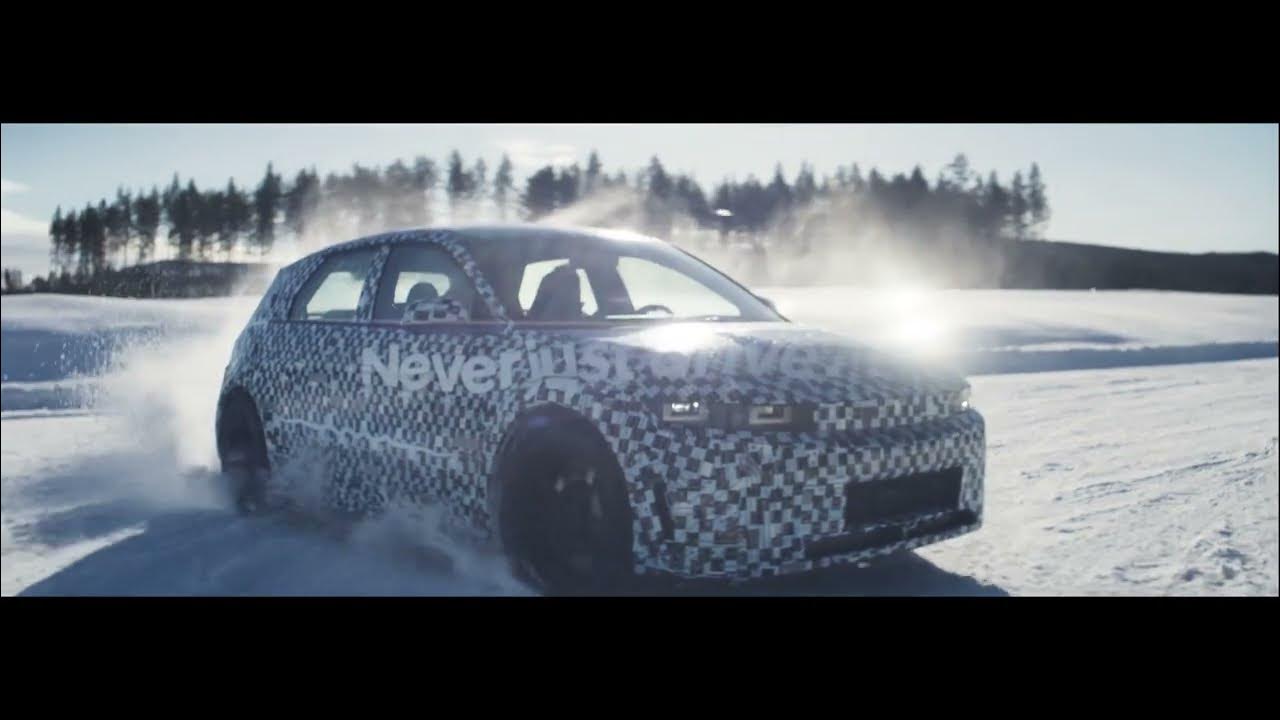
Vermont in winter has a way of turning even the most optimistic plans into a meticulous exercise in arithmetic. The road surface alternates between powder and slush, visibility narrows to a thin ribbon of clarity, and the air itself seems to drain warmth from battery cells. It’s in this kind of atmosphere that an EV’s winter range stops being a marketing promise and becomes a lived, measurable reality. In a full-bore Vermont snowstorm scenario, the Hyundai Ioniq 5 winter range test becomes more than a number on a chart—it’s a narrative about energy, traction, and the delicate choreography between heat management and forward motion.
Below, you’ll find what readers can expect from a comprehensive look at winter range performance: the environmental conditions, the thermodynamic penalties that arrive uninvited, the testing methodology implied by real-world behavior, and the practical takeaways that help you plan the next charge before you’re forced into improvisation.
The Vermont Snowstorm Setting: Where Winter Range Goes to Be Tested
Winter range is never tested in a vacuum. Vermont’s snowstorm conditions introduce a triad of energy demands: cold-soaked batteries, increased aerodynamic drag from dense air and partial snow buildup, and rolling resistance from tires working against compacted snow. Even before you turn the steering wheel, the vehicle begins its quiet negotiation with entropy.
Imagine the scene: layered drifts along the shoulder, intermittent gusts that smear flurries across the windshield, and a route that mixes short bursts of acceleration with long, slow stretches through town. In such conditions, range varies not just by distance, but by driving intent—whether you cruise gently to conserve, or modulate throttle aggressively to maintain speed over uneven traction.
Expect a discussion of how these variables translate into range. In a winter snowstorm, small changes become outsized. The difference between 55 mph and 65 mph is not simply fuel economy—it’s battery discharge behavior under higher load, plus extra demand for cabin climate control to counteract rapid heat loss.
Energy Losses in Cold Weather: The Invisible Tax on Every Mile
In mild climates, battery performance behaves in a predictable, almost civil manner. In freezing weather, it becomes less cooperative. Cold temperatures reduce the electrochemical efficiency of the cells, which can temporarily limit power delivery and raise internal resistance. That means more energy is consumed just to produce the same wheel output.
Then there’s the climate system. Cabin heating draws meaningful power, but it isn’t always an equal culprit. Modern EVs can use heat pumps and smarter thermal management strategies, yet winter severity still presses hard on total consumption. If the snowstorm brings wet surfaces and frequent defrost cycles, energy usage can spike in short bursts—bursts that feel brief on the drive, but add up quickly in the logbook of performance.
Readers should expect a breakdown of these “invisible” losses and how they typically express themselves as range compression. Instead of focusing solely on average consumption, the narrative should examine peak draw events: windshield defrosting, seat heating, and throttle demand during hill climbs or plowed but uneven sections.
All-Wheel Drive and Traction Management: Power Delivered Without Power Waste
Snow and ice don’t forgive indecision. In Vermont, traction is not a static condition; it changes every hundred feet. That is where all-wheel drive systems can be both a boon and a variable. By distributing torque, AWD can enhance stability and reduce wheelspin. However, torque distribution is not free. Extra drivetrain activity can contribute to higher energy use compared with purely efficiency-optimized setups.
In an Ioniq 5 winter range test, the AWD strategy matters. Aggressive traction control can create short, repeated corrections—micro-events that tug at energy reserves. Conversely, well-calibrated traction management can keep the vehicle moving smoothly through low-grip conditions, potentially improving overall efficiency by minimizing wheelspin losses.
Expect content that connects driving feel to energy economics: how the vehicle behaves under throttle in low traction, how often the system intervenes, and how that intervention pattern correlates with consumption.
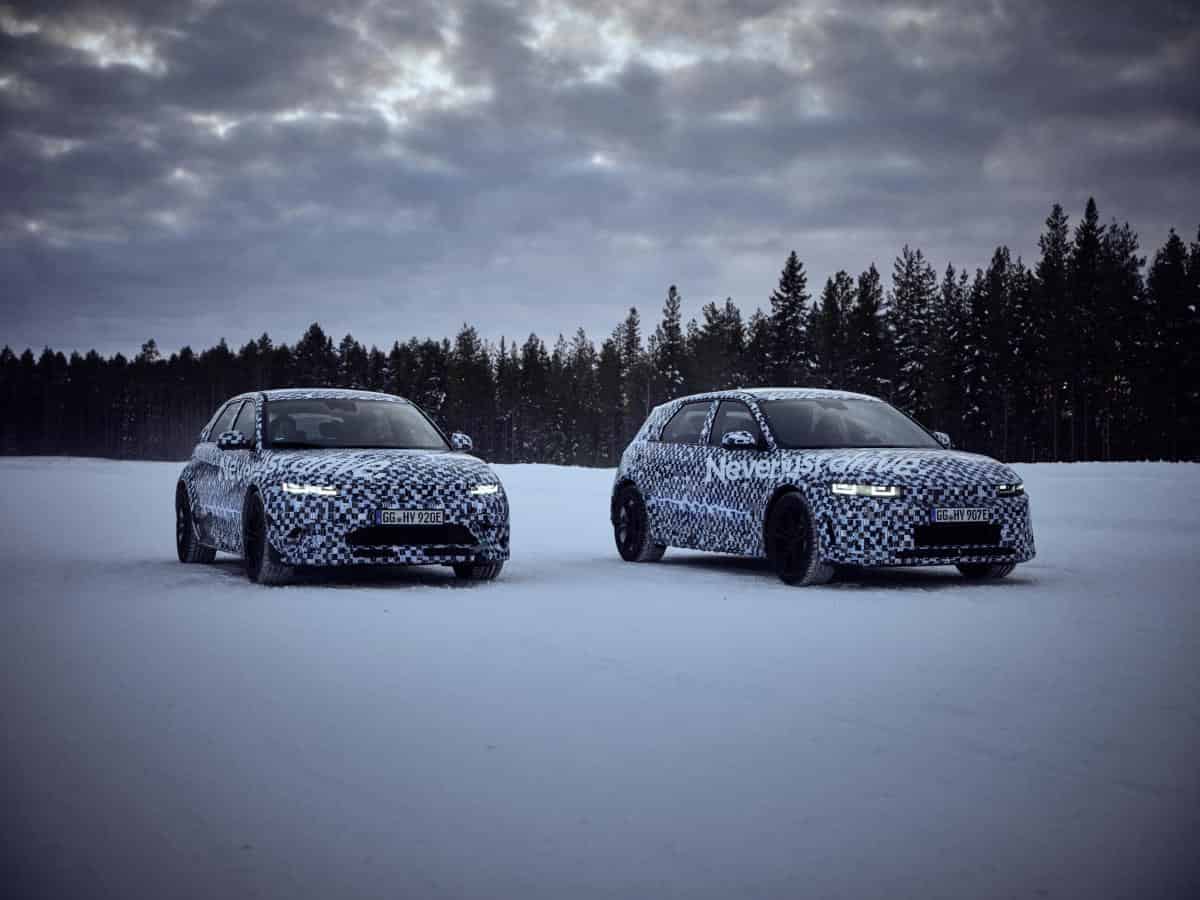
Testing Approach: From Controlled Runs to Real-World Route Complexity
A winter range test becomes most trustworthy when it balances control with realism. Fully controlled loops can establish baseline behavior, but they often miss the behavioral chaos of a snowstorm—detours, traffic slowdowns, and the inevitable need to adjust speed for visibility. A real Vermont snowstorm route introduces that complexity.
Readers can expect a methodical narrative that describes likely test structure: preconditioning or not, time spent warming the cabin, the average speed targets, and the ratio of highway to slower urban segments. Even the temperature history across the day changes results. Morning cold can be harsher than late-afternoon conditions, and snow intensity can alter rolling resistance between legs of the drive.
Rather than presenting range as a single static figure, an extensive outline should cover how range evolves during the drive as the battery warms modestly and the vehicle learns thermal stability. A good winter report addresses “cold start” penalties and how consumption typically normalizes later—though not entirely to summer levels.
Projected Range vs. Actual Range: Why the Gap Matters
Most EV drivers recognize the phrase “estimated range,” but winter exposes why estimation can wobble. Factors like navigation-assisted driving, preconditioning habits, and the climate system’s runtime can create a meaningful divergence between projected and observed range.
Expect careful attention to what changes the most: temperature, speed, and cabin heating settings. If a driver keeps defrost running steadily, the energy cost becomes continuous rather than intermittent. If a driver reduces cabin demand—lower fan speeds, targeted heating, or smarter use of heated seats—the range can improve even if driving speed remains constant.
This section should also emphasize planning behavior. In winter, the best range strategy is not the most aggressive. It’s the one that includes buffer. The snowstorm doesn’t care about optimism. A practical winter plan assumes you may need to drive slower than intended, warm up longer, or divert to a nearby charger rather than the “perfect” one on paper.
Driving Dynamics in Snow: Steering, Braking, and the Thermal Feedback Loop
Range isn’t only about power consumption. It’s also about how the driver interacts with traction and how the vehicle manages stability systems while managing heat. In snow, braking events can be frequent and uncertain. Regen braking might be limited if the battery is too cold to accept high charge rates, which can influence net energy recovery.
This is where narrative content can feel unusually human. The sensation of braking distance changes. The driver becomes more deliberate, more anticipatory. Shorter acceleration pulses can reduce wheelspin. Smoother throttle application reduces traction corrections. In turn, those traction corrections and stability interventions influence how much energy is wasted in the drivetrain.
In an Ioniq 5 winter range test, expect a section that connects those sensations to the measurable: smoother control often reduces “energy entropy,” while frequent disruptions can multiply consumption.
Charging Strategy: How to Avoid Range Anxiety During a Snowstorm
Winter range isn’t just about getting there. It’s about managing the charging timeline when the weather is actively conspiring against you. In Vermont snowstorms, charger availability can be limited by ice, blocked access, or the simple reality that more drivers are charging at once.
Readers should expect guidance on charger selection, arrival planning, and the benefits of charging earlier rather than later. Also essential is the concept of battery conditioning for optimal charging performance. A battery that arrives cold may accept charge more slowly, turning what should be a quick top-up into a longer stop that interrupts the entire route rhythm.
There’s also a psychological dimension. A driver who knows a preplanned charging cadence is less likely to push the final segment too hard. That mental clarity can matter as much as tire choice or climate settings.
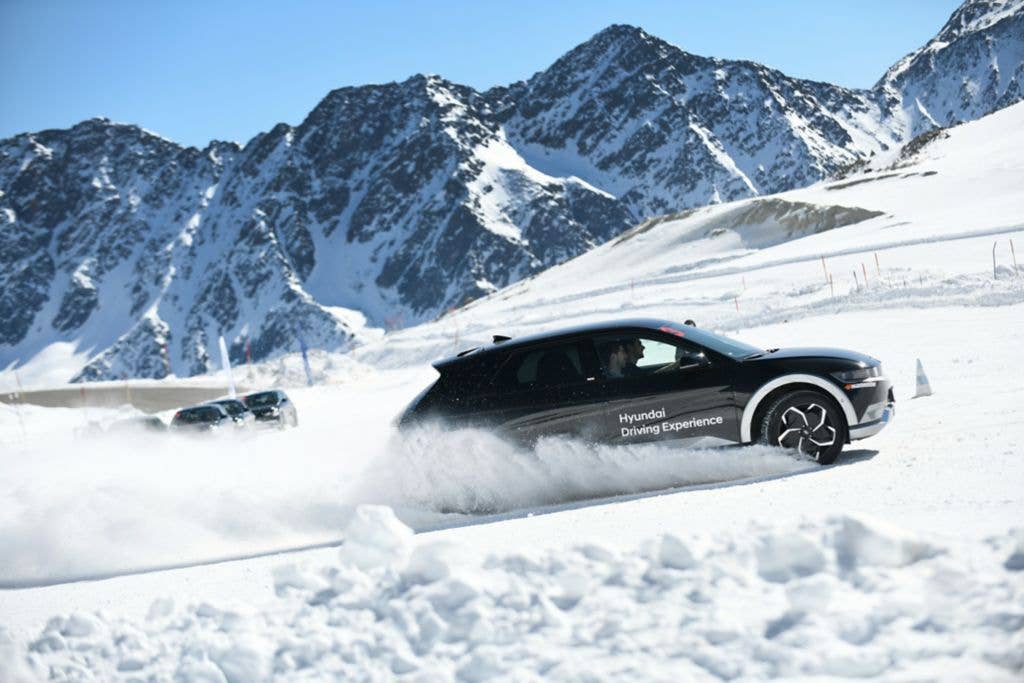
What Tires, Speed, and Cabin Settings Change the Most
If there’s a single section that turns a winter report into actionable intelligence, it’s this one. Tires are the contact patch between physics and reality. In snow, tire composition and tread pattern determine how much energy goes into forward motion versus wheelspin and deformation.
Speed is another lever. Higher speed increases aerodynamic drag, but in snowstorms it also changes how often you must correct steering and adjust throttle. That leads to additional consumption. Cabin settings—temperature targets, seat heating usage, and defrost intensity—can shift range more dramatically than many drivers expect, particularly when conditions involve wet snow that fogs windows repeatedly.
Expect content that turns variables into priorities. For example: if you can change only one thing, it might be tire readiness or speed discipline. If you can change two, you add climate optimization. If you can change three, you refine charging timing and route selection.
Key Takeaways: Turning a Vermont Trial into a Winter Playbook
By the end of a Hyundai Ioniq 5 winter range test in Vermont snowstorm conditions, the point is not to crown a single number. The point is to understand the shape of the outcome. Range contracts in cold weather because energy is pulled away from mobility into battery chemistry limitations and cabin comfort demands. AWD contributes traction confidence but can increase energy draw depending on intervention frequency and driving style.
The most useful outcome is a playbook: prepare the vehicle thoughtfully, drive with speed discipline, manage climate use intelligently, and charge earlier than your nerves suggest. Winter range is less about precision and more about resilience. When conditions deteriorate, the driver who plans buffers and adjusts calmly arrives with the most margin—not only in battery percentage, but in composure.
Outro: The Real Value of Winter Range Testing
Winter testing in Vermont is a harsh teacher, but it’s also a clarifying one. It turns abstract expectations into practical knowledge: how quickly energy is spent, what activities accelerate consumption, and how to adapt without panic. The Hyundai Ioniq 5 winter range test—carried out in snowstorm reality—offers something that specs alone cannot: a narrative map from cold start to charging stop, from traction control moments to the steady return of manageable efficiency.
When the snow begins to fall and the roads feel unfamiliar, the best range insight is the one you can trust under pressure. That’s where this kind of winter evaluation earns its credibility—by meeting the storm where it is, and telling the truth about what it costs to move through it.