There’s a particular moment when a driver stops thinking about specifications and starts listening to the car. The steering feels less like a mechanical link and more like a conversation. The throttle doesn’t simply respond—it anticipates. This is the promise of the Acura TLX Type S Performance, a trim that dares to shift your perspective on what “premium” really means. Not just comfort. Not just refinement. But intent—engineered with enough confidence to make you question whether you ever needed more.
In a world where performance often arrives as noise and theatrics, the Type S arrives with composure. It moves with a quietly forceful inevitability, as if it already knows where the road is going before you do. And once you notice that, the ordinary limitations of everyday driving begin to feel… optional.
First Impressions: The Kind of Presence That Doesn’t Beg for Attention
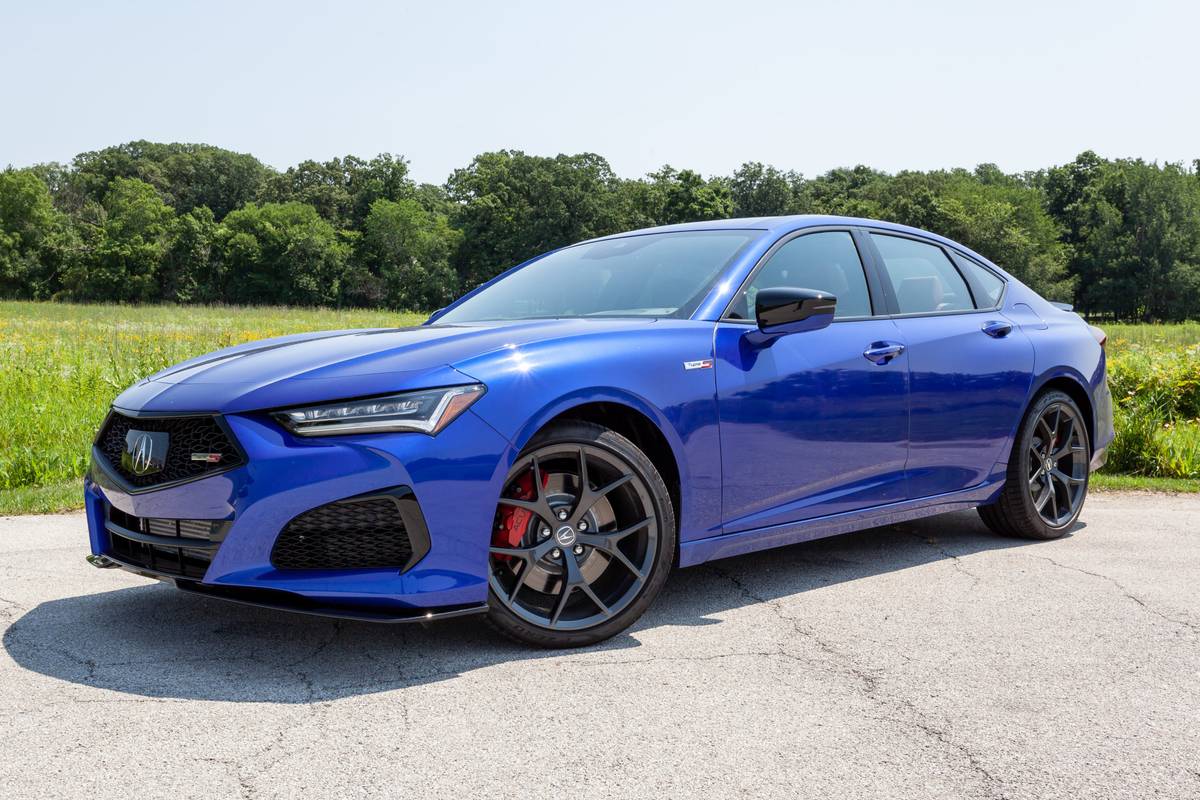
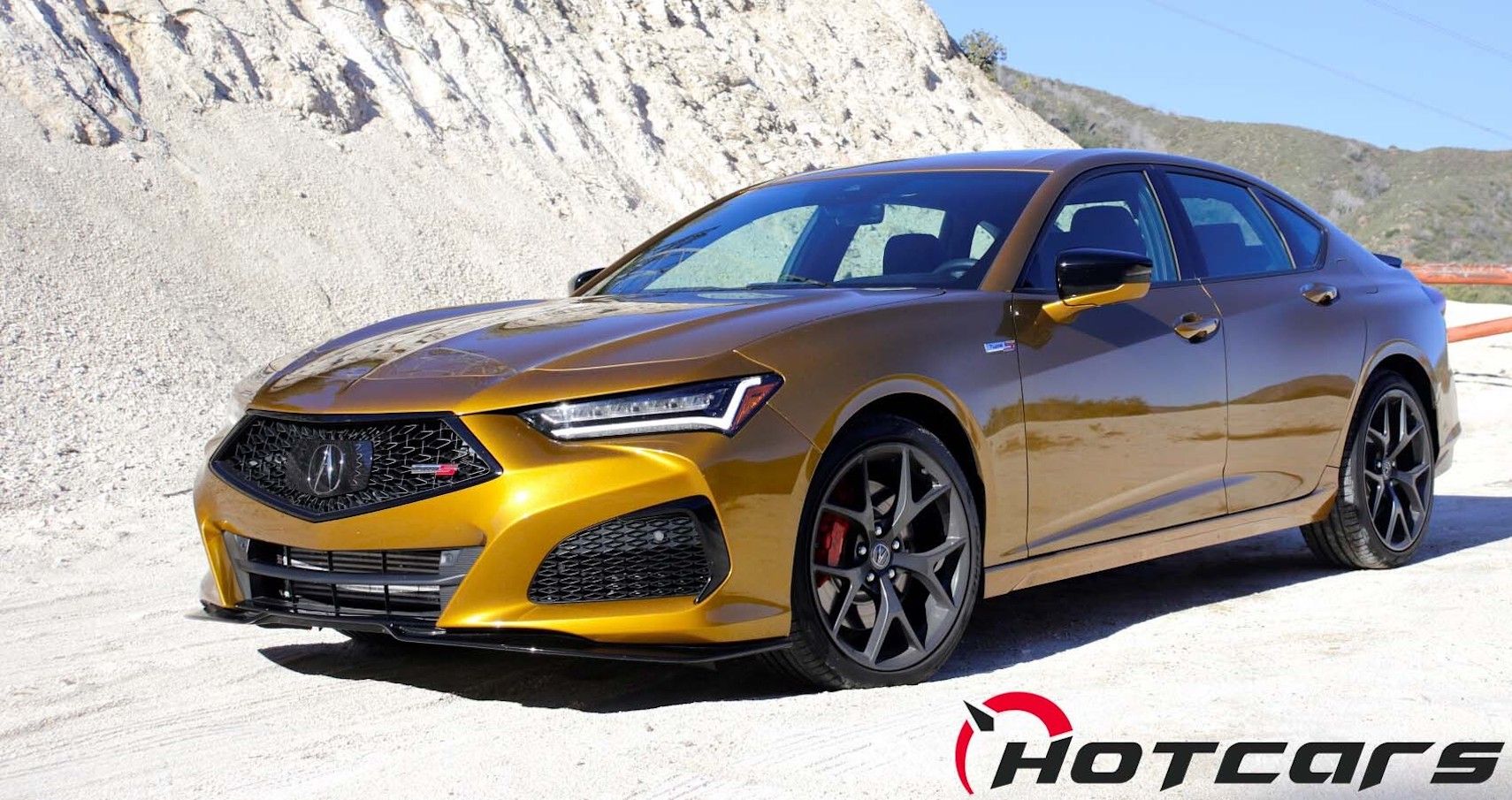
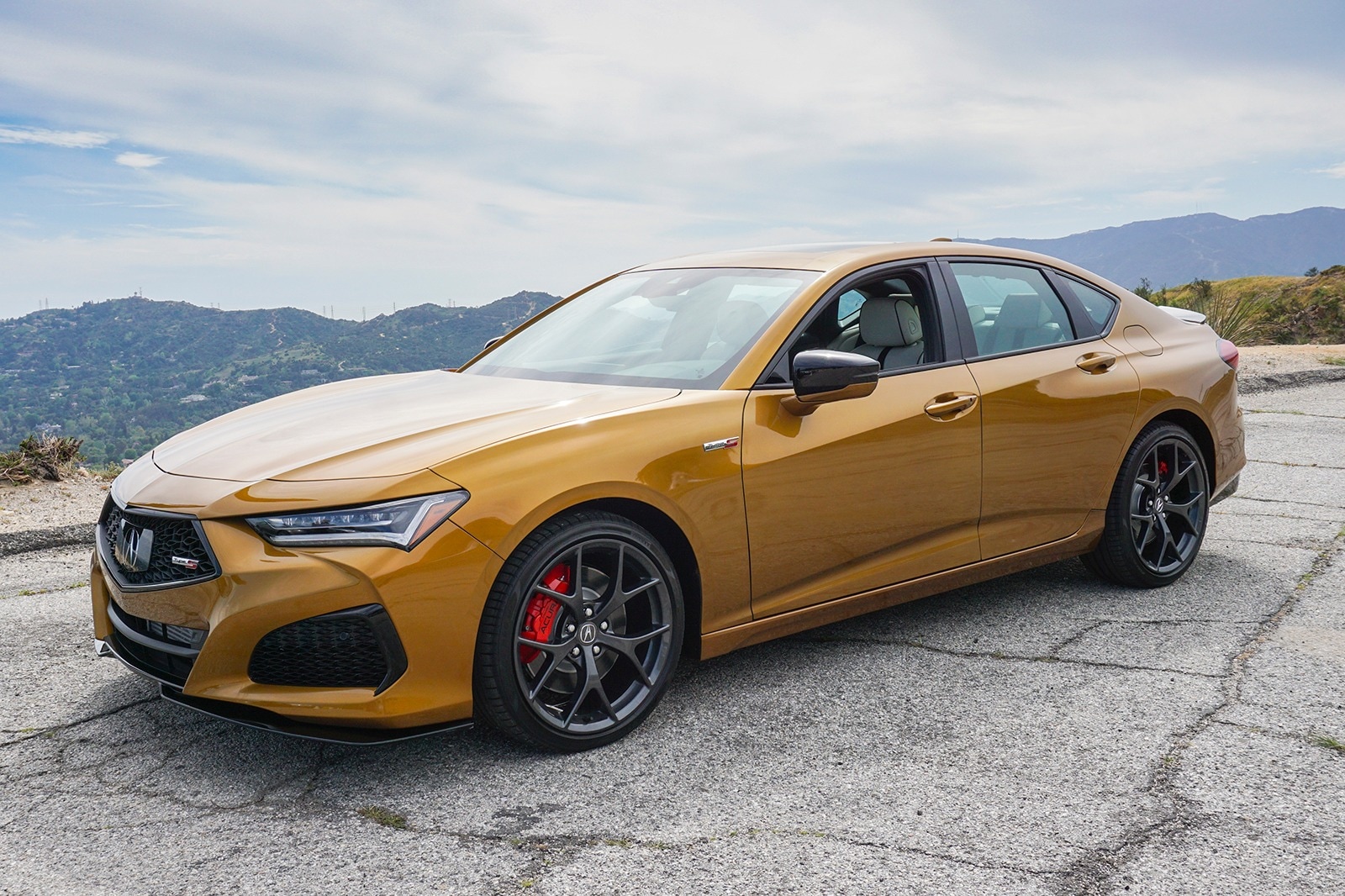
At a glance, the TLX Type S looks sharpened, not exaggerated. The design language carries a sense of purpose—edges that feel carved rather than styled. It’s the kind of presence that grows on you after the second or third look, like a well-composed sentence that reveals additional meaning the longer you read it.
One detail that matters isn’t the graphic boldness, but the stance. The car appears planted, as though it’s already bracing for acceleration. That visual stability becomes a psychological cue: your brain expects motion, and the Type S delivers it with less drama than you’d expect—yet with more conviction than you might anticipate.
Powertrain Character: Performance That Feels Deliberate
The Type S performance philosophy is not about brute force alone; it’s about how that force is delivered. It’s the difference between a sprint and a surge that stays controllable. Press the accelerator and the response arrives quickly, but what stands out is the way it builds—smooth enough for everyday traffic, assertive enough to make lane changes feel like an intentional choice rather than a gamble.
The engine note carries a subtle authority, never drowning out the cabin’s calm. That’s an underrated form of luxury: power without chaos. You feel momentum in your shoulders before you feel it in your speedometer. It’s a sensation of kinetic readiness, as if the car is always one degree ahead of your input.
And then there’s the transmission behavior—geared toward making performance feel cohesive. Shifts aren’t merely transitions; they’re punctuation marks, crisp enough to inspire confidence and timed well enough to keep your rhythm intact. The car doesn’t ask you to slow down so it can think. Instead, it helps you think faster.
Handling Dynamics: The Road Becomes a Dialogue
Where many sedans “manage” driving, the TLX Type S participates in it. The steering communicates with tactile detail. You don’t just hold the wheel; you interpret it. Small corrections feel meaningful, not diluted. The chassis seems to understand your intent—whether you’re carving a corner or simply changing lanes with casual purpose.
Grip feels planted and predictable. That matters because performance without predictability can be exciting for exactly one drive. This kind of composure stretches the experience across multiple scenarios—wet pavement, brisk merges, or long highway runs where fatigue tries to creep in.
In the twist of a ramp, the car holds its line with a disciplined calm. In the straightaway, it feels eager but not frantic. It’s the rare combination of enthusiasm and restraint.
Braking and Stability: Confidence in the Moments That Count
Performance isn’t only acceleration; it’s also deceleration, the art of stopping with intention. The Type S brakes inspire trust through consistency. Firm pedal feel arrives without the vague theater that some cars rely on. The stopping power feels engineered rather than improvised.
Stability systems, meanwhile, don’t erase the driving experience—they refine it. When you approach the limit, the car behaves with a measured authority, guiding traction rather than simply cutting power. That’s the kind of calibration that lets you stay present. It makes you braver, but not reckless.
Curiosity grows here, too. You start to wonder: if the car’s composure is this strong under stress, what does it feel like when the road gets more interesting?
Interior Experience: A Cabin That Feels Tuned, Not Decorated
Step inside and the Type S shifts the mood from exterior intensity to interior clarity. Materials feel purposeful, and the layout supports focus. The driver doesn’t need to search for controls. The ergonomics feel less like design and more like choreography.
There’s a subtle sense of performance readiness in the cabin. Even when you’re not driving aggressively, the environment suggests that the car is built for moments when you might choose to. The seats feel supportive rather than merely comfortable, holding you in place during sharper maneuvers. It’s a functional luxury—attention to the driver’s body as much as the driver’s perception.
Technology and Infotainment: Distraction-Free Power
Modern performance can be undermined by tech that pulls focus. The TLX Type S takes a more considered approach. The interface is built to be understandable quickly, with enough responsiveness to reduce frustration and enough logic to keep you in the moment.
Connectivity features make day-to-day life easier, but the real advantage is how technology supports the driving experience instead of hijacking it. It’s not a cockpit of gimmicks. It’s a cockpit of utility—designed to keep the driver’s attention where it belongs.
And once you settle into the rhythm of the cabin, the car’s performance character becomes even more pronounced. You stop thinking about menus and start thinking about braking points.
Ride Quality: Firm Where It Matters, Forgiving Where It Should Be
Performance suspensions often come with a trade: either you sacrifice comfort, or you sacrifice control. The Type S performance approach attempts to thread that needle. The ride can feel taut, yet it doesn’t overwhelm the cabin with harshness. Uneven surfaces become manageable rather than punishing.
This balance is essential to the TLX identity. A car designed to be quick should also be able to be lived with. The Type S doesn’t demand you change your lifestyle. It invites you to bring that lifestyle into a more energized version of itself.
Fuel Economy and Real-World Use: Where Enthusiasm Meets Responsibility
Performance cars often arrive with a halo of optimism and an invoice of regret at the pump. The TLX Type S, by contrast, feels designed to be driven—daily, not just ceremonially. While spirited driving naturally affects consumption, normal commuting doesn’t seem to punish the way it does in less disciplined performance machines.
This matters because it shifts perspective again. The car isn’t a weekend artifact. It becomes a choice—one you’re comfortable making repeatedly. That ongoing accessibility is what transforms performance from a moment into a habit.
Who It’s For: The Driver Who Wants More Than Speed
The TLX Type S Performance is for people who want their excitement to be rational. Drivers who appreciate a car that feels coherent, not chaotic. People who prefer power delivered with restraint. Those who don’t want to hear the tires; they want to feel the line.
It’s also for shoppers who have grown tired of the typical performance narrative—more noise, more drama, less finesse. The Type S offers something different: a sense that the car is tuned to the driver’s instincts rather than fighting them.
Final Thoughts: A Shift in Perspective, Sealed by Motion
Some cars impress you once. Others keep revealing themselves drive after drive. The Acura TLX Type S performance sits in the second category. It starts with presence, then rewards attention with power delivery, handling composure, and a cabin that supports focus. It doesn’t ask you to become someone else behind the wheel; it asks you to notice how good driving can feel when it’s engineered with intention.
And maybe that’s the real story here. The Type S doesn’t just accelerate—it recalibrates your expectations. After enough time with it, the world outside the windshield becomes more vivid, because the car has taught you to see the road as an invitation rather than an obligation.