The Nissan Maxima has always carried a particular kind of charisma—the kind that feels a little theatrical, a little defiant. Long before “sport sedan” became a marketing label, the Maxima insisted on behaving like something more fluid than a commuter. Yet in a world that constantly chases efficiency and SUVs, the question lingers: is the Maxima’s identity returning, or is it merely wearing a sportier outfit? In this review, the goal is simple. We’ll examine what the Maxima does well, where it softens at the edges, and what “four-door sports car” really means once the traffic light turns green.
Readers will find a broad tour of the Maxima experience—from design and cabin ambiance to powertrain temperament, handling character, tech usefulness, and day-to-day practicality. Some drivers want numbers; others want a feeling. The Maxima aims to deliver both, and whether it succeeds depends on how closely you value that elusive blend of performance and personality.
Design Language: A Sedan That Wants to Look Like an Event
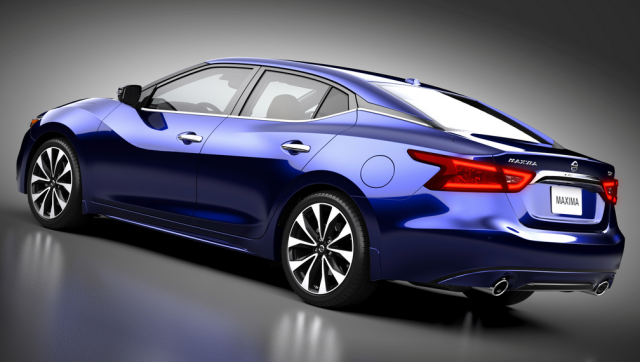
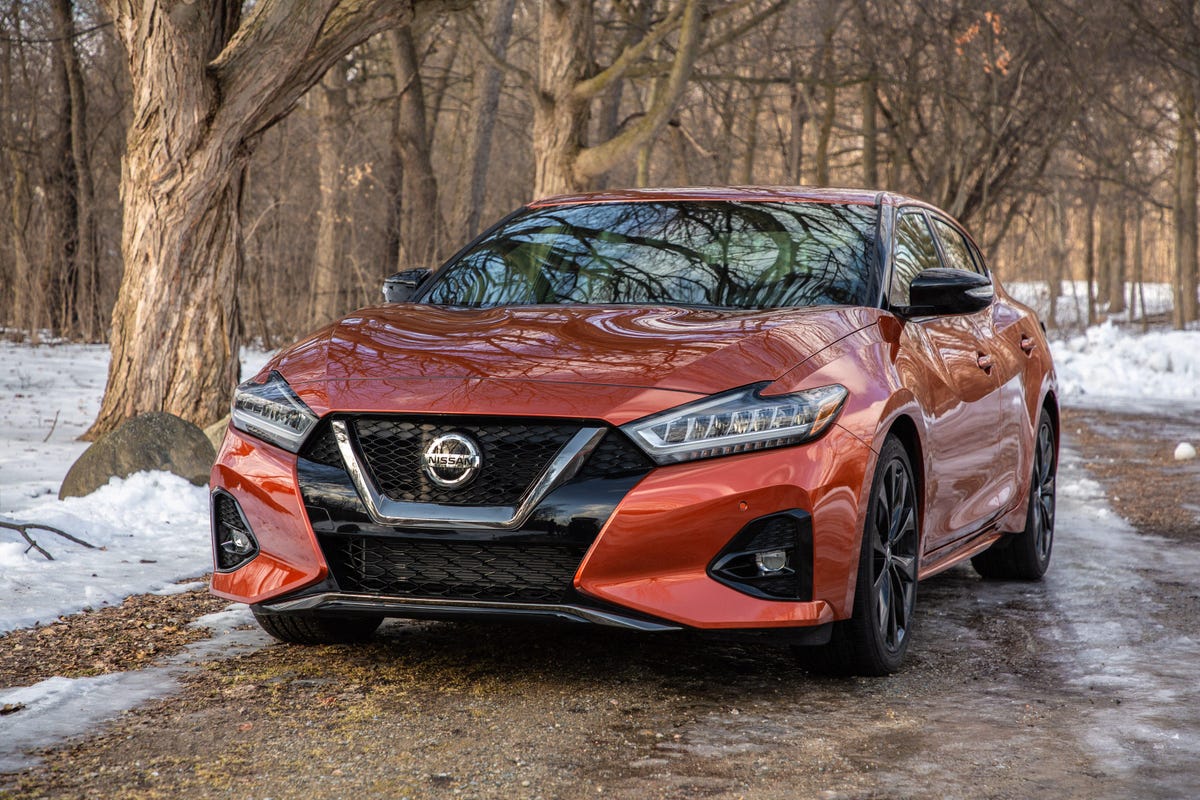
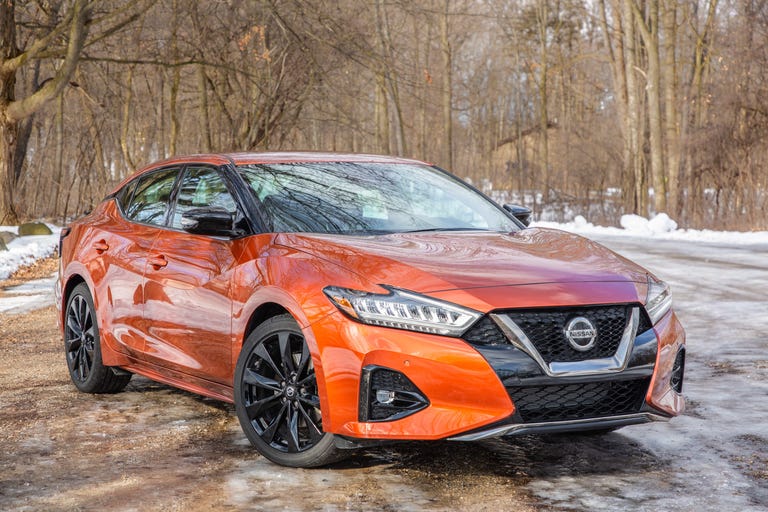
From the first glance, the Maxima looks engineered to interrupt routine. The front fascia projects confidence without shouting. Its lines are sculpted to catch light in a way that makes the car appear more dynamic than its dimensions would suggest. This is the Maxima’s signature trick: it uses proportion and surface tension—how creases and curves “pull” the eye—to create a sense of motion even while stationary.
In person, the car reads as cohesive rather than decorative. The grille and headlight design feel intentional, like they belong to the same sentence. The overall stance sits low enough to imply aggression, yet refined enough to avoid looking brittle. It’s a design choice that affects perception; a driver who believes the car is athletic is more likely to drive it with intention. That mindset shift matters.
Cabin Atmosphere: Sporty Comfort, Not Just Sporty Styling
Inside, the Maxima tries to translate that exterior confidence into a cabin experience. The first impression is about tactility: materials and textures aim to feel substantial, and the layout avoids the “checklist interior” problem that plagues many sedans. Buttons aren’t merely decorative. They’re placed where hands naturally go. The result is less fumbling, more flow.
The seating position encourages a relaxed alertness. It’s supportive without suffocating you in bolsters. The ride becomes a kind of ongoing dialogue between road surface and steering feedback—never overly harsh, never fully muted. The cabin’s design also leans into ambience: lighting, trim, and visual hierarchy create an atmosphere that feels curated rather than improvised.
Even so, the Maxima isn’t pretending to be a track weapon. It balances comfort and athletic intent, and that balance becomes clear when the pace increases. Short bursts feel lively, while longer drives reveal a calmness that helps you arrive rather than merely survive.
Powertrain Temperament: Does It Feel Like a Sports Car?
The Maxima’s reputation hinges on more than horsepower. It hinges on how power arrives—how quickly the car transitions from idle to momentum. In everyday driving, the engine exhibits a confident willingness. Throttle response is generally quick enough to support confident merges and decisive passing. Yet it’s not solely about speed; it’s about modulation.
Here’s where the “four-door sports car” claim gets interesting. A sports car is often defined by the immediacy of its reaction and the clarity of its feedback. The Maxima can deliver that sensation, but it does so in a sedan’s way. You feel acceleration as a smooth, purposeful ramp—sometimes dramatic, sometimes politely restrained. The transmission logic tries to keep the engine in the zone where it can respond with minimal hesitation.
When the road tightens—curves with questionable pavement and unpredictable camber—the Maxima becomes less about pure sprinting and more about rhythm. It supports a driver who chooses lines thoughtfully. That’s a subtle but important distinction. Sports cars often reward aggression; the Maxima rewards composure.
Handling Character: Firm Enough to Matter, Composed Enough to Trust
The chassis tuning aims for a blend of poise and control. Steering feels tuned for daily usability rather than extreme precision. It communicates enough to keep you engaged, without demanding constant correction. Suspension behavior is a key tell: over rough surfaces, the ride remains composed, but it doesn’t completely erase imperfections.
In spirited driving, the Maxima shows a tendency toward stability. Body motions are present, but they don’t feel careless. Roll isn’t eliminated—it’s managed. And that management is what makes it feel like a vehicle you can trust at higher speeds. You begin to anticipate how it will behave, and anticipation is a form of confidence.
However, if you expect sports-car sharpness—an almost surgical turn-in and minimal compliance—this is where expectations may need recalibration. The Maxima is athletic, yes, but it’s not trying to replicate the nature of a lighter, shorter vehicle purpose-built for late braking and high cornering loads.
Braking and Road Feel: The Confidence Checklist
Braking performance is another place where a sedan’s character becomes visible. The Maxima’s stopping power feels predictable, with a firm pedal that encourages control. In routine driving, this matters because it reduces the mental tax of driving. You spend less time second-guessing and more time scanning the environment ahead.
Road feel contributes to that confidence. Tires and suspension work together to relay grip levels in a way that’s not overly vague. The result is a driving experience that feels “legible.” Legibility is an underrated quality—when a car communicates clearly, it becomes easier to drive quickly without becoming reckless.
Technology and Infotainment: Useful, Familiar, and Occasionally Slow to Impress
Modern tech can be a mirror: it reflects how a company understands driver habits. In the Maxima, the infotainment interface is designed to be straightforward. Navigation, media control, and connectivity options are present and generally easy to access. The best systems disappear into routine, and this one usually stays out of the way.
Still, there are moments when responsiveness and menu depth can feel like the price of feature abundance. When you’re driving at speed—hands steady, eyes forward—you want controls to be immediate. If the interface requires extra taps, its convenience diminishes. Thankfully, physical controls help bridge the gap, giving the driver a method of interaction that doesn’t demand attention to a screen.
Driver-Assistance and Safety: Calm Support in the Background
Safety features are most valuable when they’re unobtrusive. The Maxima offers driver-assistance technologies intended to reduce strain during long commutes and highway travel. Lane-related systems help with lane centering, while adaptive cruise functionality supports maintaining spacing with less constant braking and re-accelerating.
These systems can make traffic feel less fatiguing. The car becomes a cooperative partner rather than a solo responsibility. But as with any driver-assistance suite, the key is awareness. These technologies help manage the workload—they don’t absolve the driver.
Ride Quality and Practicality: The Sedan Reality Check
The Maxima’s practicality is where it shifts from fantasy to everyday trust. Rear-seat comfort is adequate for normal use, and trunk space supports weekly errands with ease. The cabin layout favors usability: cup holders are placed with common habits in mind, and sightlines support confident maneuvering.
Fuel efficiency isn’t the Maxima’s primary poetry, but it’s competitive enough to prevent buyer hesitation. The bigger question is whether the driver buys the car for performance vibes or for balanced commuting. The Maxima can satisfy both, but it performs best when you treat it as a stylish compromise rather than a pure performance machine.
Who Should Buy the Maxima? A Clearer Match
The Maxima suits drivers who want a four-door vehicle with a sharper personality—people who appreciate motion in design and comfort in execution. If you’ve grown tired of the same SUV template and crave a sedan that feels intentional, the Maxima is compelling.
It’s also ideal for those who do highway runs, weekend drives, and daily errands in the same cycle. The car rewards steady driving and supports occasional excitement. If you want a car that feels alive without demanding constant attention, the Maxima fits the bill.
Verdict: Is the 4-Door Sports Car Back?
So, is the Nissan Maxima’s “four-door sports car” identity back? It depends on how you define sports car. If you’re looking for track-level aggression, the Maxima doesn’t mimic purpose-built machinery. But if you’re searching for a sedan that delivers athletic confidence, stylish presence, and a cabin that feels designed for real living, it returns with conviction.
The Maxima doesn’t chase a single idea. It negotiates between sportiness and comfort, between performance and everyday civility. And in that negotiation, it finds a compelling voice. The sports car isn’t gone—it’s translated. It’s now wearing four doors, a polished interior, and a calm kind of charisma that makes the journey feel like part of the destination.
Ultimately, the Maxima’s best argument is not a brochure claim. It’s the moment you drive it and realize the car is still trying to feel special. That attempt matters. In a crowded automotive landscape, a sedan that aspires to drama—without losing its ability to live with you—deserves attention.