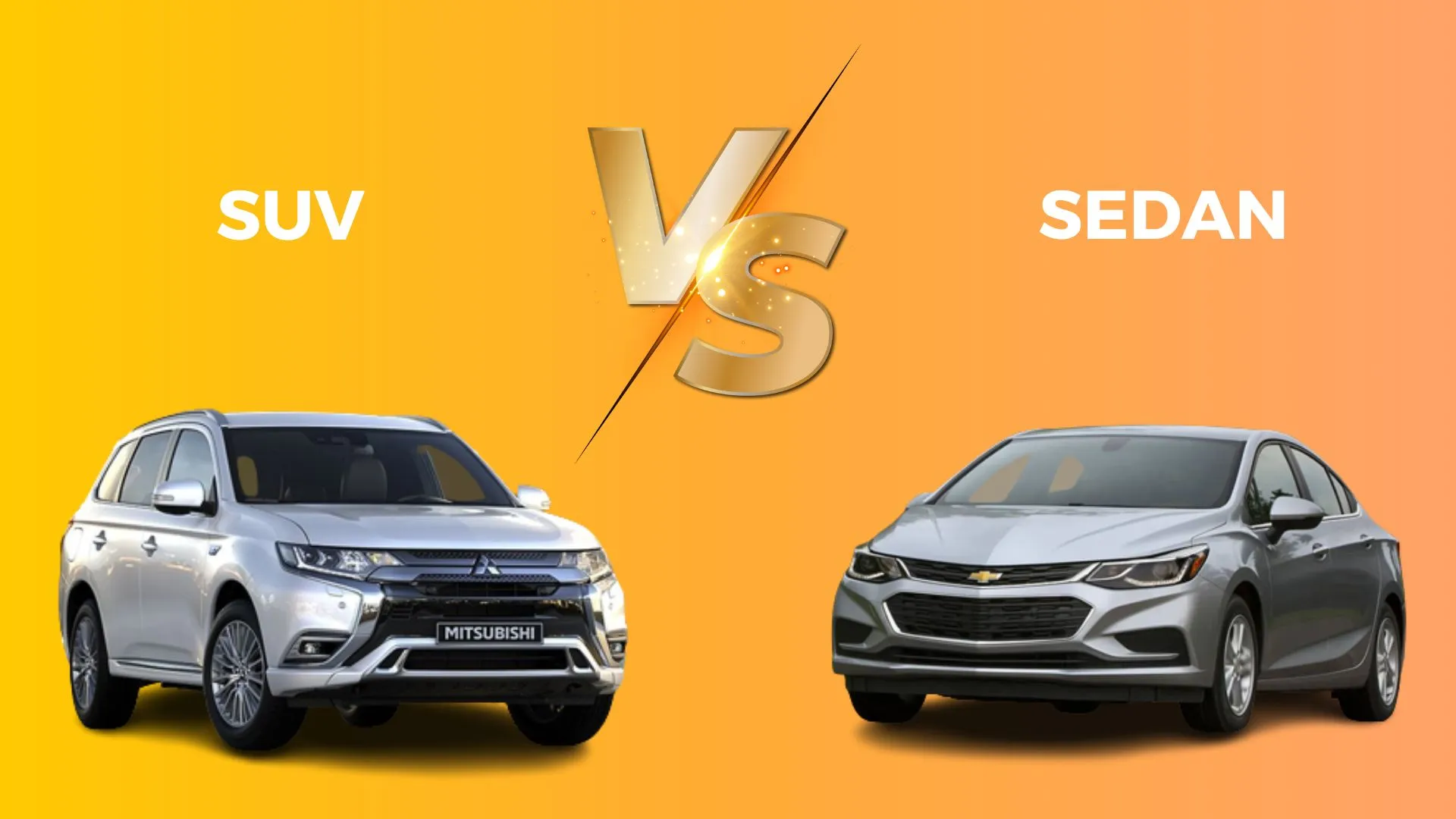
Buying a car is rarely just a transaction. It’s more like choosing a personality—one that will sit at the curb every morning and decide how your weekends unfold. In that decision, few rivalries feel as persistent as sedan vs SUV. A sedan can be a quiet, composed suit—tailored, streamlined, and confident in close quarters. An SUV often arrives like a wide-shouldered explorer—raised stance, ready for detours, and theatrically at home on uneven roads. So which one should you buy? The answer isn’t universal. It’s the kind of question that listens closely to your routes, your passengers, your budget, and your daily rituals.
Think of it this way: a car is a lens. A sedan sharpens the picture of city life—parking lots, flyovers, and the graceful choreography of traffic. An SUV, by contrast, turns the lens toward possibility—speed bumps, monsoon puddles, and road trips that begin with a spontaneous, “Why not?” Either way, you’re not just buying transportation. You’re selecting a moving mood.
The First Impression: Silhouette and Presence
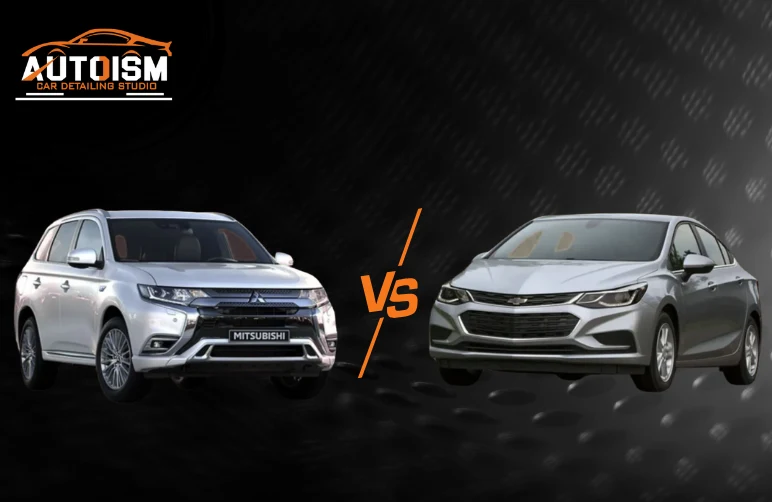
Let’s begin with the visual language. Sedans typically wear a longer hood and a lower roofline, giving them a planted, aerodynamic silhouette. That design tends to translate into a sense of composure. When you drive a sedan, there’s often an understated elegance to the experience—like the car is speaking in a lower register.
SUVs, meanwhile, communicate authority from the start. Their higher ground clearance, upright seating position, and muscular proportions create a feeling of command. Visibility tends to feel broader, and that extra “view from the top” can make commuting feel less claustrophobic. The cabin often feels like a cockpit with a generous horizon line, which can be oddly comforting on busy roads.
In the end, your choice may begin at the level of aesthetics—but it will mature into practicality as the miles start stacking up.
Comfort and Seating: Who Gets the Best View?
Comfort is where the metaphor becomes literal. Sedans often provide a smoother ride in urban conditions, partly due to their lower center of gravity and more refined suspension tuning. Their seating position can feel closer to the road, which some drivers interpret as directness—like the car is translating intent immediately.
SUVs offer a different kind of comfort: a higher seating position and a cabin designed for upright posture. That can help on longer drives by reducing the feeling of hunching. Many people also appreciate the ease of entry and exit—especially for families, elders, and those who prefer minimal bending.
Consider your daily routine. If you navigate narrow streets, frequent turns, and dense parking, sedan comfort may feel like a tailored embrace. If your roads are unpredictable, or your life includes rough patches and irregular surfaces, SUV comfort can feel like sturdier shelter.
Space and Family Logistics: The Cabin as a Living Room
Space isn’t just about measurements. It’s about how your day carries itself inside the vehicle. Sedans typically balance passenger comfort with a trunk that is well-shaped for groceries, office gear, and weekend luggage. The boot often feels neatly organized, which matters when life is a series of “grab and go” moments.
SUVs generally excel in versatility. The cabin often feels more accommodating, and the rear seat area is designed to handle varied passenger moods—kids in motion, friends with bags, or relatives arriving with luggage that grows like a plot twist. Many SUVs also offer more flexible cargo handling, which can transform errands from chores into small expeditions.
If your vehicle functions as a family hub, an SUV can feel less like transport and more like a moving lounge. If you’re often solo or with smaller loads, a sedan’s efficient packaging can feel elegantly practical.
Driving Dynamics: How Each Car Translates Your Intent
Driving dynamics are the heart of the experience. Sedans usually deliver confident handling in smoother traffic. Their lower stance supports a calmer cornering feel, and steering response often feels crisp and predictable. If you enjoy driving with a sense of rhythm—staying planted through curves and aligning smoothly with lanes—a sedan can feel like a conductor’s baton.
SUVs can still be engaging, but their character is often different. The higher center of gravity may introduce more body movement during aggressive cornering, yet that is frequently balanced by tuned suspension and robust braking behavior. Many SUVs are designed to make everyday driving feel effortless—stable, secure, and forgiving.
Ask yourself: Do you want the car to feel like a precision instrument, or a resilient companion? The answer will guide you more than any spreadsheet.
Road Conditions and Terrain: City Streets vs Uncharted Roads
Road quality is a hidden variable that quietly determines satisfaction. Sedans often thrive on well-paved routes. Their lower ground clearance can be a limitation if your commute includes speed breakers, uneven patches, or frequent pothole choreography.
SUVs are engineered for the real world’s imperfections. Higher ground clearance helps reduce the anxiety of scraping on ramps or navigating rougher roads. In wet conditions, the commanding stance can make puddles feel more manageable, and the traction-focused design can provide reassurance.
This is where the metaphor of “lens” becomes decisive. If your lens is mostly city—predictable, paved, and tightly managed—sedan practicality often shines. If your lens includes detours—unpredictable, uneven, and weather-influenced—SUV confidence tends to dominate.
Fuel Efficiency and Running Costs: The Economics of Choice
Fuel efficiency often becomes the conversation’s compass. Sedans, with their typically lighter bodies and more aerodynamic profiles, frequently deliver better mileage in comparable engine categories. That can translate into lower running costs over time—especially for high daily commutes.
SUVs can be less frugal, particularly in heavier trims and larger engines. Yet the modern landscape is changing: turbocharging, optimized transmissions, and hybrid options can reduce the gap. Still, the general trend remains—SUVs often cost more to operate, not always dramatically, but sometimes enough to matter to your long-term budget.
Think beyond fuel. Insurance premiums, tire wear, and service intervals can also influence ownership costs. A sedan might be the leaner wallet choice; an SUV may justify extra expense by delivering versatility you actually use.
Safety and Visibility: Perception, Not Just Technology
Safety is not limited to airbags and sensors. It includes the feeling of being able to anticipate. SUVs often offer strong visibility thanks to their higher seating position. That can be valuable in traffic, at intersections, and when merging.
Sedans can provide excellent safety too, especially in well-engineered models with stability control and modern driver assistance systems. Their low center of gravity may aid stability, and their structural design typically supports confident crash protection.
The real question is experiential: which vehicle helps you feel most aware? Awareness is a type of safety technology you can’t measure in brochures.
Styling, Brand Feel, and Emotional Ownership
Cars have emotions. A sedan can feel like a promise of calm—an everyday elegance. It suits people who value subtlety and prefer a vehicle that doesn’t shout for attention. An SUV often feels celebratory, as if it’s inviting life to expand—weekend travel, spontaneous outings, and the freedom to go where the road ends.
There’s also the matter of ownership pride. Some drivers love the quiet satisfaction of a sedan’s restraint. Others enjoy the bold narrative of an SUV—how it looks ready even when parked.
When your purchase aligns with your personality, satisfaction becomes durable. It doesn’t fade after the first few months.
Cost of Purchase vs Value Retention
Budget is always present, even when it’s not discussed aloud. Generally, entry-level sedans can offer more feature per rupee. Higher-end sedans may feel like a comfortable sweet spot for those seeking refinement without sacrificing much practicality.
SUVs, especially popular models, often retain value strongly due to sustained demand. The resale story can be favorable, but it depends on the brand, trim, market conditions, and how the vehicle was maintained.
To decide, consider how long you plan to keep the car. If you want a longer horizon, the value retention and maintenance realities become more influential than the upfront price tag.
Choosing the Right One: A Practical Decision Framework
Instead of asking “Which is better?” ask “Which is better for your life?” Create a simple inventory. How far is your daily commute? What kind of roads do you face weekly? How many passengers do you carry regularly? Do you need cargo volume for trips or daily routines? How often do you travel during rain or over rough patches?
If you mostly drive within the city, want refined handling, and prioritize efficiency, a sedan can feel like the correct instrument—precise, economical, and calm. If your roads are mixed, you need versatility, and you prefer a commanding driving position, an SUV can act like a protective umbrella—broad visibility, higher clearance, and adaptable space.
Neither choice is inherently superior. Each is a different answer to the same human question: how should life move, and where should comfort live?

Final Verdict: Your Car Should Feel Like the Right Door
In the sedan vs SUV debate, the most compelling conclusion is also the simplest: choose the vehicle that makes your days easier and your drives more satisfying. A sedan can be a smooth, efficient glide through daily routines—like a practiced handshake. An SUV can feel like an open invitation to variety—like a door that swings wider every time you discover a new route.
When the choice matches your terrain, your schedule, and your personal rhythm, the decision stops being abstract. It becomes a lived experience. And that’s the real measure of whether you bought the right car.
Choose the one that fits your life today, and it will keep fitting as your horizons expand.