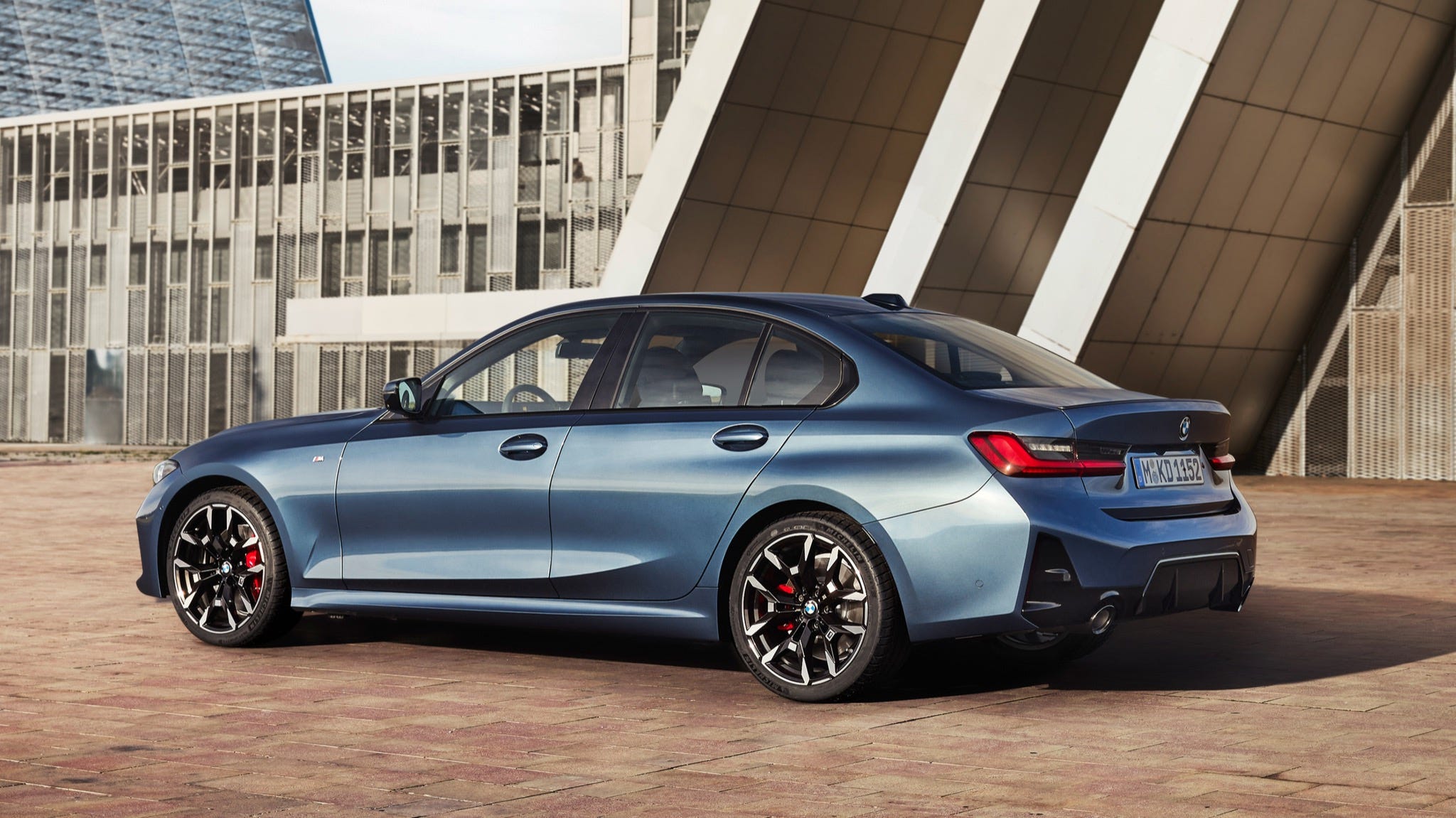
You’ve got a budget of $50,000 and a taste for sportiness. Now here’s the mischievous part: can you find a used 2026 sport sedan that feels like a grin you control—without turning your finances into a tight, jittery brake pedal?
The challenge isn’t finding “a sedan.” It’s finding one that delivers weighty steering feel, confident power delivery, and the kind of poise that makes even mundane commutes feel like warm-up laps. Used 2026 sport sedans under $50,000 can absolutely exist in the sweet spot—if you know what to look for, when to negotiate, and how to avoid the potholes of ownership.
So buckle up. Let’s map the landscape: the buying strategy, the driving priorities, the model traits that matter, and the practical checklist that keeps your purchase sharp and your regrets softer than your suspension settings.
Understanding the “Used 2026 Under $50,000” Reality Check
Buying used cars is a little like hunting for great deals at a winter market: the best items are there, but you have to arrive with clear intentions. “Under $50,000” can be surprisingly achievable for 2026 sport sedans—especially once availability increases and incentives ripple through local inventory.
However, used pricing depends on several variables: mileage, trim level, accident history, regional demand, and even the car’s service cadence. A 2026 sedan with moderate miles and a higher-performance package can be a better value than a base model with very low mileage. The key is to define what you’ll actually feel behind the wheel.
Playful warning: if you chase only price and ignore tire condition, brake wear, and transmission behavior, you might end up paying more than you bargained for. Sport sedans demand attention.

What Makes a Sedan “Sport” Instead of Merely “Fast-Looking”?
Sportiness isn’t just horsepower. It’s an orchestra of details: steering geometry that doesn’t numb out, throttle mapping that responds with urgency rather than delay, and suspension tuning that keeps the chassis composed when traction gets moody.
Look for characteristics that suggest the car was designed to be driven—not simply transported. Examples include:
• Feedback-rich steering: A wheel that communicates road texture without becoming harsh or vague.
• Braking authority: Pedal feel should be linear, not spongy, and fade resistance matters on repeat stops.
• Balanced chassis behavior: The car should rotate predictably rather than understeer like it’s reluctant to participate.
• Gearbox temperament: Smooth shifts are nice; sharp, sensible shifts are better—especially in Sport modes.
Here’s a fun-but-serious question: when you accelerate out of a corner, does the car feel eager, or does it feel like it’s thinking through your intentions? Eagerness is a trait you can sense quickly—during a test drive, not after signing papers.
Trims and Packages: The “Hidden Value” Behind the Price Tag
Sport sedans often bundle their best qualities into packages. That means two cars with similar years and mileages can feel like different species.
Prioritize trims that include performance-oriented elements such as:
• Upgraded brakes (larger rotors or better pads)
• Sport suspension (firmer damping, better control)
• Limited-slip differential (or traction systems with real-world effectiveness)
• Premium tires (the tire brand and model can dramatically change grip and noise)
• Driver-assistance calibration that doesn’t interfere with spirited driving
Be wary of “mystery builds.” If the listing includes performance cues but lacks specification clarity, ask for documentation. You want certainty, not vibes.
Top Contenders to Watch in the 2026 Sport Sedan Segment
While every enthusiast has a favorite, the used market tends to cluster around certain formula-friendly sedans: models known for all-weather competence, turbo responsiveness, and enthusiast-forward tuning.
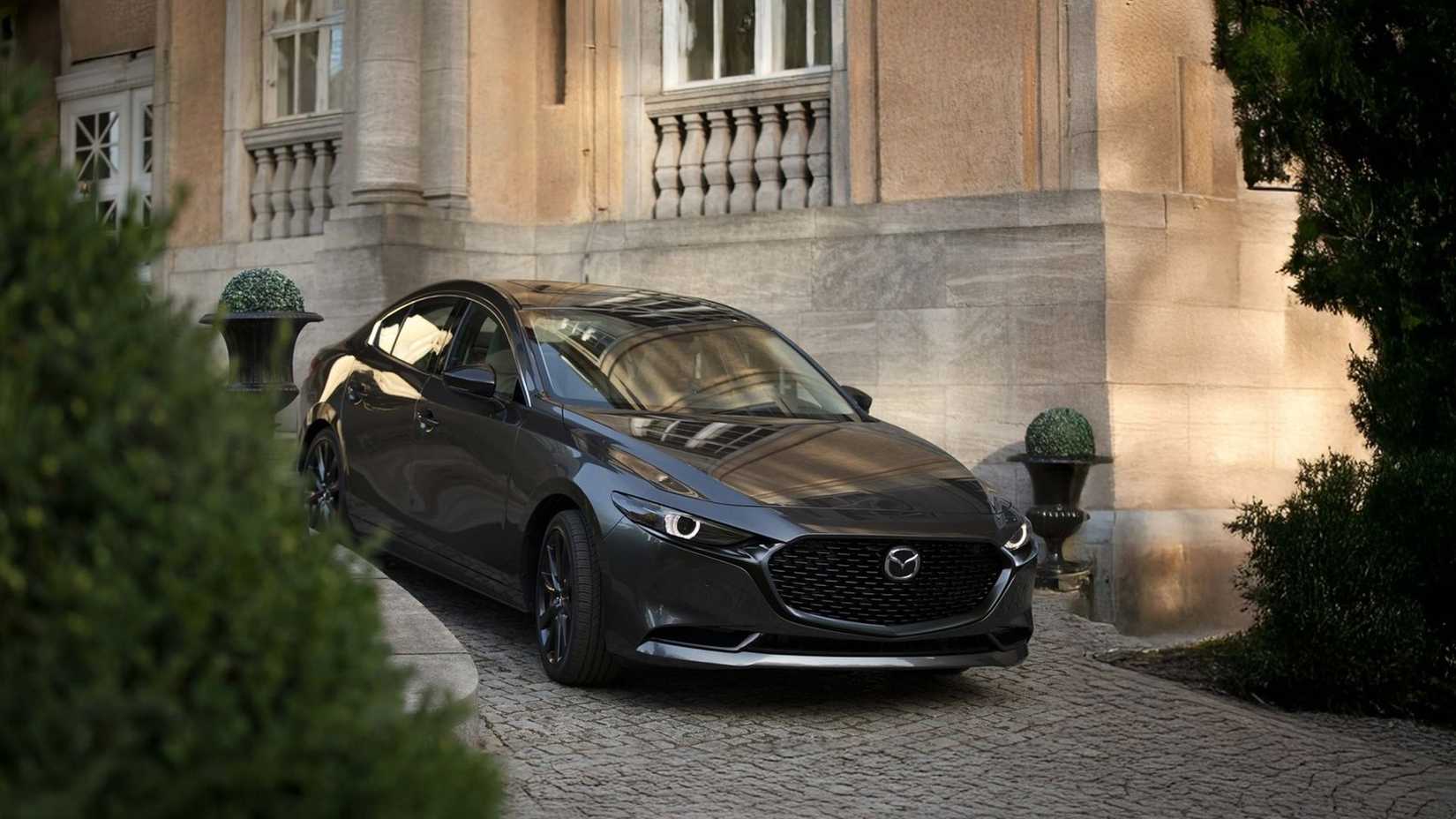
In this budget bracket, candidates often include compact sport sedans and AWD-oriented performance variants. For instance, you may encounter sport-tuned compact sedans such as the 2026 Mazda3 Sedan in sport-oriented trims, alongside more performance-centric sedans with turbo and rally-bred credibility.
Here’s the practical approach: when evaluating a specific model, focus less on headline numbers and more on how the car behaves at your typical speeds. The best sport sedan is the one that feels controlled on your roads—not someone else’s dyno sheet.
AWD vs. FWD: Choosing Based on Your Weather, Not Your Ego
All-wheel drive can be a superpower. In rain, snow, and patchy pavement, AWD smooths power delivery and reduces the drama of traction loss. But AWD systems can add complexity and cost, so choose based on reality.
If you live where winter turns roads into a slippery chessboard, AWD is often worth it. If your driving is mostly dry with occasional wet stretches, a capable FWD sport sedan with a strong traction setup can be more cost-effective and still fun.
Either way, don’t ignore tires. Worn tires can erase the advantage of drivetrain sophistication faster than a bad joke ruins a first date.
Fuel Economy and Running Costs: The “After You Buy It” Checklist
Sport sedans can be refreshingly efficient, but they can also drink fuel when you drive with enthusiasm. The trick is to estimate your actual usage.
Consider:
• Fuel type and price volatility: turbo engines may use premium fuel depending on trim and tuning.
• Oil-change cadence: sporty engines typically reward consistent maintenance.
• Tires and brakes: performance tires and pads are not cheap, and aggressive driving accelerates wear.
Ask yourself a question that feels slightly uncomfortable but saves money: if you drove it like you could, would you still afford to keep it properly shod and braked?
Inspection and Verification: How to Avoid Buying a Problem with a Pretty Coat
Before you commit, treat the car like a mystery novel. You don’t just read the plot—you check every page.
Prioritize these steps:
• Vehicle history report: verify accidents, title status, and service records.
• Underbody and alignment check: look for scrapes, uneven wear, or signs of previous impacts.
• Tire age measurement: tread is one thing; tire age is another.
• Brake inspection: check pad thickness and rotor condition.
• Cold start evaluation: listen for odd engine sounds and confirm smooth idle.
If possible, take a tech-focused test drive. Accelerate normally and then firmly. Brake from moderate speed. Test steering response on a slight curve. You’re not trying to be theatrical—you’re trying to detect inconsistencies.
Test Drive Strategy: Drive It Like a Detective
A test drive should feel like a controlled experiment. Start with gentle driving, then progress to intentional inputs.
Try:
• Low-speed steering feel: parking-lot maneuvering reveals straight-line smoothness.
• Mid-range acceleration: around 40–70 mph, turbo response and shift behavior are easier to perceive.
• Braking stability: feel for pedal modulation and any vibration.
• Handling under load: a safe highway on-ramp can reveal traction confidence and body control.
And here’s the playful curveball: if you can’t stop smiling within the first few miles, don’t overthink it. Conversely, if something feels off—even subtly—trust that instinct. Sport sedans should feel coherent, not cryptic.
Negotiation Tactics for Under $50,000
Used-car deals reward preparedness. Research comparable trims, review local pricing, and be ready to negotiate with specifics.
Useful strategies include:
• Ask for recent service documentation and ensure major items are addressed (fluids, filters, tires).
• Use inspection findings as leverage—uneven tire wear or brake wear supports a lower price.
• Consider timing: end-of-month inventory pushes can improve your odds.
• Verify included features: heated seats, driver assist, and performance packages can shift value quickly.
Never negotiate emotionally. Negotiate like a spreadsheet with a pulse.
How to Choose Your Best Match: A Quick Decision Framework
If you want the “best” used 2026 sport sedan under $50,000, don’t pick based on a single spec. Combine your priorities:
• Daily livability: comfort, noise levels, seat ergonomics, and visibility.
• Driving personality: steering feel, gearbox behavior, and suspension compliance.
• Practical ownership: maintenance access, tire costs, fuel requirements, and warranty availability.
Then decide what you’ll sacrifice. Many buyers can accept slightly higher mileage, but fewer can accept vague steering or poor brake feel. Decide your non-negotiables before you shop.
Final Thoughts: Turning “Deal” into “Delight”
Finding a used 2026 sport sedan under $50,000 is not just possible—it can be wonderfully rewarding. The best outcome isn’t merely a lower price. It’s a purchase that still feels right when the novelty fades and the real miles begin.
So keep the playful question alive as you shop: can you get a sedan that makes driving feel like agency rather than obligation? With smart inspection habits, a disciplined test drive, and careful attention to trims, tires, and drivetrain needs, you can turn that budget constraint into a performance advantage.
Now go find the one that matches your rhythm. And when it clicks—when steering, power, and control align—let the road do the convincing.