There’s a particular kind of quiet satisfaction that arrives when you realize your next car purchase can echo into the future. Resale value—the sum of goodwill, engineering reputation, and market timing—often decides whether a sedan feels like a smart investment or an expensive interlude. In 2026, the landscape is shifting in subtle, persuasive ways. Fuel prices remain a mood, financing terms remain a chessboard, and buyers are more discerning than ever about safety tech, reliability signals, and everyday practicality.
So let’s approach this with a new frame of mind. Instead of asking which sedan is “best,” imagine the question as: Which sedans will still look like good decisions when the keys change hands? That’s where curiosity turns into clarity—and clarity turns into confidence.
The Resale Value Spell: What 2026 Buyers Actually Reward
Resale value isn’t just a number; it’s an opinion marketplace. In 2026, it’s influenced by a mosaic of factors. A strong track record for durability matters, certainly, but so does the emotional math of features. Buyers today browse with an almost anthropological attention: do the seats feel supportive, does the infotainment stay relevant, does the driver-assistance suite seem current rather than dated?
There’s also the matter of liquidity. Popular trims and mainstream configurations tend to sell more quickly. That means a car doesn’t merely retain value—it moves value. Meanwhile, depreciation accelerates when the market senses obsolescence: outdated software, weak maintenance history, or a model that vanishes from dealer lots too quickly.
As you evaluate a sedan for long-term resale prospects, look for signals that the next owner will feel reassured. Smooth service intervals, robust warranty ecosystems, and a stable brand reputation often outperform headline horsepower. In 2026, the winners tend to be the ones that feel sensible and modern.
Why Sedans Still Matter in 2026 (And Why That Helps Your Wallet)
Some people have moved on from sedans, chasing crossovers and electrified silhouettes. Yet sedans continue to offer an elegant balance of cost, efficiency, and daily usability. They’re typically easier to park, maintain, and insure. Their design language often ages gracefully, especially when manufacturers commit to clean ergonomics and practical interiors.
That lingering demand becomes a resale tailwind. When used buyers want predictability—commutes, family errands, weekend errands—sedans tend to deliver it without drama. That steadiness is a trait the market rewards.

Top 10 Best Resale Value 2026 Sedans: The Curiosity List
Consider this your shortlist of “future bargain hunters.” The cars below are chosen for attributes that frequently correlate with resale resilience: brand strength, mainstream popularity, consistent owner satisfaction, and the ability to remain competitive as tech evolves.
1) Honda Civic
The Civic’s resale magnetism comes from its reputation for practical reliability and a broad trim ecosystem. Buyers often recognize the name immediately, which reduces uncertainty—an invisible factor that can boost resale pricing. Expect strong demand across multiple configurations, especially those with efficient powertrains and driver-assistance conveniences.
2) Toyota Corolla
Corolla value is built on repeatability. It’s not just that it lasts; it feels like it will last. That perception becomes a market advantage, because used buyers prefer proven routines over unknown gamble. In 2026, the Corolla’s blend of fuel efficiency, comfort, and steady parts availability keeps it anchored in demand.
3) Hyundai Elantra
The Elantra’s resale story is tied to modern refinement and a feature-forward approach. When a sedan offers a more upscale cabin vibe at a reasonable cost, it tends to attract buyers who plan to keep the vehicle for several years. That “planability” is valuable when reselling later.
4) Kia Forte
Kia’s sedans often benefit from a strong value proposition and a relatively youthful brand cachet. The Forte’s appeal frequently rests on its sensible dimensions, approachable technology, and the perception of a well-rounded ownership experience. When the market trusts the ownership story, it holds the price more stubbornly.
5) Nissan Sentra
The Sentra’s resale resilience often reflects mainstream acceptance and a comfortable practicality. When a sedan stays easy to live with—visibility, ride composure, everyday ergonomics—buyers feel less apprehensive about pre-owned ownership. In 2026, those quiet comfort traits can matter more than novelty.
6) Subaru Legacy (if available in your market)
Legacy’s appeal is driven by stability and capability. The brand’s association with controlled traction and confidence-in-weather can widen its buyer pool. More buyers interested in the same inventory typically strengthens resale outcomes, particularly when conditions make predictable handling a priority.
7) Mazda3 Sedan
Mazda’s resale potential often rides on design coherence and interior feel. A cabin that looks and feels premium can resist the “dated” label longer than purely utilitarian rivals. That helps used buyers justify paying a bit more later—an effect that can protect depreciation.
8) Volkswagen Jetta
The Jetta’s resale potential benefits from its recognizable practicality and a reputation for comfort. It tends to attract buyers who want a sedan with a European-flavored driving character without stepping into luxury pricing. That balance often keeps demand healthy in the used market.
9) Chevrolet Malibu
Malibu’s value story frequently centers on space, comfort, and a mainstream buyer appeal. When a sedan feels like a steady commuter companion rather than a gimmick, it earns resale trust. Additionally, broader dealer support and parts availability can play an understated role in post-sale confidence.
10) Ford Fusion (where applicable, depending on current availability)
For some regions and timelines, the Fusion can remain a compelling resale candidate due to brand familiarity and a proven market footprint. Even when a model isn’t newer, buyers sometimes respond to perceived affordability and recognizable service ecosystems.
Trim Strategy: How to Buy for Future Buyers
Resale value isn’t determined solely by the nameplate. Trims decide the trajectory. A lower trim may depreciate less in percentage terms but can sell for less in absolute dollars. A higher trim can retain value better if it has features that used buyers consider “must-have” rather than “nice-to-have.”
In 2026, the most resale-friendly trims often include driver-assistance, adaptive cruise-related functionality, and intuitive infotainment with steady update behavior. Heated seats, dependable smartphone integration, and a well-designed cargo area tend to attract a broader audience. Buyers like certainty. The more your sedan matches their definition of convenience, the more they’re willing to pay when it’s time to trade again.
Mileage, Maintenance, and the Myth of “Low Depreciation”
People love the phrase “low depreciation,” but it’s rarely the whole story. Depreciation isn’t a villain; it’s a negotiation between reality and expectations. Mileage matters, yes, but maintenance matters more. A clean service record can turn skepticism into trust quickly.
In 2026, the used market is unusually sensitive to documented care: oil changes on schedule, tire health, brake maintenance, and software-related updates where applicable. A car with a consistent paper trail can feel safer to purchase, and safety translates into value.
Don’t overlook consumables. Newer tires, for instance, can reduce immediate post-purchase spending—an economic relief that used buyers remember.
Technology and Longevity: The Anti-Dating Advantage
Modern sedans are more software-defined than ever. That’s good—until the interface feels outdated in a way buyers can’t ignore. Resale value improves when a car’s tech remains intuitive, responsive, and compatible with the ecosystem used by most drivers.
Look for features that don’t just exist, but function smoothly: navigation that’s easy to use, audio systems that don’t feel muffled, and driver-assistance systems that behave predictably. The best resale outcomes often come from sedans that don’t become “learning projects” for the next owner.
Market Timing: Buying Now to Sell Later Without Regret
Timing is a quiet lever. Buying at the moment when supply is stable and demand is predictable can help. Likewise, selling during periods when shoppers are actively hunting for reliable sedans can improve outcomes.
In 2026, the market may reward vehicles with broad appeal—those that don’t feel niche. Mainstream trims, widely supported service networks, and well-known brands tend to retain value better because the used market offers more buyers for the same vehicle.
Ownership Confidence: Warranty, Reliability Signals, and Peace of Mind
Resale value grows when ownership feels less risky. Warranty terms, roadside support, and the reliability reputation behind the model name can reduce the buyer’s perceived threat. A skeptical buyer will negotiate hard; a reassured buyer will pay closer to the asking price.
Pay attention to common reliability indicators: engine smoothness, transmission behavior, and the consistency of owner satisfaction. The best resale candidates often have fewer drama stories, and fewer drama stories spread faster through consumer networks.
How to Make Your Specific Sedan a Resale Standout
You can influence resale value more than you might think. Keep the paint protected, maintain interior cleanliness, and address warning lights immediately. Small details matter: clear headlights, uncracked trim, and well-preserved upholstery. A used sedan should look like it was cared for, because buyers interpret presentation as a proxy for mechanical responsibility.
Photograph the car thoroughly when selling. Honest, well-lit images can reduce negotiation friction. A clean title—free of surprises—also protects price.
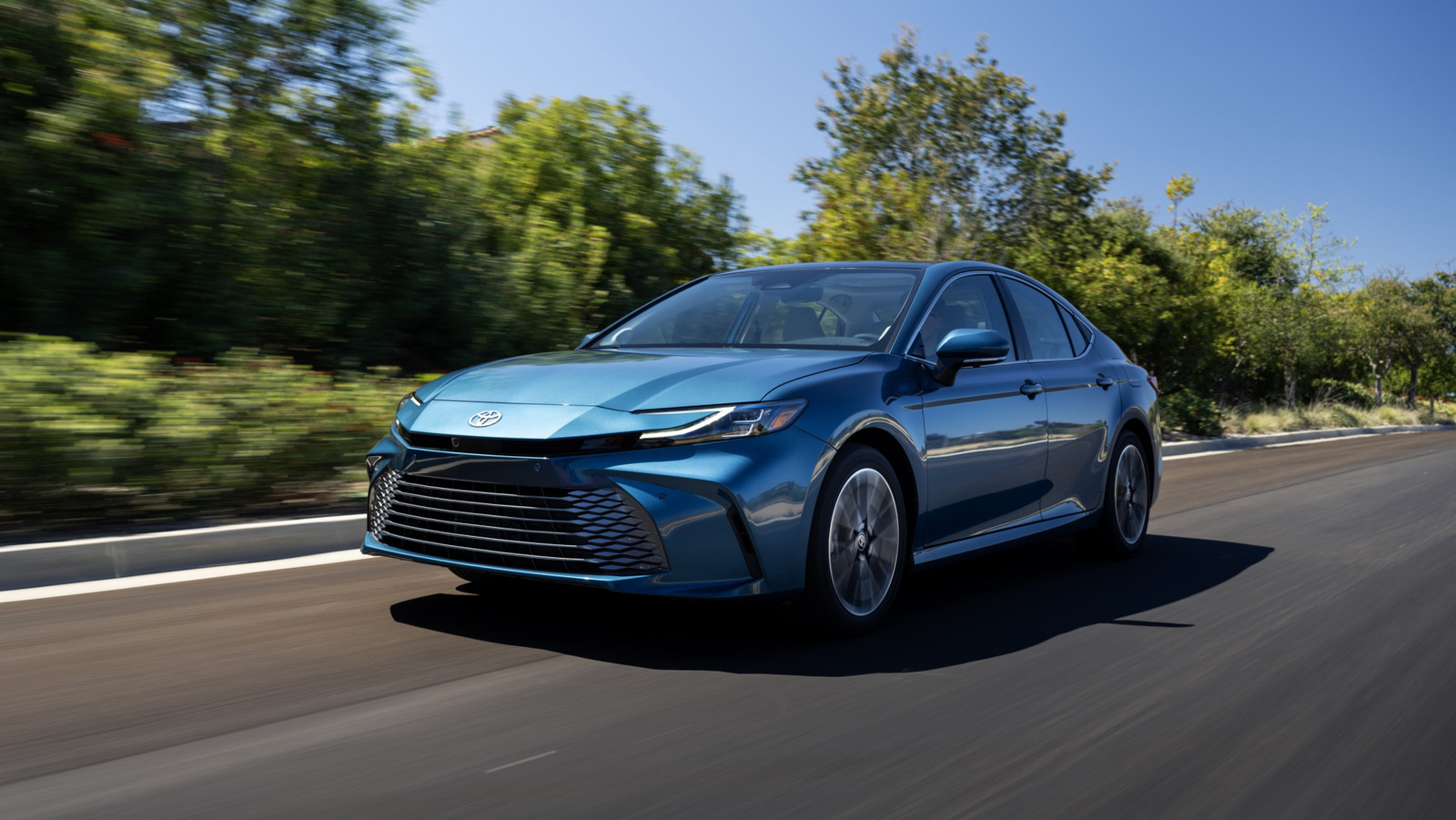
Final Thoughts: The Best Resale Value Is the One That Matches Your Life
Resale value in 2026 isn’t only about predicting depreciation. It’s about choosing a sedan that fits the way you live—then making sure future buyers see that fit. When comfort feels consistent, maintenance stays documented, and the tech doesn’t age into confusion, a sedan becomes more than transportation. It becomes a transferable decision.
Keep one question in mind: what would the next owner be grateful you did today? Choose wisely, maintain consistently, and the market’s perspective may shift in your favor—quietly, steadily, and with a little more certainty than you expected.