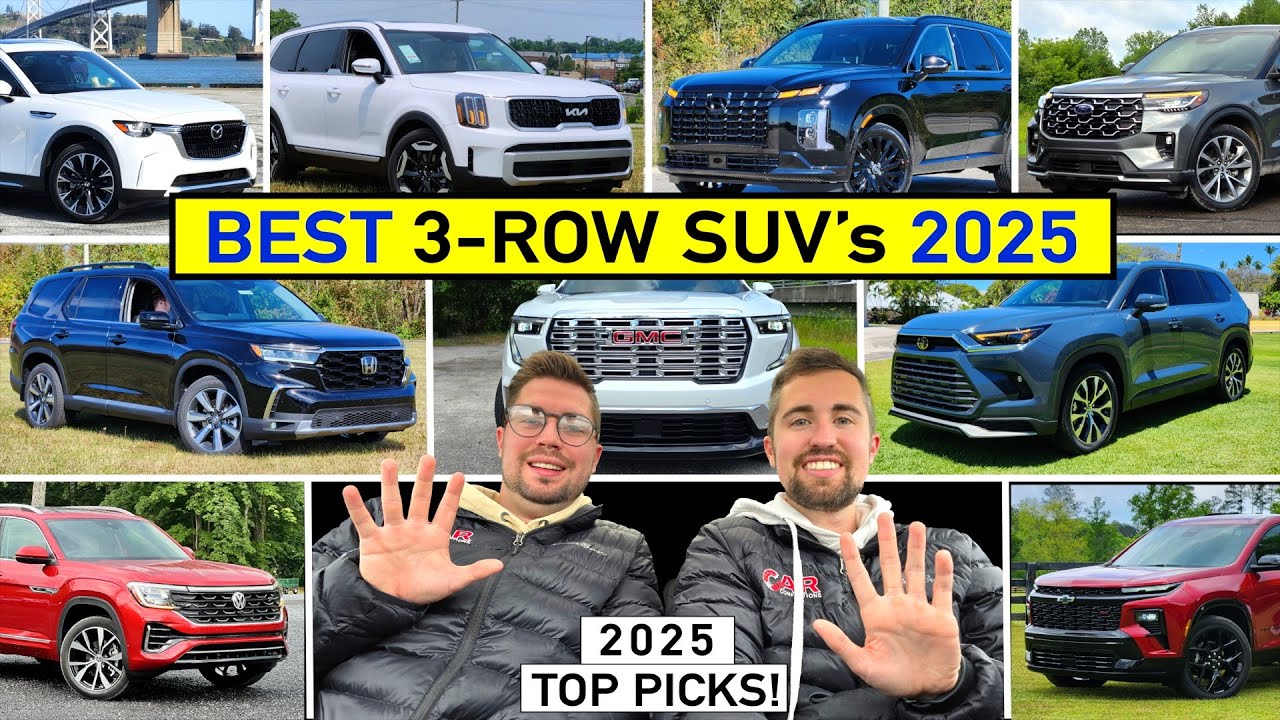
So, you’re standing in the showroom with two tempting keys in your hand: one for a minivan, the other for a 3-row SUV. The question is playful—which one will quietly save your sanity—but the challenge can be very real. Because in 2025, both categories promise family-friendly flexibility, yet they deliver it in surprisingly different ways. One might feel like a Swiss Army knife with a sliding door. The other might feel like an adventure-ready fortress with a little extra swagger.
Let’s untangle the decision like a set of seatbelts after a long road trip. No hype, no hand-wringing. Just the honest, practical comparison you need—complete with the tradeoffs people only notice after they’ve had the vehicle for a few months.
What’s the core difference: purpose-built utility vs. lifestyle versatility?
A minivan is purpose-built utility. It’s designed around one central mission: carrying people comfortably and conveniently, day after day. That mission shows up in sliding doors, easy ingress/egress, and cabin space that feels engineered rather than improvised.
A 3-row SUV is lifestyle versatility. It often emphasizes road presence, higher seating positions, and an adventurous aesthetic. Many are also remarkably capable with family logistics—until you factor in how often you’re climbing in and out, folding third-row seats, or wrestling with bulky child seats.
Neither approach is inherently “better.” But they cater to different priorities: minivans optimize the routine; SUVs optimize the experience. The trick is deciding which one matters more to you.
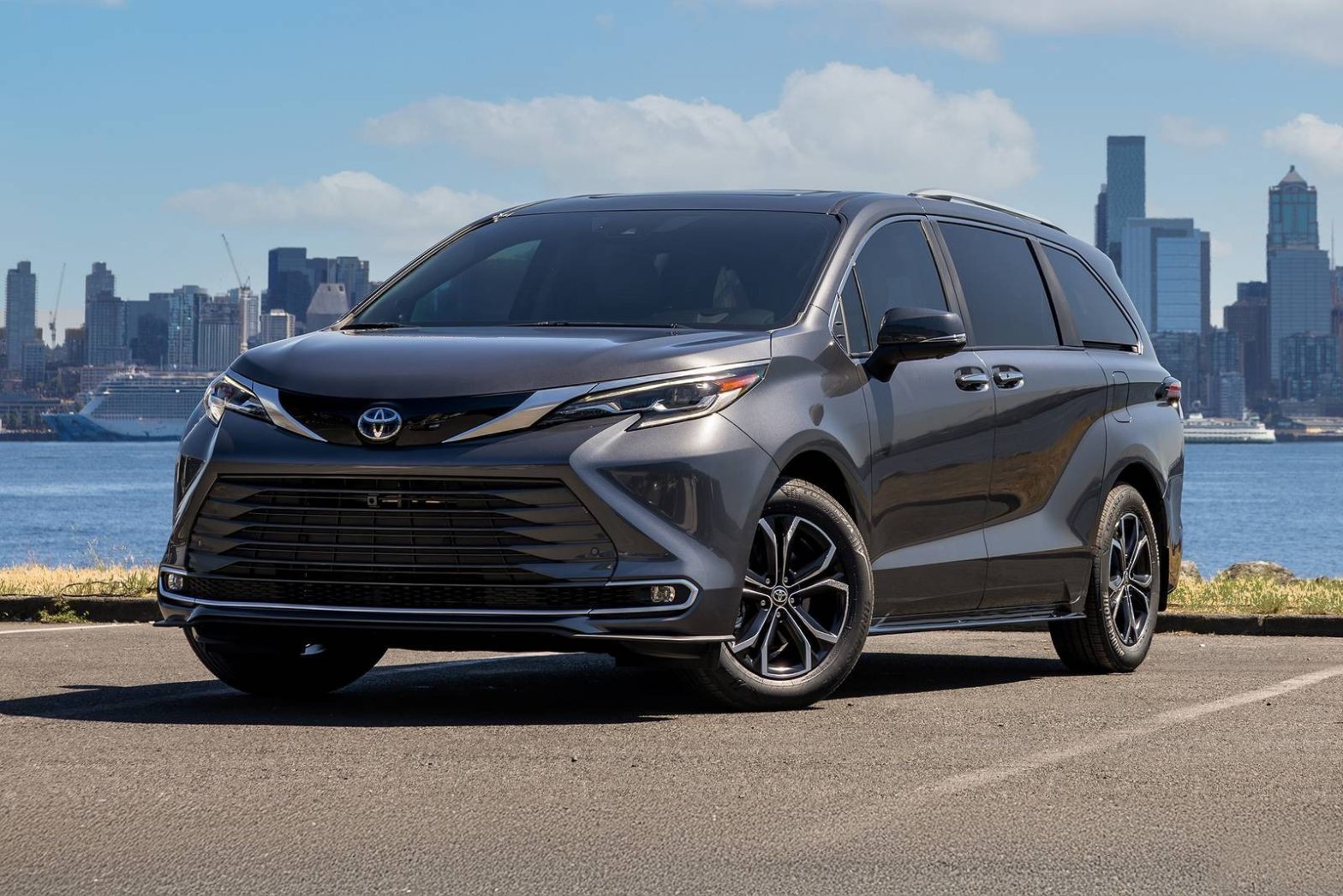
Space that actually works: second-row access and third-row reality
Here’s where the conversation gets less fun—and more honest. Third-row “space” is often advertised as generous, but real-world usability depends on how the seats fold, how the doors open, and how much clearance exists when you’re standing near the vehicle.
Minivans typically make the third row feel like a less dramatic event. Sliding doors open smoothly in tight driveways and crowded parking lots. Second-row seats often move with fewer contortions, and passengers can get in without turning the entire body into a pretzel.
3-row SUVs can absolutely seat a crowd, but the process can be more effortful. Hinged doors require more clearance to open fully, and the higher step-in height can make older kids—or anyone with limited mobility—feel like they’re boarding an aircraft rather than hopping into a car.
Practical challenge: Think about your most frequent scenario. Is it “daily school runs with short trips,” or “family road trips with the occasional overflow passenger”? Your answer should guide your choice more than any brochure photo.
Cost of ownership in 2025: purchase price, fuel, and long-term value
Budget matters, but it rarely behaves like a simple spreadsheet. In 2025, the purchase price is only the opening act. Fuel economy, maintenance expectations, insurance costs, and resale value often decide the lasting impression.
Minivans often win on cost-of-ownership math when they’re paired with efficient powertrains and strong resale demand. Many buyers also appreciate that minivans tend to be configured for family practicality rather than luxury add-ons, so you’re less likely to pay a premium for features you’ll never use.
3-row SUVs may cost more upfront, but their resale strength can be robust—especially when demand for popular trims remains high. Still, some SUVs can surprise owners with higher fuel consumption, depending on engine choice and driving style.
Uncommon but useful lens: consider the total inconvenience tax. If one vehicle reduces how often you struggle with access, cargo arrangements, and awkward loading, it can indirectly save money by lowering wear-and-tear stress and the likelihood of adding supplemental gear you don’t need.
Safety and driver confidence: what changes with your vantage point?
Both minivans and 3-row SUVs typically offer modern safety suites—advanced driver assistance features, collision mitigation, blind-spot monitoring, and lane support systems. The specifics vary by model, trim, and production year, but the overall direction is the same.
The difference often comes from driver perception. SUVs provide a higher seating position and broader outward visibility. Many drivers feel more “in command,” which can reduce fatigue on long routes.
Minivans provide excellent forward visibility too, but their cabin design can make the driving experience feel calmer and less “tall.” That calmness matters in stop-and-go traffic and busy school-zone mornings.
Short question, sharp answer: do you want a higher “command deck,” or do you prefer a more level, easier-to-navigate view of the road? Either choice can be safe. The question is which one makes you drive with greater ease.
Comfort isn’t just padding: ride quality, noise, and everyday ergonomics
Comfort has layers. There’s the obvious cushioning, yes—but also vibration control, road-noise management, seat adjustability, cupholder placement, and how quickly you can set up a kid’s snack station without a second act.
Minivans frequently shine in the micro-ergonomics. Sliding doors can reduce the “door-park choreography,” and the cabin layout often supports family rituals: backpacks by the door, water bottles in reachable holders, and a temperature system that doesn’t feel like a negotiation.
3-row SUVs can be comfortable and quiet, especially in higher trims. However, heavier vehicle structure and different suspension tuning may yield a distinct ride character—sometimes more buoyant, sometimes more road-focused depending on the model.
Long sentence, simple takeaway: test-drive both with your actual setup in mind. Bring a blanket for the back seat, load your bags as you would on a weekend trip, and pay attention to how often you feel forced to adjust your body.
Technology and connectivity: modern families move at app-speed
In 2025, dashboards are becoming command hubs. Infotainment responsiveness, smartphone integration, and rear-seat entertainment (if you use it) can make or break long drives.
Minivans often provide family-friendly screen placement and intuitive controls for second-row access. Many are designed with the assumption that caregivers will use technology while seated, not while sprinting between seats.
3-row SUVs may offer more touchscreen flourish and premium audio options, particularly in higher trims. But the key isn’t the fancy interface—it’s how quickly passengers can control their environment, and whether the system reduces friction instead of adding it.
Playful challenge: If the rear-seat passengers start pressing buttons, does the cabin feel like it has a “referee,” or does it devolve into chaos? Choose the vehicle that keeps the vibe steady.
Cargo and hauling: groceries, strollers, sports gear, and the “where does it go?” factor
Families don’t just carry people; they carry ecosystems. Strollers, coolers, sports equipment, school supplies, and the occasional “we’ll probably need that” item create a cargo puzzle every week.
Minivans typically offer straightforward cargo access, easy third-row folding, and a sense that the interior was designed for repeated reconfiguration. Sliding doors also help with loading in tight spaces, which is more common than people admit.
3-row SUVs can be excellent for cargo too, particularly when seats fold flat and the cargo opening is wide. But cargo height and access ergonomics matter. If you’re frequently lifting heavy bags, the SUV’s higher floor can become a recurring inconvenience.

Who should choose what? A decision map for real households
If your days include tight parking, frequent passenger swapping, and a “get in fast, go now” rhythm, a minivan is often the smoother partner. It tends to reduce daily friction, and it’s exceptionally good when you regularly use the second and third rows.
If your lifestyle emphasizes road trips, scenic detours, higher seating visibility, and an outdoorsy identity, a 3-row SUV can feel more aligned with your self-image and your driving preferences. It may also fit better if cargo space is mainly used for longer outings rather than constant shuffling.
Here’s a decisive thought experiment: imagine you have to load the vehicle in the rain, with two kids moving unpredictably, while you’re carrying something awkward. Which vehicle would you choose to make that moment less theatrical?
Final verdict: buy the vehicle that makes family life smoother, not just bigger
In 2025, both minivans and 3-row SUVs can be excellent family machines. The honest difference is how they express practicality. Minivans usually excel at accessibility, routine efficiency, and reducing the daily “friction tax.” 3-row SUVs often excel at presence, visibility, and lifestyle appeal.
So should you buy a minivan or a 3-row SUV? Choose the one that matches your family’s choreography. If your life revolves around frequent loading, easy access, and minimal drama, the minivan may be the quiet champion you didn’t know you needed. If your family wants a confident, elevated driving experience and you’ll treat the third row as an occasional overflow, the SUV can be a satisfying choice.
Now take a breath, grab a checklist, and do the most underrated step: drive both, load them like you actually live, and let your gut speak after the third row has been used. That’s where the answer tends to reveal itself—less like a debate, more like relief.