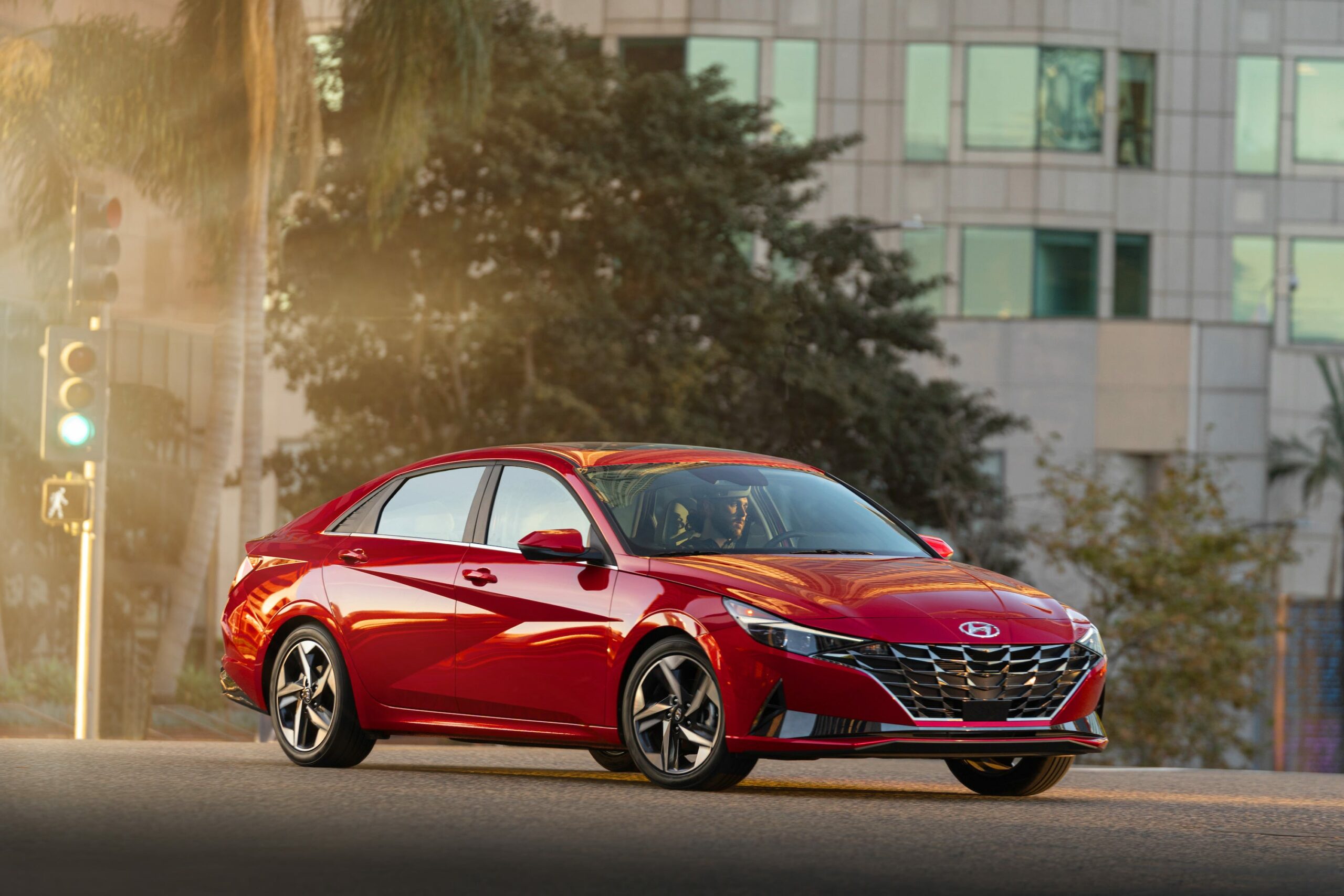
The Hyundai Elantra has always carried the weighty promise of “smart value,” but the current generation sharpens that idea into something more nuanced. It’s no longer merely a practical choice—it’s a design-and-utility proposition that feels calibrated for real life. The Elantra blends a confident exterior presence with an interior that prioritizes usability, then wraps it in a package of features that makes you wonder why the price ceiling isn’t higher. For shoppers who want a daily driver that looks composed in motion and stays friendly on the wallet, the Elantra earns a close look.
What follows is a detailed walkthrough of what readers can expect when they explore the Elantra’s design language, its day-to-day value, and the subtle engineering choices that make the ownership experience feel deliberate rather than generic. From visual first impressions to long-term practicality, this review examines the car the way owners actually experience it.
Design that Looks Intentional, Not Imitative
Great design isn’t only about beauty—it’s about purpose. The Elantra’s exterior styling leans on sleek surfaces and jewel-like geometry that catch light in a way that photographs well and, more importantly, translates on the road. The front end feels sculpted, with an expressive arrangement of lighting elements that gives the car a crisp silhouette at dusk and in bright daylight.
The body lines are designed to guide the eye. They sweep and taper in a manner that suggests aerodynamic discipline without making the car feel overly aggressive. Even when parked, the Elantra avoids the “flat and forgettable” look that can plague compact sedans. It carries a kind of restrained theatricality—dramatic enough to stand out, composed enough to remain timeless.
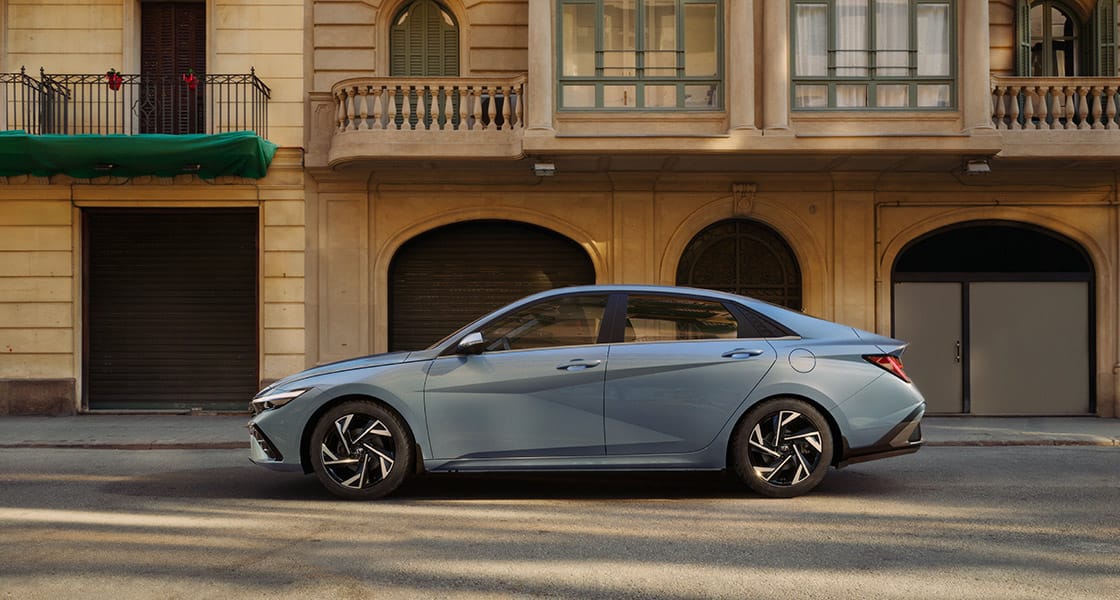
In motion, the car’s proportions read as athletic rather than bulky. The hood and shoulder line add structure, and the rear design continues the theme with a clean, cohesive shape. There’s a sense that every panel exists for a reason, even when the changes appear subtle—an important distinction for buyers who notice whether a vehicle feels engineered or merely assembled.
Interior Atmosphere: Simple, Modern, and User-First
Inside, the Elantra prioritizes an atmosphere that feels both modern and welcoming. The layout emphasizes functional ergonomics—controls are placed where they’re likely to be used, not hidden behind the aesthetics. That small detail matters more than people expect. A good interior reduces friction: it makes driving feel smoother because you spend less time negotiating the cabin.
The materials and surface finishes give the cabin a more upscale impression than you might anticipate. There’s a deliberate interplay between texture and visual contrast, helping the interior avoid becoming monotonous. The overall design feels “current,” with a tidy, driver-centric approach that keeps your attention on the road rather than on the distractions of clutter.
For day-to-day life, the Elantra’s practicality is a quiet strength. The seating arrangement supports a comfortable driving posture, and the cabin design helps keep sightlines clear. In traffic, that clarity reduces fatigue. On longer drives, the cabin remains composed, and the ergonomics help you settle in rather than constantly adjust.
Comfort and Space: How It Fits Real Passengers
Space isn’t just measured in numbers—it’s measured in comfort. The Elantra’s interior roominess suits commuters, small families, and anyone transporting friends with varying comfort preferences. Rear-seat passengers are treated as more than an afterthought; the space supports typical city errands, school drop-offs, and weekend drives.
Comfort comes from more than legroom. It’s about how the car absorbs the day—how it manages road imperfections and how the cabin maintains a calm temperature profile in different weather conditions. In this segment, the Elantra often strikes a balance between firmness and compliance that feels appropriate for both spirited driving and casual cruising.
Visibility is another overlooked factor. A well-designed sedan reduces the constant micro-corrections your eyes make. The Elantra’s stance and window geometry contribute to a driving experience that feels confident rather than anxious.
Technology That Enhances Daily Driving
Modern drivers don’t want technology for technology’s sake. They want navigation that behaves, connectivity that doesn’t require constant troubleshooting, and driver-assistance features that reduce stress. The Elantra’s tech ecosystem is built around that philosophy.
Expect a modern infotainment interface that prioritizes quick access. It’s designed to be readable and reachable—helpful when you’re adjusting settings without taking your attention off the road for too long. Depending on trim, features may include advanced connectivity options, intuitive audio controls, and user-friendly menus that avoid the labyrinth effect common to some competing systems.
Driver assistance is where value becomes tangible. When systems are tuned well, they act like a capable co-pilot rather than an overbearing sensor array. Even at a basic level, the Elantra’s safety-oriented design helps create a more composed experience in busy lanes, during merging, and when parking in tight spaces.
Driving Dynamics: Confident Without Being Complicated
Driving dynamics can be summarized in a single sentence: the Elantra feels coherent. The steering response communicates road texture clearly, and the car’s motion is composed through everyday maneuvers. It’s not engineered solely for enthusiasts seeking constant feedback; instead, it’s tailored to drivers who want predictable handling with a comfortable ride character.
The suspension tuning tends to prioritize stability and comfort. That matters on imperfect roads—expansion joints, patchwork asphalt, and city potholes that appear at the least convenient moments. The Elantra’s ride behavior can feel smooth and controlled rather than floaty.
Acceleration is adequate for normal driving contexts, and the vehicle’s power delivery is generally easy to modulate. That makes it ideal for stop-and-go traffic and for those highway merges where timing is everything. The experience is less about raw thrill and more about effortless movement.
Fuel Economy and Running Costs: The Real Definition of Value
Value is not a slogan—it’s a spreadsheet outcome. The Elantra’s appeal includes efficiency that supports predictable spending. Lower fuel costs help the car remain financially friendly over time, especially for commuters who log meaningful miles each month.
Beyond fuel, consider the broader cost picture: routine maintenance expectations, the availability of parts, and the practicality of service schedules. A car earns “value leader” status when ownership doesn’t feel like a recurring surprise.
Insurance and tire replacement costs also play a role in the total budget. The Elantra’s mainstream popularity can contribute to parts availability, and that can translate into smoother service experiences. In short, the car tends to remain affordable not only at purchase, but throughout the ownership cycle.
Trims and What They Mean for Buyers
Readers should expect a trim structure that offers flexibility. Some shoppers want essentials and a clean driving experience. Others want more comfort features, advanced driver-assistance, and additional technology. The Elantra lineup often reflects that spectrum.
When choosing a trim, it helps to think beyond the badge. Consider which features you’ll genuinely use. If you frequently commute, prioritize comfort and driver-assistance. If you road-trip, evaluate infotainment, cabin storage, and seating comfort. If you drive in urban environments, focus on visibility, parking aids, and ease of maneuvering.
That approach makes the decision less about what’s “best” on paper and more about what best fits the routines that actually shape your days.
Who the Elantra Fits Best
The Elantra is a strong match for drivers who want a compact sedan that can stand up to both daily practicality and modern expectations. It suits first-time buyers who want a mature, safe-feeling ride. It also appeals to seasoned owners who want a dependable car without inflating monthly expenses.
It’s especially compelling for those who value design presence. If you’ve grown tired of generic interiors and forgettable styling, the Elantra’s more expressive surfaces and contemporary cabin approach deliver a refreshing change.
And for shoppers cross-shopping between multiple compact sedans, the Elantra tends to differentiate itself through the balance of features and cost. That balance is what turns “good deal” into “long-term satisfaction.”
Final Thoughts: A Design-and-Value Leader with Everyday Confidence
The Hyundai Elantra review comes down to a straightforward conclusion: it’s a car designed to make ownership feel uncomplicated. The exterior styling brings a composed sense of modern identity, while the interior supports real-world comfort and usability. Technology and safety features—when matched with the right trim—reinforce a driving experience that feels steadier and less demanding.
Most importantly, the Elantra’s value isn’t limited to the sticker price. It extends into fuel efficiency, practical day-to-day function, and a cabin that feels thoughtfully arranged. For anyone seeking a sedan that looks good, drives sensibly, and respects the budget, the Elantra stands out as a credible, confident choice.