So you’re standing in the showroom—or scrolling through listings late at night—asking yourself a deceptively simple question: Which one holds its value better? The Honda Civic and the Mazda3 sit in the same arena more often than not, and both have loyal followings. But value isn’t just a number on a listing. It’s an ecosystem: depreciation curves, brand perception, reliability narratives, demand in the used market, and even the way each car ages once the shine fades.
Here’s the playful twist: imagine a tiny gremlin living in your budget, whispering, “Go ahead—buy the one you like… but will it still feel like a wise purchase when the miles stack up?” That’s the real challenge. Not whether the cars are good today. It’s whether they stay desirable tomorrow.
In this face-off, we’ll explore the factors that typically determine resale strength, then translate them into an answer that’s useful—not just flashy.
First, define “value”: it’s more than resale price
When people ask which holds value better, they often mean resale price at a future date—say, three or five years from purchase. But value is a braided rope. It includes depreciation rate, how quickly a car sells when you’re ready to move on, and whether you can trade it in without feeling like you’re donating money to the used-car gods.
Some vehicles keep their worth because of relentless demand. Others keep it because they’re expensive to replace. Still others maintain value because buyers trust the brand story: reliable, economical, easy to own. Civic and Mazda3 both benefit from credible reputations, yet their value strengths tend to show up in different patterns.
Depreciation: the quiet countdown under the glossy surface
Depreciation is the most honest metric, even when it’s emotionally inconvenient. New cars tend to shed value quickly early on. The question is how steep that slope becomes over time.
The Honda Civic has historically been a depreciation-resilient character in the compact sedan world. It’s the kind of car buyers cross-shop confidently, which helps it avoid the “odd niche” effect where demand thins out later. Civic buyers are often practical, and practical buyers tend to keep the used market liquid.
The Mazda3, meanwhile, often strikes a different bargain. It can depreciate a bit more than the Civic early depending on model year, trim, and regional demand. Yet Mazda’s reputation for craftsmanship and its ability to attract style-conscious drivers can counterbalance that in later resale cycles—especially when shoppers specifically want the Mazda driving feel rather than just “reliable transportation.”
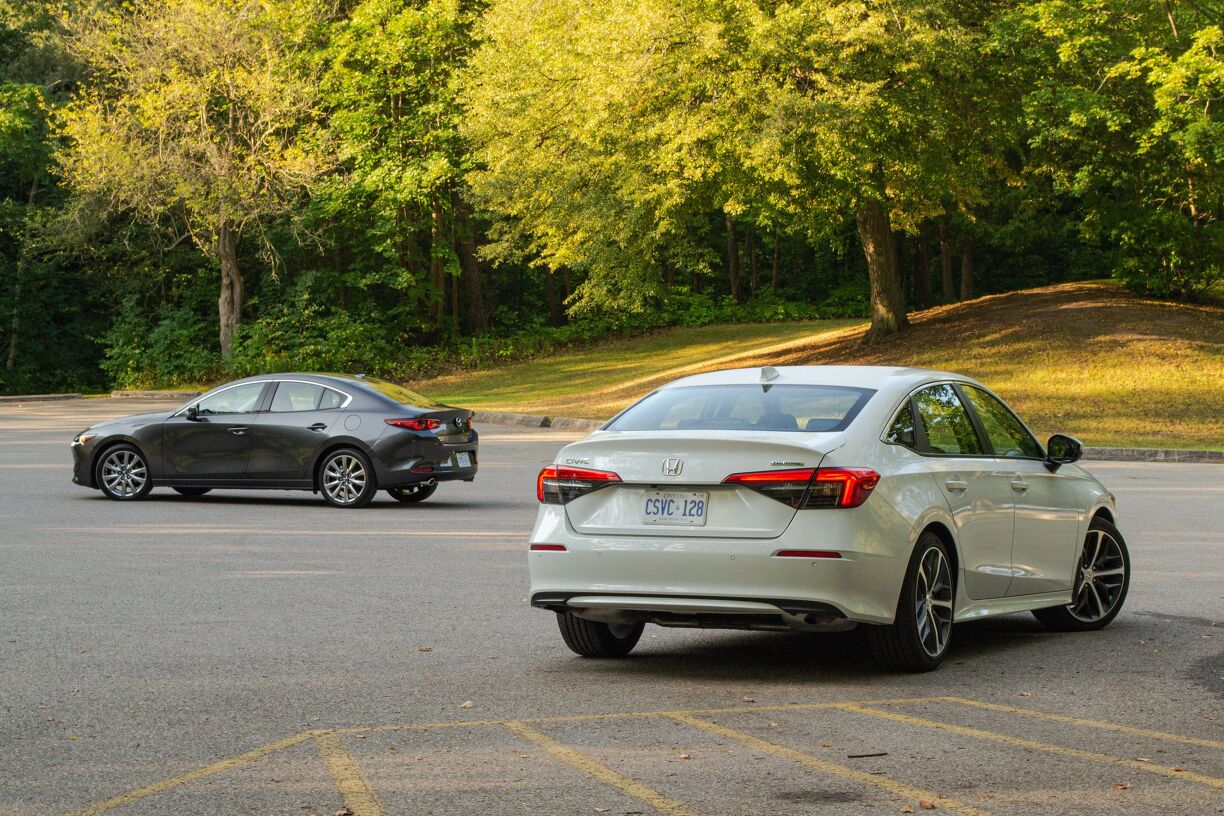
Reliability and ownership confidence: the trust premium
Value retention thrives on trust. If buyers believe a vehicle won’t surprise them with costly repairs, they’re willing to pay more—or at least they’re less likely to bargain aggressively.
Honda has long carried a reputation for dependable engineering and accessible service networks. That matters. When a car is predictable, its resale price tends to reflect that stability. Civic ownership often gets described as straightforward: routine maintenance, good longevity, and a “set it and forget it” vibe.
Mazda also earns respect for durability, but the ownership story can sound more like “well-built and engaging” than “bulletproof appliance.” That distinction isn’t trivial. It changes who’s shopping used, and what those buyers are emotionally attaching to the car when they write the check.
In practice, both cars generally score well enough to avoid the dreaded scenario where buyers assume reliability risk. The Civic tends to benefit from broader brand familiarity, while the Mazda3’s value is bolstered by buyers who actively seek driving refinement.
Fuel economy, running costs, and the math that follows you
Resale markets are not just romantic; they’re mathematical. Fuel economy and predictable running costs influence the effective lifetime cost of a vehicle. Buyers don’t want spreadsheets, but they want outcomes that resemble spreadsheets.
Both the Civic and the Mazda3 offer competitive efficiency depending on powertrain and drivetrain. When a model is known for strong mileage, it tends to retain value because operating cost uncertainty drops. Low uncertainty is money in disguise.
Even when the gap in efficiency is modest, the perception can shift demand. A car that’s widely associated with economy becomes easier to price confidently—so it sells more quickly and with less “whiplash” during negotiations.
Trim and options: how your spec can quietly sabotage resale
Here’s where the challenge becomes personal. Value retention can be massively influenced by trim selection and option choices. A car isn’t valued in isolation; it’s valued relative to what used-car shoppers want that week.
The Civic typically has a broad range of popular trims, and many buyers are comfortable targeting the “sweet spot” configuration—often mid-level trims that deliver features without pricing you into a premium. That broad desirability helps the Civic maintain consistent resale strength across the lineup.
The Mazda3’s trick is more subtle: it often feels premium in design and materials, and buyers who like that feel may prioritize certain trims and packages. If you choose an uncommon configuration, resale can become less liquid. Not impossible—just more sensitive to market taste.
So, before choosing a trim, consider your future self. Would a typical used buyer in your region look at your exact spec and feel instantly aligned? If not, value might wobble sooner than you expect.
Demand in the used market: who wants it, and how fast
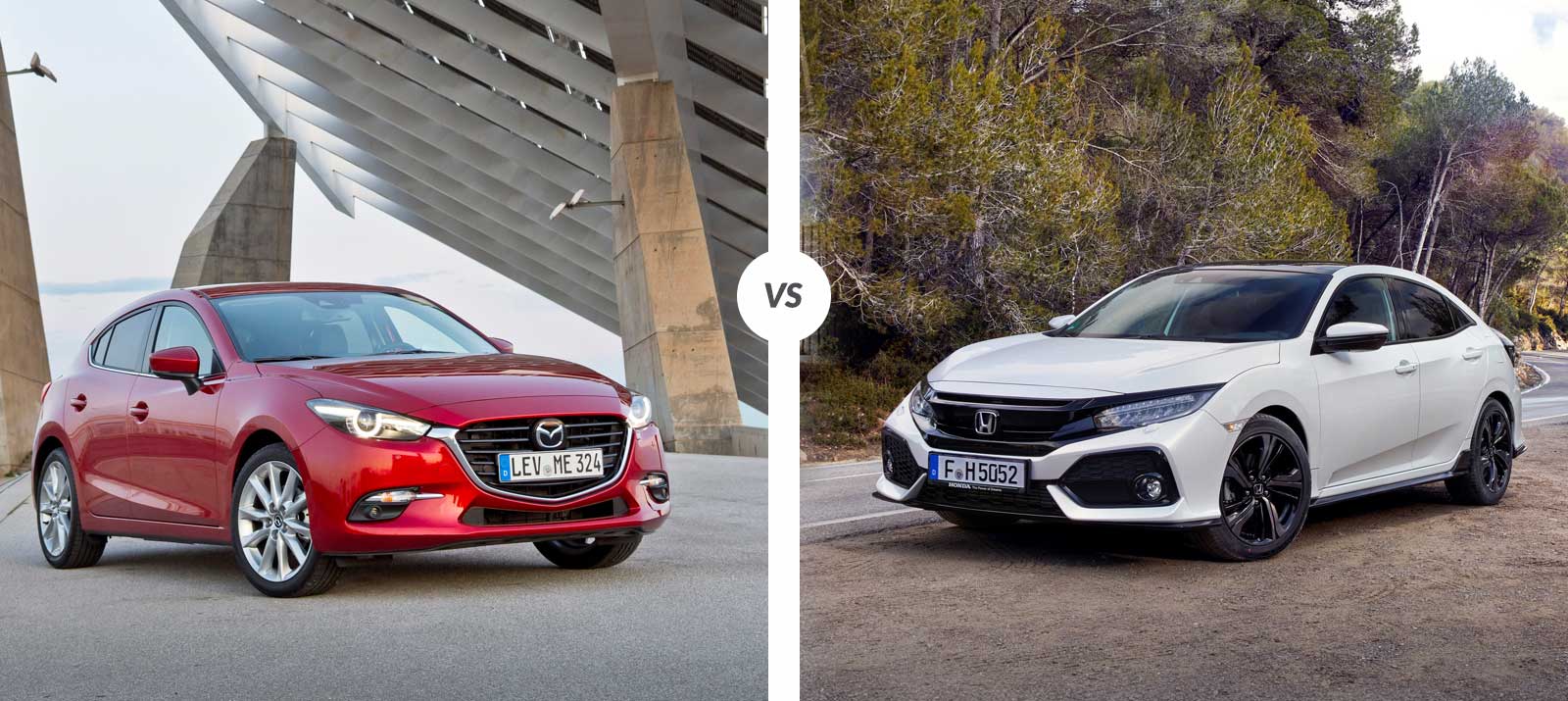
A vehicle holds value better when it’s in demand. Demand is a combination of reputation, availability, and cultural momentum. The Civic enjoys a long-standing presence in the compact segment, so it tends to appear frequently and comfortably on shopping lists.
High visibility can sound like a neutral factor, but it’s not. When a car is easy to find and easy to understand, buyers feel safer. And safer buyers reduce price pressure.
The Mazda3 often competes through desirability rather than ubiquity. It appeals to drivers who care about interior quality, design language, and driving character. That can mean slightly different resale dynamics. Depending on local market preferences, the Mazda3 can hold value strongly when buyers lean into “premium-feeling compact” rather than “most proven mainstream choice.”
Brand perception and the long tail of ownership stories
Over time, cars accumulate reputations like stamps in a passport. The Civic’s reputation is widely familiar—reliable, practical, sensible. The Mazda3’s reputation tends to be more specific—stylish, well-crafted, fun to drive in a restrained, adult way.
Those narratives affect used prices. Broad narratives keep supply moving. Specific narratives can create loyal demand, but it may be more seasonal and more sensitive to trim, year, and market mood.
Neither approach is “worse.” They simply produce different patterns in value retention. The Civic often benefits from broad appeal. The Mazda3 often benefits from buyer passion.
So which holds value better?
If you’re asking for the most likely outcome across typical scenarios, the Honda Civic generally holds value better over time. Its depreciation resilience, widespread demand, and trusted ownership reputation create a stable used-market profile. That doesn’t mean every Civic trim wins every month—markets are messy—but the baseline tends to favor Honda.
The Mazda3 can still be a smart value play, especially if you choose a desirable configuration and you’re buying for long-term enjoyment. In certain regions and model-year conditions, the Mazda3 may close the gap or even surprise. But it usually relies more on a narrower set of buyer preferences, which can make its resale pattern slightly less predictable.
Final word: buy the one you’ll still brag about at year five
Here’s the closing challenge, the one you’ll feel after the first year and again right before selling: resale value is easier to protect when you choose a car that stays emotionally and practically relevant. The Civic tends to be the safe harbor. The Mazda3 tends to be the stylish companion that holds attention.
In the end, the “best” choice is the one that fits your life and aligns with what future buyers will want. Buy confidently, choose carefully, and let the value—quietly, steadily—do its work.