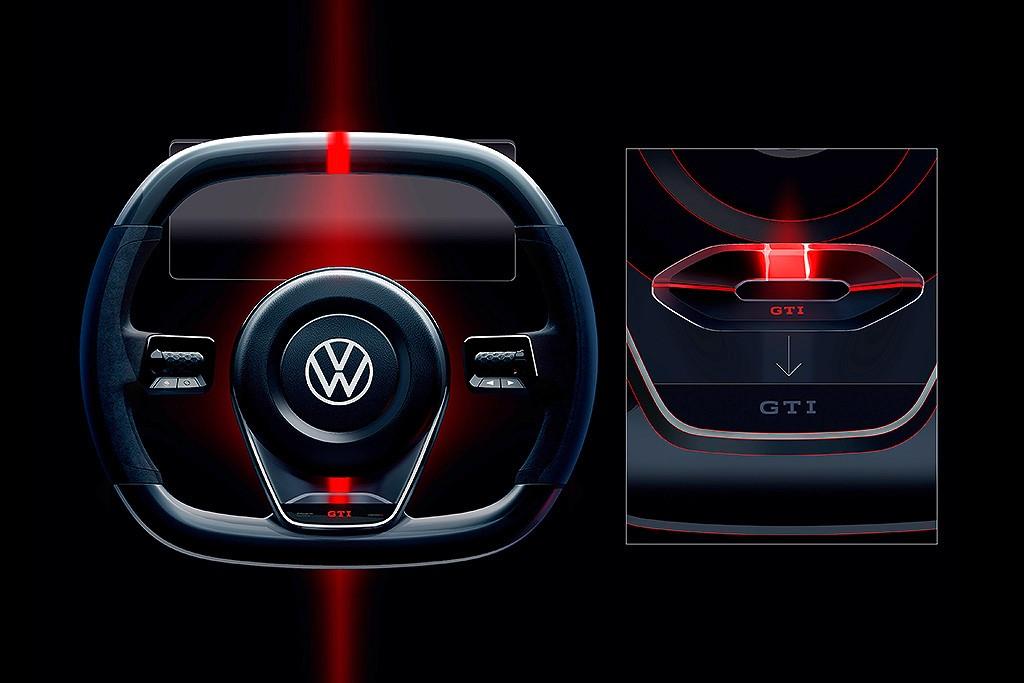
The idea of a hot hatch has always carried a particular electricity—something you can feel before the engine even warms. For decades, Volkswagen’s GTI identity has been less about spectacle and more about an intimate promise: compact proportions, sharp steering response, and a driving character that seems to flirt with the edge of physics. Now, the conversation has shifted. The new Volkswagen ID.GTI preview arrives with an electric pulse, and that sparks a common observation from longtime fans: “Will it still feel like a GTI if the soundtrack and the torque delivery are different?”
It’s a fair question. Yet the fascination isn’t only about replacing an engine with batteries. It’s about discovering how a familiar temperament can be re-expressed—rewritten in a language where acceleration is instantaneous, packaging is freer, and the “hot” part is defined by intent rather than noise.
Why an Electric Hot Hatch Feels Like a Contradiction—Until It Doesn’t
At first glance, the concept can sound paradoxical. Electric cars often get framed as efficient commuters—quiet capsules designed to glide. A hot hatch, on the other hand, is usually described with words like raucous, twitchy, and impatient. That contrast makes the ID.GTI feel like a calculated wager against expectation.
But electric power changes the underlying mechanics of performance. When torque arrives from a standstill, the car’s pace becomes less about rev ranges and more about traction management. The “push” is immediate, which can create a new kind of immediacy—an athletic sensation that’s almost visceral. In other words, the drama may vanish, but the urgency can remain.
This is where the deeper fascination begins. People aren’t simply chasing speed; they’re chasing response. And electric drivetrains, when tuned with precision, can turn response into a defining personality trait.
Instant Torque, New Texture: The GTI Question Reframed
Traditional GTI identity has been built on a specific rhythm: throttle input, turbo spool, the rising surge of power. Even when drivers didn’t consciously track those steps, the car communicated them through sound and sensation. Electric propulsion compresses that sequence. There’s no spool, no waiting. The car answers the pedal now.
That immediacy can either feel sterile or thrilling, depending on calibration. In a well-sorted performance EV, torque delivery becomes a sort of choreography—controlled, progressive, and intentionally “human,” despite its mechanical immediacy. The sensation of speed can be converted into traction and steering feedback, rather than simply being a straight-line shove.
The most compelling part is how engineers can sculpt the feel. The same battery power can be mapped to different personalities: calm in normal driving, aggressive on demand, and nuanced when the driver transitions between throttle and steering. A hot hatch thrives on that interplay.
So the question isn’t whether the ID.GTI will mimic a gas engine. It’s whether it will capture the emotional logic that made the GTI a cultural landmark: eagerness, balance, and a willingness to react instantly to driver intention.
Design: Compact Proportions, Maximized Purpose
The best hot hatches always look like they’re ready to move even when parked. That visual readiness isn’t just styling; it’s an argument about aerodynamics, stance, and how the car visually communicates speed.
Electric platforms can shift design priorities because they remove the need for certain engine bay constraints. Batteries require careful packaging, but they also open opportunities for a flatter underbody and revised component layouts. A compact electric hot hatch can become a geometry problem, not a packaging compromise.
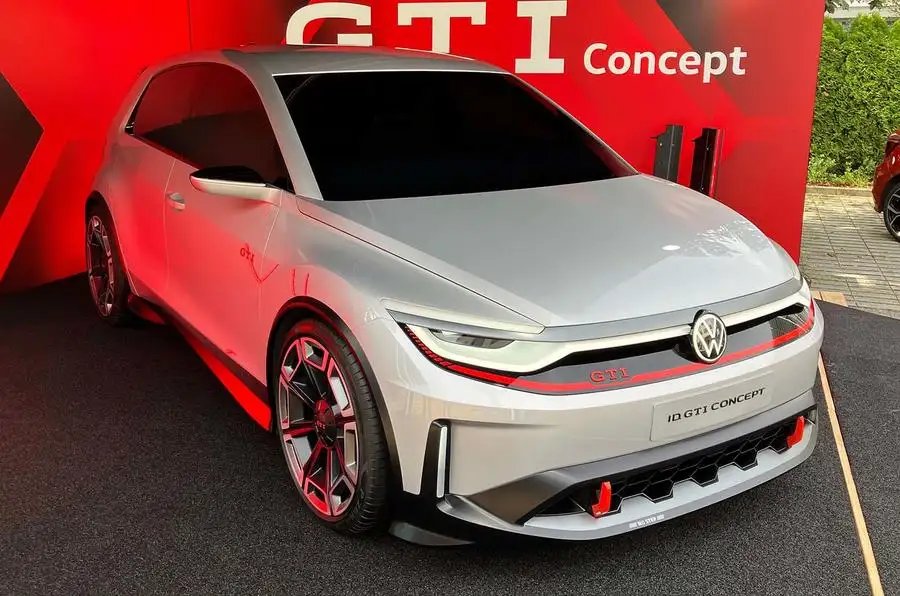
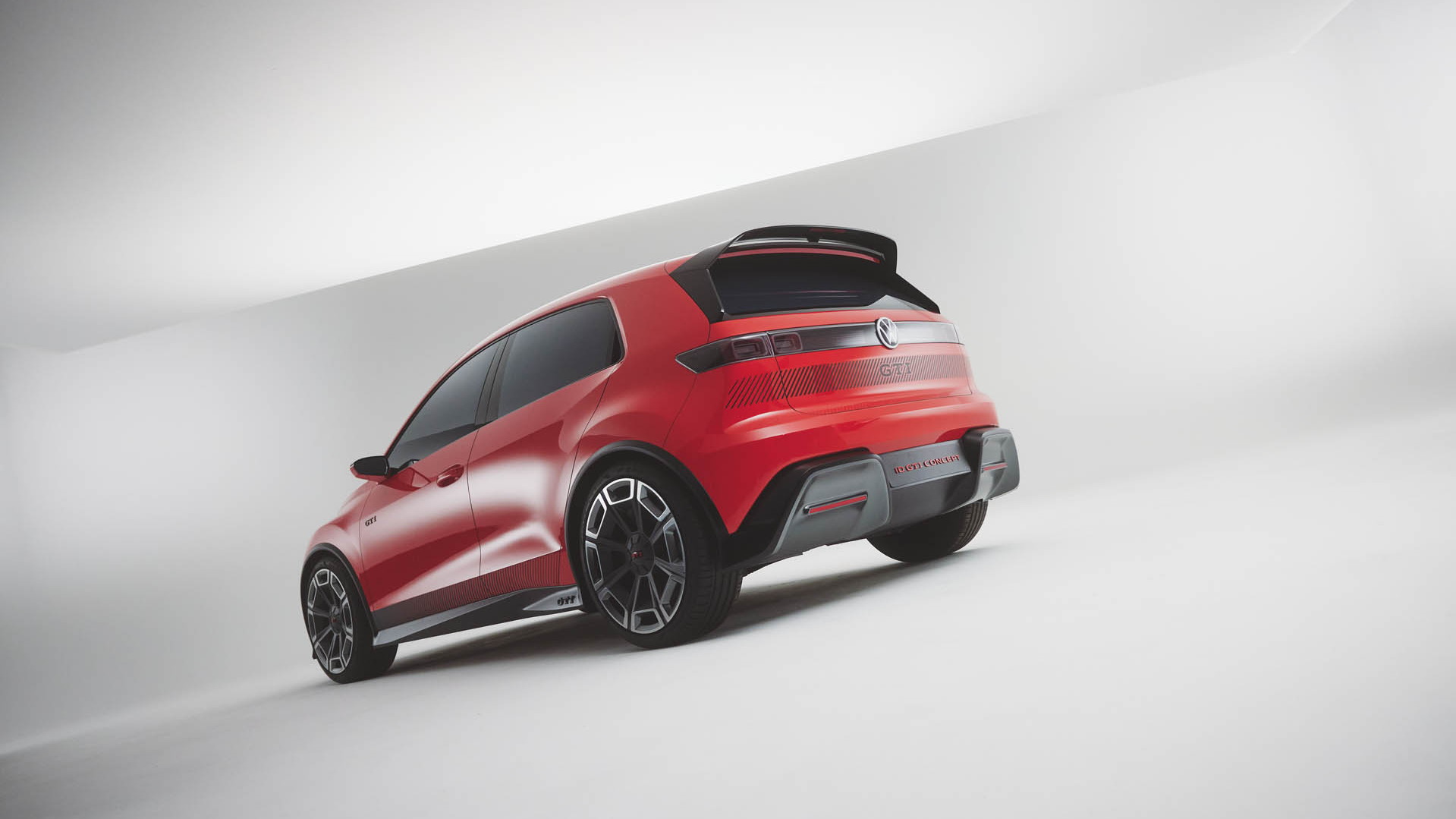
When the proportions remain crisp, the design can amplify performance cues—wider stance, purposeful front-end proportions, and details that signal performance intent rather than generic “future car” aesthetics. The result is a car that looks like it belongs to the hot hatch lineage, even if its propulsion story is rewritten.
In the ID.GTI preview, the fascination isn’t only in what the car promises. It’s in how it carries that promise forward through silhouette and surfacing—lines that suggest dynamism rather than fragility.
Platform Logic: Where the “Hot” Goes When You Remove the Engine
Performance heritage usually lives in the drivetrain, but it also lives in the architecture around it: weight distribution, suspension placement, and how the car loads its tires when you corner hard. With electrification, the powertrain architecture becomes more modular and, in many cases, more efficient in terms of packaging. That can translate into better baseline dynamics.
Yet batteries add mass, and mass distribution can be a decisive factor in handling feel. The deeper challenge is turning potential extra weight into composure. The solution is not simply adding stiffer springs or thicker tires. It’s tuning the whole system—software torque management, braking calibration, steering assist behavior, and the damping curve that controls how the body settles during transitions.
That’s why enthusiasts often become more intrigued than skeptical. A traditional GTI already had a known recipe. An electric GTI is an opportunity to discover a new recipe—one that might be more precise, more consistent, and potentially more agile in the ways that matter for everyday driving.
Braking, Regeneration, and the Science of Feel
One of the most overlooked parts of electric performance is braking strategy. Regenerative braking can provide strong deceleration while simultaneously recharging the battery. But for a hot hatch, the driver’s trust must be immediate and predictable.
The sensation of braking is a language. If regeneration is too aggressive, it feels abrupt. If it’s too weak, the car feels inefficient and disconnected. The ID.GTI preview conceptually points toward a refined approach—one where deceleration is blended to maintain confidence through corner entry and mid-corner adjustments.
Regeneration can also enable more fluid driving lines. Instead of relying solely on friction brakes, the car can modulate deceleration using electric torque. This transforms technique. Drivers can approach corners with a different kind of rhythm—less about last-second braking, more about continuous control.
The fascination grows because this isn’t just “efficiency tech.” It becomes part of performance pedagogy, teaching a car’s limits through tactile feedback rather than through engine noise.
Software Personality: The Hidden Engine of an Electric GTI
Many people assume EVs are governed by hardware. But modern performance is increasingly defined by software. Driving modes, torque maps, traction logic, and thermal management influence how the car behaves when pushed hard.
A hot hatch isn’t only fast; it’s responsive under stress. When you ask for repeated acceleration, the drivetrain must keep delivering power without overheating or falling into protective limp states. That requires thermal intelligence—managing battery temperatures, inverter loads, and cooling flow rates. It’s engineering that happens quietly, unseen, but felt in consistency.
Then there’s the matter of “personality.” Steering feel can change. Throttle response can become sharper. Traction control can intervene with less intrusion. Even the behavior of stability systems can be calibrated to protect performance without erasing it.
This is where Volkswagen’s heritage matters again. A GTI has always been about a curated character. If the ID.GTI can preserve that curation—translating it into software—then it can feel like a genuine evolution, not a detour.
Beyond the Road Test: Why the ID.GTI Still Captivates
It’s tempting to measure this kind of preview solely against lap times and spec sheets. But fascination is rarely so linear. People are drawn to the symbolic shift: an icon of spirited compact driving moving into electrification.
There’s also a cultural undercurrent. The hot hatch has always been attainable performance—attainable enough to invite repeat visits to the same corner, to the same on-ramp, to the same stretch of road. Electric propulsion reframes that accessibility. It can make performance feel easier to summon, and it can reduce some mechanical complexity associated with traditional engines.
Yet the deeper reason is emotional. A GTI is remembered for how it makes you feel. If the ID.GTI preview can deliver that same sense of directness—through acceleration, balance, and tactile control—then it can earn its place in the lineage.
Electricity may change the form, but it doesn’t have to change the meaning.
Conclusion: A New Kind of Hot, Still Grounded in GTI
The Volkswagen ID.GTI preview invites skepticism for good reasons. The familiar engine-centric drama is gone. The mechanical soundtrack is different. The way speed builds is no longer the same narrative. Still, the concept feels compelling because it appears to target the real heart of the hot hatch: immediacy, balance, and the thrill of precise driver-car communication.
In the end, the fascination isn’t merely about whether an electric hot hatch can be “as good as” a gas one. It’s about whether it can be distinctly itself while honoring the temperament that made the GTI a global touchstone. And if the engineering succeeds, the ID.GTI will prove that the future of spirited compact driving can be both clean and charged—ready to move, even before you press the pedal.