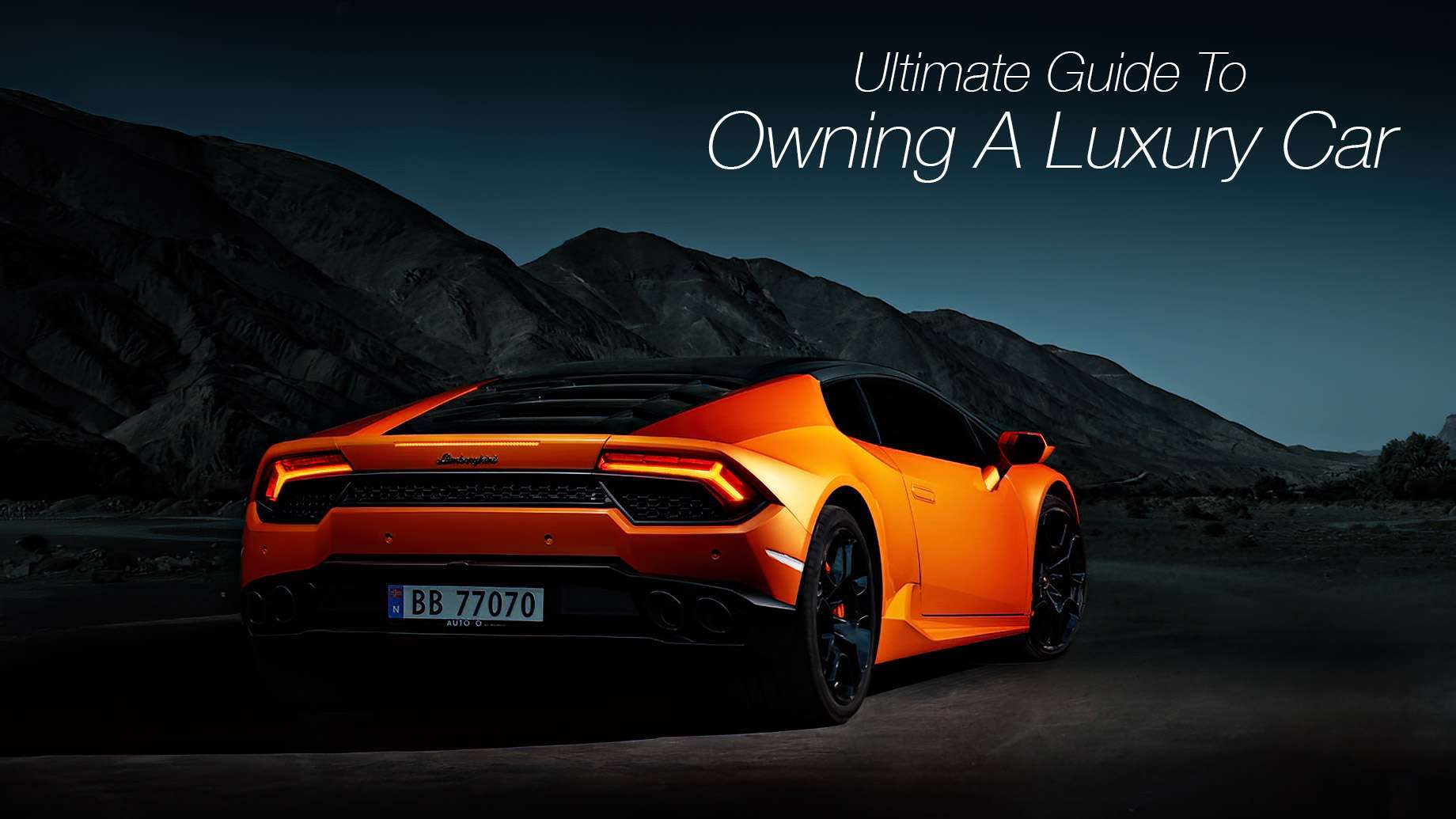
Owning a luxury car in 2026 is no longer a simple transaction; it’s a sustained relationship. The vehicle becomes a quiet stage for your routines—morning commutes, weekend escapes, boardroom arrivals, and the small rituals in between. Yet the allure of leather, laser-lit elegance, and whispered drivetrain refinement comes with a portfolio of practical considerations. The pros can feel incandescent. The cons can feel like invoices delivered by a very patient, very precise universe. And the realities—those unromantic truths—tend to decide whether your ownership story becomes a triumph or a slow-burn frustration.
Below, you’ll find what readers can truly expect: the benefits that matter, the drawbacks that surprise, and the lived, day-to-day realities across purchase paths, ownership costs, technology, maintenance, insurance, and lifestyle fit. Consider this an ownership compass—less about slogans, more about direction.
The Luxury Experience in 2026: What’s Actually Different Now
Luxury has always been about more than speed. In 2026, it’s increasingly about orchestration: the seamless choreography of infotainment, driver assistance, and ride comfort. Many luxury brands now treat the cockpit like a living room extension—gesture control, adaptive ambient lighting, and voice interfaces that respond with a calm confidence. Some interiors also incorporate advanced materials that resist wear patterns better than earlier generations, which matters if you actually drive your car instead of merely admiring it.
Comfort remains a cornerstone, but the definition of comfort has broadened. It includes low-noise cabin acoustics, suspension systems that “read” road irregularities, and thermal management that keeps cabin temperatures stable even when weather behaves unpredictably. The result is a car that feels less like machinery and more like a calibrated instrument.
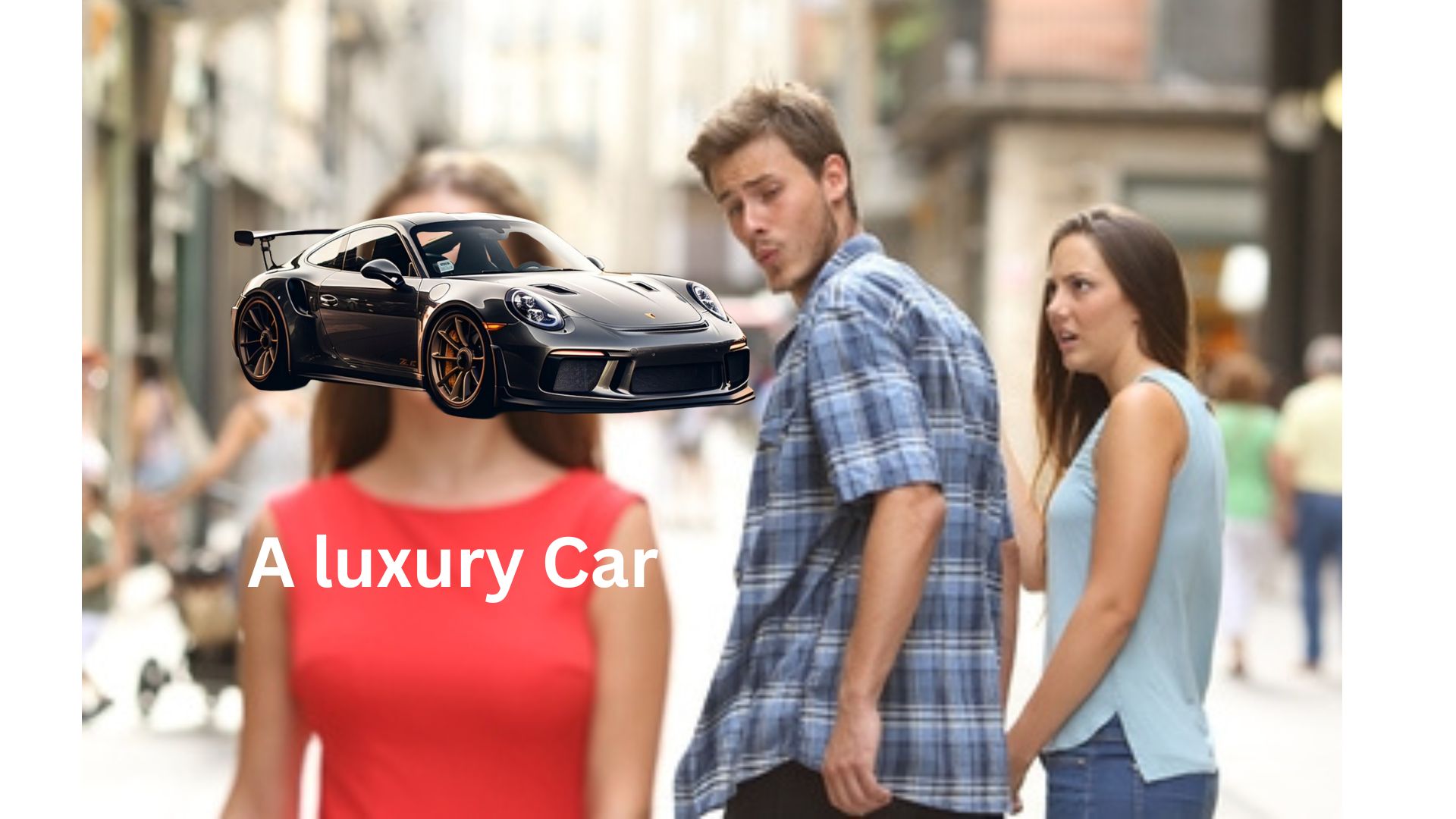
Pros: The Case for Luxury Ownership
The first pro is unmistakable: the sensory quality of the car. The steering feel, the way doors close with authority, the subtle resistance in pedals, and the visual coherence of the dashboard all contribute to a sense of intention. It’s not merely aesthetics; it’s feedback—information delivered through touch, sound, and light.
Second, luxury cars tend to deliver a higher ceiling for safety and driver assistance features. Adaptive cruise control, lane-centering support, automated emergency braking, and blind-spot monitoring are more sophisticated than in earlier years. While no system replaces attentive driving, a well-designed suite can reduce fatigue and help you arrive with less mental residue.
Third, there’s social and psychological value. Arriving in a luxury vehicle can alter how people perceive time and professionalism. That may sound superficial, but it’s not solely about vanity. It’s about confidence—your own and sometimes others’—and the way your presence is received in meetings, events, or high-traffic scenarios.
Finally, many luxury brands cultivate ownership ecosystems—premium services, scheduled maintenance programs, concierge options, and curated partnerships. These features can turn ownership into something closer to a subscription relationship than a sporadic repair cycle.
Cons: The Hidden Costs That Catch People Off Guard
Luxury ownership is often expensive in ways that aren’t obvious at the dealership. Tires can cost more than expected, brake jobs can be meaningfully pricier, and replacement parts can carry a markup that feels disproportionate—especially when specialty components are involved.
Insurance is another major lever. Luxury vehicles often score higher premiums due to replacement costs, advanced technology, and repair complexity. Even when the car is safer, the math of underwriting may still favor higher cost brackets. If you’re planning to buy, obtaining insurance quotes early is not optional—it’s due diligence.
Technology can also be a double-edged sword. Feature-rich dashboards and advanced driver assistance systems are wonderful when new, but software updates, subscription connectivity packages, and warranty coverage details can create friction later. A car that relies heavily on digital services may require careful attention to terms, ownership timelines, and expiration dates.
And then there’s maintenance logistics. Not every neighborhood has a specialist with diagnostic capability for a specific luxury platform. When the service network is limited, you may face longer lead times, higher labor rates, or the inconvenience of coordinating scheduling around parts availability.
Realities of Buying in 2026: Dealership, Leasing, or Subscription Mindsets
In 2026, buyers are increasingly strategic. Some choose purchase for long-term ownership and eventual value stabilization; others prefer leasing to keep costs predictable and avoid aging-tech concerns. Leasing can feel like paying for the experience rather than the depreciation risk, which is attractive for buyers who change vehicles frequently.
There’s also a mindset shift: more drivers treat car ownership like an ecosystem subscription—especially when connectivity services, premium maintenance bundles, or warranty extensions are bundled into the decision. The “best” option depends on your driving patterns, your tolerance for tech upgrades, and how long you genuinely want to keep the vehicle.
Another reality: negotiation and pricing transparency vary. Some luxury brands are more inventory-conscious than others, and incentives can appear seasonally. Buyers who understand current market conditions often avoid paying a premium that doesn’t translate into long-term benefits.
The Maintenance Reality: From Routine Service to Surprise Repairs
Luxury vehicles often reward consistent care. Regular oil changes, brake inspections, tire rotations, and system checks help prevent minor problems from metastasizing into expensive work. Many owners underestimate how quickly small issues—sensor drift, coolant irregularities, electronic module glitches—can escalate in modern platforms.
When repairs happen, complexity is the story. Luxury cars may require calibration procedures, advanced diagnostic scans, and specialized labor. Even “simple” tasks can involve software authentication or reinitialization steps. This is not a deterrent by itself, but it is part of the ownership reality.
To reduce unpleasant surprises, many owners keep a meticulous service record. It improves predictability, supports warranty claims when applicable, and can strengthen resale value later. There’s a certain quiet power in documentation.
Technology, Connectivity, and the Subscription Drift
The modern luxury car often carries a digital nervous system. Navigation, cloud-assisted traffic intelligence, streaming audio integration, and driver-assistance configuration may rely on connectivity services. Some of these features are included; others may be packaged as optional or time-limited subscriptions.
This creates a new ownership question: What happens when a subscription ends? Some features may degrade gracefully, while others can become temporarily restricted. Buyers should review service terms, update policies, and warranty coverage for software-dependent features.
On the bright side, ongoing updates can improve performance, refine drivability, and fix known issues. In 2026, software isn’t merely decorative; it’s a living component of the car’s character. Still, the smart move is to understand which capabilities are hardware-based and which are service-based.
Insurance, Financing, and Depreciation: The Numbers That Decide Everything
Luxury car ownership lives or dies by financial clarity. Beyond the sticker price, the practical equation includes financing rates, down payments, insurance premiums, and likely depreciation. Depreciation can vary widely based on brand perception, model desirability, and the speed at which technology becomes “old.”
Consider total cost of ownership rather than monthly payments alone. A car that appears affordable at the outset can become expensive if tires, service intervals, or insurance climb faster than expected. Meanwhile, a well-maintained luxury vehicle with strong documentation can hold value more gracefully than a neglected counterpart.
If you’re planning to finance, confirm gap coverage needs and warranty options. If you’re leasing, understand mileage limits, wear-and-tear policies, and the return inspection process. The goal is to avoid end-of-term surprises that turn paperwork into emotional turbulence.
Community and Content: What Readers Will Keep Wanting to Hear
Luxury ownership is increasingly social. Owners trade recommendations about service centers, share experiences about winter performance, compare comfort in long road trips, and swap opinions on which packages are genuinely worth it. Content readers expect often falls into several categories: “what it costs” breakdowns, ownership diaries, and feature explainers that reveal whether a system is genuinely useful or merely impressive.
Many drivers also seek lifestyle content—how to integrate luxury into daily life. That includes etiquette of arriving in a premium car, etiquette around charging or fueling routines for electrified models, and practical guidance for protecting upholstery and trim. Some want styling and detailing routines, but others want the unglamorous truth: how to keep surfaces from aging too quickly.

Community membership also fuels content demand. Luxury car clubs and owner groups provide mentorship for new buyers, access to events, and a network for troubleshooting. The best communities don’t just celebrate the car; they help owners navigate reality—where to service, what to monitor, and how to protect the investment.
Pros vs. Cons Summary: A Clean, Honest Decision Framework
If you crave a refined driving atmosphere, advanced safety systems, and a sense of confidence that feels tangible, luxury ownership can be deeply rewarding. If you value predictable costs, straightforward maintenance, and minimal digital dependency, you may find luxury frustrating.
The decision becomes easier when you ask three questions. First: Are you willing to pay for complexity? Second: Do you plan to keep the vehicle long enough for updates, warranty coverage, and careful maintenance to pay off? Third: Are you comfortable managing subscriptions, software terms, and insurance realities?
Luxury in 2026 is not purely a purchase—it’s a commitment to ongoing stewardship. When you approach it with eyes open, the experience can feel like a private theater: quiet, precise, and unmistakably yours.
Outro: Make Ownership Feel Like an Upgrade, Not a Burden
Luxury car ownership in 2026 offers more than prestige. It delivers a refined sensory life, often improved safety, and a modern ecosystem that can elevate every trip. Yet it also demands practical preparation—budgeting for higher costs, understanding repair complexity, and staying informed about technology and service terms.
Choose deliberately, maintain diligently, and treat the car as an evolving system rather than a static trophy. When the realities align with your lifestyle and expectations, luxury becomes less about aspiration and more about satisfaction—an enduring, elegant companion on the road ahead.