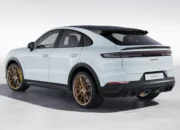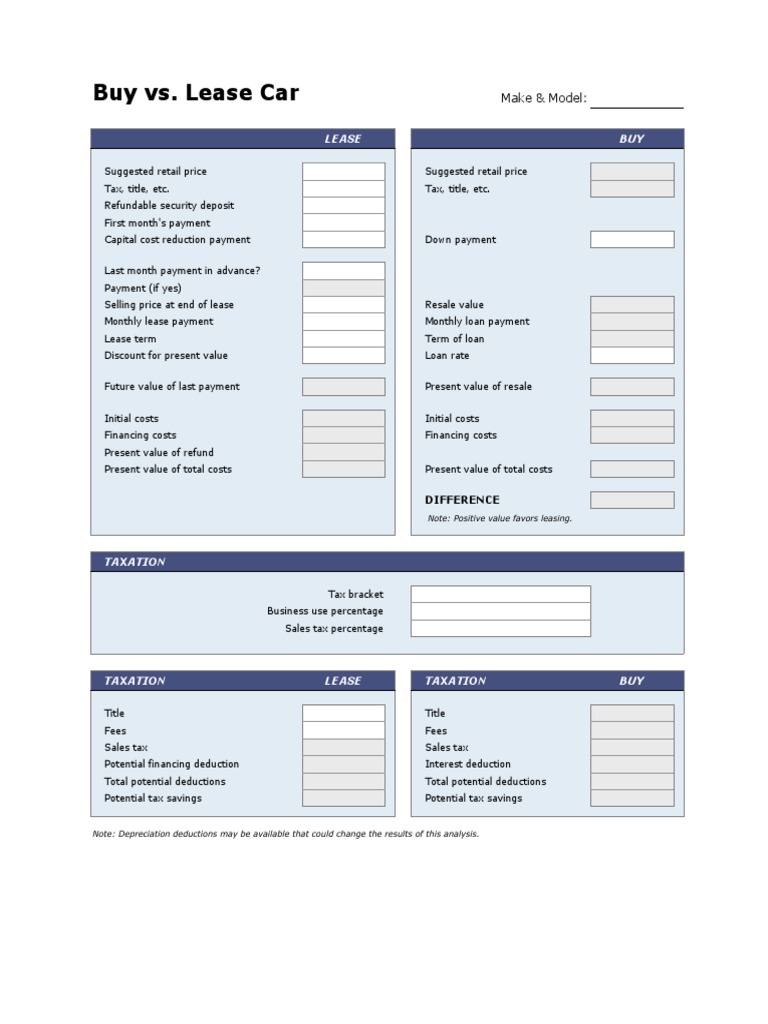
Picture this: it’s a crisp morning in 2026, the valet hands you the keys, and your luxury sedan hums into motion like a well-rehearsed symphony. Then the other voice kicks in—quiet, persistent—asking whether you’d rather own that beauty outright. So here’s the playful question that refuses to sit still: Are you the “lease-and-glide” type, or the “buy-and-build-a-fleet” type? Now, the challenge: luxury decisions aren’t just about car taste. They’re about math, temperament, and timing—because the wrong choice can turn a dream drive into a stressful spreadsheet.
Let’s unpack 2026 luxury car leasing vs. buying in a way that feels practical, not preachy. By the end, you’ll have a clear sense of which path fits your lifestyle, your budget cadence, and your appetite for novelty.
Start With Your Personality: Novelty Lover or Long-Term Keeper?
First, think about your relationship with change. Leasing often suits drivers who like to refresh their ride every few years. Maybe you enjoy the newest driver-assistance features, the latest infotainment, or simply the thrill of a new interior aroma—yes, that matters. Luxury brands increasingly treat technology updates as a selling point, and leasing can help you stay current without committing to a single long ownership arc.
Buying, by contrast, tends to align with those who prefer stability. You might care less about what’s trending and more about what’s dependable. If you keep cars for a long time, you can amortize the initial cost over years, and the vehicle becomes less like an “upgrade cycle” and more like a familiar tool.
The decision often boils down to a fundamental lifestyle question: Do you want your car to evolve with you, or become part of your routine?
2026 Cost Reality: The Down Payment Myth and the Hidden Levers
Luxury car pricing can be slippery, because the sticker number is only the opening act. Leasing typically involves lower monthly payments than buying—often without needing to finance the entire purchase price. But monthly payment isn’t the whole story. Leasing agreements frequently include fees, insurance considerations, and mileage parameters that can make costs feel “surprising” later.
Buying usually requires higher upfront outlay, especially if you choose a larger down payment or pay cash. Yet buying can reduce long-term uncertainty. Once the loan is paid off, the car’s ownership costs can feel more predictable. Still, maintenance, tires, and eventual repairs are your responsibility, and luxury vehicles can be… creatively expensive.
Key challenge to watch: compare total cost of ownership over your expected timeframe, not just the first-year monthly amount. A fair comparison looks at depreciation, financing terms, fees, and how long you plan to keep the vehicle.
Depreciation: The Silent Plot Twist in Luxury Leasing
Depreciation is the engine behind most lease math. In a lease, you’re essentially paying for the portion of the vehicle’s value that drops during your term—plus interest and fees. Luxury cars can depreciate differently than mainstream models. Condition, mileage, and market appetite for that specific trim can swing residual values.
In 2026, supply chain improvements and shifting consumer tastes can keep residual values dynamic. That means a luxury lease that looks “reasonable” on day one could become expensive if the market interpretation of the car changes.
Buying lets you ride the depreciation curve longer. If the car holds value well or if you plan to keep it past the typical upgrade horizon, buying can become financially elegant. But if you enjoy switching vehicles often, leasing can be a pragmatic approach to avoid being trapped in the depreciation tail.
Mileage and Wear: The “Life Happens” Problem
Here’s where leasing can get mischievous. Lease contracts typically set annual mileage limits. Exceed the cap, and you may face per-mile charges at return. In real life, that’s not always easy to predict—road trips happen, commutes expand, and sometimes you simply stop thinking about mileage.
Wear-and-tear rules also matter. Luxury interiors may be “forgiving” in person but strict on inspection forms. Scratches, dents, upholstery blemishes, and even certain tire conditions can trigger fees.
Buying gives more freedom. You can put more miles on the vehicle and repair it as you see fit. Still, you’re investing in future resale condition. So while buying reduces lease-return anxiety, it doesn’t eliminate the importance of care.
In short: leasing can be great if your driving aligns with the contract. Buying can be better if your driving pattern is anything but predictable.
Interest Rates and Financing: The 2026 Chessboard
In 2026, both leases and loans are influenced by prevailing interest rates. But the way you feel the rate changes can differ. Lease payments may reflect money factor and residual value assumptions. Buying reflects the APR on your loan and the depreciation schedule embedded in market pricing.
If rates are high, financing a purchase may feel heavy. Leasing can sometimes soften the monthly impact, though not always. Meanwhile, buying can become attractive when loan terms are favorable, or when you plan to keep the vehicle long enough that the initial financing cost becomes a background note.
Practical challenge: evaluate lease offers alongside loan pre-approval terms. Even a small difference in interest rate can alter the real cost over time.
Warranty and Maintenance: Predictability vs. Autonomy
Luxury cars often come with warranties that cover many core components. With leasing, that coverage period frequently coincides with the entire lease term, making maintenance feel more controlled. You can budget with less dread, and you may avoid the “out of warranty” cliff that hits after several years of ownership.
Buying may keep you covered initially too, but the later years depend on how long you keep the car. If you plan to keep it until the tires resemble sculpture and the battery develops personality quirks, you might want to factor in extended warranties or self-funded repairs.
Autonomy matters. With buying, you choose the repair strategy—dealer, specialist, independent shop—depending on your standards and your comfort level.
Resale and Endgame: What Happens When the Lease Ends?
Leasing ends; buying continues. That’s the biggest difference you can feel emotionally. At the end of a lease, you return the vehicle or purchase it, depending on the contract’s buyout terms. If your car meets condition and mileage expectations, the process can be smooth. If not, penalties can feel like a tax on spontaneity.
Buying creates a resale path. You can trade in, sell privately, or keep the car. But selling a luxury vehicle requires attention to presentation: service records, clean detailing, and tire condition can meaningfully affect offers.
Here’s the narrative twist: leasing can feel like a short story with a defined ending, while buying is a novel with chapters you control.
Opportunity Cost: Where the Money Actually Goes
Another hidden lever is where your cash sits. If leasing requires less upfront capital than buying, that difference can be invested or used for other life plans. The opportunity cost question is surprisingly sharp: would you rather tie up funds in equity you won’t realize soon, or allocate capital elsewhere?
Conversely, buying can build asset value. Even if the car doesn’t appreciate (most don’t in the early years), owning can still provide leverage when negotiating future purchases or when you decide to sell.
In 2026, the best choice is often the one that matches your financial strategy, not just your automotive preferences.
Personal Fit: Lifestyle, Parking, and Family Logistics
Luxury leasing can be especially fitting for people whose routines change. New job, new city, new commute pattern—suddenly the car that seemed perfect becomes “too much” for the next chapter. Leasing can reduce the risk of being stuck with an asset that no longer fits your geography.
Buying can be ideal when your life is stable. Same area, predictable parking, consistent driving. If you can park at home or manage charging logistics (for some luxury electrics), ownership becomes less complicated and more rewarding over time.
Consider your daily reality: traffic, road quality, weather exposure, and how often you transport passengers. Luxury interiors can be sensitive to harsh conditions, and small lifestyle choices can determine whether you love your car—or regret it.
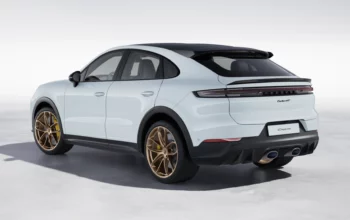
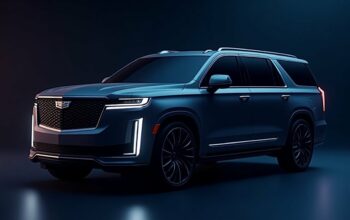
Imagery Check: Which Option Feels Like Your Next Chapter?
Sometimes the decision becomes clearer when you visualize the journey you want—an endless cycle of fresh updates or a steady relationship with your specific vehicle.

And then there’s the reflective perspective: income and budget rhythm. When money is stable and planned, both options can work. When income fluctuates, the structured payments of leasing may feel reassuring—or buying might be better if you can eliminate financing risk quickly.
Use these visuals as mental signposts. The “right” option isn’t universal; it’s personal.
So, Which Is Right for You in 2026? A Simple Decision Framework
Choose leasing if you want: predictable monthly payments (often), the ability to upgrade frequently, and a lower worry level about long-term maintenance—especially if you drive within mileage limits and keep the vehicle in excellent condition.
Choose buying if you want: long-term value, flexibility with mileage, the freedom to modify or repair strategically, and the satisfaction of building equity while keeping the car beyond the typical upgrade cycle.
Most importantly, don’t let marketing noise decide. Let your timeline, your driving habits, and your risk tolerance do the steering.
Outro: Drive the Decision, Not Just the Car
In the end, luxury leasing and luxury buying are both forms of commitment. Leasing commits you to an upgrade lifestyle with defined constraints; buying commits you to ownership with evolving responsibilities. Neither is inherently superior—what matters is whether your choice matches your pace of life.
So go ahead. Ask that playful question again, but with honesty. Are you chasing the newest features like a collector, or are you building a long relationship with a single machine? The best decision will feel less like a gamble and more like a tailored suit—precise, comfortable, and unmistakably yours.