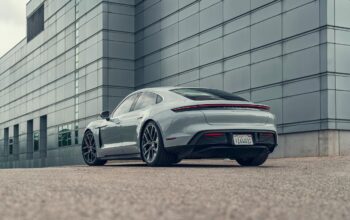
The garage chatter never really dies: Toyota GR Supra and Nissan Z sit in the sweet spot where Japanese engineering meets pure, unfiltered drivability. It’s a duel with two temperaments. One car wears its performance like a perfectly tailored suit—clean lines, tight packaging, and an almost surgical sense of balance. The other feels more like a stage-ready rock anthem—bold presence, visceral response, and an unmistakable promise that the next corner will be taken at full enthusiasm.
In this narrative showdown, we’ll explore what drivers truly experience rather than just what spec sheets claim. Expect a journey through power delivery, chassis character, interior mood, technology and usability, and the subtle details that turn a drive into a memory. We’ll also map out what different reader types can expect—commuters, weekend track explorers, and brand loyalists—so the comparison lands exactly where it matters.
Two Icons, Two Philosophies
At first glance, the GR Supra suggests precision. It looks engineered for momentum. The stance reads low and deliberate, as if every contour is negotiating airflow rather than merely decorating a body panel. The front end is purposeful, and the overall silhouette conveys speed even while standing still.
The Nissan Z, meanwhile, feels like it’s carrying its heritage directly in its design language. It has a more immediate, “press start and go” aura. The shapes feel expressive—like a throwback that refused to stay in the past, modernized with confident aggression.
These aren’t just different aesthetics. They hint at different driving philosophies. The Supra leans toward refinement with a razor edge. The Z leans toward theater—raw, punchy, and emotionally communicative.

Engine Character: How Power Arrives
Power is never just a number—it’s an event. The GR Supra’s acceleration sensation tends to feel urgent and linear once it’s on song, with torque delivery that encourages confident throttle modulation. The car rewards smooth input, but it also punishes hesitation with a kind of responsive impatience.
The Nissan Z has its own rhythm. Depending on the specific model and configuration, it often feels more punchy in the midrange, with a sense of thrust that’s easier to exploit for spirited street drives. This is the kind of engine behavior that makes a driver grin at the simplest opportunities: a short on-ramp, a rolling overpass, or a twisty stretch where braking points arrive early.
Reader takeaway: if you prefer power that feels composed and “thermally stable” under sustained effort, the Supra vibe can be compelling. If you want a more dramatic shove and a soundscape that feels like a performance film soundtrack, the Z can deliver that unvarnished satisfaction.
Transmission and Shift Feel: The Connection to the Road
Transmission behavior defines a sports car more than people realize. The Supra typically emphasizes crispness and efficiency in its driveline approach, focusing on quick response and controlled engagement. Even when you’re cruising, the gearbox behavior often feels like it’s listening—ready to translate your intent into movement.
The Nissan Z tends to feel more communicative through its shift logic and overall pedal harmony. It can feel like it’s inviting you to interact. Short bursts and aggressive downshifts often feel satisfying, and the car’s overall rhythm can encourage repeatable fun rather than merely occasional excitement.
On track-minded days, the key question becomes: does the car support repeatability? The Supra often leans toward a stable, performance-oriented cadence. The Z often leans toward a more emotionally engaging tempo.
Chassis Dynamics: Balance vs. Bravado
The Supra is often associated with a chassis that feels balanced and composed. It’s the type of car that helps you place the nose where you want it, then keeps confidence high through the rest of the arc. Steering feel tends to be direct, and grip usually feels predictable—an important trait when you’re pushing harder than your daily routine demands.
The Z, in contrast, often feels like it’s built to encourage bold entries and dynamic exits. It may not always feel as clinical, but it can feel alive—more tactile, more flavored with personality. That personality can be intoxicating in real-world driving, where roads rarely behave like test tracks.
Different reader expectations: track-day enthusiasts often prioritize confidence under load, consistent turn-in, and stable traction management. Street drivers often prioritize feedback, flexibility, and that moment when you realize the car is helping you discover the road’s secret pattern.
Braking, Tires, and the Art of Staying in Control
Braking is where optimism becomes physics. The GR Supra typically aims for reliable stopping power and effective modulation—useful for both spirited commuting and extended runs where brakes heat up and fade can become a topic. Its tires and traction behavior tend to align well with its balance-focused character.
The Nissan Z’s braking feel often contributes to its dramatic charm. It can be easy to trail brake smoothly and to adjust your trajectory mid-corner with less hesitation. Tire grip and overall composure are key to whether the car feels safe when you decide to “just keep going a bit faster.”
For readers who like to learn their car rather than merely drive it: pay attention to how each vehicle communicates approaching grip limits. One may warn you earlier; the other may urge you forward with confident bite. Both can be mastered, but the process feels different.
Interior Mood: Driver-Centric or Gadget-Driven?
The Supra interior typically strikes a balance between purposeful simplicity and modern convenience. Controls are often laid out to keep you oriented, not distracted. The cabin atmosphere can feel like a cockpit designed for focus—less about spectacle, more about flow.
The Nissan Z’s interior often leans toward comfort with a performance posture. It can feel more inviting for long drives, and the layout frequently supports an everyday usability mindset. Where the Supra might feel like a machine that wants to be driven hard now, the Z may feel like a sports car that wants to be driven often.
Reader types to consider: if you’re frequently commuting or road-tripping, interior ergonomics and visibility become essential. If you’re chasing driving purity, the quality of the driver interface—steering wheel feel, switch placement, pedal refinement—will be the difference between “nice” and “addictive.”
Technology and Daily Usability: The Modern Layer
Modern sports cars aren’t just about horsepower—they’re also about screens, driver aids, connectivity, and refinement under traffic conditions. The Supra generally emphasizes performance-centered tech integration, aiming for quick access and intuitive function while staying out of the way.
The Nissan Z often competes strongly in everyday friendliness, offering a tech ecosystem that feels easy to live with. Driver assistance features can reduce fatigue, and infotainment usability can turn errands into minor victories rather than time sinks.
Expect differences in how quickly you can set up your preferences and how calmly the car delivers assistance without intruding on the driving experience. Neither approach is wrong; they’re just tuned for different lifestyles.
Sound, Sensation, and the Soul of Each Car
Some cars are fast. Others are compelling. The GR Supra often wins with its composed, crisp sensation. The soundtrack may not always be louder, but the overall impression can feel like speed with restraint. It’s the kind of sound that grows on you—subtle, then suddenly unmistakable when you press deeper.
The Nissan Z often feels more sonically theatrical. Even when cruising, it tends to carry character into the cabin, and when you accelerate, the noise and vibration can turn into a visceral handshake between driver and machine.
If you want a sports car that feels like a mechanic’s dream—engine, exhaust, and chassis working together like a well-rehearsed band—the Z often delivers fireworks. If you want a sports car that feels like a well-designed instrument—precise, consistent, and ready to be played—the Supra can feel like it’s tuned for virtuosity.
Value, Ownership, and the Long Game
Owning a sports car is rarely a one-day affair. It’s a relationship with maintenance rhythms, tire costs, insurance considerations, and the practical realities of living with a low-slung performance machine. Both the Supra and the Z come with their own ownership personalities—parts availability, service planning, and the long-term desirability driven by brand energy.
Before deciding, ask what you’ll do most. If you’ll drive spiritedly on weekends and occasionally enjoy track sessions, prioritize tire and brake endurance. If you’ll use it as a regular vehicle, focus on comfort, convenience, and ease of living. If you’re the type who saves receipts and studies wear patterns, you’ll appreciate how each car manages stress during repeated driving events.
So, Which One Wins the Duel?
The answer depends on the kind of joy you want. The Toyota GR Supra often wins when you crave precision, balance, and a composed performance personality. It’s a machine that rewards discipline and turns confident inputs into predictable results—like the road is cooperating with you.
The Nissan Z often wins when you crave emotion, drama, and an engaging street presence. It invites you to feel more than to measure—encouraging spirited driving with a more theatrical temperament.
Ultimately, this duel isn’t about one car being objectively superior. It’s about matching a vehicle’s character to your own. When you find the right fit, both cars become more than transportation. They become a story you tell every time you take the long way home.
Whether you choose the Supra’s refined intensity or the Z’s charismatic bravado, the Japanese sports car spirit remains unmistakable. Turn the key, lean into the throttle, and let the next curve write the next chapter.