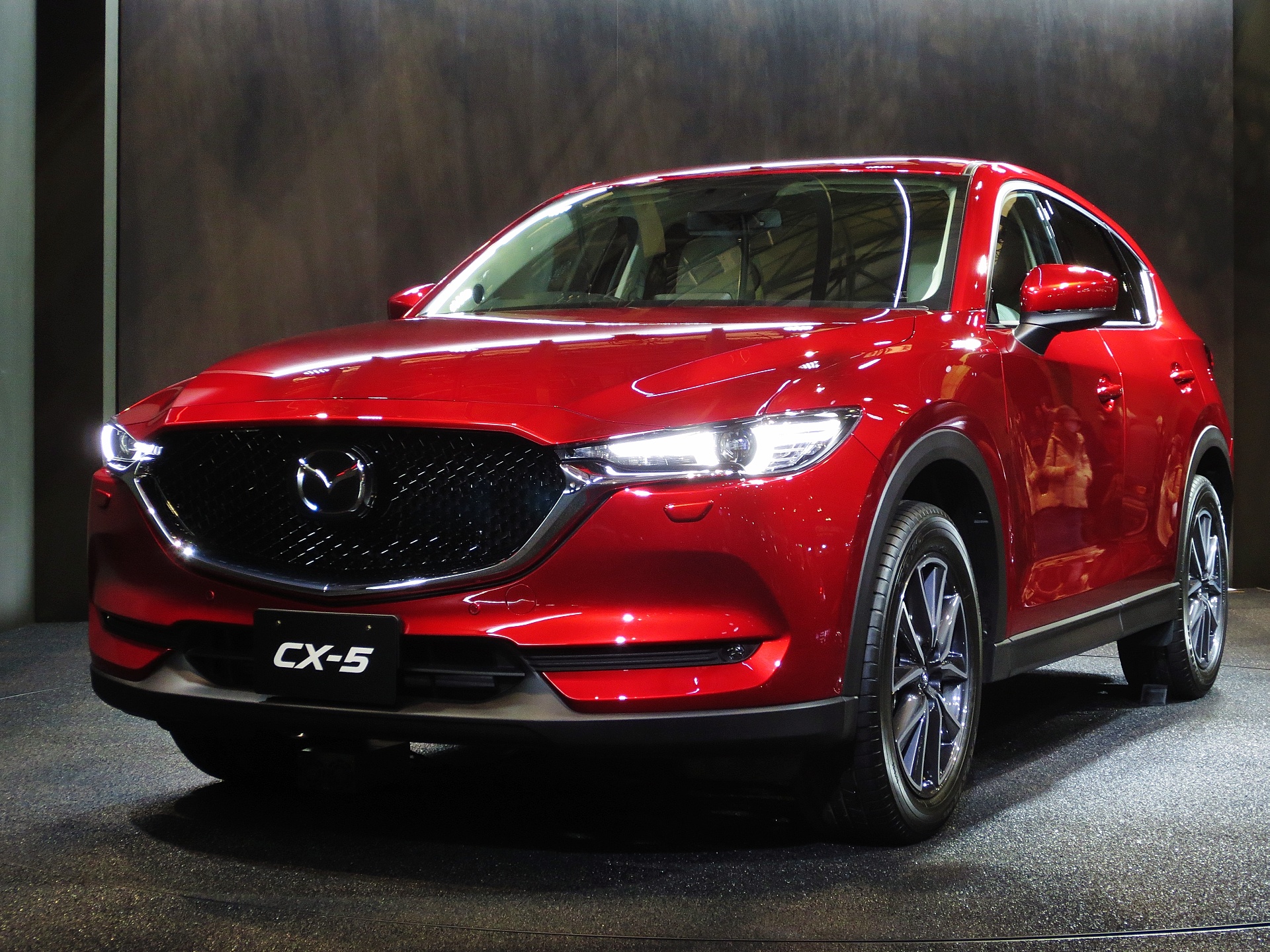
If a car could feel like a secret handshake, the Mazda MX-5 Miata would be it—warm, familiar, and somehow still daring. The roadster remains a small, low-slung promise: no theatrical bloat, no complicated existential crisis. Just you, the road, and a chassis designed to make every bend feel freshly authored. Yet the question lingers, as persistent as summer heat on asphalt: is the MX-5 Miata still the best roadster? The answer depends on what you want from driving. But even in a world of turbocharged bravado and touchscreen everything, the Miata keeps delivering something rare—unfiltered connection.
This review follows the way enthusiasts actually evaluate a roadster: by describing how it looks at the curb, how it settles at speed, and how it behaves when the pavement turns moody. Along the way, you’ll find practical buying considerations, performance impressions, comfort notes, and “who it’s for” clarity. Expect both quick hits and deep dives, because the Miata rewards attention like a good conversation.
First Impressions: The Miata’s Low-Key Charm
The MX-5 Miata doesn’t shout. It suggests. From the outside, the proportions are playful—short overhangs, a sculpted hood, and that classic roadster silhouette that looks instantly right in motion. It’s the kind of design that photographs well, but even better in real life, where sunlight skates across the curves and the stance reads “ready” even when the engine is off.
Roadster styling is often about nostalgia, but Mazda treats it like a living language rather than a museum piece. The details feel intentional: crisp body lines, tasteful reflections, and an overall coherence that resists gimmickry. Even when you’re parked among louder cars, the Miata looks like it belongs to the same universe.
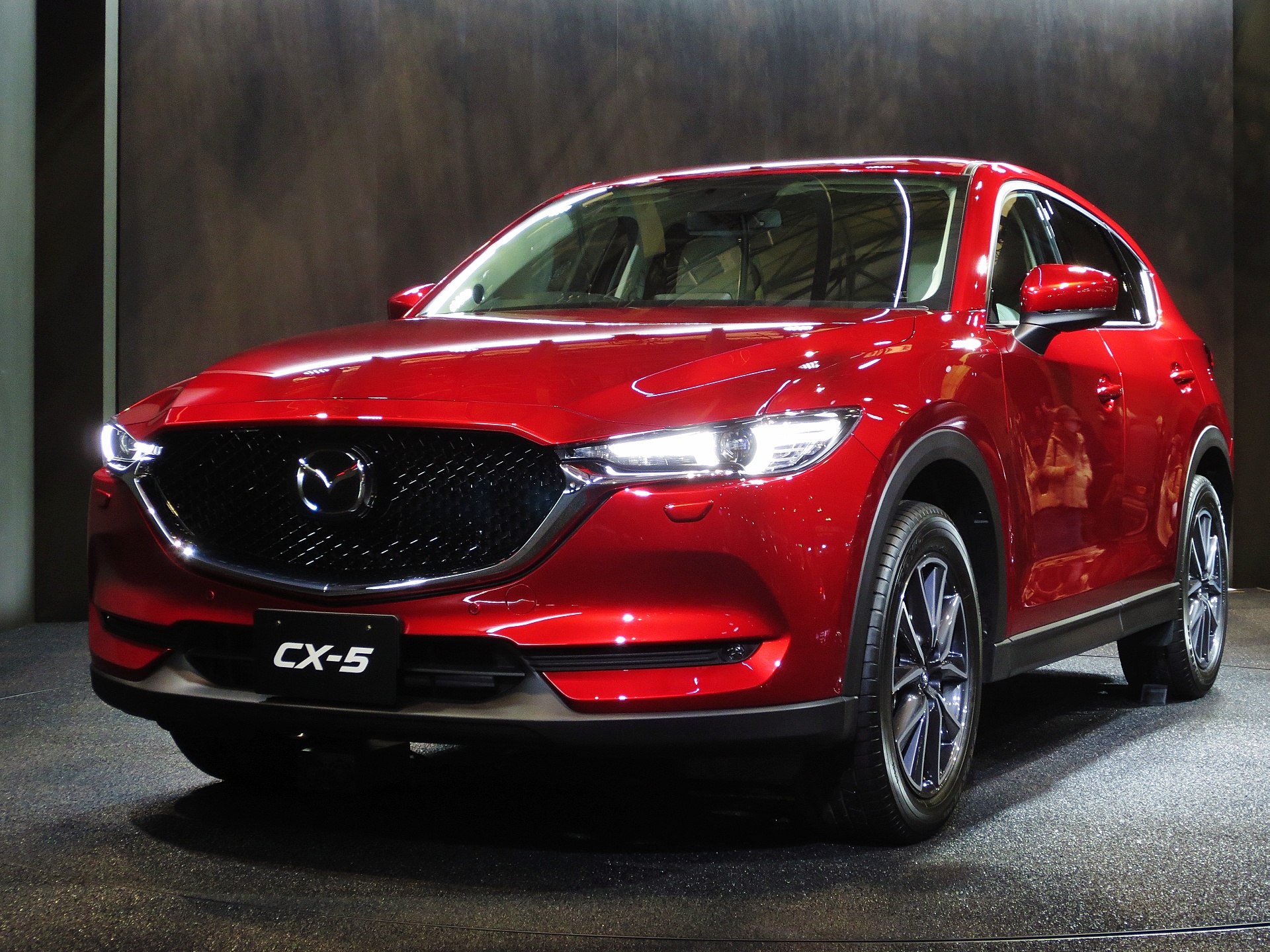
Driving Feel: Where the Miata Still Wins Hearts
The Miata’s reputation isn’t built on numbers alone. It’s built on the sensation of being invited into the car’s operation. Steering communicates with a clean texture—firm enough to feel purposeful, light enough to encourage minute corrections. The chassis responds quickly, but never behaves like a coiled spring trying to impress you at any cost.
In spirited driving, the roadster performs a kind of mechanical empathy. The front end rotates with a willingness that feels almost conspiratorial, while the rear stays composed, giving you confidence instead of anxiety. Braking is predictable and progressive, which matters when you’re juggling apex timing and traffic. Most cars can go fast; fewer make you feel fast in a way that’s believable.
Short wheelbase roadsters often feel nervous to newcomers, yet the Miata’s balance is forgiving. If you’re new, it teaches. If you’re seasoned, it rewards. That duality is a big reason it remains relevant.
Engine Character: Smoothness, Spirit, and Variety
Roadster engines have a particular job: they must be responsive without demanding constant heroics. The Miata’s powertrain philosophy leans toward liveliness and ease. Throttle response is generally crisp, and the delivery feels tuned for real-world driving rather than stopwatch theatrics.
You’ll feel the engine working in harmony with the transmission and drivetrain, especially when you drive with intention. Around town, it’s relaxed and easygoing. On winding roads, it turns into a willing accomplice—pulling cleanly through bends and encouraging you to stay in the power band. It’s not just about acceleration; it’s about how the car reaches its speed. The Miata tends to make the act of accelerating feel like part of a rhythm.
For drivers who love nuance, the Miata’s character encourages different driving styles. Some will chase higher revs, others will glide and manage momentum. Either way, the car’s balance helps you stay fluid instead of jerky.
Transmission and Shifting: The Miata as a Participation Sport
Few things define a Miata experience like the transmission. The act of shifting—whether manual or automatic with manual-like engagement—changes the emotional temperature of the drive. A manual setup can feel like a handshake with the chassis: short throws, precise engagement, and a satisfying mechanical cadence. It invites you to stay engaged, not overwhelmed.
If you choose an automatic, the goal is different: effortless motion with enough control to keep the driver feeling connected. In both cases, the Miata’s aim is the same—reduce friction between your intent and the car’s response.
The best roadsters make you drive; they don’t just carry you. The Miata typically lands in that category.
Handling and Chassis: Not Just Fast—Faithful
Where many modern performance cars chase maximum grip, the Miata hunts for predictability. It’s stable when you ask for it, agile when you flick it into a corner, and rarely feels dramatic in a way that’s dangerous. The suspension geometry and tuning create a sense of continuity. The car doesn’t feel like separate parts stitched together; it feels like one system with a coherent personality.
Turn-in is typically confident, and mid-corner balance feels well-mannered. You can sense traction building and transferring, which is exactly what you want when the road turns into a test of patience and poise. The Miata doesn’t punish you for being human—its behavior is communicative, not cryptic.
Even on rougher pavement, it has a way of filtering chaos without dulling the steering feel. That balance—comfort without numbness—is part of its enduring charm.
Interior and Ergonomics: Small Space, Big Intent
Inside, the Miata keeps things straightforward. The cockpit is driver-centric, with controls placed where your hands naturally fall. The seating position feels sporty without being theatrical, and the overall layout supports a “get in and go” rhythm.
Visibility is a practical point in favor of roadster joy. You feel close to the world outside, which increases confidence. The dash and instrument arrangement tend to keep information easy to parse. It’s not a cockpit designed to impress; it’s one designed to serve.
Cargo space is limited—this isn’t a hauler—but that’s part of the roadster pact. What you carry is what you need: a jacket, a weekend bag, and maybe a pair of sunglasses that can’t wait to be used.
Ride Quality and Noise: A Real-World Perspective
Convertibles have a reputation for varying cabin comfort, and the Miata’s approach generally aims for lively openness rather than isolation. Expect wind noise to show up on faster drives, especially with the top down. Some drivers love that; it’s part of the raw, outdoor sensation.
With the top up, the cabin becomes more composed. Road noise and mechanical sounds are present but not overwhelming. The ride tends to feel taut and athletic rather than plush. That means potholes won’t feel like clouds, but they also won’t turn the drive into a jarring audit.
It’s worth considering your lifestyle. If you want maximum quiet, the Miata may not be your best match. If you want maximum engagement, it often feels perfectly aligned.
Safety, Technology, and Modern Amenities
Modern roadster shoppers also care about tech: driver assistance features, infotainment quality, and connectivity. The Miata has evolved to meet these expectations without losing its core identity. The system interfaces are generally intuitive, and smartphone integration can make daily driving less of a chore.
Safety features matter too, especially when you’re sharing roads with unpredictable drivers. While the Miata isn’t an SUV engineered for maximum mass, it’s designed with contemporary safety considerations. That means you can enjoy the roadster spirit while still feeling properly protected.
Still, the heart of the Miata remains mechanical. Technology should support the drive, not replace it.
Who Should Buy the MX-5 Miata?
The best roadster isn’t universal. The Miata shines for people who value driving feel over brute force. It’s ideal for weekend backroads, daily commutes that deserve a little personality, and anyone who wants a car that rewards attention.
It also suits buyers who appreciate a “learnable” vehicle. New drivers often find the Miata approachable because the car communicates clearly. Enthusiasts appreciate it for its balance and responsiveness—qualities that stay relevant regardless of horsepower wars.
If you need back-seat space for adults, or if you regularly haul bulky items, you may want to look elsewhere. But for couples, solo drivers, and those who treat the car as an experience, the Miata is famously well matched.
Is It Still the Best Roadster? The Verdict
So, is the Mazda MX-5 Miata still the best roadster? It might be. Not because it’s the most powerful or the most feature-dense, but because it nails the fundamental equation of roadster greatness: responsive handling, intimate driver engagement, and a design philosophy that prioritizes joy.
Many cars offer speed. The Miata offers connection. In a market full of compromises, it rarely asks you to trade away your senses. It turns driving into something you remember—not just something you measure.
If your definition of “best” means a vehicle that feels like it was built for people who love turning left and right on purpose, the Miata remains an astonishing benchmark.
After the Drive: The Lasting Appeal
The Miata’s magic doesn’t evaporate after a test drive. It lingers. You remember how the steering felt at mid-corner. You recall the way the car seemed to anticipate your next move. And you realize that the best roadsters don’t simply transport; they convert ordinary roads into private theaters.
In the end, the Mazda MX-5 Miata doesn’t chase the future by abandoning the past. It carries the essential roadster spirit forward—one crisp shift, one confident turn-in, and one open-top horizon at a time.