The automotive world is on the cusp of a remarkable transformation, and 2026’s plug-in hybrid vehicles with electric ranges north of 40 miles are at the heart of this metamorphosis. These machines are not merely transportation; they are elegant harbingers of a cleaner future, deftly blending electric stamina with combustion versatility. With advancements sparking curiosity and promising a profound shift in our perspective about hybrid mobility, the 2026 line-up invites enthusiasts and eco-conscious drivers alike to reconsider what a plug-in hybrid truly represents.
Unveiling the New Era: What Sets 2026 Plug-In Hybrids Apart?
The plug-in hybrids of 2026 are no longer just transitional models bridging the gap between traditional engines and full electrification. They mark a quantum leap in technology, efficiency, and luxury. The hallmark? A commendable electric-only range exceeding 40 miles, which means many daily commutes can be completed with zero tailpipe emissions. This not only curtails fossil fuel dependence but redefines driver engagement, with near-silent propulsion and instantaneous torque delivery.
Furthermore, battery advancements have significantly reduced weight and charging durations. Contemporary models sport sophisticated thermal management systems, ensuring optimal performance regardless of temperature extremes. Although the internal combustion engine remains, its role adapts from sole power source to hybrid enabler, seamlessly kicking in only when needed, thus incentivizing greener driving practices.
Technological Marvels and Engineering Brilliance
At the core of these gifted plug-in hybrids lies a fusion of intricate engineering and cutting-edge technology. Battery packs, often boasting chemistry breakthroughs such as solid-state or enhanced lithium-ion configurations, store more energy in less space. Paired with regenerative braking systems, energy recuperation increases drastically, widening the distance achievable on electric power alone.
State-of-the-art infotainment systems integrate with the vehicle’s energy management, dynamically advising drivers on the most efficient modes and routes. Driver-assistance suites have evolved, featuring enhanced sensors and AI that optimize both safety and eco-performance. The synergy between electric motors and combustion engines is so refined that transitions are imperceptible, making each journey a smooth symphony of power and efficiency.
Standout Models Leading the Charge in 2026
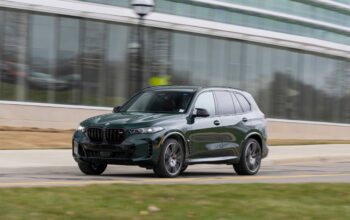
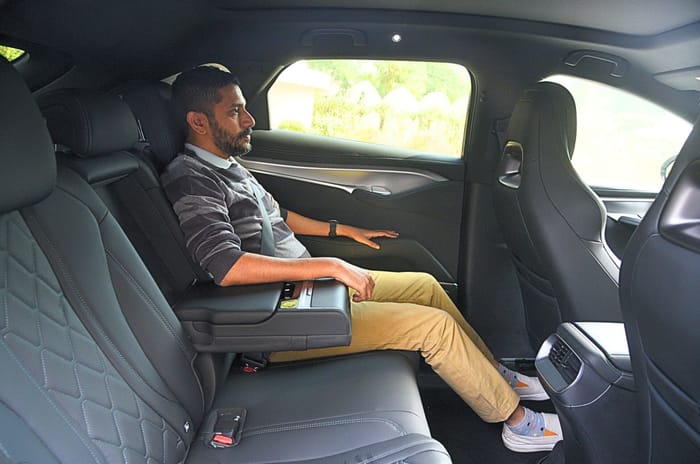
Several models are poised to captivate the market with their compelling electric ranges and hybrid capabilities. One cannot overlook the luxury prowess of vehicles, where opulence meets sustainability. These vehicles often deliver 40+ miles of electric range while outfitted with plush interiors, cutting-edge connectivity, and sophisticated chassis dynamics.
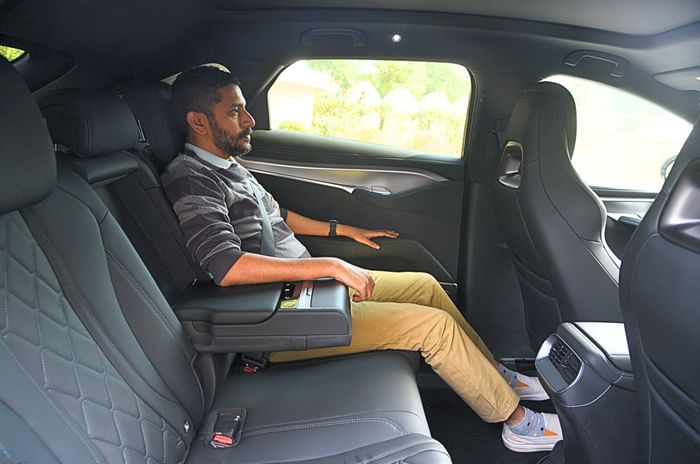
Take, for instance, the innovative all-electric modules paired with petrol engines that render seamless transitions, ensuring drivers enjoy a refined, quiet, yet vigorous drive. The 2026 releases encapsulate the apex of this evolution—well-crafted, ecological machines designed with a clear focus on sustainability without forfeiting performance or style.
Charging Infrastructure and Real-World Usability
The magic of a robust electric range blossoms fully only with supportive charging networks. By 2026, infrastructural strides are anticipated to complement these vehicles spectacularly. Fast-charging stations, with enhanced output capabilities, will slash charging times, making plug-in hybrids ever more convenient for urban and long-distance travel.
This enhanced infrastructure dovetails perfectly with vehicle capabilities. Most plug-in hybrids now support various charging plug standards, including fast charging, enhancing compatibility and user ease. Moreover, smart grid integrations will allow these vehicles not just to draw electricity but also to feed energy back during peak demands, transforming cars into mobile energy hubs.
Environmental Impact and Economic Considerations
Beyond immediate vehicle performance, the extended electric range of 2026 plug-in hybrids is a significant stride in emissions reduction. By enabling substantial portions of trips on electricity, these vehicles diminish carbon footprints and urban pollution. For many users, especially those with predictable daily drives, this means drastically lower fuel consumption and fewer emissions without sacrificing travel freedom.
Economically, while plug-in hybrids have traditionally come with a heftier sticker price, the convergence of economies of scale and technological maturity forecast broader accessibility. Incentives from governments, such as tax credits and rebates, further sweeten the proposition. When coupled with savings from reduced gasoline use and lower maintenance requirements, the total cost of ownership becomes compelling.
Driving Experience: Beyond Conventional Boundaries
Stepping into a 2026 plug-in hybrid is akin to entering a new realm of automotive sensation. Instant torque from electric motors grants rapid acceleration, while the combustion engine supplements power in exhilarating ways, particularly on highways or demanding terrains. The quietness inherent to electric drive enhances driver focus and comfort, crafting a serene ambiance rarely matched in traditional vehicles.
Handling dynamics have also undergone refinement. Engineers prioritize balanced weight distribution, often positioning battery packs strategically under the floor, lowering the center of gravity. The result is agile maneuverability without sacrificing ride comfort. Whether navigating urban streets or open highways, these hybrids offer an engaging, responsive connection to the road.
Challenges and Considerations
Despite the promise and prowess, 2026 plug-in hybrids encounter certain challenges. The dual-system architecture can complicate maintenance, demanding specialized knowledge and tools. Battery longevity, though improved, remains a factor buyers consider, alongside the eventual cost of replacement.
Moreover, real-world electric ranges can fluctuate based on driving style, climate, and terrain. Prospective owners should remain mindful that while over 40 miles of electric range is impressive, it will rarely cover extended journeys without supplementary gasoline-mode support.
The Road Ahead: Plug-In Hybrids as Facilitators of Change
As the automotive horizon brightens with the promise of EV supremacy, plug-in hybrids of 2026 stand as essential waypoints—bridging the gap with elegance and efficiency. Their extended electric ranges challenge conventional thinking, offering drivers newfound autonomy and environmental responsibility without compromise.
By embracing these vehicles, drivers embark on journeys not just of distance, but of discovery: exploring how technology, ecology, and luxury intertwine to redefine mobility. The best plug-in hybrids with 40+ miles of electric range are not merely cars; they are catalysts igniting curiosity and paving the path toward a greener, more exhilarating driving future.
In this new age, the plug-in hybrid is a canvas of innovation, inviting each driver to paint their own story of progress, sustainability, and adventure.