In the evolving landscape of automotive technology, the decision between purchasing a 2026 hybrid or diving headfirst into a fully electric vehicle (EV) provokes more than just a casual consideration—it demands a profound reassessment of how we perceive mobility. The progression toward electrification promises a paradigm shift, not just in the mechanics of driving, but in the very ethos of transportation itself. As battery innovations accelerate and environmental consciousness permeates consumer choices, a tantalizing question emerges: should you embrace the transitional prowess of a hybrid or plunge into the uncharted territory of all-electric driving?
The Technological Renaissance of Hybrids
Hybrids represent a sophisticated marriage between tradition and innovation. These vehicles pair an internal combustion engine with an electric motor, orchestrating a seamless synergy that maximizes fuel efficiency while curbing emissions. The 2026 lineup introduces hybrids that are more refined, with longer electric-only ranges and improved regenerative braking systems that recapture energy with unparalleled efficiency.
The allure of hybrids lies in their pragmatic versatility. For those who navigate unpredictable travel demands or still harbor “range anxiety” about pure EVs, hybrids offer a comforting buffer. They capitalize on existing fuel infrastructure while beginning the transition toward electrified propulsion. This makes hybrids particularly enticing for consumers in regions where charging infrastructure remains embryonic.
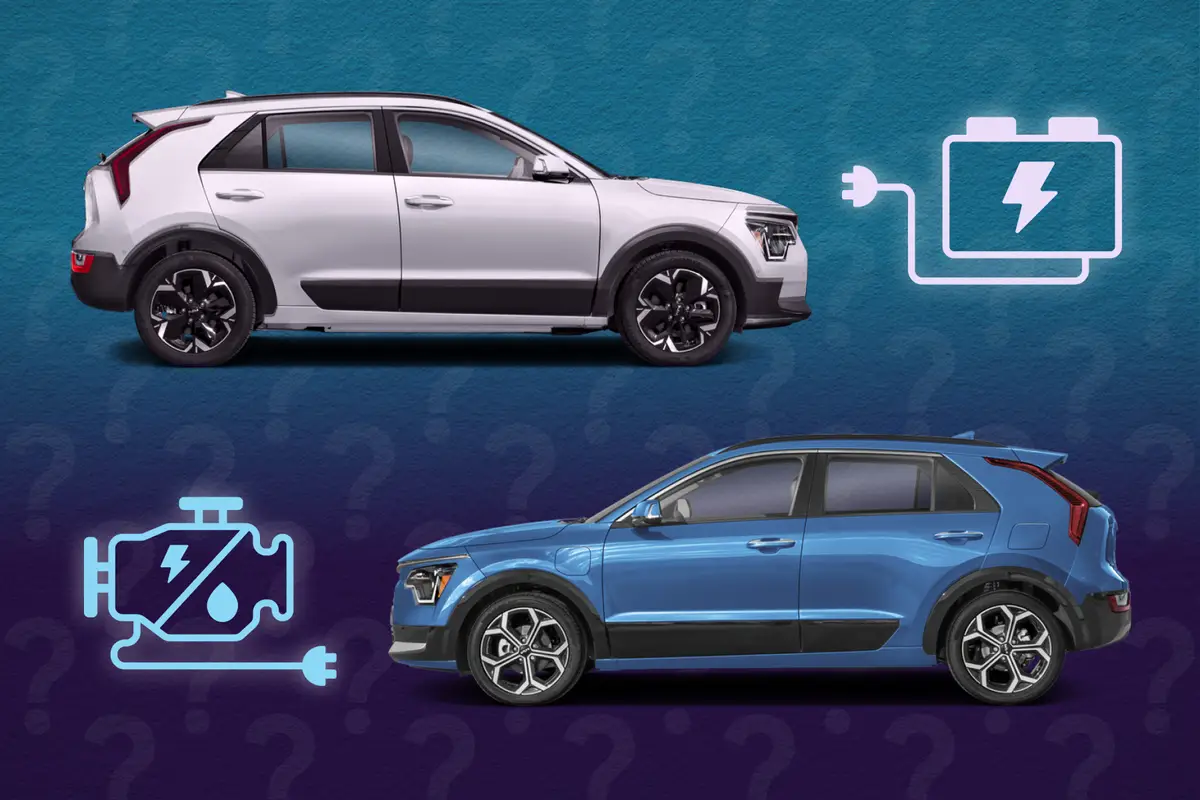
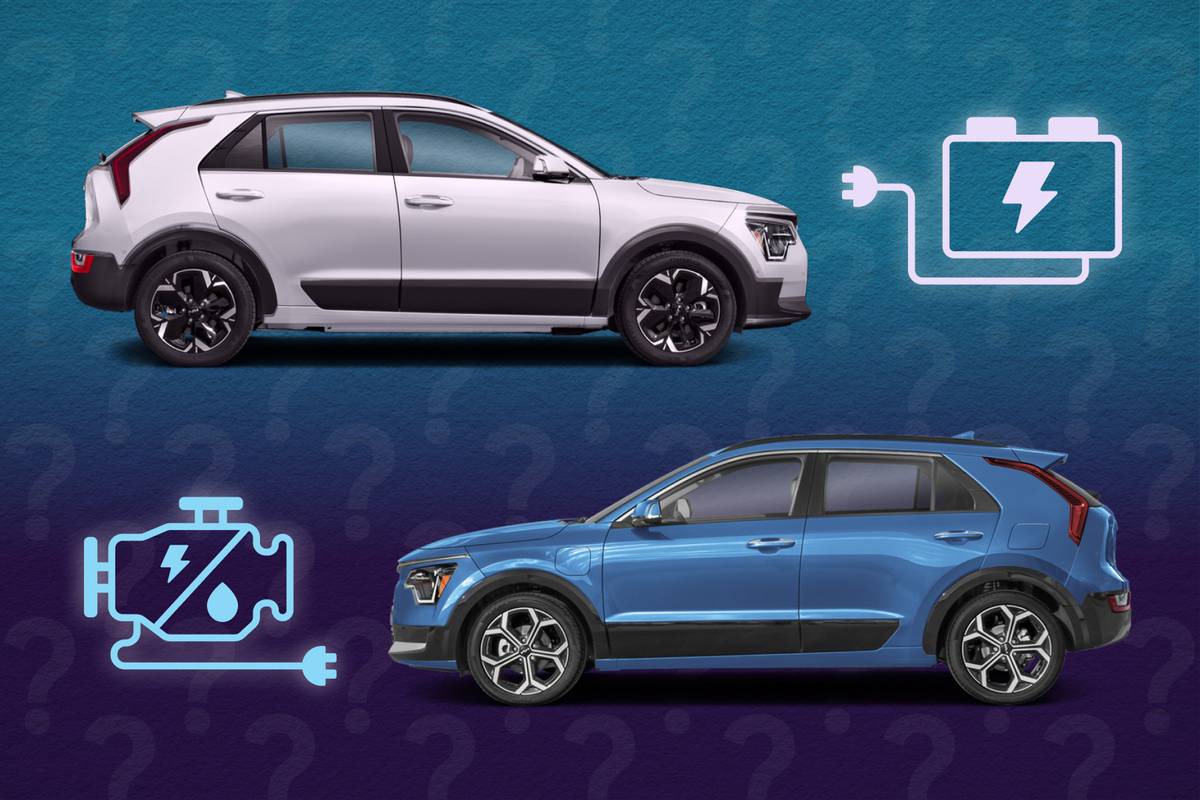
Moreover, many hybrids now incorporate sophisticated AI-driven energy management systems that optimize power distribution based on driving habits. This technological renaissance allows hybrids to deliver both spirited acceleration and impressive fuel economy, often eclipsing traditional gasoline counterparts. It’s as if these vehicles straddle two epochs: retaining familiarity while hinting at the electrified future.
The Enigmatic Promise of Full Electrification
On the opposite end of this spectrum glimmers the full EV. No fumes, no oil changes, and a silent hum replacing the traditional engine roar. The 2026 electric vehicles have shed many of the limitations tethering earlier iterations. Advances in solid-state batteries promise exponential leaps in range, recharge times that inch closer to convenience, and longevity that shatters previous skepticism.
Electrification heralds not just a mechanical revolution but also an environmental imperative. Zero tailpipe emissions mean cleaner air in congested urban sprawls, and as the grid continues decarbonizing, the ecological footprint of EVs shrinks further. Consumers are increasingly aware of this symbiotic relationship between vehicle choice and planetary health—adding an ethical dimension to the purchase decision.
However, full EV ownership entails reorienting one’s lifestyle to accommodate charging habits, whether at home or public stations. The psychological barrier of ‘range anxiety’ is steadily diminishing with expanding infrastructure, but it remains a pivotal consideration. Yet, the electric drivetrain’s inherent simplicity reduces mechanical complexity, translating to lower maintenance costs—a compelling economic argument that reverberates deeply with savvy buyers.
Economic Calculus: Balancing Upfront Costs and Long-Term Benefits
Price points remain a critical factor in the hybrid versus EV duel. Historically, fully electric models commanded a premium, influenced by battery costs and nascent manufacturing scales. In 2026, this gap narrows thanks to technological maturation and aggressive competition among automakers.
Hybrids often debut at a more accessible price, appealing to those wary of stretching their budget. Yet, their fuel and maintenance savings are modest compared to full EVs. Conversely, the initial investment in an EV tends to be higher, but tax incentives, reduced fueling costs, and minimal upkeep smooth out the total cost of ownership over time.
It becomes a sophisticated economic calculus akin to a chess match: weighing upfront expenditure against ongoing savings, while factoring in potential resale values shaped by evolving market demand and regulatory pressures.
Environmental Implications Beyond the Tailpipe
While hybrids reduce emissions substantially compared to conventional vehicles, they nonetheless rely partially on fossil fuels. Full electric cars, especially when charged with renewable energy, edge closer to a carbon-neutral existence. This distinction broadens the conversation from mere operational emissions to encompass the entire lifecycle of automotive energy consumption.
The environmental narrative also extends into resource usage for battery production. Ethical sourcing of lithium, cobalt, and nickel remains a subject of global scrutiny. Innovations in recycling and alternative materials provide hopeful prospects, but the ecological footprint of battery manufacturing cannot be ignored.
Gesture Towards Future-Proofing Your Drive
Purchasing a vehicle today is not merely a transaction; it is a statement of belief in a particular vision of the future. Hybrids symbolize a cautious bridge, a transitional technology that acknowledges the present’s limitations while steering toward cleaner horizons. EVs, in contrast, proclaim a bold commitment to an electrified world, inviting drivers to participate in the vanguard of an automotive revolution.
Regulatory landscapes are also shifting dramatically. Many regions are planning to phase out internal combustion engines altogether within the next decade. Choosing an electric vehicle could be seen as future-proofing against such legislation, potentially enhancing vehicle desirability and resale value.
The Emotional and Experiential Divide
Driving a hybrid retains a familiar sensory experience: engine sounds, fuel stops, and the responsive torque that many drivers cherish. It eases the transition, maintaining subtle emotional cues tied to traditional motoring. On the flip side, EVs offer an almost otherworldly experience, characterized by instant torque, whisper-quiet acceleration, and an intuitive interface that redefines the driver-vehicle connection.
This emotional dichotomy places personal preference at the heart of the decision. Do you opt for the comfort of gradual change, or are you seduced by the allure of cutting-edge innovation and its distinctive driving bliss?
Conclusion: Navigating the Crossroads of Change
The choice between a 2026 hybrid and a full electric vehicle is far from a mere transactional calculus; it is an odyssey through technological innovation, economic pragmatism, environmental ethics, and personal values. Both pathways offer unique promises and challenges, inviting prospective buyers to not only consider where they are today but also to envision where they wish to be in a landscape defined by rapid change.
Whether your journey is one of cautious transition via hybrid sophistication or an exhilarating plunge into full electrification, the automotive frontier is richer and more thrilling than ever before. In the end, the decision transcends the vehicle itself—it becomes a testament to your readiness to embrace a new chapter of mobility, readiness to redefine your driving narrative.