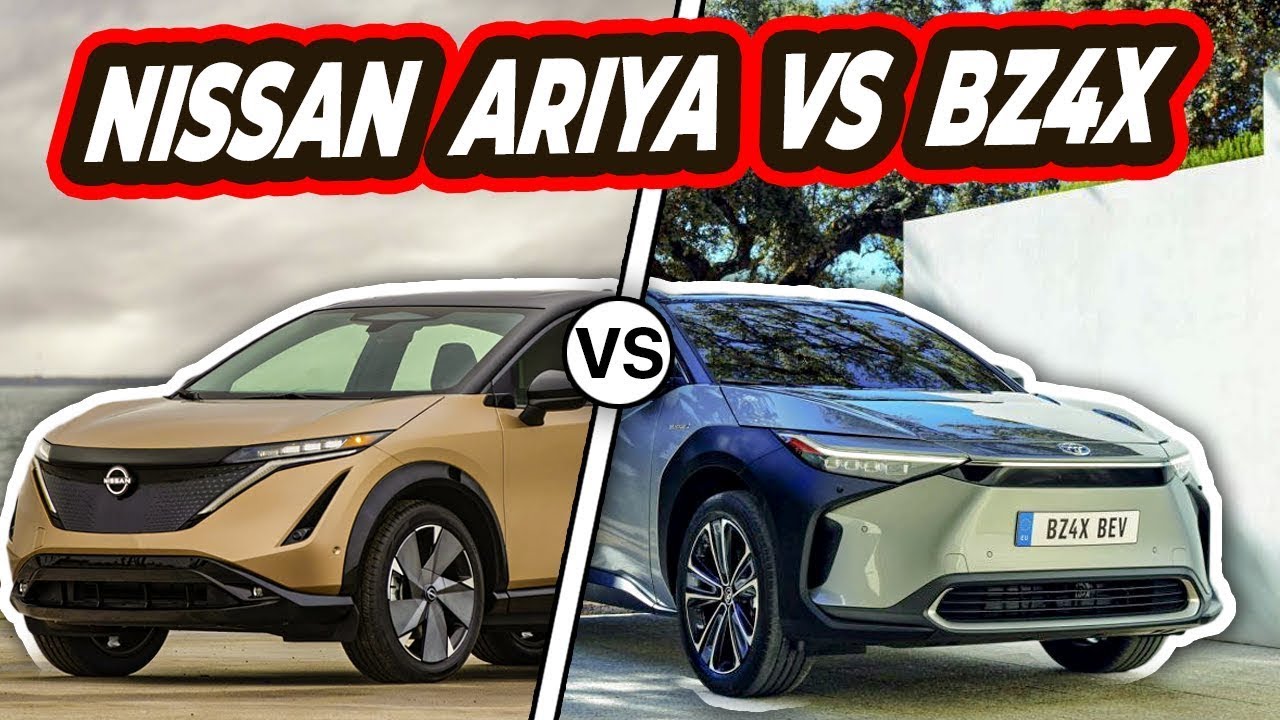
Two names. Two badges. One shared ambition: proving that Japanese engineering can do more than refine the mundane—it can reinvent the road itself. When the Nissan Ariya squares off against the Toyota bZ4X, the contest feels less like a duel and more like a pair of lanterns lit at dusk. Both illuminate the same path toward electric mobility, yet they cast distinctly different shadows. The Ariya tends to glow with a cosmopolitan, cockpit-forward confidence. The bZ4X, by contrast, carries a calm, utilitarian steadiness—an off-ramp to anxiety in a world of rapid change.
In this Japanese EV showdown, the question isn’t merely which car is faster or more efficient. It’s which one feels like an extension of your intentions. Because an EV is not only transportation; it’s a philosophy you drive every day, measured in torque pulses, cabin temperature stability, route confidence, and the subtle choreography of controls.
First Impressions: Two Interpretations of “Electric Poise”
From the outset, the Nissan Ariya projects a sense of deliberate design—like a tailored suit that fits before you even notice your measurements. Its styling reads as sleek and deliberate, with surfaces that seem to have been sculpted rather than assembled. The cabin experience follows the same philosophy: a driver-forward layout that feels intentionally composed, as if the dashboard were designed to reduce mental friction.
The Toyota bZ4X, while equally modern, plays a different card. It offers a more straightforward visual cadence—familiar, grounded, and quietly confident. It doesn’t beg for attention. Instead, it invites trust, the way a well-made tool sits on a workbench: unflashy, dependable, and ready when you are.
Both vehicles signal electric capability through aerodynamic restraint and a purposeful stance. Yet the Ariya’s mood is cinematic, while the bZ4X’s mood is practical. That difference matters, because mood becomes memory—especially in daily commuting.
Driving Character: Torque as a Story, Not a Spec
Electric motors don’t just accelerate. They narrate. The Ariya typically delivers an experience that feels smooth and responsive, with a sense of immediacy that rarely turns abrupt. The steering and chassis tuning often encourage composed motion, encouraging you to drive with restraint even when the power is willing.
The bZ4X, on the other hand, tends to emphasize steadiness. It can feel like the EV equivalent of a steady train at speed: predictable, stable, and intent on maintaining momentum. If your ideal drive is one where the car absorbs irregularities and lets you focus on distance rather than drama, the bZ4X often fits the brief.
In day-to-day terms, the Ariya can feel a touch more “connected,” like the steering wheel is conversing with your hands. The bZ4X can feel more “managed,” like it’s buffering the world into something easier to handle.
Interior and Ergonomics: Cabin Atmosphere as a Deciding Factor
Step inside the Nissan Ariya and the cabin reads like a calm sanctuary with a tech-forward accent. The arrangement of screens and controls can feel like a cockpit designed for clarity, not clutter. Short sentences are useful here: visibility matters. Legibility matters. Ease of use matters.
Longer drives ask for more. The Ariya often leans into comfort through materials that feel thoughtfully chosen and through an overall layout that reduces unnecessary reaching. It’s the kind of interior that makes you forget you’re sitting in a machine. It feels more like you’re occupying a space.
The Toyota bZ4X approaches the same mission with a different accent—comfort with a practical orientation. Its ergonomics are typically straightforward, emphasizing usability and familiar switchgear logic. The result can feel reassuringly conventional, which is not a defect. In some households, it’s the point.
Ultimately, the Ariya’s cabin can feel more expressive. The bZ4X’s cabin can feel more composed.
Charging and Range Confidence: Planning the Trip Like a Ritual
Electric ownership is a choreography of charging habits, route choices, and temperature-aware expectations. Both the Ariya and bZ4X aim to support that ritual with sensible range targets and mainstream charging compatibility. Still, how they *feel* during planning differs.
The Ariya often feels like a car designed for modern route mental models—rapid calculations, driver-assistance integration, and a navigation experience that encourages you to keep moving. It doesn’t just take you places. It helps you anticipate them.
The bZ4X, in turn, leans into dependable everyday access. Its charging approach emphasizes consistency, the kind of reliability that makes EV life less experimental. If your schedule is tight and your patience limited, that steadiness can be a quiet advantage.
Range is not only a number. It’s peace of mind. Choose the vehicle that aligns with your actual travel patterns: frequent short trips, occasional longer drives, or a mix that demands flexibility.
Technology and Driver Assistance: Two Flavors of “Hand-Off” Confidence
Modern EVs increasingly act like co-pilots—some better at reading your intentions than others. The Nissan Ariya tends to offer an interface that feels intuitive and visually present, supporting driver assistance with an emphasis on seamlessness. The experience can feel more “immersive,” like the car is part of your situational awareness rather than merely an appliance.
The Toyota bZ4X typically focuses on pragmatic systems integration. Its assistance suite often prioritizes straightforward operation and dependable behavior. It can feel like the car is trying to keep you safe without distracting you with theatrics.
Both are built for everyday use, but they differ in personality. The Ariya’s tech can feel more expressive. The bZ4X’s tech can feel more methodical.
All-Weather Capability: Tire Philosophy and Road Temperament
An EV isn’t truly “electric” until it handles rain, potholes, winter glare, and the unpredictable moods of weather. The bZ4X carries an outdoorsy aura that can translate to confidence on varied surfaces. Its stance encourages adventurous thinking—camping errands, snow-lined commutes, and the occasional detour that turns a routine drive into a story.
The Ariya is no stranger to slippery conditions, and its smooth power delivery can help in lower-traction moments. It tends to feel refined—less about brute traction and more about controlled momentum, the kind that keeps you composed when the road forgets to behave.
Pick based on your climate and your tolerance for unpredictability. Some drivers want a car that feels like a hiking partner. Others want a car that feels like a well-damped instrument.
Ownership Experience: Beyond the Key Fob
EV ownership is equal parts engineering and everyday practicality. Consider software responsiveness, infotainment clarity, service experience, and the way each vehicle fits into your routine. The Ariya often feels designed to be lived with—its interface and overall usability aim for smooth, low-friction daily operation.
The bZ4X tends to emphasize practicality and long-term familiarity. Toyota’s reputation for methodical engineering can show up in how the vehicle behaves when used as an everyday workhorse—consistent, understandable, and generally resistant to unpleasant surprises.
There’s a metaphor here: one car can be a lounge with a view; the other can be a dependable workshop. Both can take you where you need to go. The question is what you want your time behind the wheel to feel like.
Which One Wins the Japanese EV Showdown?
If your priority is a more expressive cabin presence, a driver-focused interface, and a feel that leans toward cinematic smoothness, the Nissan Ariya is the more compelling match. It tends to turn driving into a gentler experience, as if the road were being translated into something easier to understand.
If your priority is steady composure, a practical ownership mindset, and a vehicle that invites confidence through simplicity, the Toyota bZ4X often delivers the better alignment. It’s the EV that doesn’t posture. It just performs.
Neither choice is wrong. One simply speaks a different dialect of Japanese refinement.
Outro: Two Lanterns, One Electrified Horizon
The Ariya and the bZ4X stand on the same horizon, yet they illuminate it differently. One casts light like a futuristic gallery—clean lines, expressive presence, and a cabin that feels choreographed. The other shines like a practical beacon—grounded, steady, and built for the ordinary heroism of daily driving.
Ultimately, the best EV is the one that fits your life with minimal compromise. Test-drive both. Pay attention to how each one quiets the day or amplifies the moment. Then choose the electric car that feels less like a decision and more like a natural step forward.