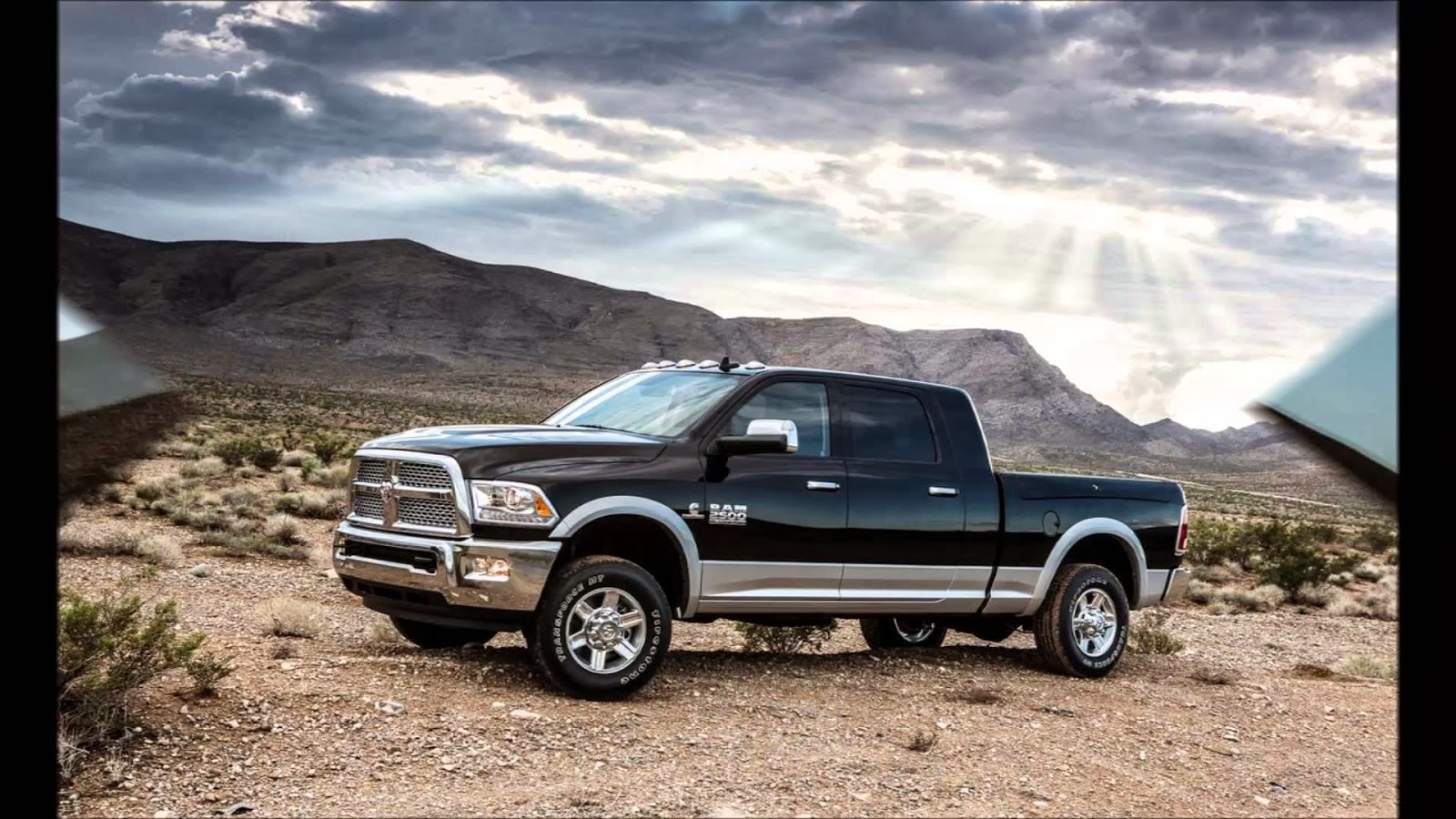
There’s a certain moment that happens when people first lay eyes on the Ram Power Wagon. It’s not just the stance—though the stance is commanding. It’s the way the truck seems to anticipate the terrain, as if the road ahead is already being appraised. A common observation is that it looks like it belongs on rugged trails rather than city avenues. Yet the fascination doesn’t stop at appearances. Underneath that bold exterior lies a deeper story about durability, engineering intent, and the satisfying logic of capability.
In the world of heavy-duty off-road vehicles, the Power Wagon has earned a reputation that feels almost mythic—like a familiar legend told around tailgates. But myths are built on practical details. This is a truck that doesn’t merely promise adventure; it seems designed to endure it.
From Workhorse DNA to Trail-Built Character
The Ram brand has long carried the temperament of a utility vehicle—something sturdy enough to haul, capable enough to work, and confident enough to be trusted. The Power Wagon takes that baseline and sharpens it into something unmistakably off-road oriented. The transformation is not cosmetic alone. It’s structural, mechanical, and operational.
Look again at the truck’s silhouette. You might notice a deliberate visual emphasis: an imposing front end, a robust posture, and proportions that suggest stability rather than flash. This is the sort of design language that communicates: You can push me further than you think. Off-road enthusiasts often interpret such cues instinctively, but the reasons are measurable—higher ground clearance, reinforced components, and systems tuned for low-speed traction where control matters most.
Even the truck’s everyday demeanor hints at its purpose. It feels like a machine that expects dirt under its tires, not disappointment under its fenders. That expectation is the first reason the Power Wagon lingers in people’s minds: it doesn’t require belief to function; it simply operates.
Heavy-Duty Stance: Why It Looks Ready Before It Moves
Many trucks advertise capability through appearance, but the Power Wagon reads like a checklist made visible. Its stance implies a design that prioritizes suspension travel and wheel articulation—two attributes that determine whether a vehicle can maintain contact with the ground when surfaces become unpredictable.
Short overhangs, purposeful wheel coverage, and a grounded, braced presence combine to reduce the feeling of fragility. In off-road terms, that’s not vanity—it’s friction management. When traction decreases, a vehicle needs the confidence to keep rolling, and confidence often starts with geometry.
There’s also a psychological element worth acknowledging. People don’t just see metal; they read intent. The Power Wagon’s visual boldness functions like an unspoken contract: it looks built for consequences, not compromises. That’s why the curiosity begins, and why it often becomes a long-term attraction.
Four-Wheel Drive with Serious Intent
The phrase “4×4” is everywhere, but not all four-wheel drive systems are created equal. In a vehicle like the Power Wagon, four-wheel drive is more than a marketing tag—it’s a working strategy. Off-road driving rarely rewards speed. It rewards traction control, predictable torque distribution, and the ability to crawl when needed.
In practical terms, the Power Wagon’s capability is tuned for scenarios that test traction: loose gravel, mud that grabs, ruts that try to guide the vehicle into failure, and grades where momentum becomes both friend and enemy. Drivers often discover that the truck feels calm in difficult moments. That calmness is an outcome of calibration—how the drivetrain responds when the wheels encounter resistance.
This is where deeper fascination lives. The allure is not simply “it can go off-road.” It’s “it can go off-road without drama.” Off-road dominance is rarely about bravado; it’s about consistent control.
Low-Speed Mastery: Crawling as an Art
Many people assume off-roading is about momentum. The Power Wagon teaches a different lesson. At low speeds, the terrain becomes a puzzle, and the vehicle becomes the solver. Creep mode driving, controlled torque delivery, and suspension compliance all work together so that each tire finds its footing rather than fighting for it.
There’s a quiet satisfaction in watching a truck place itself through obstacles with measured precision. The Power Wagon’s character encourages that kind of technique. It supports a driving style where the driver reads the trail continuously—listening to tires, tracking wheel behavior, and anticipating the next shift in surface texture.
Long sentences can feel like climbing a steep grade: you keep going because progress is inevitable. That’s how low-speed mastery feels in the Power Wagon—an unhurried momentum where competence is earned, not claimed.
Suspension and Terrain: Why Control Matters More Than Speed
The terrain doesn’t negotiate. A rocky washboard doesn’t care about your confidence. Mud doesn’t respect your timetable. The truck must handle impact loads, absorb irregularities, and maintain stable traction across uneven planes. Suspension design is where that stability becomes real.
On the Power Wagon, the suspension philosophy typically favors off-road effectiveness: durability-focused components, thoughtful geometry, and enough travel to keep the tires engaged with the ground. When wheel contact remains consistent, control follows. Steering feels less like improvisation and more like communication.
This is where common observations evolve into deeper fascination. It’s easy to notice “it’s tough.” But it’s more interesting to realize why it feels tough. Toughness isn’t just materials—it’s how those materials are asked to behave under stress, how energy is managed, and how the truck recovers after each obstacle.
Durability as a Way of Life
Off-road vehicles often get judged by how they look afterward. But that’s a shallow metric. The Power Wagon’s appeal is tied to what happens during the journey: repeated impacts, continuous vibration, and the relentless friction that comes from real trail use.
Heavy-duty construction sensibility shows up as a kind of readiness—components built to handle harsh conditions, drivetrain strength that resists fatigue, and an overall system that doesn’t treat rough terrain like an exception. It treats rough terrain like an environment it understands.
That is a deeper reason people become attached. A truck like this doesn’t just offer performance. It offers trust. Trust is a durable commodity, and it’s hard to fake.
Practical Off-Road Utility: Beyond the Thrill
Fascination often begins with adventure, but it matures into practicality. The Ram Power Wagon’s charm is that it’s not restricted to a weekend trail. Its heavy-duty posture and capability lend themselves to towing, hauling, and jobsite needs where conditions can change unexpectedly.
Many owners value a vehicle that can do more than one kind of hard. Off-roading is one language; work is another. The Power Wagon speaks both. That bilingual nature expands its audience from hobbyists to people who live closer to the land—people who measure their days in tasks, weather, and results.
Even when the truck isn’t headed for an obstacle course, its equipment and attitude convey a certain readiness, like a tool kept sharp and within reach.
The Icon Factor: Why the Legend Persists
Legends persist because they remain useful. The Power Wagon has avoided the trap of becoming a novelty. Instead, it has cultivated an identity grounded in functionality. Each new generation tends to refine the blend of capability and daily usability, keeping the spirit while enhancing the execution.
Enthusiasts often compare it to a steadfast companion—something that doesn’t demand constant persuasion. That perception compounds over time, and that compounding creates a cultural pull. People don’t just want a truck that can perform; they want a truck that can belong in a narrative of resilience.
Short drives become long stories, and long stories become traditions. That is how fascination spreads: not through vague promises, but through repeated demonstrations of competence.
Conclusion: A Truck That Answers the Call
The Ram Power Wagon earns its status because it does more than look formidable. It communicates purpose through its stance, it delivers control through low-speed capability, and it reinforces confidence with a durability-first engineering mindset. The common observation—that it appears built for rugged terrain—is true. Yet the deeper reason for the fascination is more compelling: the Power Wagon feels designed for reliability when uncertainty rises.
It’s the kind of vehicle that turns obstacles into chapters rather than roadblocks. In that sense, the legend isn’t just something you read about. It’s something you experience, one controlled climb, one deliberate crawl, and one tire-contact moment at a time.