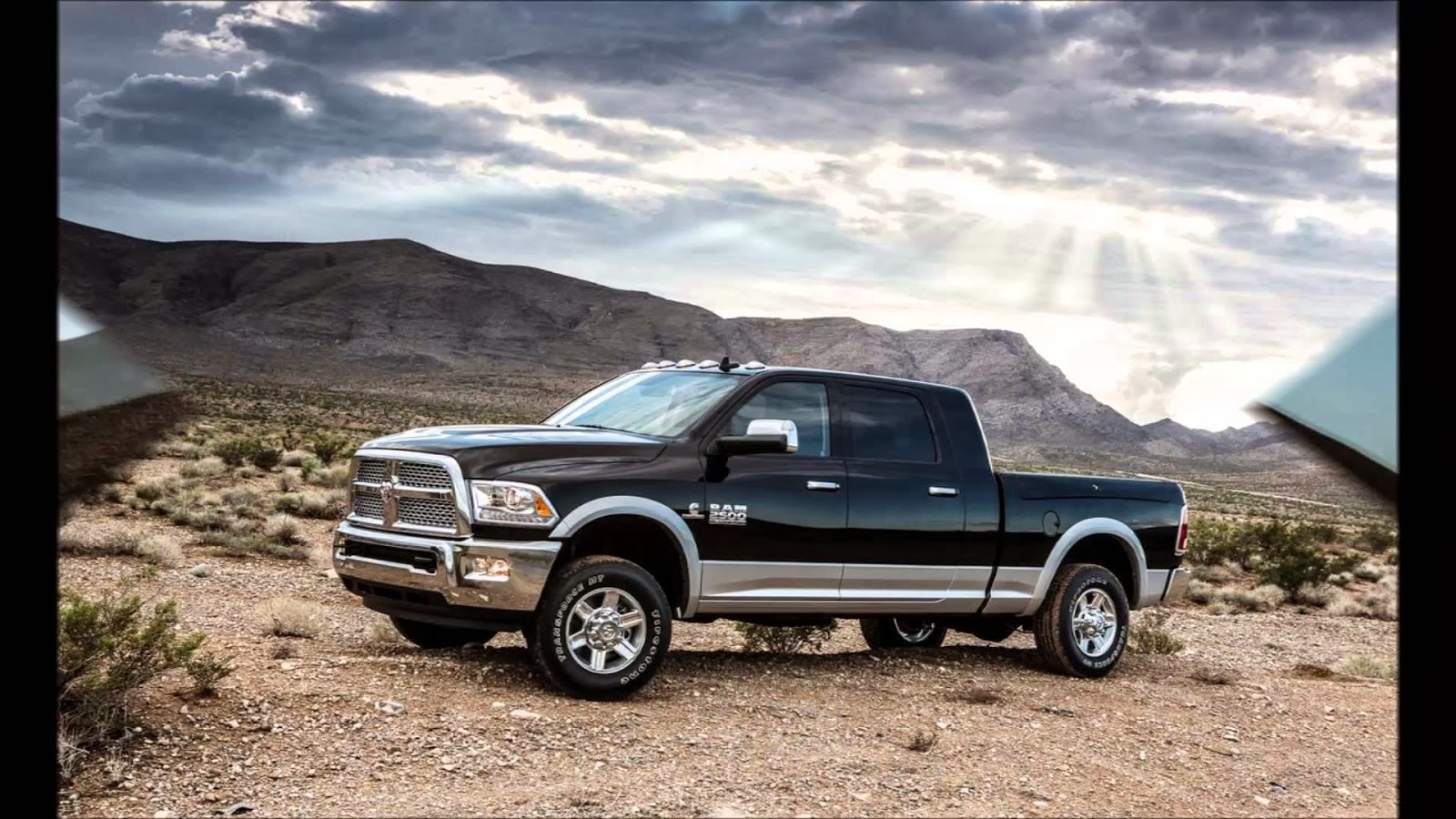
The Ram 1500 TRX has always carried an aura of uncompromising intent. It’s the kind of truck that doesn’t merely arrive at a scene—it redraws the map of expectations. Under the hood, a supercharged V8 stands as the centerpiece of its legend, delivering a brutal blend of torque and drama. Yet the question lingering over the grille and the hood scoop is simple and strangely weighty: Is this the last year for the Supercharged V8? With changes in emissions rules, evolving powertrain strategies across the industry, and shifting consumer priorities, 2024 has felt like a hinge year for the TRX narrative. Even fans who adore the present can sense the approaching horizon.
What follows is a comprehensive look at what readers can expect when exploring the Ram 1500 TRX—why it matters, what makes it distinct, and how the “last year” idea connects to broader automotive realities. Expect a blend of technical context, buyer-focused guidance, and the kind of practical perspective that helps you translate horsepower into ownership decisions.
Why the Ram 1500 TRX feels like a swan song
The TRX doesn’t just offer performance; it offers a specific kind of performance—high-output, immediacy-driven, and almost theatrical. The supercharged V8 has a tonal signature you don’t forget, and the truck’s calibration is tuned to make acceleration feel less like a process and more like an event. Short bursts land with immediate authority, and longer pulls settle into a steady, coercive momentum.
When people say “last year,” they’re not always predicting an official retirement date. They’re often responding to the broader pattern: gasoline performance models are under pressure from tightening regulations and a market pivot toward electrification. The TRX sits near the center of that tension—beloved for excess, scrutinized for footprint.
That tension creates a certain urgency. Limited-time availability has a way of sharpening desire. Owners and admirers begin to treat the truck not only as a vehicle but as a chapter in a fading performance era.
The Supercharged V8: character, capability, and why it’s hard to replace
The most defining element of the Ram 1500 TRX is its supercharged V8 configuration. Supercharging isn’t simply a power adder; it’s a philosophy. It compresses air to enhance combustion efficiency at a broad range of engine speeds, reducing the lag that naturally occurs in aspirated engines. In the real world, that means response is less delayed and more synchronized with driver intent.
In practical terms, the TRX’s V8 delivers:
• Strong low-end torque: The truck moves with a push rather than a struggle, even before revs reach their “happy place.”
• Predictable power delivery: The throttle feels calibrated for confidence, not hesitation.
• Aural identity: The soundscape—blower whine, exhaust presence, and acceleration cadence—becomes part of the driving experience.
Replacing that with a smaller engine or an electrified setup can preserve some performance, but it rarely recreates the same emotional profile. The TRX isn’t only fast; it’s vivid. That is why “last year” talk often feels emotionally credible, even when the future remains officially undecided.
Powertrain uncertainty and the industry pivot
Automotive change rarely happens overnight. It arrives as a procession of incremental steps: regulatory deadlines, corporate strategy revisions, and engineering tradeoffs that gradually narrow what’s feasible. Across the market, electrification has moved from novelty to infrastructure-dependent reality. Meanwhile, stricter tailpipe limitations affect high-output engines more severely, especially when used in vehicles that prioritize performance over efficiency.
As manufacturers recalibrate lineups, the most extreme trims often face difficult choices. They are expensive to produce, complex to engineer for compliance, and—despite their popularity—challenging to justify under new cost and emissions constraints. In that context, the TRX becomes a kind of high-water mark: a peak expression of traditional internal combustion performance.
Even if a successor arrives, it may not carry the same engine configuration. The question, then, evolves from “Will it disappear?” to “What will it transform into?”
What “last year” could mean for buyers
For shoppers, “last year for the supercharged V8” reframes the purchasing timeline. It’s not just about owning a truck—it’s about capturing value in a narrowing window. Several buyer-relevant angles emerge:
• Pricing dynamics: When the market senses a model’s sunset, inventory can tighten or deals can appear, depending on demand and availability.
• Resale considerations: Enthusiasts frequently pay a premium for discontinued performance variants, especially when rarity and legend intersect.
• Parts and service planning: Even when support continues for years, owners think ahead about wear items, tune updates, and dealership familiarity.
Yet urgency shouldn’t override due diligence. A TRX is not a casual purchase. It demands realistic budgeting for fuel, tires, brakes, and occasional drivetrain stress. Buying “because it’s the last year” is only wise when the decision aligns with how you actually intend to drive.
Performance beyond horsepower: the TRX as a complete system
Horsepower captures attention, but the TRX’s greatness is systemic. It’s the interplay of traction management, suspension tuning, braking confidence, and drivetrain behavior. The truck’s off-road heritage isn’t an afterthought; it’s stitched into the way it handles mass and torque.
Readers exploring the TRX should expect to encounter performance in multiple dimensions:
• Launch behavior: How the truck applies torque without devolving into wheelspin chaos.
• Cornering composure: Whether stability feels planted rather than theatrical.
• Braking authority: How quickly the truck can shed speed with repeat confidence.
• Off-road confidence: Tire grip, suspension articulation, and electronic aids that reduce uncertainty.
This is where the TRX becomes more than a drag-racing fantasy. It’s a machine engineered to handle different surfaces and different moods—highway authority in the morning, gravel swagger in the afternoon.
Interior experience and daily usability
A supercharged V8 truck still has to live with you. The TRX’s cabin experience tends to feel more upscale than its raw performance persona suggests. Controls are positioned for quick access; visibility helps reduce the “maneuvering anxiety” common in larger pickups. The driver environment aims for ergonomics rather than intimidation.
Comfort doesn’t cancel aggression—it moderates it. Long drives become less about endurance and more about anticipation. Even if you never approach the truck’s full potential on a daily commute, the sense of capability lingers. It’s that subtle confidence: the feeling that the truck is always ready to escalate.
In this category, readers can expect descriptions of features, infotainment usability, storage logic, and the practical realities of getting in and out of a lifted stance.
Ownership realities: fuel, tires, maintenance, and insurance
Owning a TRX is a relationship with consequences. Fuel consumption can swing dramatically based on driving style, ambient conditions, and how often the supercharged setup is asked to perform. Tires are another recurring variable. Performance rubber wears faster when grip is continuously demanded, particularly when traction is pursued rather than simply used.
Maintenance is rarely mysterious but it is never negligible. The truck’s components are built for stress; owners still need to respect that engineering with timely service intervals. Brakes, cooling systems, and drivetrain-related wear items are part of the conversation.
Insurance is worth considering early. High-performance vehicles tend to carry higher premiums. Getting clarity before purchase prevents sticker-shock later.
These points connect directly to the “last year” theme: when demand rises for a final model year, operational costs don’t change—but budgeting should be treated as the real measure of enthusiasm.
Content readers can expect: a roadmap of perspectives
A thoughtful exploration of the Ram 1500 TRX typically includes a range of content types. Instead of a single-angle review, readers benefit from different lenses:
• Buyer’s guide content: Eligibility checks, option priorities, and how to avoid regret.
• Performance breakdowns: A structured look at acceleration feel, handling behavior, and braking confidence.
• Comparisons: How the TRX stands against other performance trucks—where it wins, where it simply doesn’t need to.
• Ownership planning: Costs, service expectations, and real-world constraints.
• Future context: Why the supercharged V8 era appears to be nearing a boundary.
That variety matters because the TRX is not a one-dimensional product. It’s a statement vehicle with practical consequences, a collectible vibe with ongoing operating costs.
Conclusion: the TRX as an era marker
The Ram 1500 TRX feels like more than a model year. It feels like a threshold. Whether it’s truly the last year for the supercharged V8 depends on official announcements, market timing, and regulatory outcomes—but the underlying momentum is clear. Internal combustion performance at this intensity is becoming harder to sustain, and the TRX is positioned near the crest of that legacy.
If the supercharged V8 is indeed nearing its final chapter, the truck’s impact will remain vivid: the sound, the torque, the confidence, and the unmistakable willingness to push past the sensible. For readers watching the landscape shift, the TRX offers a compelling lesson—sometimes the best way to understand the future is to understand what it is about to outgrow.