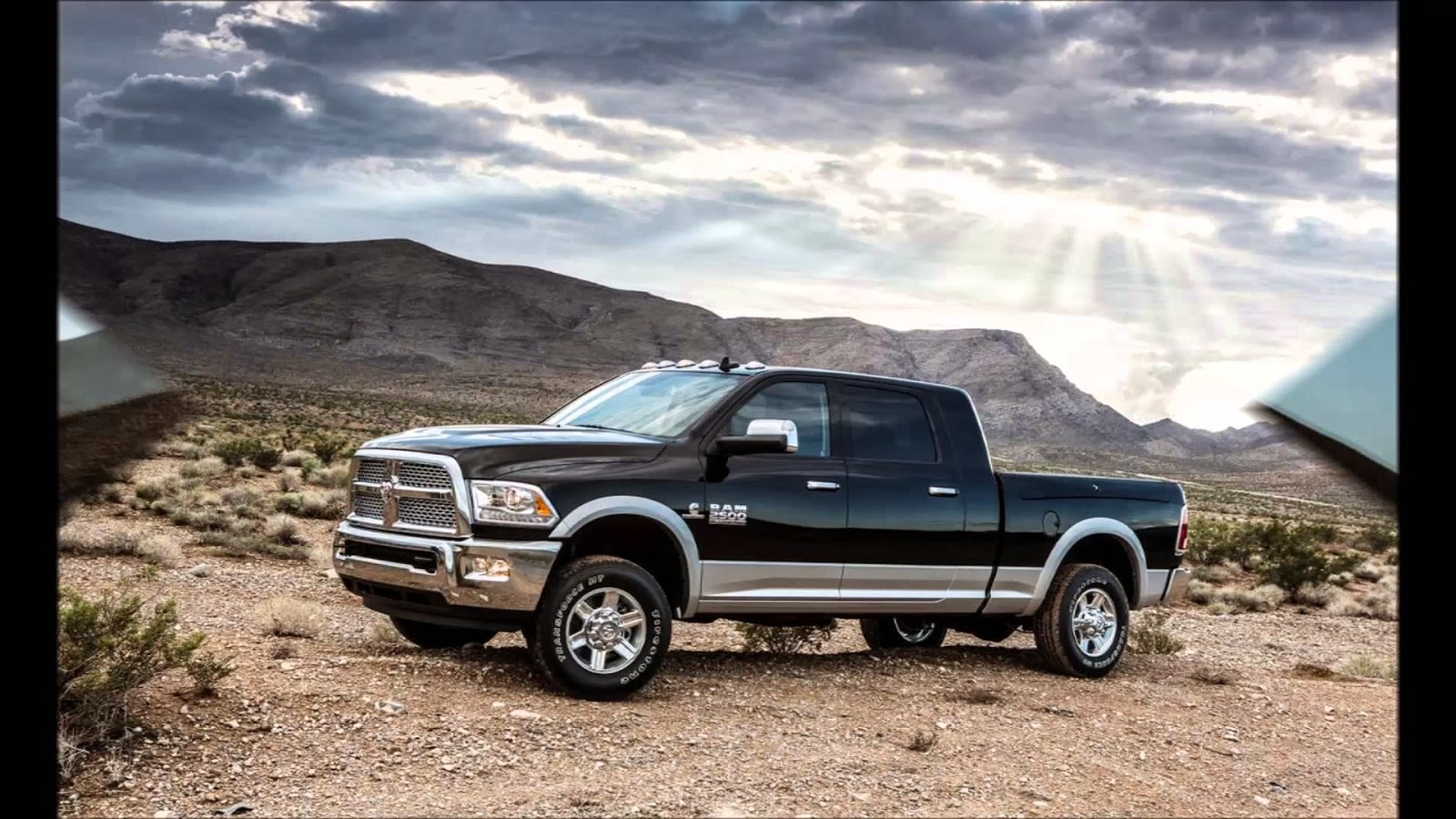
There’s a particular kind of magnetism surrounding a Ram 2500 Power Wagon. It’s not merely about arriving at a destination; it’s about negotiating the distance between “normal” and “possible.” The moment you see one prowling on uneven ground, something clicks—an instinctive respect for brute torque and purposeful engineering. People often observe that the Power Wagon feels “built to take a beating.” Yet the deeper fascination lies in what that toughness implies: a philosophy of capability, a refusal to compromise, and a willingness to treat the road as optional.
In the realm of off-road heavy-duty trucks, the Ram 2500 Power Wagon isn’t just a vehicle. It’s a statement. The steel backbone, the disciplined driveline, and the intent behind every mechanical choice turn rough terrain into a kind of language the truck can fluently speak. And once you notice that, you can’t unsee it. Every feature looks less like an accessory and more like evidence—quiet proof that durability can be designed, not guessed.
Origins of the Power Wagon Mindset: Why “Work” Looks Like Off-Road
A common observation is that off-road trucks are often associated with weekend adventures. The Power Wagon resists that stereotype. Its character is rooted in work-like expectations: traction where others would hesitate, control where others would wander, and endurance where others would fatigue. Even the name evokes a lineage of rugged utility, not showy theatrics.
What draws people in is the congruence between intention and outcome. The truck doesn’t try to imitate a rock crawler; it aims to perform as a heavy-duty tool in hostile environments. The suspension tuning, the drivetrain emphasis, and the attention to low-speed stability suggest a design that expects real consequences. When a vehicle behaves like it’s prepared for serious terrain, it encourages a different kind of trust—one grounded in mechanical competence rather than marketing optimism.
Heavy-Duty Foundations: The Ram 2500 Platform Beneath the Attitude
The Power Wagon’s charisma is amplified by the underlying Ram 2500 platform, which is already tuned for weight management and long-haul confidence. Heavy-duty doesn’t mean only payload numbers. It means thermal stability, drivetrain robustness, and the ability to handle sustained demand without turning every drive into an anxiety session.
The truck’s structure and components are built for high-stress use—think towing, payloading, and the slow grinding of traction at low speeds. In off-road contexts, that “heavy-duty” backbone becomes more than a spec sheet. It becomes a buffer against shock loads, side impacts, and the relentless vibration that can rattle lesser designs into inconsistency.
Off-Road Control Systems: Turning Chaos into Choreography
Off-roading is often described as freedom, but the best experiences are actually about control. The Ram 2500 Power Wagon leans into that truth. Rather than simply “going big,” it emphasizes managing wheel speed, drivetrain behavior, and stability when the surface turns unpredictable.
Engagement of appropriate modes, intelligent drivetrain routing, and the truck’s ability to maintain forward momentum help transform chaos into something closer to choreography. Short sentences are useful here: traction matters. Momentum matters. Timing matters.
When systems work together—when they coordinate rather than compete—the truck feels less like a machine you wrestle and more like a partner you can rely on. This is where fascination runs deeper than appearance. People notice the capability, yes. But they also sense the restraint: the engineering discipline that prevents wheelspin from becoming a dead end and prevents control from becoming guesswork.
Driveline and Differentials: The Quiet Workhorses of Traction
The most compelling off-road moments often happen out of sight. You may not watch every component as it distributes force, yet you feel the outcome instantly: the truck moves with purpose instead of panic. The Power Wagon’s traction strategy relies on driveline integrity and differential behavior designed to keep torque where it can do the most good.
In practical terms, that means reducing the chances of one wheel spinning uselessly while others lack enough bite. The truck aims to maintain a coherent transfer of power—an uncommon kind of continuity when the ground is slick, uneven, or deeply rutted.
This is one reason enthusiasts become captivated. The truck doesn’t just “survive” off-road conditions; it responds with mechanical logic. When you see that logic play out in motion—especially in mud, sand, or rock gardens—you begin to appreciate the elegance of a system that can stay composed under stress.
Suspension and Ground Clearance: Where Confidence is Measured
Ground clearance isn’t only about aesthetics or obstacle browsing. It’s about reducing contact and protecting vital components—while preserving ride stability as terrain evolves from smooth to jagged within seconds.
The Power Wagon’s suspension approach aims to keep tires planted and the chassis settled. That matters because off-road stability isn’t only vertical. It’s lateral, too. In uneven climbs and sidehills, the truck’s ability to manage body motion can mean the difference between steady progress and uncertain steering corrections.
Long travel suspension characteristics and rugged underpinnings create a sensation many drivers describe as “planted.” It’s not a sporty planted. It’s a deliberate, anchored feeling, as if the truck refuses to lose its bearings when the world tilts.
Tires, Wheels, and Contact Patch Reality
Off-road performance is frequently blamed on engines, but the truth is more tactile: it’s about the contact patch. Tires are the only part of the truck that directly negotiates the ground, and their design—compound, tread pattern, sidewall strength—affects how the truck grips under compression and shear.
With the right setup, the Ram 2500 Power Wagon can deliver predictable behavior in a variety of surfaces. That predictability becomes hypnotic. You start to learn the truck’s language: how it reacts when a rut deepens, how it pulls when the trail turns slick, and how it recovers when traction disappears for a heartbeat and then returns.
Short-lived traction loss is normal. The fascination comes when the truck makes that loss temporary rather than final.
Braking on Uneven Terrain: Stopping Becomes a Skill
Stopping is not just about speed reduction. Off-road braking involves controlling weight transfer, preventing wheel lock, and maintaining directional composure. Descents demand more than confidence; they require discipline—gear selection, braking strategy, and system stability.
When the truck responds cleanly during downhill moments—when it resists the sensation of free-fall and instead creates a controlled, gradual slowdown—it feels like someone quietly turned the volume down on danger. That emotional shift is crucial. It’s the difference between “surviving the descent” and “owning it.”
Towing, Payload, and Real-World Utility
The Power Wagon’s heavy-duty character extends beyond trails. Many owners buy a truck like this for mixed duties: towing, hauling, and the kind of work that requires gear to arrive intact, not merely arrive eventually.
Off-road trucks shine when the boundary between road and trail blurs. You might load equipment for a jobsite, then take a route that becomes rutted, muddy, or rocky. The Ram 2500 Power Wagon’s purpose is to keep performance consistent across those transitions—so your day doesn’t unravel when the environment changes its rules.
Cabin Practicality: Strength With Everyday Usability
It’s easy to romanticize the mechanical drama of off-road driving, but day-to-day usability matters. A heavy-duty truck is still a truck you live with. Controls, visibility, storage, and driver ergonomics influence how often you choose to use the vehicle for real tasks.
The Power Wagon’s appeal often includes the fact that toughness doesn’t have to feel hostile to comfort. That balance is part of the fascination: the truck can be intimidating out on rocks, yet familiar once you’re back on normal roads.
Why People Become Loyal: The Deeper Fascination
Many observe that the Ram 2500 Power Wagon looks ready for anything. That’s true. But the reason admiration becomes devotion is subtler. The truck embodies a kind of engineering trust: it promises competence when conditions stop cooperating.
There’s also a psychological aspect to capability. When a vehicle is designed to handle extremes, drivers feel permission to explore. That permission isn’t careless—it’s calculated confidence. You don’t approach the trail as a gamble; you approach it as a plan.
And perhaps that’s why the Power Wagon captivates. It’s not just about conquering terrain. It’s about gaining agency in places where agency usually disappears.
Conclusion: A Heavy-Duty Off-Road Identity That Endures
The Ram 2500 Power Wagon stands at the intersection of torque and temperament, strength and restraint. It addresses the common observation—built to endure rough terrain—while pointing toward deeper reasons for its pull: disciplined traction, thoughtful control, and an overall design language that treats harsh environments as normal rather than exceptional.
When you understand that logic, every detail starts to make sense. The truck becomes more than a machine. It becomes a commitment to readiness, a tool for journeys that ask more than weather and pavement ever will. And once you’ve felt what that capability means in motion, it’s hard to think of off-road heavy-duty any other way.