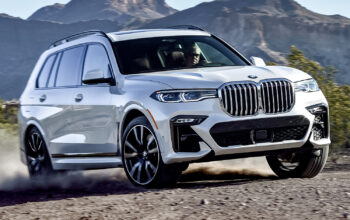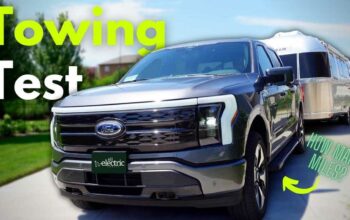
There’s a particular moment most drivers recognize: you’re standing in a parking lot, keys warm in your palm, staring at two seemingly similar machines—one a 2026 truck, the other a full-size SUV—and you’re struck by a simple observation. They both promise space, confidence, and capability. Yet the deeper truth is more nuanced. The decision rarely hinges on horsepower alone. It’s tied to how you imagine your days unfolding, how you want your weekends to feel, and what kind of “readiness” you’re really buying. The fascination is understandable. Trucks and full-size SUVs share a broad silhouette and a reassuring stance, but their personalities diverge once you start living with them.
This guide is intentionally honest. It doesn’t treat the choice as a contest with a single winner. Instead, it traces the real tradeoffs—practical, emotional, and financial—so you can choose the vehicle that aligns with the way you move through the world.
Start With the Real Question: What Are You Trying to Carry—Stuff or Identity?
People often begin with utility. Space for cargo. Capability for chores. Room for the family. But beneath those surface needs is an instinctual narrative. A truck can feel like a declaration: you can haul, tow, and do more than you currently need to do. An SUV can feel like a promise: comfort-first travel, with the freedom to go farther without sacrificing daily ease. Neither is inherently “better.” They are simply different answers to the same underlying desire—to feel prepared.
That common observation—“they both look capable”—is where many comparisons stop. The deeper reasons for fascination appear later: the truck’s magnetism for hands-on tasks; the SUV’s seduction through lounge-like ergonomics and effortless logistics.
2026 Truck vs. Full-Size SUV: How the Driving Experience Actually Changes
On paper, both platforms can be engineered for smoothness. In practice, the ride character differs. A truck often prioritizes load management. Even when it rides comfortably, its design language leans toward capability. The steering feel can be direct, sometimes a touch more utilitarian. The cabin might feel slightly more “commanding,” like a cockpit with fewer frills.
A full-size SUV, meanwhile, tends to blur the boundary between workhorse and retreat. Road noise can be more subdued. The seats often invite longer stretches without fatigue. The center of gravity still matters, but the entire package tends to feel more integrated—less like you’re piloting a tool, more like you’re traveling in a home base.
Short sentences help here: your daily routes will decide. Stop-and-go traffic will test comfort. Highway commuting will reveal stability tuning. Even parking-lot maneuvers will expose which layout feels intuitive under stress.
Payload, Towing, and the Myth of “I’ll Use It Eventually”
It’s easy to rationalize a truck because you can imagine future projects. You’ll tell yourself, “I’ll haul mulch,” or “I’ll tow a camper someday.” That’s normal. Most people don’t shop for the exact job they do every day. They shop for the version of themselves they want to be.
But honesty matters. If you rarely use a bed, the truck’s advantage becomes mostly theoretical. Meanwhile, a full-size SUV can still tow—sometimes enough for trailers, boats, and weekend gear. The difference is usually in ceilings and margins. Trucks generally offer higher tow ratings and a broader range of configurations. SUVs often provide more practicality for daily loading—hands-free access to cargo, easier entry for passengers, and less fuss when you’re juggling grocery bags or sports equipment.
Consider the frequency of real usage. One or two meaningful towing trips per year can justify either choice. A pattern of heavy loads, repeated hauling, or frequent trailering tends to favor the truck.
Living With It: Cargo Geometry, Rear Access, and Everyday Conveniences
“Cargo space” isn’t a single number. It’s the shape of the space, the height you have to lift to, the friction of moving items from point A to point B. A truck bed is straightforward, but it demands more effort. You lift higher, you secure items more deliberately, and you manage weather exposure.
An SUV’s cargo area is typically designed for quick transitions. Loading can be smoother, especially when using sliding compartments, fold-flat seats, and easy-access liftgates. For families and commuters, that ease stacks up over time. Small inconveniences accumulate like slow erosion.
There’s also the matter of security and cleanliness. A bed is open-air. An SUV can be wrapped in enclosed protection. That’s not just about dust. It’s about the peace of mind that comes from knowing your gear isn’t silently aging under the elements.
Fuel Economy and the Cost Reality Nobody Wants to Do Math On
Fuel cost isn’t glamorous, but it’s decisive. A 2026 truck and a full-size SUV can both be thirsty, particularly when equipped with powerful engines and larger tires. The deeper consideration is not the sticker figure alone, but how each vehicle will actually be driven. If your commute is short and your accelerations are enthusiastic, real-world consumption can differ sharply from expectations.
Don’t forget maintenance and insurance. Trucks sometimes face different insurance premiums due to classification, repair costs, or usage patterns. SUVs can be pricier in certain parts. Tires can be a recurring headline for both categories because the sizes are often substantial.
Then there’s depreciation—often the silent tax. The market can reward one body style more than the other depending on consumer trends, interest rates, and supply levels. The honest strategy is to compare total cost of ownership, not just monthly payments.
Technology and Driver Assistance: Comfort-Driven vs. Work-Ready Systems
The 2026 model year landscape is filled with advanced driver assistance features, multimedia upgrades, and smartphone integration. The question becomes: how do those systems align with your lifestyle?
A full-size SUV often emphasizes infotainment, seamless connectivity, and a “hands-free” tone for daily driving. A truck may emphasize trailering integration, towing profiles, and utilitarian dashboard logic. Both can be highly capable, but the user experience can feel different when you’re loading, backing up, or navigating tight spaces.
Watch for how the interface handles multi-step tasks. If you frequently switch between family outings and job-site errands, the best systems are the ones that reduce cognitive load. When technology feels invisible, it’s working.
Safety, Stability, and Real-World Confidence
Both classes usually bring advanced safety suites. But confidence isn’t only about airbags and sensors. It’s about how the vehicle behaves in the moments that matter: crossing gusty highways, braking with passengers, driving on wet roads, or pulling a trailer in less-than-ideal conditions.
Trucks can feel planted when loaded correctly. SUVs can feel composed due to their suspension tuning and rear-seat geometry. Your driving environment will decide. If you frequently travel on uneven surfaces, experience rough weather, or tow regularly, you’ll want to prioritize proven stability and appropriate axle/tire setups.
Confidence should feel like calm, not like vigilance.
Parking, Maneuverability, and the Hidden Tax of Size
This is the part people learn after purchase. Trucks and full-size SUVs are large. The turning radius can surprise you. The hood line can alter your judgment. The sheer footprint can complicate street parking and tight garages.
In crowded areas, an SUV can be easier to manage because of visibility and design ergonomics. A truck can feel more challenging depending on cab size, bed length, and mirror configurations. Don’t underestimate the value of test drives on the roads you actually use, not a curated dealership route.
Bring a measuring mindset. Compare curb clearance, garage dimensions, and how you’ll handle everyday bottlenecks.
Resale Value, Community Perception, and the Long Arc of Ownership
Resale value can be influenced by brand loyalty, buyer demographics, and the vehicle’s reputation for durability. Trucks often attract a dedicated audience, especially when they’re configured for utility. SUVs have a broader appeal due to family and commuting compatibility.
Community perception matters in subtler ways too. A truck can signal vocation, preparedness, and hands-on capability. An SUV can signal comfort, pragmatism, and a preference for enclosed versatility. Neither is “right.” They’re just different forms of social shorthand.
Over years, that shorthand can affect who wants the vehicle after you. It’s not vanity. It’s market gravity.
So, Should You Buy a 2026 Truck or a Full-Size SUV?
Choose a 2026 truck if your life includes frequent hauling, meaningful towing, or an ongoing need for a payload-capable platform. Choose it if you value the bed as a real tool, not a symbolic feature. It’s a strong fit for people who do projects, travel off the beaten path, or want the option to transform plans quickly.
Choose a full-size SUV if comfort, passenger experience, and effortless cargo handling are top priorities. Choose it if you’re more likely to move everyday items, transport groups regularly, and appreciate enclosed convenience. It’s a strong fit for people who want a versatile vehicle that blends work-adjacent capability with a relaxed daily rhythm.
For many drivers, the deciding factor comes down to frequency. How often do you truly use the truck bed or trailer capability? How often do you prioritize smooth access, quieter cruising, and passenger-first comfort? The “right” answer will feel slightly less dramatic after you translate needs into patterns.
Final Reflection: The Fascination Is the Point
Trucks and full-size SUVs captivate for a reason: they embody a promise—space, control, and the ability to adapt. The common observation that they’re both capable is true, but incomplete. The deeper fascination comes from what each vehicle communicates through its design: one speaks in utility and readiness; the other speaks in comfort and enclosed versatility.
When you choose thoughtfully, the vehicle becomes more than transportation. It becomes a partner in your routines, a stage for your plans, and a steady presence for the journeys you don’t yet fully know you’ll take.