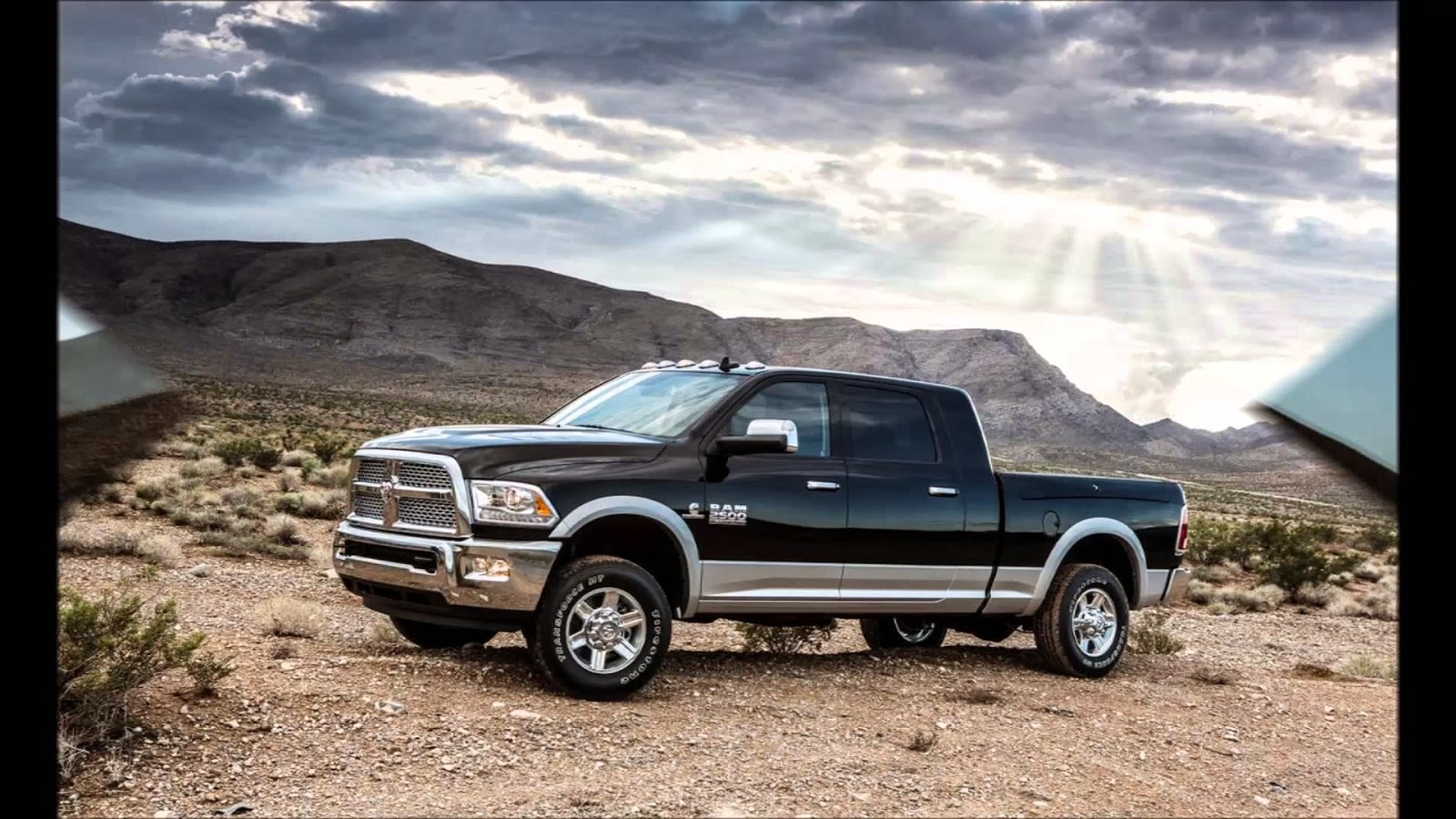
Some trucks arrive with a halo of capability. The Ram 1500 TRX arrives with something rarer: expectation. Not just the expectation of speed or stance, but the expectation of a lifestyle—one where maintenance becomes a kind of ongoing contract. The moment you start asking about Ram 1500 TRX maintenance costs, you’re really asking a deeper question: what does it mean to own performance, not as a weekend hobby, but as an enduring routine?
Let’s shift perspective. Instead of treating maintenance costs as a bill waiting to happen, consider them as a schedule of preservation. The TRX is engineered to work hard, and it rewards owners who treat upkeep as an investment in consistency. The numbers vary by driving habits, climate, and how aggressively the truck is exercised, but the patterns remain recognizable. Below is what to expect—so curiosity doesn’t turn into surprise.
1) The Baseline: Regular Service That Keeps the TRX Honest
Every high-performance vehicle has a “baseline tax,” and the Ram 1500 TRX is no exception. Routine service—oil changes, inspections, filters, fluid checks—forms the foundation. The exact interval depends on engine oil specifications, driving conditions, and dealership guidance, but the theme is consistent: the TRX prefers proactive maintenance.
Expect the cost to be influenced by whether you use OEM parts or reputable equivalents. Short intervals can feel like frequent reminders, yet they also reduce the likelihood of deeper problems. Oil isn’t merely lubrication here; it’s thermoregulation and internal cleanliness working as one system.
Also pay attention to “hidden rhythm” items. Wiper blades, cabin air filters, and brake fluid can be overlooked until they become noticeable. With a performance truck, small degradation can cascade. Nothing dramatic—just a gradual decline in refinement, responsiveness, and confidence.
2) Tires and Brakes: The Two Most Likely Cost Catalysts
If maintenance costs have a gravity, tires and brakes are often the nearest planets. The TRX’s traction is part magic, part engineering, and it turns pavement into an eager partner—especially during spirited driving. That eagerness translates into tire wear sooner than a typical truck might experience.
Tire expense isn’t only about price per tire. It includes installation, alignment checks, rotation schedules, and sometimes even balancing adjustments after seasonal changes. A misaligned stance can accelerate wear faster than most owners expect. The TRX can also be sensitive to driving surface. Rough roads and frequent highway runs can produce different wear patterns than tight turns and stop-and-go traffic.
Brakes are the other recurring character in the story. Hard braking, repeated high-speed deceleration, and aggressive downhill control all stress components. Even if pads and rotors don’t reach replacement immediately, brake fluid condition, rotor surface health, and caliper function should be monitored. When brakes are treated like consumables rather than emergencies, the total cost becomes more predictable.
3) Fluids Beyond Oil: Cooling, Power Steering, Differential Care
Performance means heat. Heat means fluid. The Ram 1500 TRX relies on multiple fluid systems to keep critical components operating within a narrow, disciplined range.
Cooling system maintenance can become a significant line item over time. Antifreeze quality, coolant concentration, hose condition, and cooling fan operation matter. A truck that regularly sees higher temperatures benefits from strict coolant stewardship. Replace it on schedule, and the system runs smoother; ignore it, and you invite corrosion, pressure irregularities, or efficiency losses.
Then there are differentials and other driveline fluids. Four-corner traction and torque management depend on lubrication that remains stable under load. Differential fluid service is often less frequent than oil changes, but it can still meaningfully affect annual maintenance totals—particularly when the truck is frequently driven in demanding conditions.
Power steering and brake fluid also deserve attention. These aren’t glamorous topics, yet they’re the difference between “feels right” and “why is it slightly off today?”
4) The Suspension and Alignment Story: Comfort Meets Performance
The TRX is built to negotiate chaos—imperfections in road texture, changes in traction, and the unpredictable geometry of real-world driving. That capability can create a maintenance twist: suspension components may experience wear differently than those on more sedate models.
Bushings, linkages, shocks, and struts work in a constant dialogue with the road. Over time, wear can show up as vibration, steering play, or uneven tire wear. Regular alignment checks are especially valuable because they protect both handling and tire longevity.
Expect costs to rise in stages. The first phase often involves inspections and minor replacements. The second phase may include deeper work—something like a sensor refresh, bushing replacement, or shock-related service—depending on mileage and driving style.
5) Engine-Related Factors: The Hidden Variables That Affect Cost
The Ram 1500 TRX’s powertrain is built for performance, which introduces variables that don’t appear on a simple maintenance schedule. Heavy throttle use can increase fuel system strain, elevate thermal stress, and accelerate certain wear points.
Carbon buildup is another subtle contributor. Direct or modern fuel strategies can still allow deposits over time, especially with short trips and infrequent high-load operation. This doesn’t mean the engine is fragile. It means the engine responds to its environment. A truck driven mostly on brief commutes may need more attention than one that frequently sees longer drives.
Spark plugs, ignition components, and air intake health all influence performance consistency. If the truck’s acceleration feels slightly less eager or the idle seems less composed, it may be time to investigate rather than guess.
6) Scheduled Maintenance vs. Surprise Repairs: Planning for Both
Many owners only budget for scheduled maintenance, as if every component behaves predictably. The TRX asks for a broader mindset. Scheduled service is your plan; surprise repairs are your contingency.
Modern trucks integrate sensors, controllers, and complex electronics. That means diagnostic time can be a factor if something triggers a warning light. Often, issues begin as simple—like a sensor reading out of range. Still, troubleshooting takes labor, and labor is where costs can jump without warning.
Additionally, components that experience high stress—like cooling-related parts, exhaust-related components, and driveline elements—may show wear sooner under frequent performance driving. This isn’t a failure narrative. It’s a performance physics narrative.
7) Warranty, Extended Coverage, and Service Strategy
Coverage can be a cost-shaping tool. If the Ram 1500 TRX remains within warranty, certain repairs may be softened by plan terms. However, maintenance itself is still often a blend of what’s covered and what isn’t. Consumables—tires, brakes, fluids, filters—generally follow their own logic.
Service strategy matters too. Dealership service can offer transparency, OEM alignment, and standardized documentation. Independent performance-focused shops can deliver savings and sometimes faster turnaround. The best approach is the one that prioritizes the truck’s needs, not just the wallet’s timing.
Keep records. A maintenance history doesn’t just help future budgeting; it strengthens resale confidence. Buyers trust trucks that have been cared for like machines, not neglected like appliances.
8) Personal Driving Style: How Your Right Foot Writes the Cost Plan
Here’s the uncomfortable truth: maintenance costs are not merely “what the TRX costs.” They’re also “what you cost.” The TRX responds to driving style with a near poetic immediacy. Frequent hard launches, aggressive cornering, and repeated high-speed pulls accelerate wear and intensify thermal cycling.
Meanwhile, a more measured driving approach can lengthen intervals between replacements. Smooth throttle inputs, sensible braking habits, and regular tire pressure checks can reduce the rate of deterioration.
This doesn’t mean you must drive gently to be smart. It means you can drive enthusiastically with intention. Think of it as orchestrating the performance rather than abusing it.
9) Budgeting Reality: A Framework Instead of a Single Number
A single “average annual cost” can be misleading. The TRX has a maintenance cadence that can feel steady one year and unexpectedly busy the next. A tire replacement cycle might cluster with other services. A brake refresh could coincide with alignment correction. A cooling-related inspection could uncover something minor that needs immediate attention.
Instead of hunting for one magic figure, adopt a budgeting framework: plan for regular service, set aside a tire/brake reserve, and maintain a contingency fund for diagnostics and unexpected labor. That approach turns uncertainty into structure.
In many cases, owners who budget realistically spend less over the long run—not because the truck becomes cheaper, but because surprises become manageable.
10) The Long Game: Preserving Value Through Quality Maintenance
Maintenance isn’t only about preventing breakdowns. It’s about preserving how the truck feels—throttle response, steering accuracy, ride composure, braking consistency. A TRX that’s maintained well doesn’t merely function; it communicates.
Owners who prioritize OEM specifications where it matters, keep up with fluid intervals, and monitor wear patterns protect both performance and resale value. Over time, that diligence becomes a form of credibility. It’s the difference between “looks clean” and “drives like it should.”
Eventually, your maintenance costs become part of your ownership identity. Not an irritation. Not an afterthought. A steady investment in an engineered promise.
Conclusion: Expect Costs, But Also Expect Control
Ram 1500 TRX maintenance costs may be higher than those of a conventional pickup, but the story is not bleak. The real expectation is clarity: regular service builds a stable foundation, tires and brakes shape the most visible expense cycles, and fluids and diagnostics protect the systems that keep performance consistent.
When you plan with intention—tracking wear, budgeting in categories, and responding early—you gain something more valuable than saving money. You gain control. And in a truck designed to deliver confidence at speed, that kind of control feels like part of the power.