What happens when three unapologetically modern sedans walk into the same corner of the electric universe—BMW i4, Polestar 2, and Tesla Model 3—and ask, in the most polite way possible, “Who’s really in charge?” It’s not just about acceleration or range on paper. It’s about character. It’s about how each car translates electricity into emotion, ergonomics, and everyday drama.
And here’s the playful challenge: pick a single “most important” metric—charging convenience, ride composure, driver engagement, or software slickness—and then try to live with that choice for a week. You’ll quickly discover that the winner depends on what you value when the novelty wears off and real roads show up.
Let’s take the long way around, comparing these electrified sedans with a narrative eye and a practical lens.
First Impressions: Three Personalities, One Silent Awakening
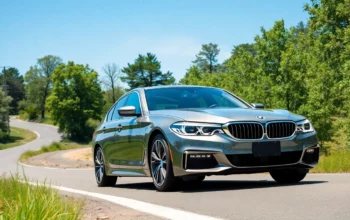
The BMW i4 arrives with the kind of presence that feels almost theatrical—an orderly grille-less face, sculpted shoulders, and a stance that suggests motion even when parked. The cabin tends to reward traditional sensibilities: clear sightlines, familiar controls, and an atmosphere that feels engineered rather than improvised.
The Polestar 2, by contrast, has a Scandinavian calm that can feel like a deep breath. It doesn’t shout. It sketches. Clean surfaces, minimalist design cues, and a cockpit that favors clarity over extravagance make it feel quietly confident.
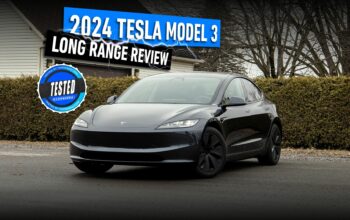
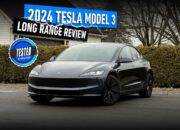
The Tesla Model 3 turns the dial toward futurism. Its design language is lean and aerodynamic, with a cockpit centered around a touchscreen ecosystem. It’s a bit like living with a sleek tablet that also happens to drive.

Driving Feel: Engagement vs. Serenity vs. Velocity
Driving isn’t merely kinetic; it’s interpretive. The steering weight, the throttle’s nuance, and the way the car communicates grip can transform the same street into entirely different experiences.
The BMW i4 typically leans toward engagement. Even though it’s electric, it often feels as though the chassis has something to say. Expect crisp directional response and a tendency toward balanced composure. It’s the type of sedan that makes you instinctively drive slightly more “in front of” the road—looking ahead, adjusting earlier, enjoying the rhythm.
Polestar 2 often feels like serenity on rails. Its ride can be composed, its cabin hushed, and its handling calibrated to keep stress low. The result is an almost meditative drive, particularly on longer stretches where the road becomes repetitive and the mind begins to wander.
The Tesla Model 3 frequently emphasizes punchy acceleration and confident everyday responsiveness. Power is delivered with a kind of immediacy—almost too direct, depending on your taste. For some drivers, it’s intoxicating; for others, it can feel like driving a joystick. Either way, the sensation is distinct.
Range, Real-World Efficiency, and the “Do I Trust the Trip?” Question
Range is the seduction and the stress. On a brochure, it looks effortless. In real life—weather, traffic, elevation, and your right foot—it becomes a moving target.
The BMW i4’s efficiency typically stacks well, especially when driven with discipline. Its energy consumption can remain predictable, which matters when you’re plotting routes with mental math. Still, the i4’s bigger focus often includes performance variations across trims, so the question becomes: which version are you actually considering?
Polestar 2 tends to be an efficiency-minded choice with a rational approach to consumption. Its driving dynamics don’t demand constant corrections, which can help you achieve a steadier efficiency profile. It’s the kind of car that rewards calm inputs.
The Tesla Model 3 is often praised for its pragmatic efficiency and strong real-world performance. It also brings an ecosystem that can reduce anxiety: route planning, charging navigation, and a general sense that the car is trying to anticipate your next move.
Playful challenge reminder: if you pick “range confidence” as your priority, the car that feels easiest to trust tends to win—even if another option has slightly better theoretical efficiency.
Charging Experience: Convenience Is a Kind of Power
Electric cars don’t just run on electrons. They run on your patience—at least until charging becomes routine.
The BMW i4 can be a comfortable daily driver around home charging. Its charging behavior depends on the network, temperature, and battery conditioning, but the overall experience often feels polished. BMW’s broader ownership ecosystem also nudges many drivers toward confidence.
Polestar 2’s charging experience is often guided by sensible planning tools, with an emphasis on minimizing friction. The real-world outcome depends heavily on where you live, which connectors are available, and whether you can rely on consistent charging infrastructure.
Tesla’s advantage is frequently the charging network. When the network is convenient, charging becomes less of an event and more of a pause. That difference can be enormous on road trips. It’s the difference between “We’re stuck” and “We’re stretching, then we’re back.”
Consider this: the “best” charging system is the one you actually encounter without contortions.
Interior Quality, Ergonomics, and Daily Comfort
Every commute has a hidden antagonist: fatigue. Materials, seat support, visibility, and cabin layout determine whether you finish the day refreshed or wrung out.
The BMW i4 often shines in tactile credibility. Buttons and knobs (depending on version) can reduce cognitive load. The seating position typically suits drivers who like a planted, connected feel. Long drives can become surprisingly pleasant, especially when the cabin remains composed over time.
Polestar 2 usually delivers a minimalist, uncluttered environment. The design avoids visual noise, and the cabin feels thoughtfully curated. Comfort can be excellent, though some drivers may prefer more traditional control layout depending on their personal history.
The Tesla Model 3 is dominated by a digital cockpit. That can be thrilling—everything seems swift and intentional. It can also require adjustment if you prefer physical controls. The key question is whether you enjoy an interface-first driving life.

Infotainment and Software: The Battle Between Convenience and Control
Software isn’t just entertainment; it’s navigation, climate management, user profiles, and—depending on your temperament—an extension of identity.
BMW i4’s infotainment often emphasizes integration and clarity, with a familiar approach to controls. It can feel like a premium toolkit: straightforward, polished, and designed to keep you from hunting for features.
Polestar 2’s interface often feels elegantly modern. It tends to prioritize a calm user experience and a cohesive design language. If you like your technology to feel understated, it can be a strong fit.
The Tesla Model 3 is the software flagship. Updates, integrations, and a constantly evolving feature set create a sense of momentum. Some drivers love this; others find it like living with a phone that occasionally changes its own buttons.
Here’s the subtle challenge: pick a car based on how you want to interact with it at 7:30 a.m., not how you feel about it at 11:00 p.m. after a thrill ride.
Safety, Driver Assistance, and the Confidence Factor
Driver assistance should reduce workload—not replace judgment. Still, the implementation style matters: how smoothly it alerts you, how predictably it behaves, and how quickly it recovers in tricky situations.
The i4 generally offers robust safety features and a driver-assistance suite aligned with BMW’s safety philosophy. The experience can be methodical and reassuring.
Polestar 2 typically emphasizes a thoughtful approach to safety systems, often with a focus on clarity and calm interventions.
Tesla’s system is known for its advanced capabilities and ongoing improvements. It can feel powerful and proactive, but it also requires trust—trust that grows as you learn how it behaves in your region’s typical road patterns.
In the end, “confidence” is personal. The best system is the one that makes you feel safer without making you second-guess your own senses.
So… Which One Wins the Electric Sedan Triangle?
The answer depends on what you’re chasing when the weekend ends and the commute begins.
If you want a sedan that feels deliberately engineered, with a driver-focused aura and a comfort-forward cabin, the BMW i4 is persuasive. It’s the choice for people who like their technology with a touch of tradition.
If you crave minimalist tranquility, thoughtful design, and a more serene driving temperament, the Polestar 2 fits neatly into that lifestyle. It’s often the “quiet best friend” of the group.
If you want the most software-forward experience and a charging ecosystem that can make long trips feel less like negotiations, the Tesla Model 3 often delivers the strongest convenience gravity.
Now return to the playful challenge: choose one priority—engagement, calm, or connectivity—and live with that decision for a week. If the car keeps feeling right after the excitement fades, that’s your winner.
Final Word: The Real Test Is Yours
BMW i4, Polestar 2, and Tesla Model 3 aren’t merely competitors. They’re different philosophies wrapped in aerodynamic bodies. One may thrill your senses. One may soothe your mind. One may simplify your life with software and infrastructure.
Try them back-to-back, ideally on the roads you actually drive—stoplights included, detours included, weather included. Because in the electric sedan triangle, the correct answer isn’t universal. It’s personal. And the best way to find it is to let the car challenge you first.