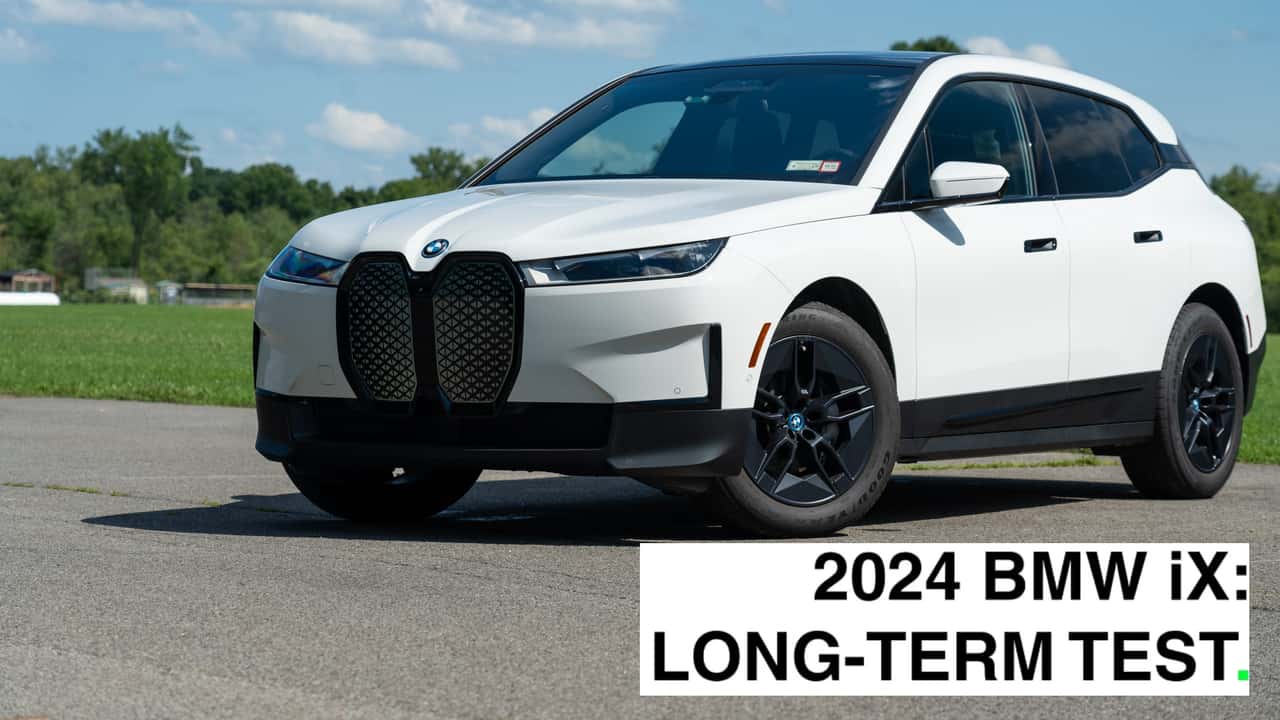
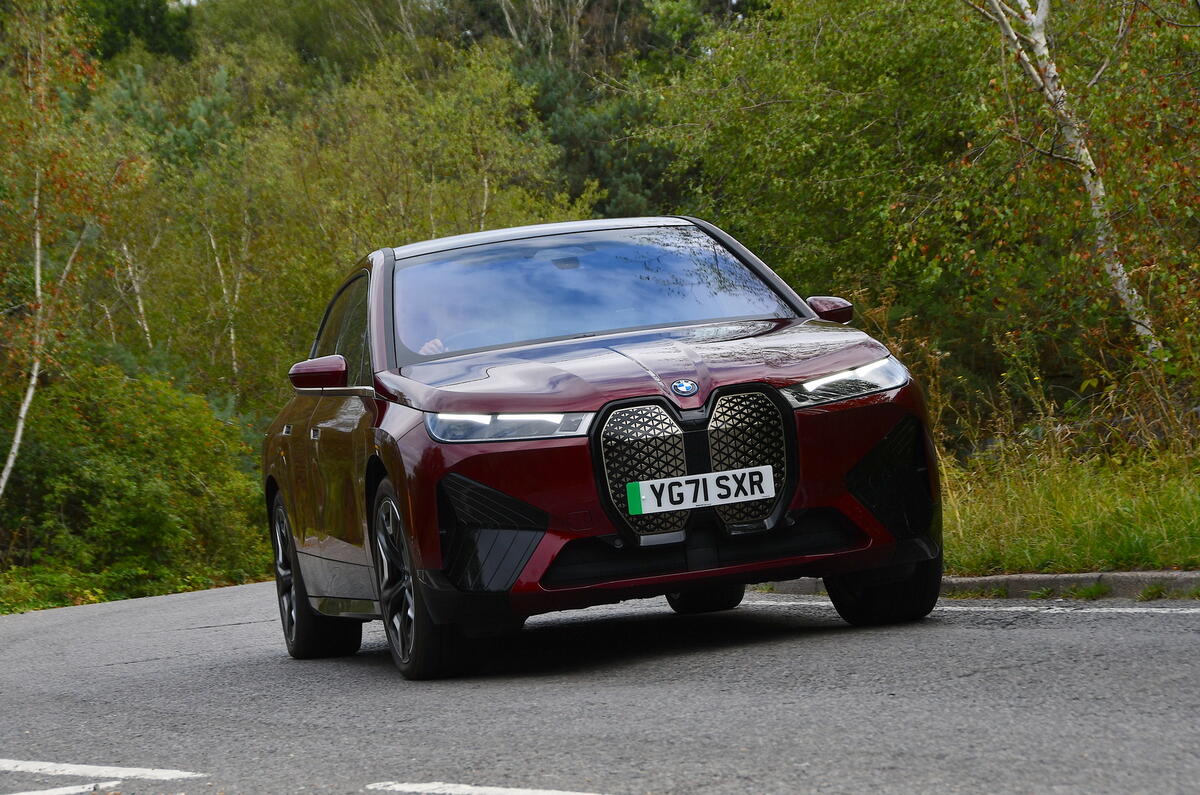
Ten thousand miles is an oddly specific milestone. It sounds like a number from a spreadsheet, yet it behaves like a hinge—one moment you’re still acclimating, the next you’re living with the car’s habits rather than merely driving it. After 10,000 miles with the BMW iX, the conversation shifts. The early impressions—silence, torque, smoothness—are still there, but they’re joined by something more interesting: the accumulation of patterns. The daily rituals. The small frictions. The quiet reasons the iX keeps pulling you back, even when it occasionally reminds you that it’s a premium machine, not a disposable appliance.
And yes, a common observation follows any EV with a large battery and a conspicuously futuristic silhouette. Owners often wonder whether the iX truly “feels” like an evolution, or if it’s simply a confident wrapper around familiar electric fundamentals. The answer, after long-term miles, is that the iX does both. It delivers the expected—electric immediacy—and it also reveals a deeper fascination: a willingness to be different in how it manages comfort, software maturity, and the psychology of distance.
First Impressions, Now Distilled
When the iX is new, everything seems accelerated by novelty. The cabin is a deliberately curated ecosystem: light, texture, and an uncluttered visual field that makes the dashboard feel less like a control panel and more like a calm interface. The steering weight and stability at speed quickly build confidence. Power is instant, but it’s the modulation that surprises people—how the iX can be brisk without feeling frantic.
After 10,000 miles, novelty fades, and distillation begins. You start noticing which features become non-negotiable and which ones were merely impressive. Some owners expect to fall for range charts and efficiency spreadsheets. Instead, many find themselves emotionally attached to the car’s composure. Short commutes feel smoother. Highway cruising becomes less about “driving” and more about staying present—an unhurried attentiveness that’s hard to describe until it happens to you.
Charging Reality: Range Is Not a Number, It’s a Mood
The most frequent comment about electric ownership is simple: “It depends.” It depends on temperature, speed, wind, route geometry, and your relationship with the accelerator. Yet the iX adds a twist to this conversation. While many EVs treat range as a forecast, the iX behaves as if range is a conversation—partly communicated through efficiency guidance, partly influenced by how the car learns your habits.
After 10,000 miles, you can chart how you charge differently. Weekdays become optimized. Longer trips become less stressful not because the car magically gains distance, but because your routine becomes coherent. You stop thinking like a person who must plan every detail, and start thinking like someone who understands the system. The iX’s charging planning and energy management help reduce that nagging uncertainty—the one that sits quietly in the background every time you approach the last few percent.
Deeper fascination often begins here: the realization that electric driving reshapes your attention. You begin to “read” the road for efficiency. You anticipate climbs rather than react to them. You notice the way the car’s regenerative braking changes the rhythm of traffic. It’s not just range; it’s tempo.
Everyday Comfort: The iX Learns Your Defining Variables
Premium comfort has a reputation for being subjective, but long-term ownership turns subjectivity into a checklist. The iX cabin feels like a carefully buffered space. Seats that were initially “interesting” become reliably restorative. Noise suppression—often discussed in marketing terms—becomes practical. City streets feel calmer. Longer drives don’t accumulate fatigue as quickly as you might fear.
Over time, you also notice the boundaries. The iX’s size is not just an external measurement; it affects parking habits, garage navigation, and the way you estimate curb distance. The exterior design is dramatic, but the daily choreography can take adjustment. That adaptation—learning how the car’s proportions behave—is where familiarity becomes trust.
There’s an uncommon satisfaction in realizing you’ve stopped thinking about comfort. The climate system, the seating position, the steering feel, and the cabin atmosphere blend into something that happens without effort. That’s the long-term payoff: convenience that becomes invisible.
Software and Driver Experience: Smoothness vs. Maturity
Electric cars increasingly rely on software. Early on, owners evaluate responsiveness, menu clarity, and the feel of animations. After 10,000 miles, the evaluation changes. It becomes about consistency—whether the system behaves predictably in rain, when you’re rushing, when you’re tired, and when you’re expecting the same answer from the car every time.
The iX’s driver interface can feel like a modern art exhibit: elegant, sometimes uncanny, always intentional. In daily use, those design choices either become second nature or become a tiny irritation. Long-term ownership often reveals that the “annoying moment” is rarely about one feature. It’s usually about context. A button too far from the natural hand position. A menu that asks for attention at precisely the wrong time. A driver-assist prompt that feels overly eager.
Yet those shortcomings fade against the iX’s larger ambition. The fascination lies in the car’s attempt to be a moving interface—one that aims to anticipate your needs rather than merely react. Even when it misses, the intention is evident, and that intention keeps the experience compelling.

Performance and Longevity: Electric Torque Without the Drama
After ten thousand miles, the iX’s performance becomes less about wow and more about suitability. Instant torque is still thrilling, but you start using it with discretion. You learn the sensation of traction at different temperatures. You learn how the car changes its behavior when you press harder—whether that’s thermal management, power delivery mapping, or stability calibration.
Longevity is where EV ownership becomes reassuring. The absence of engine wear changes the maintenance emotional profile. You shift your focus toward tires, brakes’ incidental use, and the kind of preventive care that keeps a premium vehicle feeling premium. Over time, the iX tends to earn trust through mechanical quietness. Even when you push it, it rarely feels chaotic. It feels composed—less like a rocket and more like a well-tuned instrument.
That’s the deeper reason owners become fascinated: the iX doesn’t chase attention with drama. It earns attention with competence.
Maintenance and Practical Ownership: The Hidden Cost of Being a Big Dream
Premium electric cars can be expensive to own in unexpected ways. Not necessarily because components fail, but because the system is sophisticated. Long-term ownership highlights that maintenance isn’t just about mileage—it’s about environment. Coastal air, winter road salts, wheel cleanliness, and charging habits all matter.
The iX’s practicality is respectable. It carries itself with confidence on broken pavement and tolerates everyday life better than its futuristic design might suggest. Still, the realities of ownership—tire replacement patterns, alignment sensitivity, and battery management—become part of the relationship. You start thinking like an owner instead of a driver. You become attuned to how the vehicle behaves when conditions turn harsh.
That attention can feel like a burden, but it also forms a bond. The iX isn’t just transportation; it’s a system you participate in.
The Fascination Factor: Why the iX Keeps Pulling You In
Here’s the subtle truth that many owners recognize after long miles: the BMW iX is fascinating because it reframes what “distance” means. It turns every trip into an experiment in energy management, yes—but it also turns driving into a more deliberate act. You notice elevation changes. You time your charging. You smooth your inputs. You pay attention to how the car communicates.
That attentiveness can feel like mindfulness disguised as technology. It’s uncommon in a world where many cars encourage autopilot thinking. The iX pushes back, not with stress, but with feedback. It invites you to understand it rather than merely use it.
Even after 10,000 miles, the iX’s identity remains clear: a premium electric SUV that aims to be less about compromise and more about coherence. It doesn’t pretend to be effortless in every moment. Instead, it offers a lived-in sense of refinement that becomes more meaningful with time.
Conclusion: A Milestone That Feels Like a Beginning
Ten thousand miles is enough to confirm the iX’s character. The early excitement doesn’t disappear; it matures. The common observation—that electric life depends on conditions—remains true. But the deeper reason the iX fascinates is that it transforms those conditions into a comprehensible rhythm. You stop fearing the variables, and start understanding them.
By the time you cross this threshold, you don’t just know the car’s range or its comfort. You know its personality: calm when you’re calm, alert when you’re hurried, quietly insistent on smart choices. The BMW iX isn’t merely a long-term vehicle. It’s a long-term relationship with the future—one measured in miles, yes, but ultimately measured in attention, habit, and belief.