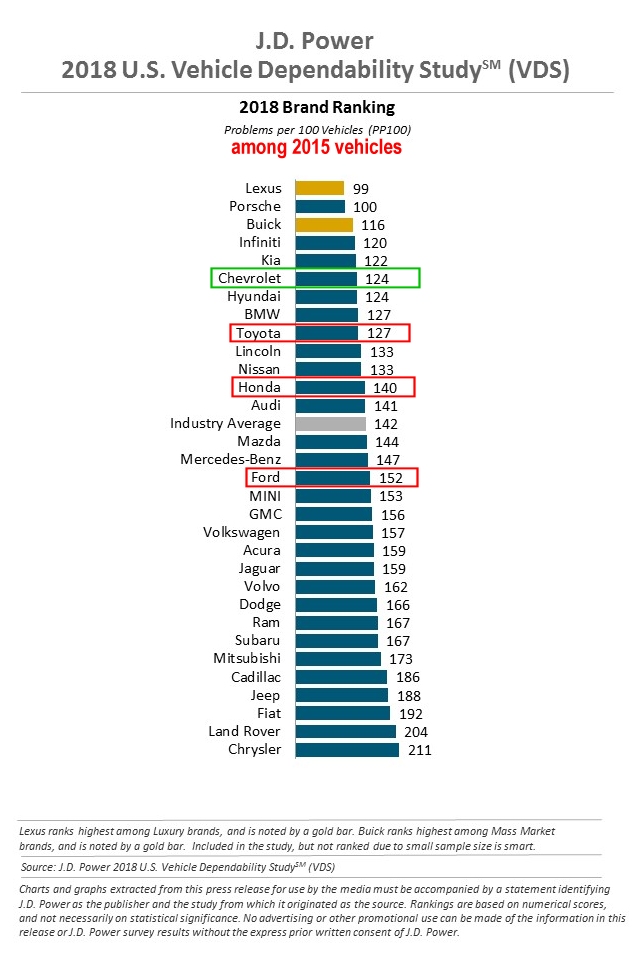
Reliability is the automotive equivalent of a quiet superstition: people don’t always talk about it loudly, yet they quietly organize purchases around it. In 2026, the conversation shifts from “Which brand is good?” to a more precise question—which models last? Chevrolet sits at the center of that debate for a simple reason. Its lineup feels everywhere: work sites, suburban driveways, long-haul parking lots, and—more recently—electrified paths that promise a different kind of durability. Still, the recurring observation remains stubborn: some drivers swear by Chevy longevity, while skeptics argue that modern complexity makes long-term ownership a gamble. The truth tends to be subtler, and it’s worth teasing out.
This article examines a practical “reliability ranking” mindset for 2026 Chevrolet models—what tends to hold up, which systems deserve your attention, and why the fascination with longevity never really fades. The answer is not just about parts. It’s about design philosophy, maintenance reality, and how driving patterns amplify—or soften—engineering intentions.
Why 2026 Reliability Feels Like a Debate Instead of a Metric
Reliability rankings are often treated like weather forecasts: useful, but never absolute. One owner reports “zero drama” after years. Another experiences a cascade of small inconveniences. That contradiction isn’t necessarily dishonesty; it’s a mismatch of variables. Tire selection, charging habits, climate extremes, towing frequency, software update cadence, and even the style of transmission/torque management during daily driving can tilt outcomes.
In 2026, Chevrolet’s most dependable models typically share a common trait: they use proven powertrain architectures and mainstream service pathways. In contrast, the models that attract the loudest complaints often involve systems that are newer in their current form—especially electrified components, advanced driver-assistance suites, and highly integrated infotainment stacks. These aren’t inherently unreliable; they’re just more likely to be “noticed” when something feels off.
That leads to the deeper reason people remain fascinated by longevity: reliability is both a technical property and a narrative one. Owners want proof that the car won’t rewrite their schedule. They don’t just measure miles—they measure peace.
2026 Chevrolet Reliability Rankings: The Likely “Last” Candidates
When people ask which Chevrolet models last, they’re usually asking about two layers of durability. First: mechanical robustness over time. Second: the ability to remain functionally satisfying—smooth shifting, stable electronics, dependable cooling, and predictable wear items. In 2026, the following categories generally attract the strongest “long-life” reputation.
1) Chevrolet Silverado 1500 and 2500 (Conventional Powertrains)
Trucks are a special case. They’re either treated like tools or like trophies, but either way they face repetitive stress cycles. The most reliable Silverado configurations tend to be those paired with familiar engine families and transmissions that have had multiple model-year refinements. Truck reliability often shows up as fewer “mystery” failures and more manageable maintenance predictability—filters, brakes, fluid intervals, and cooling health.
2) Chevrolet Equinox (Efficiency-Oriented Mainstream Ownership)
Crossovers usually win reliability by being boring in the best possible way. The Equinox often benefits from mainstream availability of parts, a service network that knows its patterns, and a driving profile that’s typically less abusive than towing-heavy duty. That doesn’t guarantee perfection, but it improves the odds that if something happens, it’s quickly resolved.
3) Chevrolet Traverse (Family Practicality and Stable Systems)
Three-row vehicles experience unique load dynamics—more passenger weight, more frequent stop-and-go movement, and more “edge” scenarios like school-run acceleration followed by long idle times. Reliability tends to improve when the vehicle’s electronic management and cooling strategies stay consistent. The Traverse is often discussed in reliability circles because owners commonly keep them for long periods, and replacement cycles stay comparatively reasonable.
4) Chevrolet Blazer (Balanced Use, Familiar Service Rhythm)
The Blazer’s longevity narrative frequently comes from a “middle path” ownership profile. It’s not always a fleet vehicle, but it’s also not always an emotional purchase. That means fewer extreme use cases and a higher likelihood of routine maintenance compliance.
5) Chevrolet Colorado (Work-Ready, Depends on Powertrain Pairing)
The Colorado can be durable, but reliability varies more by engine/transmission configuration and by how frequently the truck is used near its limits. When maintenance is consistent and towing patterns are realistic, it can last well. When owners chase performance while skipping preventative care, the wear story changes.
Note: Rankings should be treated as a probability map rather than a prophecy. The “which models last” question ultimately depends on trim selection and the owner’s operational habits.
What Most Owners Miss: Reliability Is a System, Not a Part
A car’s reputation is often blamed on a single component—“the engine,” “the transmission,” “the infotainment.” But reliability is more like an ecosystem. A minor cooling inefficiency can push an engine to run hotter than intended. That heat can accelerate sensor drift. Sensor drift can influence fuel trims. Fuel trim changes can influence drivability complaints. Eventually, the owner feels like everything is failing, even if each failure is small.
Chevrolet models that tend to “last” usually have cohesive thermal management strategies, predictable service schedules, and hardware that tolerates imperfect conditions. Longevity often reflects margin—engineering headroom—rather than luck.
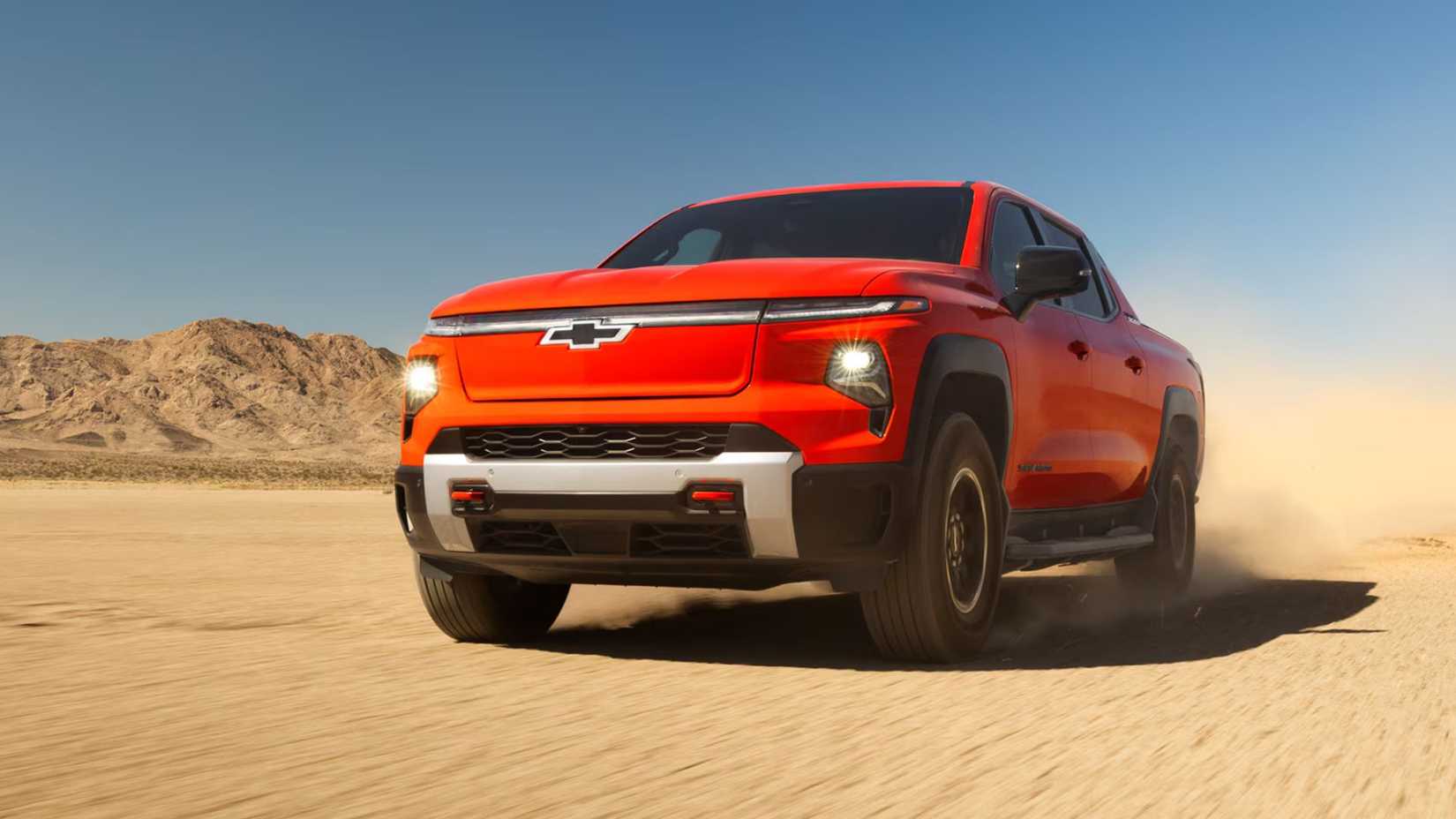
The Silverado Factor: Why Truck Longevity Creates Loyalists
Few names carry as much emotional gravity as Silverado. That’s not just branding. Trucks become part of a household’s choreography: hauling, commuting, weekend projects, road trips, and the steady rhythm of repair scheduling. When a Silverado behaves like a predictable partner, owners stop worrying about the next unexpected event. Their confidence becomes a feedback loop.
In 2026, truck reliability often hinges on how power delivery interacts with real-world torque usage. Engines that deliver steady output under varied loads, transmissions that adapt smoothly, and cooling systems that respond well to sustained demand can produce the “it just keeps going” effect. Meanwhile, brake wear and suspension durability play roles that many people underestimate. What looks like an “engine reliability” story frequently becomes a “whole-vehicle stress management” story.
Even when occasional service is required, long-term satisfaction depends on serviceability. A truck that’s expensive to fix can feel “unreliable” even if it’s mechanically stable. The psychology of reliability matters.
Electrification in 2026: Fascination Meets Complexity
It’s hard not to feel intrigue around electrified Chevrolet models. Battery-based propulsion invites a different kind of reliability curiosity. People expect fewer moving parts and quieter drivetrains. And yet, electrification introduces new failure modes: charging-related variables, thermal cycles, software behaviors, and high-voltage safety systems that are rarely encountered on the road.
That doesn’t make electrified models unreliable. It makes them more diagnostically sensitive. A software glitch might not “break” the car, but it can reduce confidence. A battery thermal management update might restore a feeling of smoothness. In other words: EV reliability can be both mechanical and behavioral. Owners often judge the whole experience, not just the hardware.
That’s a deeper reason fascination persists. Longevity isn’t only about survival; it’s about continuity of normal life—range behavior, charging predictability, and the sense that the vehicle understands its own limits.
Common Observation: “My Friend’s Chevy Was Great—But…”
The most common observation in reliability circles is a pattern: someone has a story of outstanding longevity, followed by a “but” that complicates the myth. That “but” typically falls into a handful of causes.
First, trim-level differences. Higher trims may include heavier tech stacks—more sensors, more modules, more chances for a calibration issue to show up.
Second, maintenance discipline. Reliability rewards the owner who changes fluids on schedule, uses proper coolant, and respects tow/haul guidelines. Skipping service can turn a resilient design into a tired one.
Third, driving style and environment. Frequent short trips can degrade battery and engine thermal cycles. Long high-speed drives can stress cooling and drivetrain lubrication. Coastal humidity and winter salt can accelerate corrosion where rustproofing is absent.
Finally, there’s the “expectation gap.” A vehicle can be technically functional while still feeling unreliable because drivability annoyances erode trust. Reliability is partly measured by emotion, even if it begins as engineering.
How to Pick the “Last” Chevrolet Model in 2026
If the goal is long ownership, approach selection like a strategist. Start with the powertrain family that has the most consistent ownership feedback in your region. Then consider the vehicle’s primary job. If you plan to tow regularly, prioritize cooling capacity and drivetrain robustness. If your life is mostly urban short trips, pay attention to battery health behavior and software update availability for electrified options.
Next, examine parts availability and service familiarity in your area. A model can be reliable on paper, but if downtime is prolonged by supply-chain delays, the experience can feel less trustworthy.
Finally, choose maintenance-friendly trims. Simpler configurations often feel more stable over time because there are fewer variables to misbehave.
Signals to Watch: Early Warnings That Save Thousands
Longevity isn’t only about what fails—it’s about how quickly you catch precursors. Watch for persistent coolant temperature fluctuation, abnormal transmission shifting behavior, repeated warning messages that don’t fully clear after resets, and unusual vibrations that become more frequent. Pay attention to charging behavior for electrified models: frequent slowdowns, heat warnings, or inconsistent range estimates can be early hints that thermal management or sensor calibration needs attention.
The smartest owners treat minor oddities like breadcrumbs. A small symptom addressed early can prevent a larger mechanical drift later. Reliability is often built in the gaps between problems.
Conclusion: Which 2026 Chevrolets Last, and Why It Matters
So, which 2026 Chevrolet models last the longest? In most reliability-minded conversations, the strongest candidates are the conventional, mainstream workhorses—particularly trucks like the Silverado and practical family movers like the Equinox and Traverse—while electrified options invite a different kind of reliability profile shaped by software behavior and charging ecosystems. The ranking isn’t only a question of what can endure. It’s a question of what stays consistent in the rhythms of real life.
That’s why the fascination continues. People don’t fall in love with cars merely because they run; they fall in love when ownership feels uninterrupted. Reliability is the quiet promise that the road trip will happen, the commute will start, and the next year won’t demand a new plan. In 2026, Chevrolet’s best longevity stories tend to come from vehicles that manage stress well, remain serviceable, and—most importantly—keep earning trust as the calendar keeps turning.