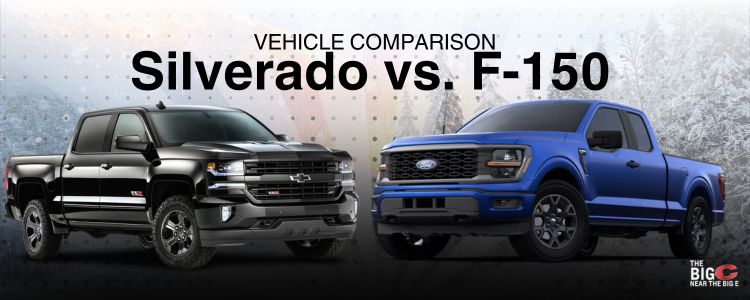
The rivalry between the Ford F-150 and the Chevrolet Silverado isn’t just a battle of steel and horsepower—it’s a clash of philosophies, legacies, and the very soul of American truck culture. For decades, these titans have squared off in driveways, dealership lots, and dusty backroads, each vying for the title of the ultimate workhorse. But why does this feud captivate us so deeply? Perhaps it’s the way these trucks embody the spirit of rugged individualism, or how they’ve become symbols of resilience in a world that’s increasingly shifting toward electric and autonomous vehicles. Whatever the reason, the debate rages on, and the stakes couldn’t be higher.
This isn’t just about which truck can tow more or which one has the slicker infotainment system. It’s about identity. For some, the F-150 represents the blue-collar backbone of the nation, a machine built for hard labor and unshakable dependability. For others, the Silverado is the embodiment of Southern grit, a truck that doesn’t just work—it endures. Both trucks have evolved over the years, but their core appeal remains unchanged. They’re more than vehicles; they’re statements. And in a world where choices often feel fleeting, these trucks offer something tangible: a promise of strength, reliability, and a connection to the open road.

The Battle of the Engines: Power, Performance, and the Quest for Dominance
At the heart of this rivalry lies a fundamental question: what does power truly mean in the modern age of trucks? The Ford F-150 has long been the poster child for innovation, with its turbocharged EcoBoost engines and the groundbreaking PowerBoost hybrid system. The 3.5L EcoBoost V6, for instance, delivers a staggering 400 horsepower and 500 lb-ft of torque, while the PowerBoost hybrid combines a 3.5L V6 with an electric motor to churn out 430 horsepower and an astonishing 700 lb-ft of torque. It’s not just about raw numbers; it’s about efficiency without sacrificing might. The F-150’s ability to seamlessly switch between gas and electric power has redefined what a truck can do, especially when it comes to towing and hauling.
The Chevrolet Silverado, on the other hand, takes a more traditional approach, though no less impressive. The 5.3L V8 remains a stalwart, offering 355 horsepower and 383 lb-ft of torque, while the available 6.2L V8 cranks out 420 horsepower and 460 lb-ft of torque. But where the Silverado truly shines is in its towing capacity. With the available Max Trailering Package, the Silverado can tow up to 13,300 pounds, a figure that leaves many competitors in the dust. The Silverado’s Duramax 3.0L turbodiesel engine is another beast, delivering 470 lb-ft of torque and a towing capacity of up to 13,300 pounds. It’s a machine built for those who demand unrelenting performance, no matter the task.
Yet, power isn’t just about numbers on a spec sheet. It’s about how a truck feels when you’re behind the wheel. The F-150’s turbocharged engines offer a responsiveness that’s almost electric, while the Silverado’s V8s provide a deep, resonant growl that echoes through the cab. Both trucks excel in their own ways, but the real question is: which one aligns with your vision of what a truck should be?
Design and Aesthetics: Where Form Meets Function
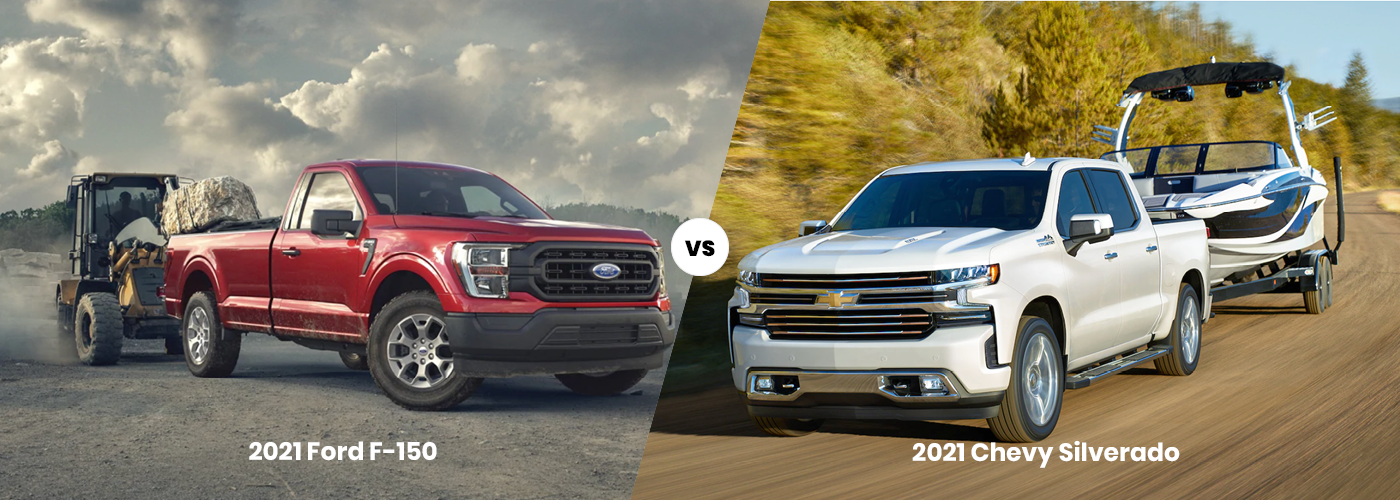
Trucks aren’t just tools; they’re extensions of ourselves. The way a truck looks can say as much about its owner as the way it performs. The Ford F-150’s design is sleek, almost futuristic, with sharp lines and a bold grille that commands attention. The available LED lighting and available carbon fiber accents give it an air of sophistication, while the boxy, utilitarian rear end ensures it never loses sight of its purpose. The interior is equally impressive, with a massive 12-inch touchscreen, available leather-appointed seats, and a cabin that’s as comfortable as it is functional.
The Chevrolet Silverado, by contrast, embraces a more rugged, no-nonsense aesthetic. Its bold, upright grille and chiseled body lines evoke a sense of strength and durability. The Silverado’s interior is equally utilitarian, with a 13.4-inch diagonal infotainment screen and available heated, ventilated seats that make long hauls feel like a breeze. The Silverado’s design is unapologetically tough, a visual representation of its ability to tackle any challenge.
But design isn’t just about looks—it’s about ergonomics, visibility, and the overall driving experience. The F-150’s cabin is designed to be intuitive, with controls within easy reach and a layout that minimizes distractions. The Silverado, meanwhile, prioritizes durability, with materials that can withstand the harshest conditions. Both trucks offer something unique, but the choice ultimately comes down to what you value most: sophistication or rugged simplicity.
Technology and Innovation: The Future of Trucking
The modern truck isn’t just a hunk of metal and horsepower—it’s a technological marvel. Both the Ford F-150 and the Chevrolet Silverado have embraced innovation, but they’ve taken different paths to get there. The F-150’s Pro Power Onboard feature, for instance, turns the truck into a mobile generator, capable of powering everything from power tools to entire job sites. With up to 7.2 kW of available power, it’s a game-changer for contractors and DIY enthusiasts alike. The F-150 also offers advanced driver-assistance systems like Ford Co-Pilot360, which includes features like blind-spot monitoring, automatic emergency braking, and adaptive cruise control.
The Silverado, meanwhile, has focused on connectivity and convenience. The available Super Cruise hands-free driving system allows for semi-autonomous driving on compatible roads, while the Silverado’s Trailering App provides real-time diagnostics and guidance for towing. The Silverado also offers a range of advanced safety features, including a 360-degree camera system and available automatic emergency braking. Both trucks are packed with technology, but they cater to different needs—efficiency and versatility for the F-150, connectivity and convenience for the Silverado.
Yet, technology isn’t just about features—it’s about how they enhance the driving experience. The F-150’s Pro Trailer Backup Assist makes towing a trailer feel like second nature, while the Silverado’s Multi-Flex Tailgate offers unparalleled versatility. Both trucks are pushing the boundaries of what a truck can do, but the real question is: which one fits seamlessly into your life?
Reliability and Resale Value: The Long Game
In the world of trucks, reliability isn’t just a buzzword—it’s a way of life. Both the Ford F-150 and the Chevrolet Silverado have reputations for durability, but they’ve taken different approaches to earning that trust. The F-150’s aluminum body, for instance, has been a point of contention since its introduction, with some questioning its long-term durability. However, Ford has stood by its choice, citing the material’s resistance to rust and corrosion. The Silverado, with its traditional steel body, offers a more familiar construction, but it’s not without its own challenges, particularly when it comes to weight and fuel efficiency.
Resale value is another critical factor. The F-150 has consistently ranked among the top trucks in terms of resale value, thanks to its strong brand recognition and widespread availability of parts. The Silverado, meanwhile, has a loyal following, particularly in rural and Southern markets, where its reputation for toughness is unmatched. Both trucks hold their value well, but the F-150’s hybrid powertrain and advanced technology give it a slight edge in the long run.
But reliability isn’t just about the truck itself—it’s about the support network behind it. Ford and Chevrolet both offer extensive warranties and roadside assistance programs, ensuring that help is always just a phone call away. The real question is: which truck will stand the test of time in your hands?

The Cultural Impact: More Than Just a Truck
Trucks have always been more than just machines—they’re cultural icons. The Ford F-150 is often seen as the quintessential American truck, a symbol of hard work and perseverance. It’s the truck of choice for contractors, farmers, and families alike, a vehicle that’s as comfortable on a construction site as it is on a family road trip. The Silverado, meanwhile, has carved out its own niche, particularly in the South and Midwest, where its ruggedness and reliability are legendary.
Both trucks have appeared in countless movies, TV shows, and songs, cementing their status as symbols of American ingenuity. The F-150’s association with blue-collar heroes and the Silverado’s ties to Southern grit have made them more than just vehicles—they’re part of the national psyche. But their cultural impact goes beyond mere symbolism. These trucks have shaped industries, influenced economies, and even sparked debates about what it means to be American in the 21st century.
In a world where choices are often dictated by trends and fleeting fads, the F-150 and Silverado stand as testaments to the enduring appeal of raw power, reliability, and authenticity. They’re not just trucks; they’re legacies.
So, which one will you choose? The F-150, with its cutting-edge technology and sleek design? Or the Silverado, with its unshakable toughness and timeless appeal? The choice isn’t just about specs or features—it’s about what you stand for. And in the end, that’s what makes this rivalry so compelling.