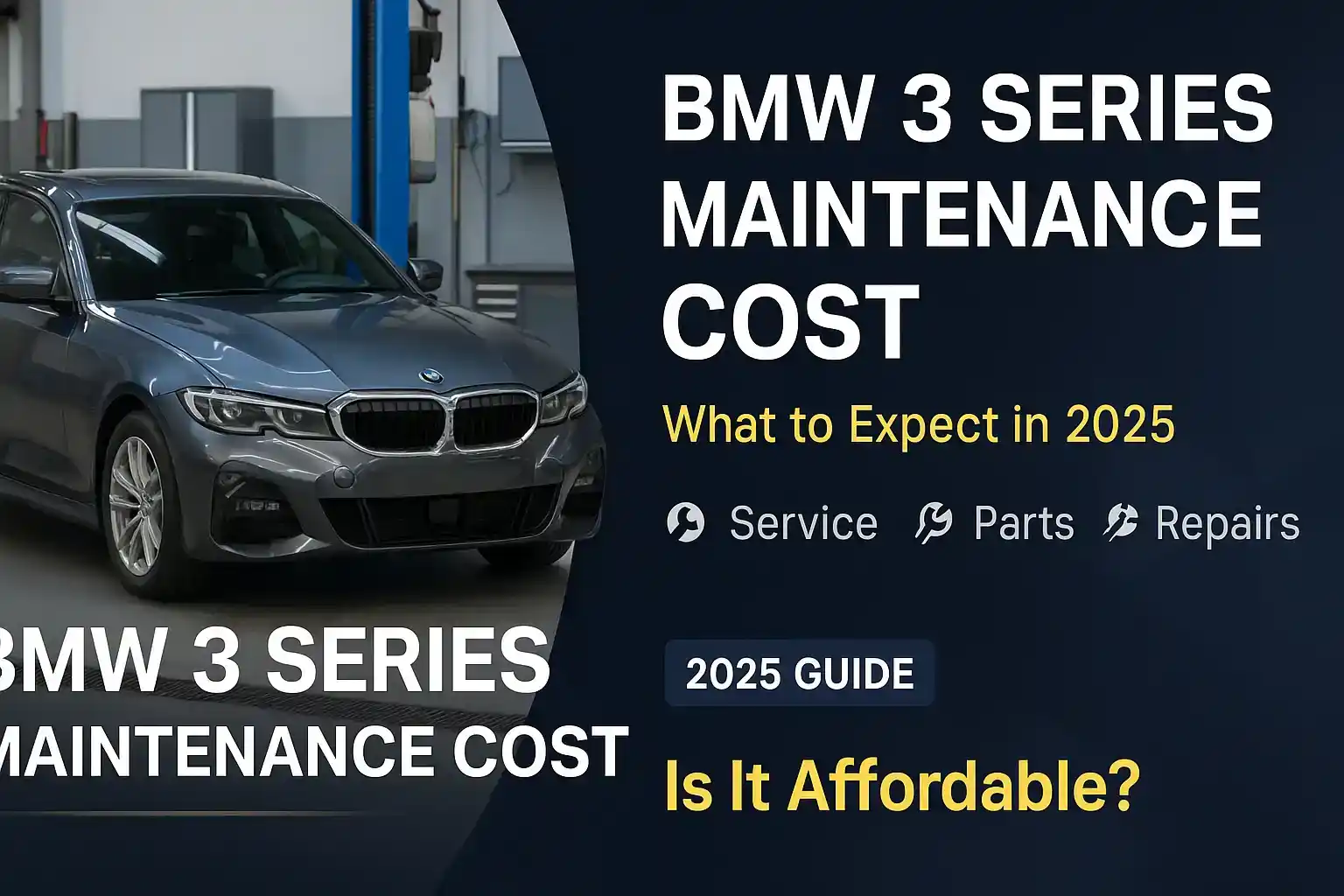
Picture it: a sunlit driveway, a neatly detailed 2026 BMW 3 Series, and the comforting hum of an engine that knows it’s cherished. Now—quickly ask yourself a mischievous question: Are you budgeting for maintenance… or merely hoping for it? That’s the pivot point. Maintenance costs can look deceptively tidy during the first few service intervals, then suddenly feel like they’ve developed a personality. Prices vary, parts aren’t always cheap, and labor—especially on modern BMW systems—can be a wildcard.
In this guide, the goal isn’t to alarm you. It’s to prepare you. Because the most expensive surprise is the one you never planned for.
Why 2026 BMW 3 Series Maintenance Feels Different
The 3 Series has always been engineered with precision, but the 2026 model year adds a further layer of complexity: more advanced electronics, more sensors, and more integration between systems that used to be independent. Translation: when something needs attention, it’s rarely a single bolt-and-washer scenario.
Think of the modern BMW as a well-orchestrated ensemble. If the conductor (the vehicle’s control modules) detects an anomaly, it may trigger diagnostics, calibration procedures, and—occasionally—component replacement rather than simple adjustment. That doesn’t mean you’re buying trouble. It means you’re buying sophistication.
The good news? With disciplined scheduling and early symptom detection, you can keep costs from metastasizing into something dramatic.
Typical Service Intervals: The “Plan Ahead” Advantage
Most owners can expect routine servicing to follow a mileage and time rhythm. Oil changes, fluid checks, brake inspections, and filter replacements are the recurring performers. The timing matters because fluids aren’t only lubricants or barriers—they’re protective systems. Old oil, for example, becomes less effective at reducing wear and heat, especially in turbocharged environments.
A practical mindset helps: treat recommended intervals as guardrails, not suggestions. If your driving includes short trips, heavy traffic, or winter temperatures, you’ll likely want service a bit earlier. Short-trip driving encourages condensation and contaminant buildup. That’s an invisible nemesis.
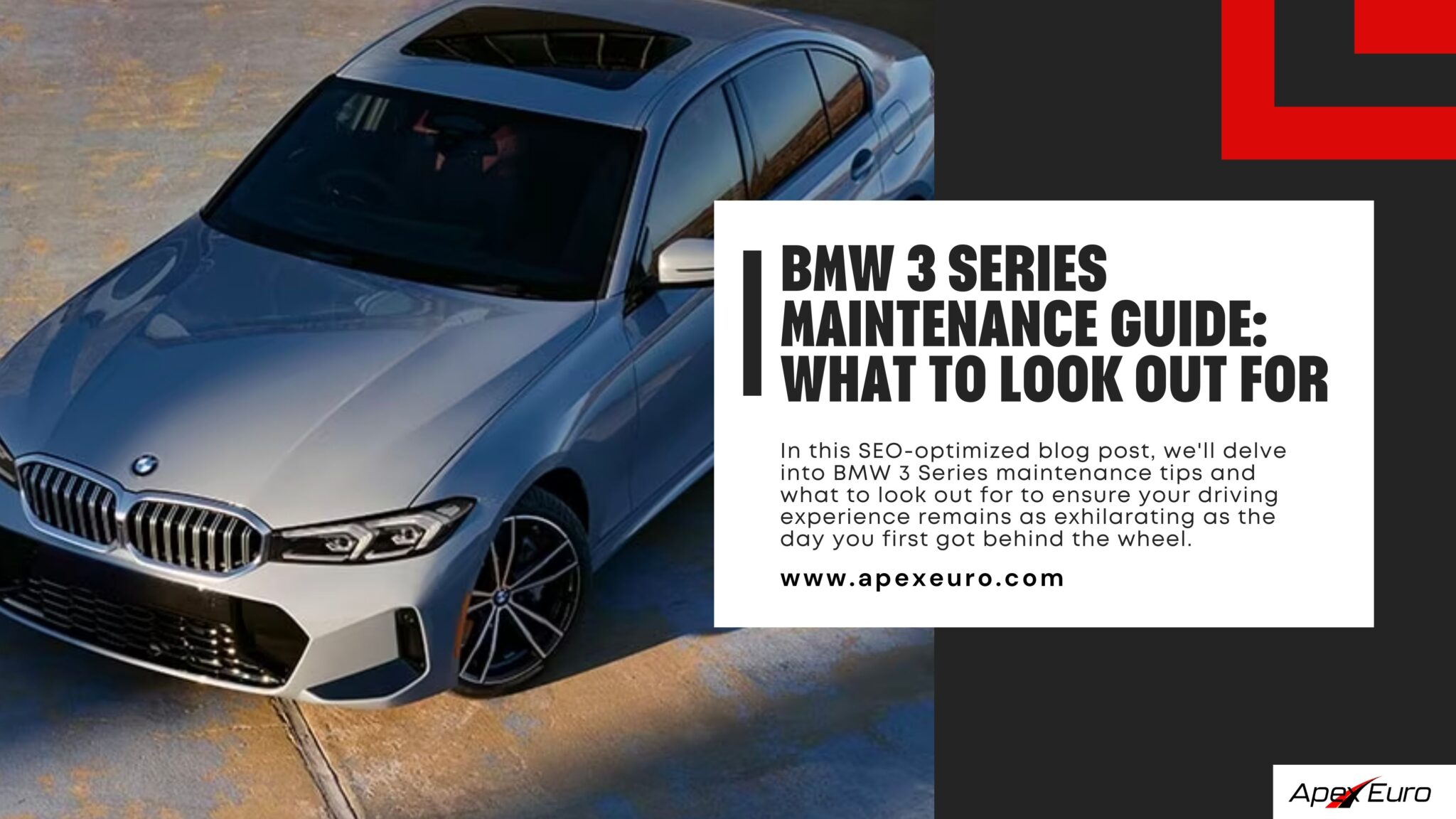
Oil, Filters, and Fluids: Where Most Budgets Begin
Oil service is the baseline—almost the maintenance equivalent of brushing your teeth. But on a 2026 BMW 3 Series, details matter: oil viscosity, filter quality, and whether additional inspections are included. Filters that keep the engine breathing properly can also help prevent premature wear.
Beyond oil, you’ll see recurring costs for:
• Cabin air filters, especially if you commute through pollen-season areas.
• Engine air filters, which can suffer faster in dusty conditions.
• Brake fluid checks (and sometimes replacements), since brake fluid absorbs moisture over time.
• Coolant and system condition monitoring, crucial for long-term thermal stability.
These are the expenses that rarely feel thrilling. Yet they are also the expenses that keep bigger bills from arriving uninvited.
Brake Maintenance: Calm Today, Costly Tomorrow?
Brakes on a modern vehicle don’t just slow you down—they manage heat, friction stability, and sensor feedback. Depending on your driving style, you might experience brake pad wear, rotor wear, or both.
Here’s the challenge: many owners assume brakes only cost money when they squeal. In reality, brake health can degrade without dramatic noise—through uneven pad wear, minor rotor warping, or sensor warnings.
Consider this a playful dare: When was the last time you checked brake life beyond the obvious? If you routinely drive in stop-and-go traffic, plan for more frequent attention. If you drive mostly highway miles, the schedule may be gentler.
Tires and Wheels: The “Hidden” Maintenance Category
Tires aren’t just consumables; they’re part of the car’s safety architecture. For the 2026 BMW 3 Series, tire costs can be influenced by tire size, performance rating, and whether the vehicle uses run-flat technology (depending on your configuration). Alignment also plays a decisive role.
Uneven tire wear is the clue you want to catch early. It can indicate misalignment, suspension wear, or driving habits such as aggressive cornering. Fix the root cause early, and you may save yourself from buying a full set sooner than expected.
Suspension and Steering: Small Wobbles, Serious Causes
Suspension components endure constant stress: potholes, road debris, curb impacts, and seasonal temperature swings. A worn bushing, a tired strut mount, or a failing link can lead to vibration, steering play, or a “floaty” ride.
These issues may not be immediate emergencies. But they often become costlier once they affect other parts. A minor clunk can accelerate wear in adjacent components. So if your car begins to feel slightly less composed, don’t treat it like background noise. Treat it like an early memo.
Wheel alignment ties into suspension health. If alignment is repeatedly corrected but the issue returns quickly, the car may be signaling that something is mechanically misbehaving.
Engine and Transmission Care: More Than Just “Does It Run?”
For a 2026 BMW 3 Series, powertrain maintenance is about preserving drivability and protecting long-term reliability. Modern engines benefit from clean fuel system health, proper cooling, and timely service of spark-related components when applicable.
Transmission service is another area where expectations differ. Some owners never look at transmission fluid until a warning appears. Others follow a planned schedule. Either way, the goal remains the same: maintain smooth shifts and prevent elevated wear.
Also remember: engine bay components can be affected by leaks, heat cycling, and sensor performance. A check-engine light might seem like a single event. In practice, it can indicate anything from a sensor needing replacement to a system that’s operating outside expected parameters.
Electrical and Software-Integrated Systems: The New Cost Frontier
Electrical maintenance is increasingly about diagnostics rather than simple parts swapping. The vehicle’s computers can store codes that require interpretation, sometimes leading to calibration, module updates, or sensor replacement.
Things that can influence electrical costs include:
• Battery health and charging system behavior.
• Starter and alternator wear, especially with lots of short trips.
• Advanced driver assistance system sensor alignment and calibration.
• Lighting and electronic control module concerns.
Don’t let the word “electronic” scare you. It just changes the nature of repairs. Instead of replacing a basic component immediately, technicians often start with targeted diagnostics to avoid unnecessary work.
How Driving Habits Change Your 2026 Maintenance Budget
Maintenance costs aren’t fixed—your driving is the variable. If you accelerate briskly, brake heavily, and drive in harsh winter conditions, wear patterns will shift. If you commute steadily on highways with moderate speeds, you’ll likely see fewer issues sooner.
Heavy stop-and-go traffic increases brake wear and can stress cooling systems. Rough roads contribute to suspension and tire wear. High-speed highway driving can influence tire longevity and aerodynamics-related component stress.
In short: your lifestyle writes the car’s maintenance story.
How to Reduce Costs Without Cutting Corners
Budgeting doesn’t mean neglecting the car. It means making informed choices. Start with disciplined service intervals. Keep records. Address minor issues quickly. Use quality parts and reliable diagnostics.
Also, consider planning for wear items: brakes, tires, and filters are predictable. Predictable costs are comforting. Unpredictable ones are the true villains.
Finally, align service with seasonal changes. A summer cooling check and a winter readiness inspection can help prevent temperature-related problems that emerge at the worst time—when you least want them.
What to Expect Over Time: A Reality Check for Owners
In the earlier years, many costs are routine. As the vehicle ages, you’ll likely see more involvement from suspension components, wear-and-tear items, and electrical diagnostics. Mileage is a major factor, but so is how hard the car works in your hands.
So the best way to frame maintenance costs is not as a single number. It’s as a trajectory. You can smooth that trajectory through proactive care, smart driving, and timely repairs.
Outro: Keep the BMW Feeling Like It Should
Your 2026 BMW 3 Series doesn’t need constant attention—it needs consistent respect. When maintenance is planned rather than postponed, costs become manageable. When repairs are delayed, you may pay with time, convenience, and higher bills.
So before the next service reminder arrives, ask yourself that playful question again: Are you waiting for problems, or are you preventing them? If you build a proactive routine now, the car will reward you later—with steadier performance, calmer ownership, and fewer surprises that feel anything but charming.