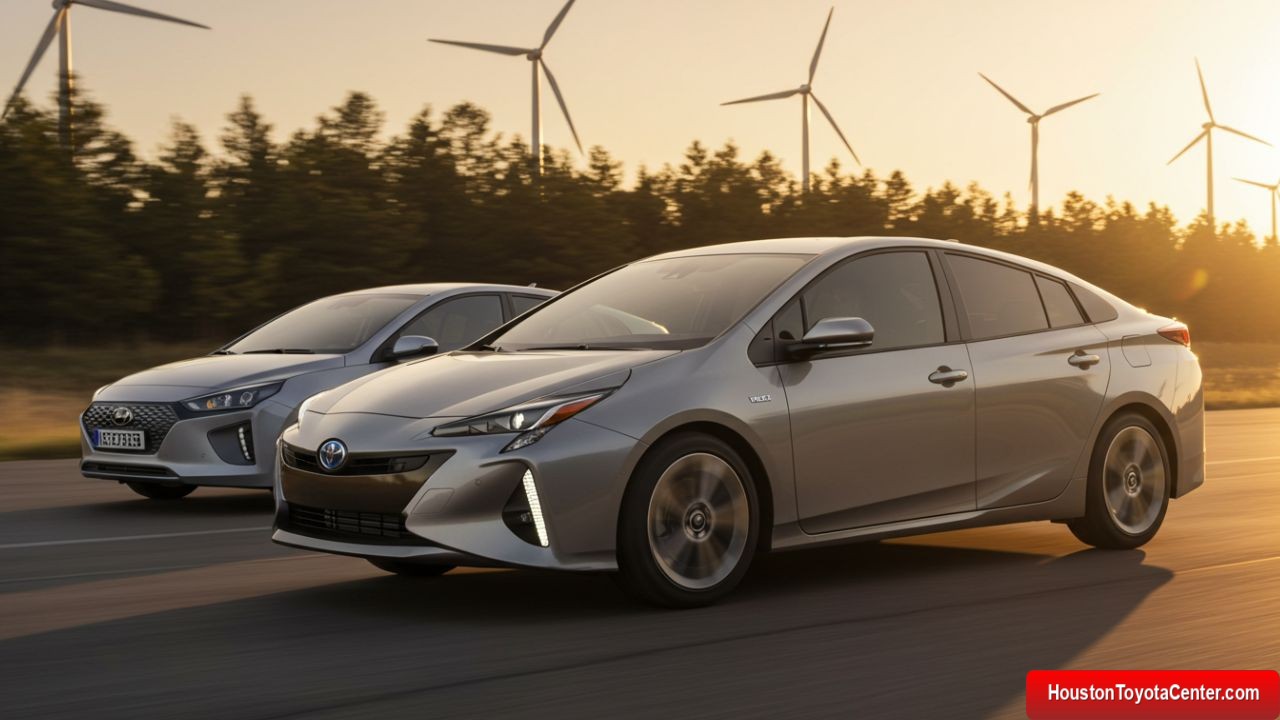
What if your next car didn’t feel like a compromise at all—just a clever invitation to reconsider the usual script? That question hangs in the air when people compare the 2026 Toyota Prius with the Hyundai Ioniq 6. One is a long-standing icon of hybrid pragmatism; the other is a sleek, unapologetically electric fastback with a reputation for aerodynamic poise. So here’s the playful twist: you’re not simply choosing transportation. You’re choosing an attitude.
Now comes the challenge. Picture two scenarios: a week packed with erratic commutes, unpredictable errands, and the occasional detour. In the other scenario, you’re disciplined—charging at home, planning routes, and treating the calendar like a choreography. Which car fits your lifestyle without demanding you become a different person? Let’s put both models under the same lamp: hybrid versus full EV, performance versus efficiency, cost versus convenience, and daily reality versus theoretical optimism.
Hybrid or Full EV: The Fundamental Personality Test
The biggest difference between the 2026 Toyota Prius and the Hyundai Ioniq 6 isn’t horsepower on paper. It’s philosophy. The Prius is built around a hybrid system designed to blend electric assistance with gasoline reliability. That means you’re rarely “stranded” in the way many new EV drivers fear—because the internal combustion engine remains a steadfast backup.
The Ioniq 6, by contrast, is fully electric. It trades the comfort of an onboard fuel reservoir for the immediacy of electric torque and the cleanliness of a drive that’s mechanically simple once you adapt. It’s not a hybrid “with training wheels.” It’s a clean break, a deliberate departure from fossil dependence.
So ask yourself: do you want electricity to be the primary rhythm, or do you want electricity to be a helpful co-pilot? Either answer can be right. The trick is choosing the rhythm that matches your actual life, not just your best intentions.
Design and Driving Feel: Where Each Car Makes Its Case
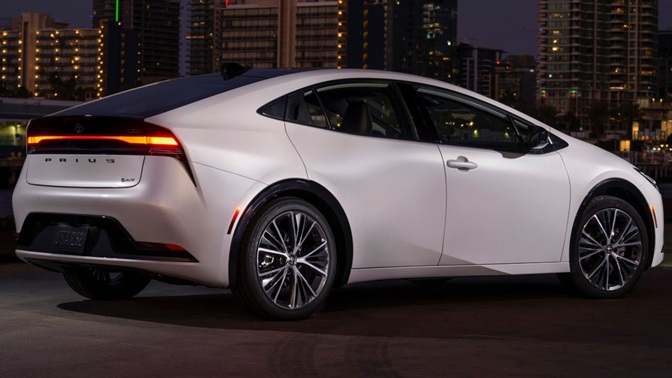
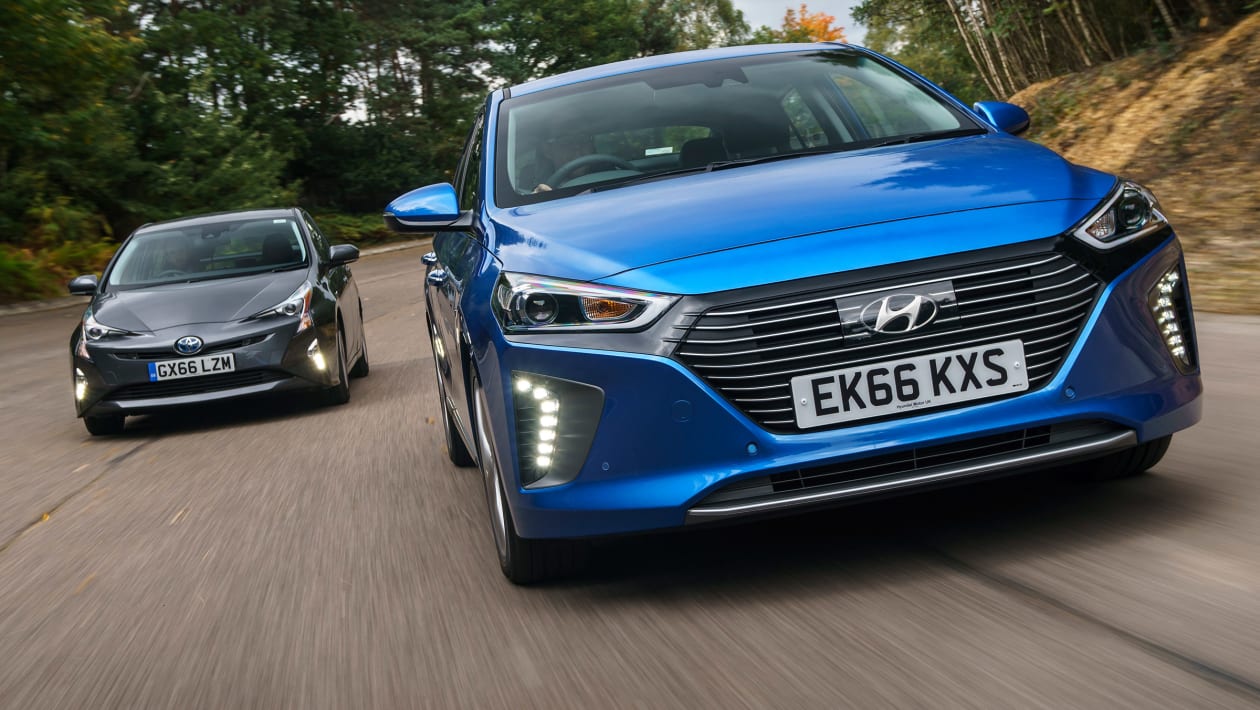
Visually, these vehicles speak different dialects. The Prius tends to lean into recognizable efficiency—practical shapes, streamlined aerodynamics, and an overall “purposeful calm.” It doesn’t beg for attention; it earns it through consistency.
The Ioniq 6 is more like a gallery exhibit that happens to be drivable. Its low, flowing stance and sleek surfaces are designed to slice through air with minimal friction. The sensation behind the wheel often feels instantly responsive—electric propulsion has a way of making acceleration seem less like mechanical effort and more like a controlled impulse.
But driving feel is also about how you manage your routine. The Prius can glide through stop-and-go traffic with assistance that reduces fuel burn, while the Ioniq 6 can deliver smooth, silent movement—though it asks you to think ahead about charging.
Efficiency in the Real World: Not Just Numbers, But Friction
Efficiency is a word people love to toss around. Yet efficiency is really a combination of energy sourcing, driving behavior, and operational logistics. The Prius aims to reduce consumption through hybrid synergy. That means city driving can be especially friendly, because electric assist helps cover frequent low-speed demands.
The Ioniq 6 targets efficiency through aerodynamics and battery management. Its range performance will depend heavily on speed, weather, and route style. On paper, EV efficiency looks elegantly simple. In reality, the “friction” comes from charging availability and the time you’re willing to invest.
Here’s a pragmatic thought experiment: if you can charge comfortably where you live, the Ioniq 6 can feel like an efficiency cheat code. If charging access is uncertain, the Prius can feel like the more forgiving path—less planning, more flexibility.
Range Anxiety vs Range Confidence: The Psychological Gap
Range anxiety isn’t merely an EV problem—it’s a driver problem. Some people experience it as a constant mental background noise. Others ignore it completely, because their charging routine is dependable.
The Prius sidesteps this emotional turbulence. Even if you’ve been careless with fuel planning, you’re not confronting a depleted battery warning that forces immediate action. The hybrid system gives you range confidence in a way that feels almost invisible when it works properly.
The Ioniq 6 invites a different mindset: be aware, be intentional, and use charging as part of your day. If you treat charging like an errand—something you’ll do anyway—then the stress evaporates. If you hate detours, it may become a recurring annoyance.
Performance and Responsiveness: Torque vs Adaptation
Electric drive is renowned for instant torque delivery. The Ioniq 6 can feel eager and composed, particularly when accelerating at lower speeds or merging with brisk confidence. That “always ready” feel can make everyday driving more engaging, even if you’re not chasing sportscar dynamics.
The Prius performance story is more about efficient acceleration than thrill-seeking. It’s often smooth, and its power delivery is designed to support economical driving. Hybrid systems can adapt impressively to varying conditions, but the emotional priority tends to be steadiness rather than excitement.
In short: the Ioniq 6 typically offers a more immediate sensation of propulsion. The Prius offers a calmer confidence that prioritizes economy without demanding driver theatrics.
Charging and Fueling: Convenience as a Lifestyle Feature
Charging convenience can be the decisive factor. If you have home charging—or reliable workplace charging—the Ioniq 6 becomes remarkably straightforward. Plug in, wake up, drive. It’s almost ritualistic. Public fast charging adds a different flavor to the routine: efficient but time-conscious.
Fueling with the Prius is simpler in logistics. Gas stations are ubiquitous. You don’t plan your life around charging curves. You just refuel when needed—no cables, no app-based slot reservations, no questions about charger availability.
This is the crux of the challenge. Choose a car that matches your tolerance for scheduling. If your day is chaotic, the Prius may feel like a smoother companion. If your day is structured—or you enjoy optimizing your routines—the Ioniq 6 can feel like liberation.
Cost of Ownership: Where the Numbers Accumulate
When people compare hybrids and EVs, they often focus on purchase price alone. But the real cost of ownership is more like a slow-burning ledger: energy costs, maintenance expectations, insurance variability, and the long-term durability of the drivetrain.
EVs often benefit from reduced maintenance due to fewer moving parts. Yet tire wear, battery health management, and charging infrastructure can influence the overall experience. Hybrids can offer a familiar service pathway—generally less infrastructure anxiety and potentially predictable upkeep.
The best way to approach this is scenario-based. If energy costs are favorable where you live, the EV’s efficiency advantage can become meaningful. If charging is inconvenient, the Prius’s hybrid flexibility can reduce the hidden costs of frustration—time spent, detours taken, and stress endured.
Technology and Practicality: Daily Usability Matters
Both cars are likely to be equipped with modern infotainment, driver assistance features, and connectivity. The difference is how those features support daily life. The Prius typically emphasizes usability for mass-market commuting—clear displays, practical ergonomics, and straightforward interfaces.
The Ioniq 6 often feels like it was designed for long, efficient journeys. Its tech tends to complement the EV experience—route planning, charging integration, and energy usage visualization. These tools are not merely optional. They can be essential to making the electric lifestyle effortless rather than annoying.
Practicality also includes space and visibility. While both are designed to be sensible, the EV’s packaging may differ from hybrid design, which can affect how you experience comfort on longer drives.
So… Which One Is Right for You?
If you want a vehicle that feels forgiving—one that can handle spontaneous detours without drama—the 2026 Toyota Prius is a compelling answer. It’s hybrid confidence. It’s flexibility with a conscience. It’s the choice that says, “I don’t want my car to dictate my day.”
If you want a vehicle that feels like a clean technological statement—instant torque, quiet operation, and a charging routine you can integrate—then the Hyundai Ioniq 6 can feel like a revelation. It’s electric intention. It’s a streamlined lifestyle upgrade. It’s the choice that says, “I’ll plan a little, and I’ll enjoy the payoff.”
And here’s the final playful challenge: if you had to pick one car and live with it for a year, would you enjoy the discipline of charging—or would you crave the laissez-faire flexibility of a hybrid? Answer that honestly, and the comparison stops being abstract. It becomes personal.
Outro: The Decision Is a Mood
The 2026 Toyota Prius versus Hyundai Ioniq 6 isn’t just a technical duel between hybrid and full EV. It’s a referendum on how you want your energy to arrive—through adaptation, or through electrified immediacy. Either path can be brilliant. The “right” one is the model that harmonizes with your routines, your patience, and your definition of convenience.
Choose the vehicle that makes efficiency feel effortless. Choose the one that keeps your driving life light, not loaded with logistics. Then let the next question be even simpler: not “Hybrid or full EV?” but “Why didn’t you switch sooner?”