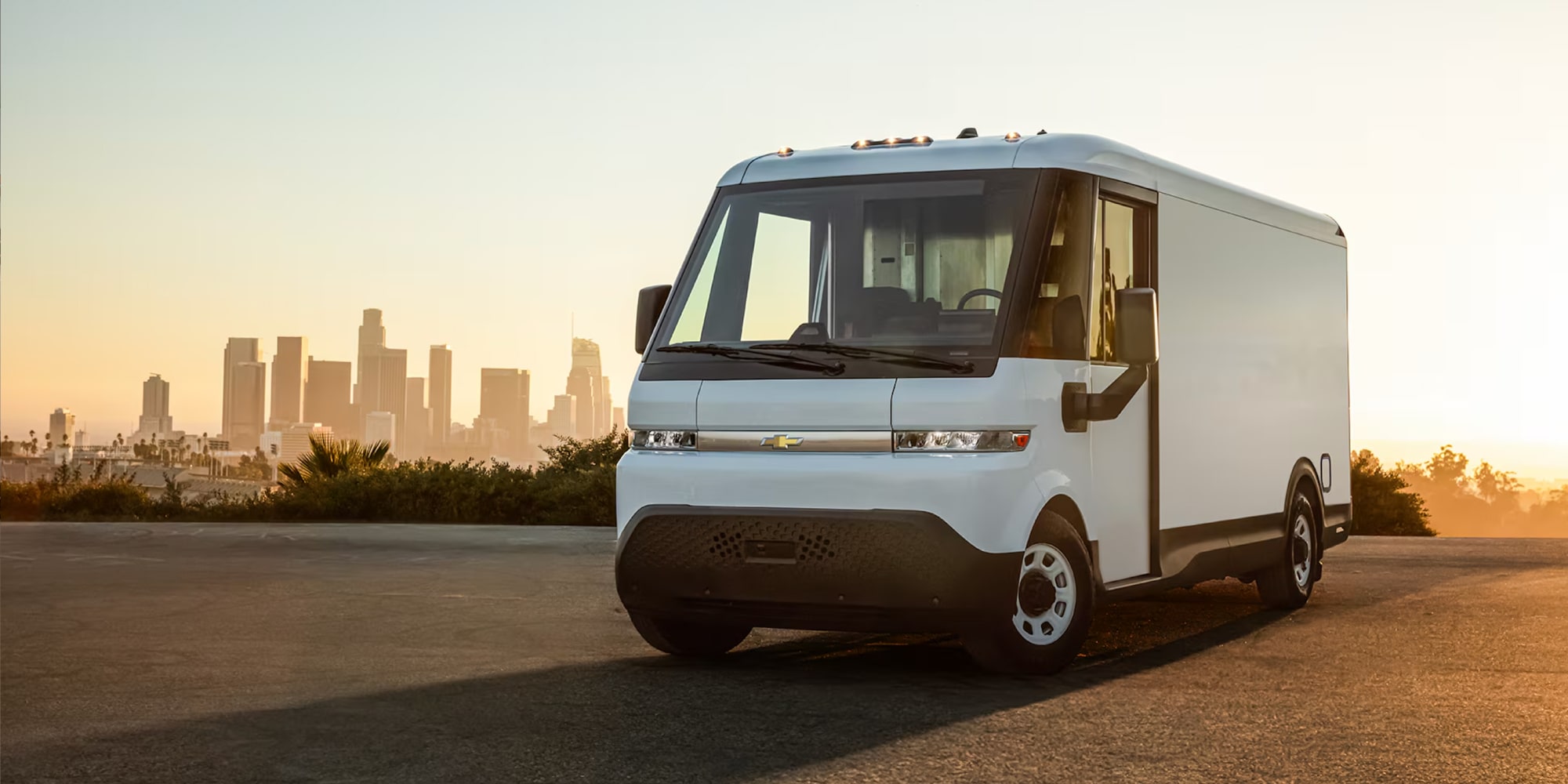
The wagon body style has long been the unsung hero of automotive practicality, quietly excelling where sedans falter and SUVs overpromise. In 2026, this unassuming silhouette is undergoing a renaissance, blending cargo-hauling prowess with the refined dynamics of modern performance cars. The fascination isn’t merely about space—it’s about redefining what a family hauler can be: a sleek, efficient workhorse that refuses to sacrifice style for substance. Whether you’re ferrying weekend adventure gear, transporting DIY projects, or simply maximizing every cubic inch of your daily drive, the best 2026 wagons are engineered to elevate the mundane into the extraordinary.
What makes these wagons stand out isn’t just their voluminous trunks or fold-flat rear seats—it’s their ability to marry cargo capacity with the poise of a grand tourer. The modern consumer, increasingly aware of both environmental impact and spatial efficiency, is gravitating toward vehicles that do more with less. Wagons answer this call by offering a lower center of gravity than SUVs, better aerodynamics than vans, and a footprint that’s easier to park than a full-size truck. The result? A driving experience that’s as engaging as it is utilitarian, proving that practicality doesn’t have to come at the expense of pleasure.
The Resurgence of the Wagon: Why 2026 Is Their Year
For decades, the wagon was the default choice for families and tradespeople alike, prized for its blend of space and drivability. Yet, as SUVs ballooned in popularity during the 2010s, wagons were relegated to a niche status, dismissed as outdated or unexciting. Fast-forward to 2026, and the tide is turning. Automakers are rediscovering the wagon’s inherent advantages, infusing them with cutting-edge technology, electrified powertrains, and design languages that feel futuristic rather than retro.
The shift isn’t just about nostalgia—it’s a response to tangible consumer demands. Urbanization has made parking a premium commodity, while rising fuel costs have consumers seeking vehicles that balance efficiency with capability. Wagons, with their streamlined profiles and often hybrid or electric options, tick all the right boxes. Moreover, the rise of remote work and hybrid lifestyles has blurred the lines between home office and road trip, making versatile vehicles more essential than ever. The 2026 wagon isn’t just a relic of the past; it’s a forward-thinking solution for the way we live now.
Top Contenders: Wagons That Redefine Cargo Utility
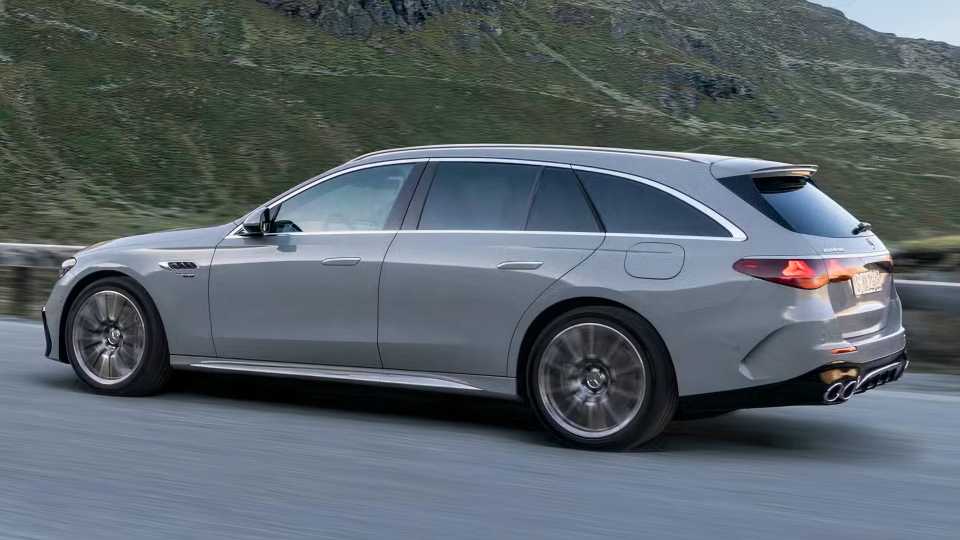
Among the 2026 models turning heads, a few stand out for their ability to transform cargo space into a competitive advantage. The Mercedes-AMG E53 Wagon is a case study in how to blend performance with practicality. Beneath its aggressive AMG styling lies a cabin that’s as spacious as it is luxurious, with a rear load floor that stretches nearly six feet when the seats are folded. The adaptive air suspension ensures a smooth ride even when the trunk is groaning under the weight of mountain bikes or a week’s worth of groceries. What’s remarkable isn’t just the volume—it’s the way the E53 makes hauling feel effortless, as if the car itself is eager to assist.
For those who prioritize electric efficiency without sacrificing utility, the Volkswagen Caddy emerges as a dark horse. Often overshadowed by its passenger-car siblings, the Caddy’s wagon-like proportions and van-derived underpinnings make it a cargo-carrying powerhouse. The 2026 iteration boasts a modular interior that can be configured with everything from fold-flat rear seats to removable storage bins, all while maintaining a compact footprint ideal for tight city streets. Its electric powertrain offers instant torque for quick acceleration, a boon when merging onto highways with a fully loaded cabin. The Caddy proves that wagons can be as adept at urban deliveries as they are at weekend getaways.
The Kia PV5 Cargo takes a different tack, embracing a futuristic aesthetic that hints at the brand’s electric-first future. With a panoramic glass roof and a cabin that feels more like a lounge than a work van, the PV5 is designed to appeal to a new generation of buyers who view cargo space as an extension of their living area. The sliding rear doors and flat load floor maximize accessibility, while the vehicle’s compact dimensions ensure it’s as easy to park as a compact sedan. Yet, inside, the PV5 offers a surprising amount of space, with clever storage solutions like under-floor compartments and modular shelving. It’s a wagon that doesn’t just carry cargo—it transforms the act of hauling into an experience.
Beyond the Trunk: Clever Cargo Solutions in Modern Wagons
The best 2026 wagons don’t just offer raw space—they reimagine how that space is used. One of the most innovative trends is the integration of modular cargo systems, where seats can be reconfigured in minutes or removed entirely to create a flat, uninterrupted load area. Some models, like the Kia PV5, take this further with adjustable load floors that can be raised or lowered to accommodate everything from skis to suitcases. Others, like the Mercedes-AMG E53, feature hidden compartments beneath the floor, perfect for securing valuables or tools without sacrificing passenger comfort.
Another game-changer is the rise of electrified wagons, which are redefining cargo utility through innovative packaging. Without the need for a traditional engine bay or transmission tunnel, electric wagons like the Volkswagen Caddy can offer longer wheelbases and more interior volume relative to their size. This translates to cabins that feel cavernous, with rear legroom that rivals some SUVs. Additionally, the low center of gravity afforded by battery placement improves handling, making these wagons as nimble as they are spacious. The result is a vehicle that can effortlessly switch between family hauler and performance machine, all while sipping electricity instead of guzzling gasoline.

Performance Meets Practicality: The Wagons That Do It All
It’s one thing to build a wagon with cavernous cargo space; it’s another to ensure it drives like a sports sedan. The 2026 models that excel in both departments are those that refuse to compromise. Take the Mercedes-AMG E53 Wagon, for instance. Under its hood lies a turbocharged inline-six engine paired with a mild-hybrid system, delivering 483 horsepower and a 0-60 mph time of just 4.2 seconds. Yet, despite this performance pedigree, the E53 can swallow an astonishing 59.6 cubic feet of cargo with the rear seats folded. The adaptive suspension smooths out potholes, while the rear-wheel-drive bias ensures a sporty feel that belies its utilitarian roots.
The Volkswagen Caddy offers a different kind of performance—one that’s measured in efficiency and versatility. Its electric motor churns out 201 horsepower and a range of up to 260 miles, making it ideal for urban commuters who also need to haul gear. The Caddy’s strength lies in its adaptability: the rear seats can be removed entirely, or the vehicle can be configured with a variety of storage solutions, from fold-down benches to removable cargo trays. It’s a wagon that’s as at home on a construction site as it is in a suburban driveway.
Even the Kia PV5 Cargo manages to blend performance with practicality, albeit in a more subdued way. Its electric powertrain prioritizes smooth acceleration and quiet operation, making it perfect for city driving. The PV5’s real trick, however, is its adjustable ride height, which can be raised for easier loading or lowered for improved aerodynamics. This feature alone sets it apart from competitors, offering a level of customization that’s rare in the wagon segment.
The Hidden Costs: What to Consider Before Buying
While the 2026 wagon renaissance is exciting, it’s not without its caveats. Buyers should be mindful of a few key factors before taking the plunge. First, cargo capacity claims can be misleading—some manufacturers measure volume with seats folded, while others include the trunk area. Always verify the usable space to ensure it meets your needs. Second, electric wagons may offer impressive range, but charging infrastructure remains a concern for long-distance haulers. Consider your daily driving habits and access to charging stations before committing to an EV.
Another consideration is aftermarket support. Wagons, particularly electric ones, are still a relatively niche segment, which can limit options for accessories like roof racks, cargo organizers, or performance upgrades. If you plan to customize your wagon, research the availability of parts and modifications beforehand. Finally, insurance costs can vary widely depending on the model. Performance-oriented wagons like the AMG E53 may command higher premiums, while more utilitarian options like the Caddy could be more affordable to insure.
Why the Wagon’s Time Has Come Again
The resurgence of the wagon in 2026 isn’t just a fleeting trend—it’s a reflection of deeper shifts in how we live, work, and move. In an era where space is at a premium and sustainability is non-negotiable, wagons offer a rare blend of efficiency, versatility, and driving pleasure. They’re the antidote to the bloated SUVs and cramped sedans that dominate the market, providing a middle ground that feels both modern and timeless.
What’s most fascinating about this revival is how it challenges our preconceptions. Wagons have long been pigeonholed as practical but dull, yet the 2026 models prove otherwise. They’re sleek, powerful, and brimming with innovation, from electric powertrains to modular interiors. They’re proof that utility doesn’t have to come at the expense of excitement. As cities grow denser and environmental concerns mount, the wagon’s low-slung silhouette and efficient packaging may just be the blueprint for the future of family haulers.
For those who’ve dismissed wagons as relics of the past, 2026 offers a compelling counterargument. These aren’t your grandfather’s station wagons. They’re the vehicles of tomorrow—capable, stylish, and ready to carry us into a new era of automotive practicality.