The modern family’s chariot isn’t just a vehicle—it’s a rolling sanctuary, a mobile living room, a fortress of snacks, and a theater for the backseat’s endless reruns of Frozen. When space, versatility, and sheer practicality collide, two titans emerge from the automotive fray: the wagon and the minivan. Both promise to ferry your brood from soccer practice to grocery runs with the grace of a swan and the efficiency of a Swiss train. But which one truly wears the crown for large families in 2026? Let’s embark on a journey through cargo hauling, comfort, and curb appeal—because this isn’t just about transport; it’s about transforming the mundane into the magnificent.
The Great Space Odyssey: Cubic Feet and Comfort Quests
Imagine, if you will, a family of six attempting to load a week’s worth of luggage, sports equipment, and a week’s worth of snacks into a vehicle that’s essentially a rolling shoebox. The wagon, with its sleek silhouette and sporty demeanor, offers a surprising amount of cargo space—often upwards of 30 cubic feet behind the rear seats, stretching to 70 or more when those seats fold. But here’s the catch: that space is a single, cavernous chamber, unpartitioned and unapologetic. One errant soccer cleat can send a tower of grocery bags toppling like a house of cards in a wind tunnel.
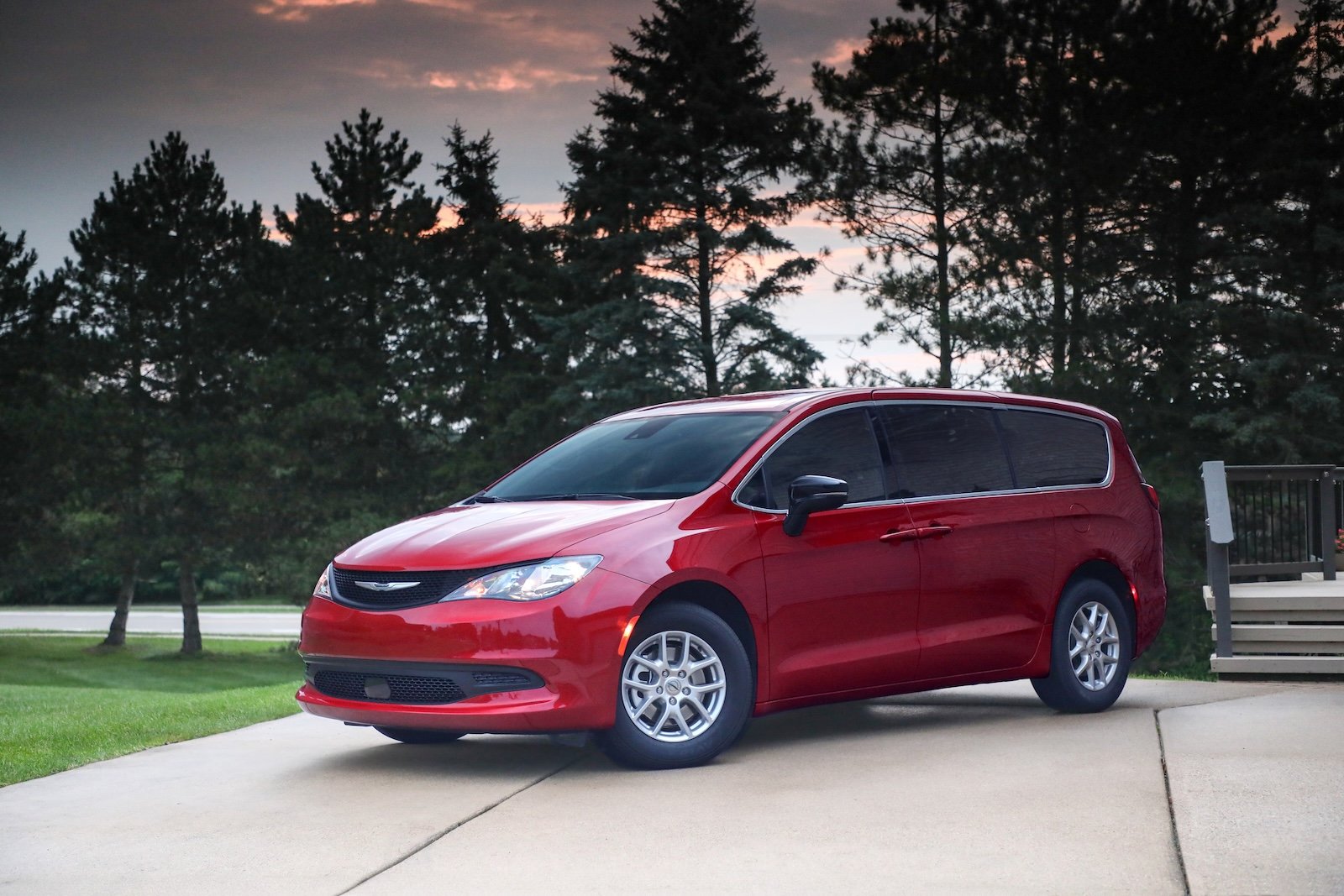
The minivan, on the other hand, is the architectural marvel of family transport. With sliding doors that open like wings of mercy, it beckons children and groceries alike with the promise of easy ingress. Interior volumes often exceed 150 cubic feet, with seating configurations that can morph from bench-style comfort to captain’s chairs at the flick of a lever. Need to separate the toddler from the teenager? A minivan’s flexible seating can create a buffer zone. Need to haul a week’s worth of camping gear? The minivan’s low floor and vast cargo hold swallow it whole, like a python digesting a goat.
Yet, the wagon’s allure lies in its ability to blend cargo capacity with a sportier aesthetic. It’s the chameleon of the automotive world—appearing as a family hauler one moment and a weekend adventurer the next. But for families who prioritize sheer volume and adaptability, the minivan’s cavernous interior is the undisputed champion.
Seating Arrangements: The Chess Game of Family Transport
Seating in a wagon is often a study in compromise. The rear seats may fold, but they rarely slide or pivot, leaving parents to perform contortionist feats to access the third row—or worse, to extract a sleeping child from the depths of the vehicle. The minivan, however, is designed with the chaos of family life in mind. Sliding doors eliminate the elbow-jousting matches that erupt when trying to buckle a car seat in a cramped space. The rear seats often slide fore and aft, allowing parents to adjust legroom for taller passengers or create extra cargo space without the gymnastics required in a wagon.
Consider the minivan’s ability to accommodate a car seat, a stroller, and a stack of diaper bags without reducing the adult passengers to the indignity of riding in the trunk. The wagon, while spacious, often forces families into a game of Tetris, where every inch of space is a precious commodity. The minivan, by contrast, turns the seating puzzle into a solvable equation, with solutions that don’t require a degree in spatial reasoning.
The Aesthetic Divide: Sleek Steed vs. Rolling Fortress
There’s a certain romance to the wagon. It’s the automotive equivalent of a well-tailored blazer—sophisticated, understated, and effortlessly cool. It whispers promises of weekend getaways and spontaneous road trips, where the journey is as important as the destination. The minivan, meanwhile, has long been saddled with the stigma of soccer mom chic, a rolling minaret of minivan-ness that some find hard to shake.
But here’s the twist: the 2026 minivan is shedding its frumpy reputation like a snake shedding its skin. Sleek, aerodynamic designs with flush headlights, sculpted body lines, and even optional all-wheel drive are redefining what a minivan can be. The wagon, while undeniably stylish, still carries the burden of its sporty heritage—a heritage that prioritizes form over function in ways that can leave families feeling like they’re driving a compromise.
For those who crave curb appeal without sacrificing practicality, the wagon is a compelling choice. But for families who want to arrive at their destination without feeling like they’ve compromised their style—or their sanity—the minivan is undergoing a renaissance that’s impossible to ignore.
Fuel Efficiency and the Long Haul: The Silent Contenders
In the battle of efficiency, the wagon often takes an early lead. With lighter bodies and more aerodynamic profiles, many wagons sip fuel like a fine wine, offering hybrid and plug-in hybrid options that make them ideal for families who prioritize sustainability. The minivan, burdened by its larger size and weight, has historically lagged behind in the fuel economy race. But 2026 is changing the narrative. Turbocharged engines, mild-hybrid systems, and even fully electric powertrains are narrowing the gap, with some minivans now offering ranges that rival their wagon counterparts.
For families who log serious miles—whether commuting, road-tripping, or ferrying kids to and from activities—the minivan’s efficiency improvements are a game-changer. No longer the gas-guzzling behemoth of yesteryear, the modern minivan is a lean, mean, family-hauling machine that won’t leave you weeping at the pump.
The Ultimate Test: The Road Trip Reality Check
Picture this: a 12-hour drive to visit grandparents, with three kids under the age of 10 and a trunk full of luggage. In a wagon, the third row is a distant mirage, accessible only by folding the rear seats and crawling over a mountain of suitcases. The minivan, however, greets you with sliding doors that open wide enough to swallow a small child without a second thought. The rear seats recline. The cabin is quieter. The snacks are within arm’s reach. And when the inevitable “Are we there yet?” chorus erupts, the minivan’s superior sound insulation means you might actually survive the trip without resorting to earplugs.
The wagon excels in short bursts of activity—ferrying kids to school, hauling a week’s worth of groceries, or serving as a sleek daily driver. But when the odometer starts ticking into the triple digits, the minivan’s advantages become undeniable. It’s the difference between a sprint and a marathon, between a vehicle that merely transports your family and one that pampers them.
The Final Verdict: A Matter of Priorities
Choosing between a wagon and a minivan in 2026 isn’t just about numbers on a spec sheet—it’s about lifestyle, priorities, and the kind of chaos your family thrives in. If you value style, agility, and the ability to blend seamlessly into both the school drop-off line and the weekend trailhead, the wagon is your steed. It’s the vehicle for families who want to look good while doing good.
But if you’re the kind of family that lives by the motto “Go big or go home,” the minivan is your chariot. It’s the rolling fortress that laughs in the face of grocery hauls, road trips, and the sheer unpredictability of life with kids. It’s the vehicle that turns the mundane into the magnificent, the chaotic into the controlled, and the impossible into the inevitable.
In the end, the choice isn’t just about cargo space or seating configurations—it’s about the kind of memories you want to make. Do you want a vehicle that’s as nimble as your family’s schedule? Or one that’s as unyielding as your family’s love? The wagon and the minivan both have their place in the automotive pantheon. But for large families in 2026, the minivan isn’t just a choice—it’s a revelation.