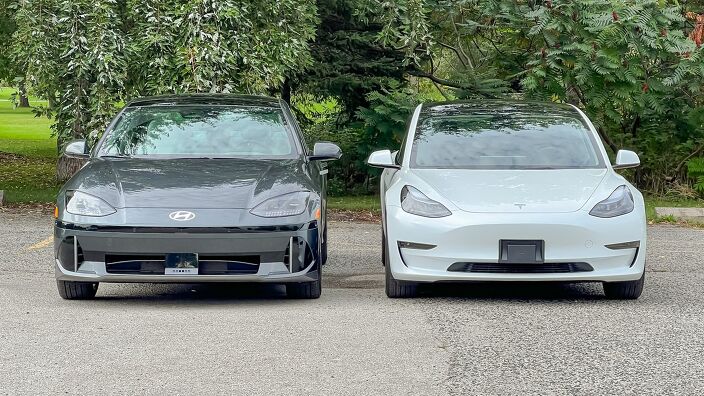
The year 2026 is when the “everyday electric sedan” stops being a compromise and starts becoming a lifestyle choice. Two names dominate the conversation: the 2026 Tesla Model 3 and the Hyundai Ioniq 6. Both promise efficiency, modern connectivity, and an experience that feels a step ahead of the gas-only era. Yet they approach that future with very different philosophies—one laser-focused on software velocity and minimalist simplicity, the other anchored in aerodynamic poise and a comfort-forward design ethic.
So which EV sedan truly wins? Not in a single, simplistic metric. The better question is: which one aligns with your driving rituals, your charging habits, and the way you like a car to behave when the road turns from routine into ritual?
Let’s compare them across the details that matter most—performance character, cabin experience, technology, efficiency, charging realities, ownership costs, and the intangible “feel” that can’t be graphed.
First Impressions: The Look and the Aura
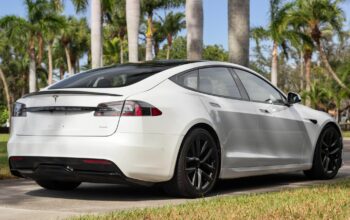
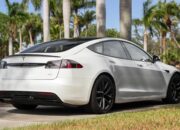
The 2026 Model 3 wears a familiar, streamlined silhouette, but the impression is still unmistakably Tesla: clean planes, confident proportions, and a stance that looks ready even when it’s parked. Its design language is minimal without being timid. The overall effect is purposeful, almost surgical.
The Ioniq 6, by contrast, is a study in aerodynamic grace. It doesn’t just look futuristic; it looks intentional. The shape is a whisper of air resistance, a low, flowing form that suggests the engineers obsessed over every last coefficient. On the road, that translates into a calm visual rhythm—less “stare at me,” more “slide through the atmosphere.”
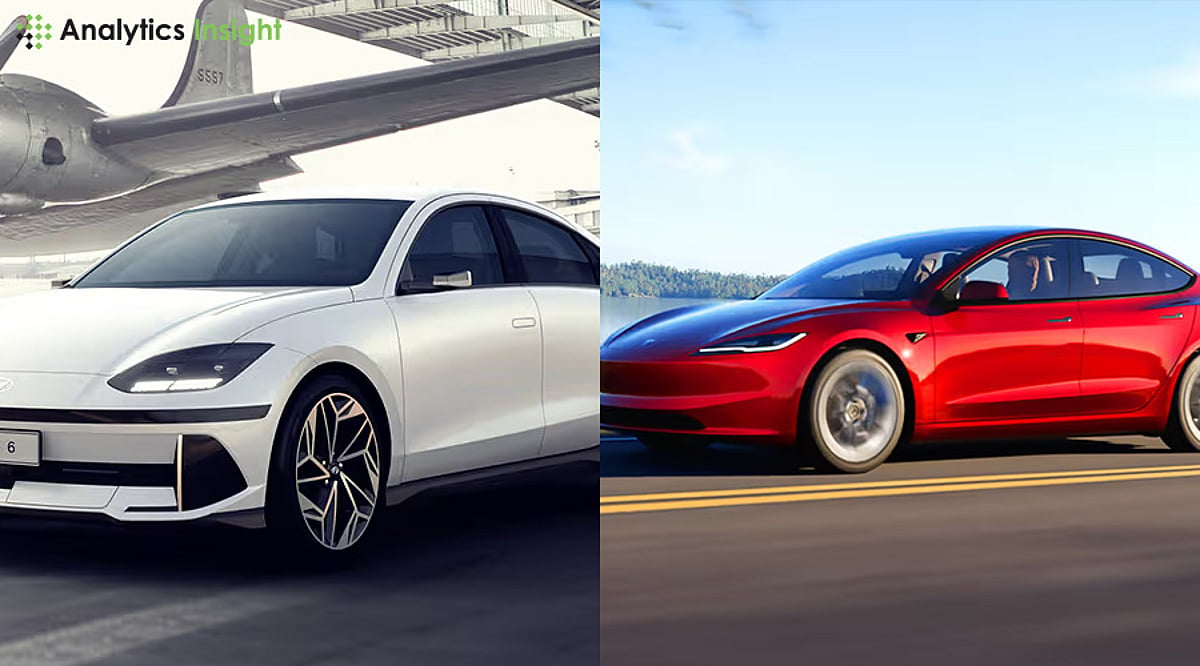
If your personal style preference leans toward sleek minimalism, the Model 3 tends to feel like the right key. If you crave a design that communicates aerodynamic inevitability, the Ioniq 6 delivers with elegance.
Driving Feel: Instant Torque vs Quiet Momentum
Both sedans deliver electric torque without delay, but their motion character differs. The Tesla’s throttle response is often described as “immediate,” and that immediacy can feel invigorating—almost like the car is listening in real time. The steering and chassis tuning emphasize control and composure. It’s easy to get confident quickly. Short bursts feel energetic, and highway driving remains stable.
The Ioniq 6, however, tends to emphasize smooth momentum. It aims for a kind of effortless glide, where the ride feels composed rather than reactive. The overall sensation is less “rocket launch” and more “quiet acceleration.” For many drivers, that translates into fewer fatigue triggers—less jolt, fewer sharp edges in how the car interprets your inputs.
In other words: the Model 3 often wins the argument of engagement, while the Ioniq 6 frequently wins the argument of serenity.
Efficiency and Real-World Range: The Battle of Aerodynamics and Software
EV range is not a single number; it’s a moving target determined by speed, temperature, road texture, and your own driving habits. Still, efficiency provides clues to how each car will treat your battery as a resource.
The Ioniq 6’s aerodynamic design is its most persuasive advantage. Its low-drag intent isn’t marketing fluff; it’s the reason the car can feel composed at steady speeds and tends to remain efficient when the drive becomes repetitive—commutes, long stretches, and highway cruising.
The Model 3 counters with a different approach: intelligent energy management powered by Tesla’s continuous software development. The driving experience can be tuned over time, and the car’s systems often respond dynamically to conditions. That can yield excellent efficiency, particularly when paired with the right driving mode and route planning.
If you’re the type who plans around real-world variability, the Ioniq 6 may feel like a “set-and-forget” efficiency machine. If you value software-driven adaptability, the Model 3 has a stronger case for flexibility.
Cabin Experience: Minimalism vs Human-Centered Comfort
Inside the Model 3, the atmosphere leans minimal and tech-forward. The interface philosophy is straightforward: fewer buttons, more screen-based control. The result can feel modern and decisive, though some drivers prefer tactile feedback over digital swiping.
In the Ioniq 6, the cabin experience is more traditional in its comfort priorities. Materials often aim to feel welcoming rather than purely futuristic. Noise suppression and ride comfort can play a larger role in daily satisfaction—especially for drivers who prioritize long-distance fatigue reduction.
Both cabins aim for usability, but the emotional tone differs. Tesla tends to feel like a cockpit for drivers who like to steer the experience directly. Hyundai tends to feel like a lounge that happens to accelerate with purpose.
Technology and Infotainment: Interfaces That Shape Behavior
Technology isn’t just convenience—it’s how a car communicates with you. The Model 3 is known for a tightly integrated ecosystem: navigation, connectivity, and vehicle controls often live under a single umbrella. Updates can arrive like software seasons, refining the experience rather than leaving it static.
The Ioniq 6 also brings modern infotainment and connectivity, but it often feels more “driver-assist by design,” focusing on clarity and ease of use without overwhelming the senses. Its menus and on-screen controls can feel straightforward, and the overall approach tends to reduce cognitive clutter.
For content readers, this is where you’ll notice a pattern. If you enjoy deep dives into interface evolution and hands-on feature walkthroughs, the Model 3 discussion is usually richer in that ecosystem. If you prefer practicality—how a system behaves during daily driving—the Ioniq 6 story often reads more smoothly.

Safety and Driver Assistance: Confidence Through Systems
Driver-assistance features matter most when you’re tired, distracted, or navigating traffic patterns you’d rather not think about. Both vehicles prioritize safety tech, though the “feel” differs in how the systems interact with your driving.
Tesla’s approach has often leaned toward automation that can be improved and iterated via software. That can be compelling to early adopters who like performance in an ever-evolving package. On the other hand, some drivers prefer a more conservative system personality that feels predictable and steady.
Hyundai’s driver-assist systems are typically designed to provide a calm, confidence-building presence. The experience often feels more measured, which some drivers find reduces stress over long periods.
In a real-world sense, the “winner” depends on your tolerance for system behavior. Do you like software-driven experimentation? The Model 3 may feel more exciting. Do you prioritize predictability and comfort under pressure? The Ioniq 6 often feels more reassuring.
Charging and Road Trips: Planning the Adventure
Charging is where aspiration meets arithmetic. A great EV isn’t only defined by what it can do at home; it’s defined by how it behaves when you’re on the move. Charging ecosystems, charger availability, cable convenience, and charging curves all influence whether a road trip feels effortless or mildly stressful.
In many markets, the Model 3 ecosystem benefits from broad access to fast charging networks, and integration can be a major advantage for route planning. The Ioniq 6 competes strongly as well, with fast-charging capability that supports road-trip practicality. The key difference is often less about raw charging speed and more about how smoothly the vehicle helps you coordinate stops—especially when you’re juggling time, battery levels, and detours.
If you’re a planner, both cars can work brilliantly. If you prefer spontaneity, the car that offers the most consistent fast-charge confidence in your region tends to win the day.
Ownership Costs and Longevity: The Quiet Metrics
People often talk about price per mile, but ownership costs include more than energy. Insurance profiles, maintenance intervals, tires, cabin wear, and how quickly a vehicle loses value all matter. Electric drivetrains generally reduce many conventional maintenance tasks, which shifts the ownership calculus toward software, tires, and battery-related considerations.
Tesla ownership often feels like an ongoing relationship with software and charging integration. Hyundai ownership often feels like a comfort-oriented, straightforward commitment with strong warranty coverage and a focus on long-term everyday usability.
Ultimately, longevity is influenced by driving style and care, not just brand. Yet the design philosophy can nudge the odds. If you maintain your vehicle like a tool—regular inspections, careful tire choices, mindful charging habits—either sedan can serve for years. If your lifestyle involves frequent software tinkering and feature chasing, Tesla may feel more rewarding.
So—Which EV Sedan Wins in 2026?
The “winner” is not singular. It’s conditional.
Choose the 2026 Tesla Model 3 if you value software evolution, sharp responsiveness, and a cockpit-style interface where technology feels integrated rather than appended. It’s often the better match for drivers who enjoy a more immediate driving connection and who like the idea of a car that improves over time.
Choose the Hyundai Ioniq 6 if your priority is aerodynamic efficiency, a calmer ride personality, and a cabin designed for comfort-first living. It’s a strong pick for commuters, road-trip lovers, and anyone who wants the EV experience to feel smoother and less reactive.
In practical terms, the Model 3 tends to win the engagement contest. The Ioniq 6 tends to win the serenity contest. And for many drivers, that’s the clearest way to decide.
Outro: Your Choice, Your Road
The 2026 Tesla Model 3 and the Hyundai Ioniq 6 both prove that electric sedans have matured beyond novelty. They offer compelling efficiency, modern connectivity, and an increasingly refined driving experience. Yet they cater to different temperaments.
Pick the one that matches your personality on the road—whether you want a sharper, faster-feeling conversation with your car or a quieter, aerodynamic glide that makes distance feel smaller. Either way, the future arrives behind the windshield. The question is simply how you want it to feel.