The 2026 Acura TLX arrives with a familiar proposition—refined performance with an unmistakably sharp persona—but the real question isn’t whether it looks sporty. It’s whether the drive is sporty, or if it’s merely dressed up that way. In other words: is the TLX a persuasive scalpel on a curving road, or a firmer-than-expected ride that can feel a little too taut for everyday life? Let’s walk through how the 2026 TLX’s character reveals itself, from the first turn of the wheel to the quiet moments when the road stops talking.
Expect this review to unpack the car from multiple angles: its design and road presence, cockpit ergonomics, driving dynamics and steering feel, suspension behavior over real surfaces, powertrain performance and responsiveness, technology usefulness, and trim-by-trim value logic. Along the way, we’ll separate what sounds good on paper from what feels good with your hands on the wheel and your shoulders relaxed—or not.
Design Refresh: Sporty Without Apology
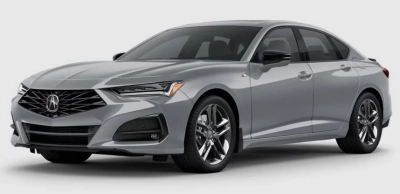
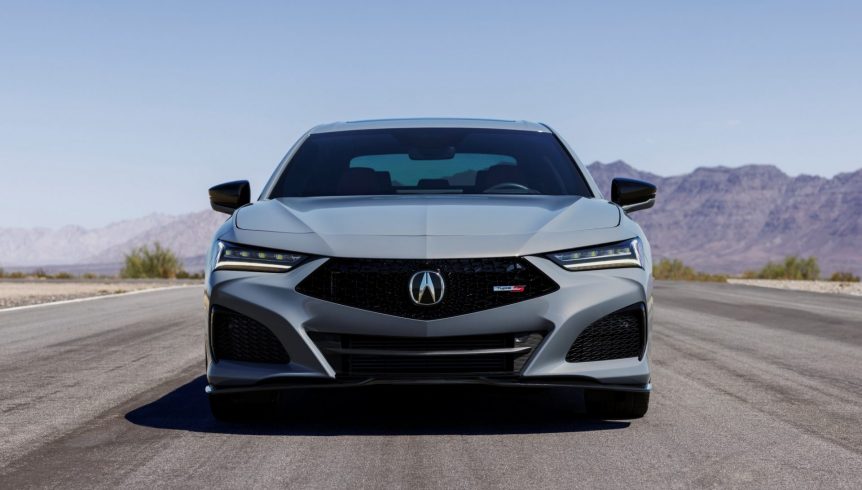
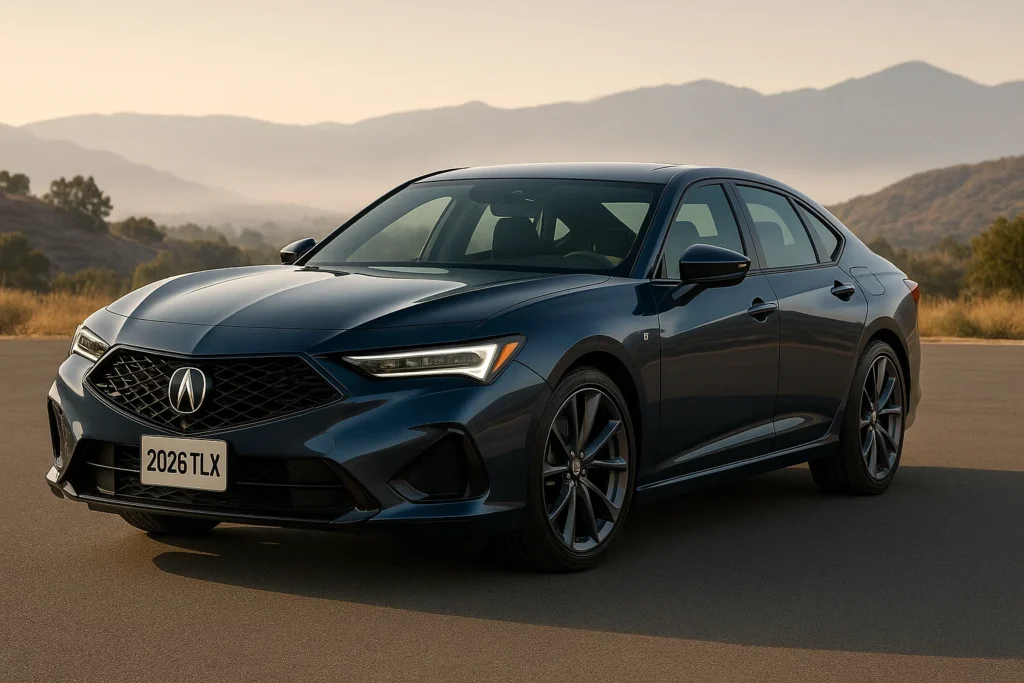
The 2026 Acura TLX wears its refreshed styling like it has places to be. The front end leans into a more aggressive stance, while the cabin continues Acura’s streak of restraint—sharp lines, purposeful surfaces, and a layout that avoids clutter. The result is a visual rhythm that feels purposeful rather than theatrical.
Photographs suggest a bolder exterior composition, and that impression generally carries into real-world presence. The car’s proportions read as planted, and the refreshed details do more than decorate. They help the TLX look awake at street speed. But the bigger issue for “sporty or stiff” is what this design ambition does to comfort and handling—because an aggressive aesthetic often invites a firmer calibration.
First Impressions in the Cabin: Luxury With Intent
Step inside and the TLX quickly shifts the conversation away from pure sport. The interior’s tone is premium—smooth materials, clean lines, and controls that feel logically placed. Some sedans chase visual flash; the TLX seems more interested in tactile confidence.
Ergonomics matter because stiff rides become more tolerable—or unbearable—based on how the driver’s body is supported. The 2026 TLX’s seating position aims for that “just right” balance: upright enough for visibility and leverage, forward enough for engagement. Even before the car moves, the cockpit suggests a driver-centric philosophy.
In day-to-day commutes, the cabin’s subdued ambience does a lot of emotional work. Road noise is managed, and the atmosphere remains composed. Yet, in spirited driving, the cabin still offers a sense of mechanical readiness: the TLX feels like it’s listening.
Chassis Behavior: Where Sportiness Can Turn Into Stiffness
Now comes the pivotal question. Sportiness is not the same as stiffness, even though they often arrive together. Sportiness implies responsiveness—tight control of body motion, quick yaw transitions, and predictable grip. Stiffness, meanwhile, is the harsher cousin: the sensation that impacts travel directly into the cabin.
The 2026 TLX’s suspension tuning tries to thread a needle. On smoother pavement, the ride can feel controlled, with restrained bounce and confident cornering composure. On broken asphalt, however, the suspension reveals its limits. You may notice a firmer edge when the wheels encounter sharper ridges or punctuated pothole seams.
Short sentence truth: the TLX can feel taut. Long sentence nuance: that tautness is often part of why the car corners with precision, but it can also amplify the texture of rough surfaces—especially with sport-oriented wheels and lower-profile tires.
Steering and Handling: The TLX’s Argument for Agility
Steering feel is where sporty intentions become undeniable. The 2026 TLX typically aims for a direct connection: minimal delay, an effort level that encourages quick corrections, and a sense that the front tires understand the mission. When you turn in, the car doesn’t hesitate—it follows.
In tighter corners, the TLX aims for balanced composure. Body roll is typically kept in check, and the chassis seems eager to rotate rather than resist. That “eager” quality is sportiness at its best: the car feels willing to play.
Still, a chassis that prioritizes rotational control can come with a tradeoff. If your routes include uneven lanes, you may experience more impact transmission than you expected from a luxury-minded sedan. Think of it as a personality choice: the TLX wants to be driven, not merely endured.
Powertrain and Throttle Response: Sharp When Called For
Performance in a sporty sedan isn’t only about peak numbers—it’s about response latency, midrange pull, and the way the car transitions between cruising and acceleration. The 2026 Acura TLX’s power delivery is designed to feel ready at any moment.
Throttle mapping tends to favor immediacy. When you press, the car reacts without theatrical lag. That matters because a responsive powertrain can make a firmer ride feel more purposeful; the driver feels rewarded quickly, and the mind stops focusing on every small bump.
At moderate speeds, the TLX aims for a calm demeanor—steady, confident, and not intrusive. But when the road offers bends, the engine behavior becomes more assertive, and the vehicle’s character brightens.
Ride Quality on Real Roads: Composure Versus Texture
This is where the TLX earns—or loses—its “stiff” label. Over smooth highways, the suspension’s composure can feel nearly studious, with minimal drama. Over patched pavement and uneven stretches, the ride can feel slightly busy, as if the car is transferring more of the road’s micro-imperfections into the seat.
Short version: rough roads expose the suspension’s firmness. Longer version: the TLX’s control is excellent, but the tradeoff is a clearer sense of surface texture, particularly during compressions and rebound after sharp transitions.
Drivers who prefer a plush, floaty ride may find the TLX’s behavior more engaging than comforting. Drivers who prioritize steering precision and confident cornering will likely interpret the firmness as part of the car’s integrity.
Technology and Usability: More Than a Glitzy Screen
The 2026 TLX’s tech is positioned as genuinely helpful rather than purely ornamental. Expect a suite that supports navigation, driver assistance features, connectivity, and a user interface designed to be navigable at a glance. The best tech systems reduce friction—less fiddling, more driving.
In practice, the question becomes whether the controls feel intuitive while moving. The TLX’s cabin design helps here. Controls and displays are arranged so that your attention can stay where it belongs: on the road.
For many readers, technology is also about peace of mind. Assisted driving features can help with lane-keeping, adaptive behavior, and situational awareness. They won’t replace driver attention, but they can reduce workload—particularly in stop-and-go traffic where comfort matters most.
Trim Logic and Value: Simplified Choices, Different Feel
A key part of buying any TLX is understanding how trim and configuration affect ride character. Wheels, tire profile, and selected packages can alter the car’s firmness and noise behavior. Some trims lean into sportiness with equipment that tightens the feel. Others keep a more balanced, comfortable posture.
Readers should expect this review to reflect on how different setups change the equation. A car that feels perfectly sporty on one route might feel stiff on another, depending on tire sidewall compliance and suspension calibration.
Who Should Buy It: The TLX’s Ideal Driver
The 2026 Acura TLX makes the most sense for drivers who want a sporty driving stance without sacrificing everyday refinement. If you enjoy spirited turns, appreciate confident steering, and prefer a car that feels composed rather than mushy, the TLX can be a satisfying companion.
However, if your routes are consistently rough or you strongly prefer plush comfort, the TLX may feel more taut than expected. The “stiffness” isn’t random—it’s tied to the car’s design priorities. You’re basically choosing between a sharper, more precise ride and a softer, more forgiving one.
Final Verdict: Sporty—or Just Firm?
The verdict on the 2026 Acura TLX is nuanced, not binary. It’s sporty in the way it responds—steering directness, chassis control, and an engine that feels eager when you ask for acceleration. Yet it can also be stiff in the way it relays road texture into the cabin, especially over imperfect pavement.
So, is it sporty or stiff? It’s both, but not equally in every situation. On good roads, the firmness reads as competence. On rough roads, it reads as firmness. The TLX doesn’t aim to be a marshmallow; it aims to be a driver’s sedan with an edge. If that tradeoff feels like your kind of honesty, the 2026 TLX will likely feel like a rewarding purchase. If comfort above all is your priority, it’s worth testing on your own routes before deciding.