What happens when a bubbly Chinese electric hatchback decides it wants to strut into the United States without wearing the “budget EV” label? The short answer: the 2026 MG4 could become a delightful plot twist. The long answer? That depends on a dozen tiny variables—battery chemistry, software temperament, charging choreography, and the marketplace mood of American shoppers. And somewhere in that mix sits a playful question: Can the MG4 charm its way past the tougher-than-it-looks hurdles of US adoption?
Let’s imagine the scenario: the 2026 MG4 arrives for US-bound buyers with the sort of softened, reshaped styling that turns heads in parking lots—and a fresh promise of refinement. But refinement is not the only challenge. The US market is a labyrinth of regulations, dealer realities, and consumer expectations. So while the hatchback may look ready for a cross-country road trip, it still has to prove itself in the specific language Americans speak: range confidence, fast-charge credibility, and long-term support.
Why the 2026 MG4 is built for a new kind of first impression
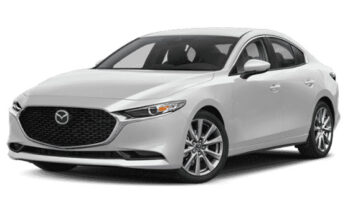
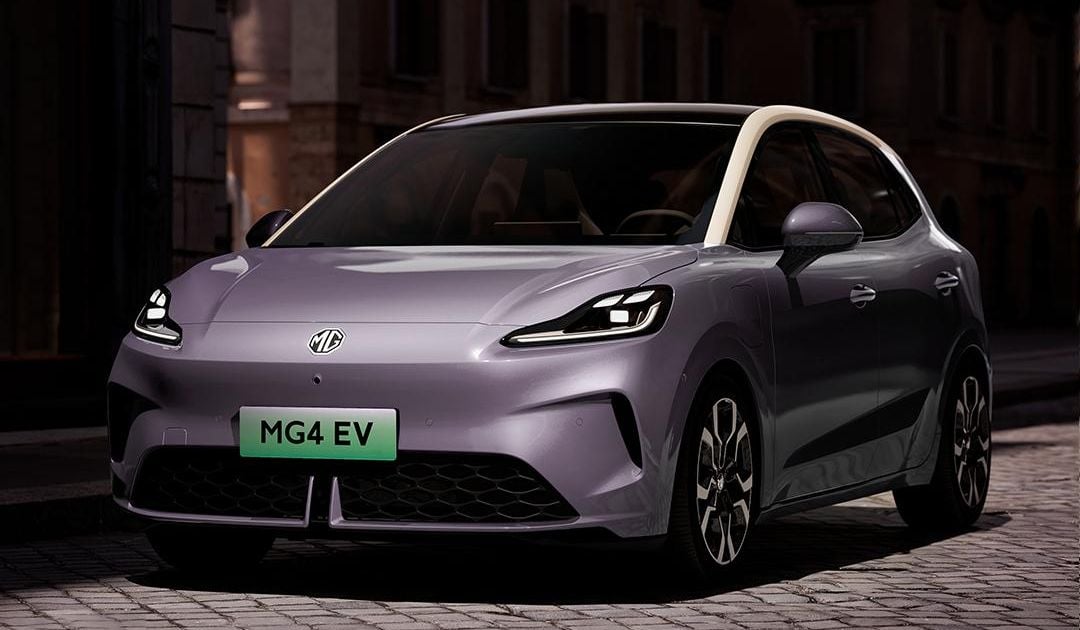
There’s a particular magic to compact electric cars: they’re small enough to feel nimble, yet modern enough to feel like the future has arrived early. The 2026 MG4 appears to lean into this personality with a softer, more inviting exterior stance. Think rounded composure rather than sharp, aggressive theatrics. It’s the kind of design decision that signals “approachable” to casual observers and “aerodynamic intent” to the more analytical drivers.
For US buyers, first impressions matter—especially when competing against a crowded field of EV hatches and subcompact crossovers. If the 2026 MG4 rolls in with a design that feels premium-but-not-fussy, it can attract shoppers who want daily drivability without the anxiety of standing out for the wrong reasons.
The “hatchback logic” Americans will either love—or interrogate
Hatchbacks have a loyal following, but the US tends to evaluate them like they’re auditioning for a role they might not win. The question becomes practical: can the MG4 deliver usable cargo space, comfortable seating, and a ride that doesn’t feel like punishment on broken roads?
In daily life, hatchbacks must be multitaskers. Groceries. Gym bags. A weekend errand that becomes a longer errand. The US is full of “small trips that swell.” The MG4’s job would be to remain calm during that inflation—keeping steering response predictable, cabin noise restrained, and visibility reassuring.
And then comes the challenge nobody can ignore: Americans expect driver-assistance features to work smoothly in the chaos of real traffic. It’s not enough to be “technologically impressive.” It must be operationally trustworthy.
EV performance: where the MG4 must demonstrate competence, not novelty
Electric powertrains are often described with simple phrases—quiet, quick, instant torque. But the real test is how the MG4 manages torque delivery across varying conditions. In the US, that means everything from stop-and-go commutes in humid summers to brisk highway pulls when rain and traffic gang up together.
For the 2026 MG4 to stand out, it would need a balanced setup: strong initial response without feeling twitchy, and sustained acceleration without the sensation of running out of breath too early. Most importantly, it must feel consistent. EVs that deliver “great, until they don’t” can frustrate drivers who are already skeptical of range claims.
There’s also the matter of traction and stability tuning. Compact EVs can be surprisingly engaging, but only if the chassis and stability systems harmonize instead of bickering mid-corner.
Range anxiety vs. range reality: the US will demand receipts
Let’s pose the difficult question: how does the 2026 MG4 handle the American “range accounting” style? US drivers often plan charging stops with a mixture of optimism and caution. They want to know whether the official range is achieved on real roads with real temperatures and real driving habits.
So the MG4’s potential challenge is not simply range—it’s predictability. Drivers want to trust the estimate on the dashboard. They want the energy consumption to behave logically. They want regenerative braking to feel intuitive. And they want fast charging to deliver results that match expectations under typical conditions.
If the US-bound MG4 can provide a stable energy model and a smooth charging curve, it could convert skeptics into believers. If not, those skeptics will stay put and compare the MG4 to whatever EV fits their current checklist.
Charging choreography: will it sing on American networks?
Fast-charging is where EV ownership either becomes frictionless or becomes a recurring saga. The 2026 MG4 would need to feel “network-ready”—supporting common charging standards, negotiating sessions cleanly, and not treating each charger like a surprise exam.
In the US, drivers don’t just want fast charging. They want reliable fast charging. That includes thermal management, charging session stability, and software that doesn’t stall or throttle unexpectedly. And yes, the occasional app confusion is part of modern life, but it shouldn’t become the main character.
The MG4’s charging experience would also benefit from clear guidance: preconditioning behavior, accurate plug-in timers, and route-aware charging recommendations. The smoother the process, the less the driver will think about the battery and the more they’ll simply drive.
Tech, infotainment, and the personality problem
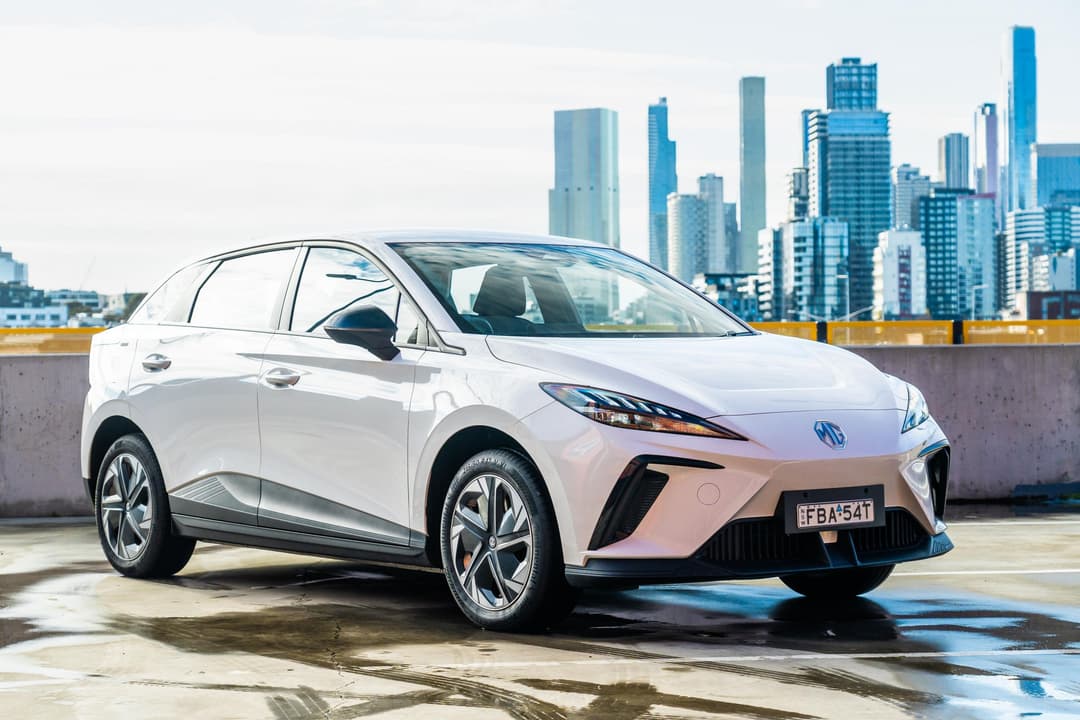
American buyers don’t just want connectivity—they want it to behave. The 2026 MG4, if it arrives US-bound, would likely aim for an updated cabin experience: a screen layout that’s readable at a glance, software that updates cleanly, and a user interface that doesn’t feel like it was designed for someone else’s habits.
There’s a subtle trap here. Some EVs are dazzling on day one but become bureaucratic on day ninety. Features must remain responsive, menus must be intuitive, and voice/driver profiles must consistently do what they claim.
And then there’s the human factor: driver customization. Seat settings. Steering preferences. Climate behavior. The little comfort details that make a car feel “yours” instead of “a gadget you tolerate.”
Safety and driver assistance: navigating the US confidence test
Driver-assistance systems are a tightrope walk. In the US, safety tech is treated as both a promise and a liability. So if the MG4’s assist suite is offered in the US, it must deliver dependable behavior—lane keeping that doesn’t wander, adaptive behavior that doesn’t act overly timid, and collision avoidance that doesn’t feel like a nervous strobe light.
A potential challenge is not whether the MG4 has the features. It’s whether they integrate smoothly with real-world driving patterns: merging unpredictability, lane line quality differences, and driver behavior diversity.
If the 2026 MG4 nails this, it could become a quietly confident commuter. If it stumbles, drivers may simply switch to a brand that feels more predictable.
Ownership in America: the unglamorous battleground
Here’s the part that rarely gets cinematic attention, but determines long-term satisfaction: service, parts availability, warranty terms, and real-world support. The US EV market is not just an automotive market—it’s a logistics market with a touchscreen.
For the 2026 MG4 to thrive, it would need a credible service network, transparent warranty coverage, and sensible parts lead times. Owners want their cars back quickly. They want communication that doesn’t sound like a maze. And they want to know that software issues can be resolved without months of uncertainty.
In other words, charm is great. But consistency wins.
So… is the 2026 MG4 ready to win hearts and keep them?
The 2026 MG4, if US-bound, could be an intriguing alternative for shoppers who want a compact electric hatch with modern styling and a smart daily-driver ethos. Yet the playful question from earlier still echoes: can it clear the hurdles of American expectations?
If the US version delivers credible range estimation, reliable charging, trustworthy driver assistance, and strong ownership support, it could turn into a surprisingly persuasive choice. But if any of those pillars wobble, the MG4 might become a great idea that drivers admire from a distance.
Final thoughts: the most exciting part is the possibility
The 2026 MG4 feels like a car designed to bring freshness to the EV conversation—softer in appearance, potentially smarter in execution. But the US market is not impressed by potential alone. It wants results that hold up under rain, traffic, and the kind of long-haul impatience that shows up at the worst possible time.
Still, that’s exactly why a US-bound 2026 MG4 could be such an exciting story. If it arrives with competence that matches its charm, it won’t just be another EV hatch—it could become the kind of everyday companion that makes people wonder why they waited so long.