Picture this: you’re standing in the parking lot with three shiny possibilities—hatchback, sedan, and SUV—each one whispering, “Choose me, and life will be easier.” Now comes the playful part. Which one will actually fit your lifestyle, your budget, and your daily chaos? Because here’s the twist: the “best” car isn’t always the one with the fanciest badge. Sometimes it’s the one that makes your worst commute feel like a sitcom scene instead of a survival trial.
Before you test drive anything, let’s pose a small challenge. Try to answer this: What do you carry most often—people, gear, or groceries? If you can’t answer instantly, no worries. That’s exactly why this 2026 hatchback buying guide exists. We’ll walk through the real-world differences, the buyer traps, and the decision framework that turns confusion into confidence.
Start With Your Day: The Lifestyle Lens That Actually Matters
Car shopping becomes far simpler when you stop thinking like a brochure and start thinking like your calendar. Are your days mostly highway miles, stop-and-go errands, or weekend adventures? The hatchback, sedan, and SUV categories each shine under different routines.
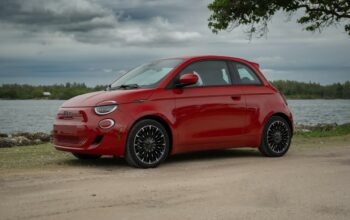
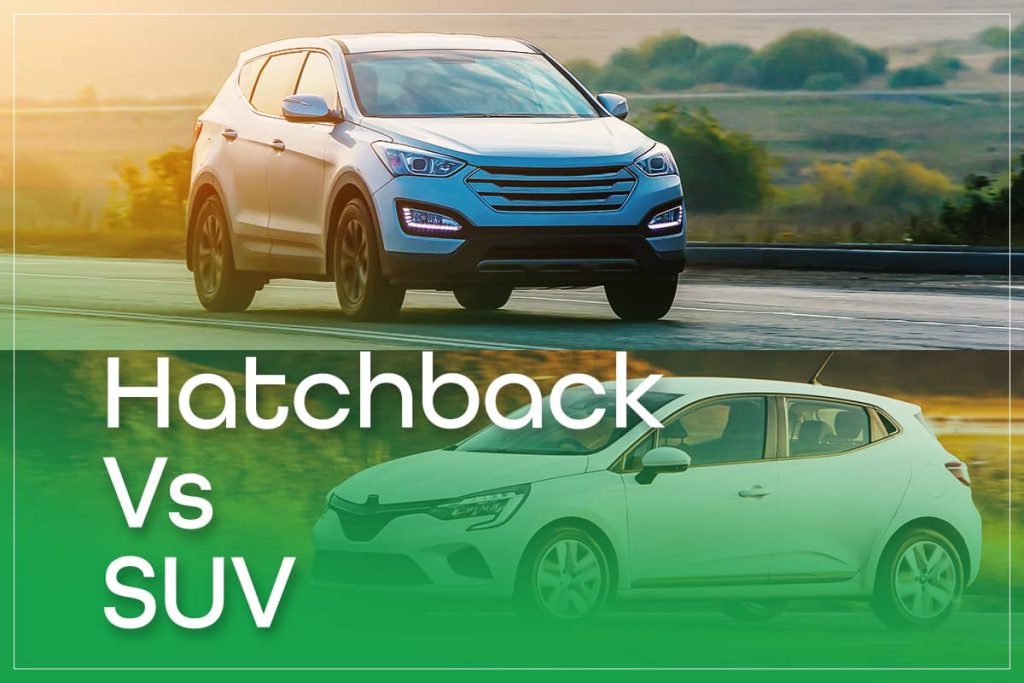
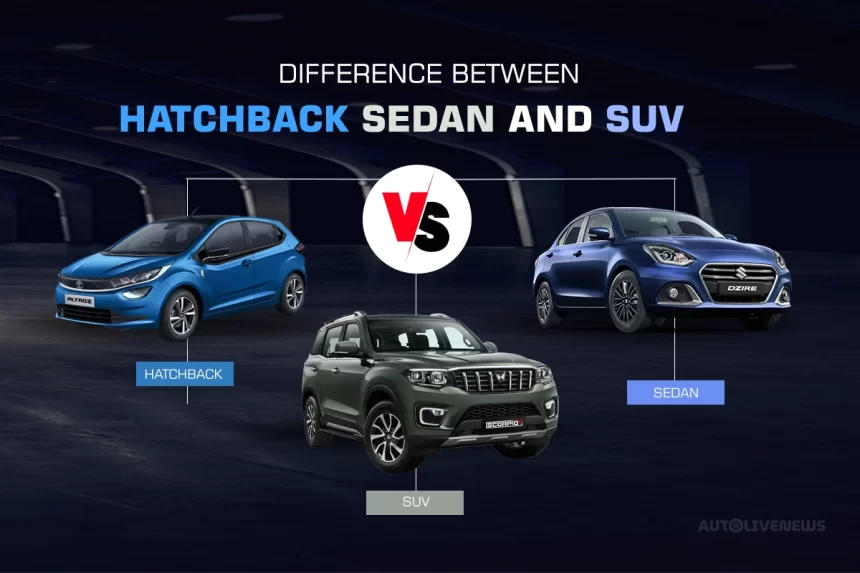
Hatchbacks often feel like the “Swiss Army knife.” Their rear openings make loading flexible—especially when your plans mutate at the last second. Think: quick supermarket runs, sports bags, camping odds and ends, or that one friend who always forgets to bring the charger.
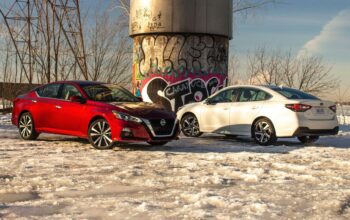
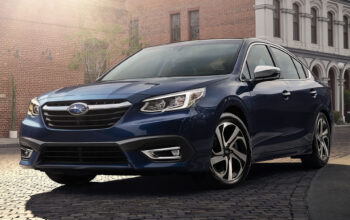
Sedans tend to favor smooth commuting. If your drive is long, steady, and mostly predictable, sedans can feel calm and composed. They frequently offer efficient packaging for passengers, with trunk space that’s usually well-defined for suitcases and daily cargo.
SUVs are built for variety—weather, terrain, and lifestyle unpredictability. If you frequently haul bulky items, deal with rough roads, or crave an elevated driving view, an SUV can be your comfort zone. It’s the “just in case” purchase… but in a good way.
Space and Practicality: Who Wins the “Stuff Test”?
Let’s be honest: cargo space is where dreams meet reality. So, run the “stuff test.” Imagine loading a week’s worth of groceries, a gym duffel, and two passengers with luggage. Which body style will feel easiest?
Hatchback cargo is often accessed via a wider opening. Many hatchbacks allow rear seats to fold flat in a way that turns your car into a compact hauling system. The hatch shape also helps with awkward items—like tall boxes, uneven shopping bags, or equipment that doesn’t want to cooperate.
Sedan trunks can be impressively usable, but the trunk opening and shape matter. A sedan’s cargo bay is typically more “contained,” which can be great for organization. Yet if you regularly carry tall or irregular items, you may feel the limits of a smaller opening.
SUV cargo sits on a high platform, which can be a blessing and a curse. Loading can feel easier because the bed isn’t as deep, but the overall dimensions can make maneuvering trickier in tight parking. Still, many SUVs offer flexible rear-seat arrangements and spacious interiors that keep life rolling.
Driving Feel: Comfort, Handling, and the “Grin Factor”
Driving feel is a subtle but powerful influence. It determines whether the commute feels like work or like a rolling break.
Hatchbacks are frequently nimble. Their shorter footprint and lighter weight can make city driving smoother and parking less intimidating. The result is often a lively steering response—especially when roads get twisty or crowded.
Sedans usually emphasize stability and refinement. You may notice a smoother ride over long distances. Their aerodynamics can also support a more effortless cruising experience, which is ideal if you clock highway hours frequently.
SUVs deliver a commanding perspective. The steering can feel more substantial, and the suspension is designed for varied surfaces. If you frequently encounter potholes, gravel, or weather-battered roads, the SUV’s posture can make daily driving less stressful.
Fuel Efficiency and Costs: The Budget Truth Serum
Let’s talk numbers without draining the fun out of it. Efficiency affects your monthly sanity—especially with today’s fuel variability.
In general, hatchbacks and sedans often do well on fuel economy due to lower mass and simpler drivetrains. However, the 2026 reality includes hybrid and turbo options across categories, so it’s worth comparing specific trims rather than assuming.
SUVs, particularly larger ones, may consume more fuel. But efficiency can still be strong with modern turbo setups and hybrid variants. The key is to align your choice with your mileage pattern: if you drive mostly urban distances, prioritize what reduces stop-and-go waste; if your driving is mainly highway, evaluate cruising efficiency and transmission tuning.
Also consider insurance, tires, and maintenance. An SUV’s larger tires can raise costs, while sedans and hatchbacks may be cheaper to keep on the road. The challenge here is simple: don’t let sticker price be the only deciding metric.
Visibility and Ergonomics: Where Safety Quietly Lives
Visibility is one of those features that feels “invisible” until it isn’t. Higher seating in many SUVs can improve sightlines, helping you spot traffic and pedestrians sooner. Hatchbacks often provide excellent forward and side visibility thanks to their compact dimensions. Sedans offer good all-around sightlines too, but their longer hood can sometimes affect how confidently you judge front distances.
Ergonomics matters just as much. Ask yourself: Can you reach controls without contorting? Do mirrors feel intuitive? Is the seating position comfortable after 45 minutes? Small comfort issues compound over time, like emotional interest.
Technology and Infotainment: Don’t Get Haunted by Glitches
Modern vehicles arrive with thick bundles of tech—screens, driver-assist systems, smartphone integration, and sometimes more settings than a home router.
When evaluating 2026 models, prioritize:
• Fast, reliable infotainment (no lag that makes navigation annoying).
• Wireless compatibility if you live in your phone.
• Driver-assistance transparency so the car’s behavior feels predictable.
• Clear instrument displays that don’t require squinting in daylight.
Take a few minutes during the test drive to set up your phone and explore the menu system. If it feels labyrinthine on a short drive, imagine living with it every day.

Weather, Road Conditions, and Real-Life Traction
Where you live can decide the winner before you even step into a showroom. Snowy regions, rainy climates, and uneven roads all change the equation.
SUVs often come with advantages like higher ground clearance and available all-wheel drive. That can help with traction and confidence during slick conditions.
Hatchbacks can still be excellent in challenging weather, especially if equipped with good tires and available traction systems. Their compact shape may help with maneuverability on slippery streets.
Sedans are sometimes less suited to rough terrain due to lower clearance, though many remain practical with the right tires and drivetrain options. Again: the “right choice” depends on your roads, not just your preferences.
Safety and Crash Protection: Look Beyond the Star Rating
Safety is more than a number. Consider crash avoidance features, pedestrian detection, lane-keeping behavior, and how clearly the vehicle communicates alerts.
Ask to see:
• Forward collision warning and automatic emergency braking
• Blind-spot monitoring
• Lane centering or lane-keeping
• Rear cross-traffic alert (especially helpful in crowded parking lots)
During test drives, pay attention to how driver-assistance feels. Does it correct gently or suddenly? Does it understand your intention? A safety system that’s predictable is a friend; a system that’s jumpy is a problem.
Making the Final Decision: A Simple Framework
Let’s turn everything into a practical checklist. Choose the category that best matches your top priorities:
Pick a hatchback if: you crave flexibility, frequent city parking, and easy cargo loading with minimal fuss.
Pick a sedan if: you value highway calm, refined commuting, and organized trunk storage for predictable travel.
Pick an SUV if: you need elevated visibility, versatile seating/cargo space, and confidence across variable weather or rougher roads.
Then add the final twist—your playful challenge comes full circle. If you can’t decide, don’t just “think” about it. Compare with your real routines: measure your usual parking space, list your typical cargo, and consider how often you’ll carry passengers plus gear.
Outro: The Right Choice Feels Effortless
In 2026, the hatchback, sedan, and SUV aren’t rivals so much as three different philosophies of motion. Hatchbacks prioritize adaptability. Sedans prioritize poise. SUVs prioritize versatility and presence. Your best purchase is the one that makes the everyday feel smoother—when traffic thickens, when weather changes, and when your plans refuse to stay the same.
So go ahead: ask the awkward questions in the showroom. Load the trunk (or hatch). Sit in the driver’s seat longer than you think you should. Take a route that mimics your real life. When the right car clicks, it won’t just look good—it will fit your day like it was designed for it.