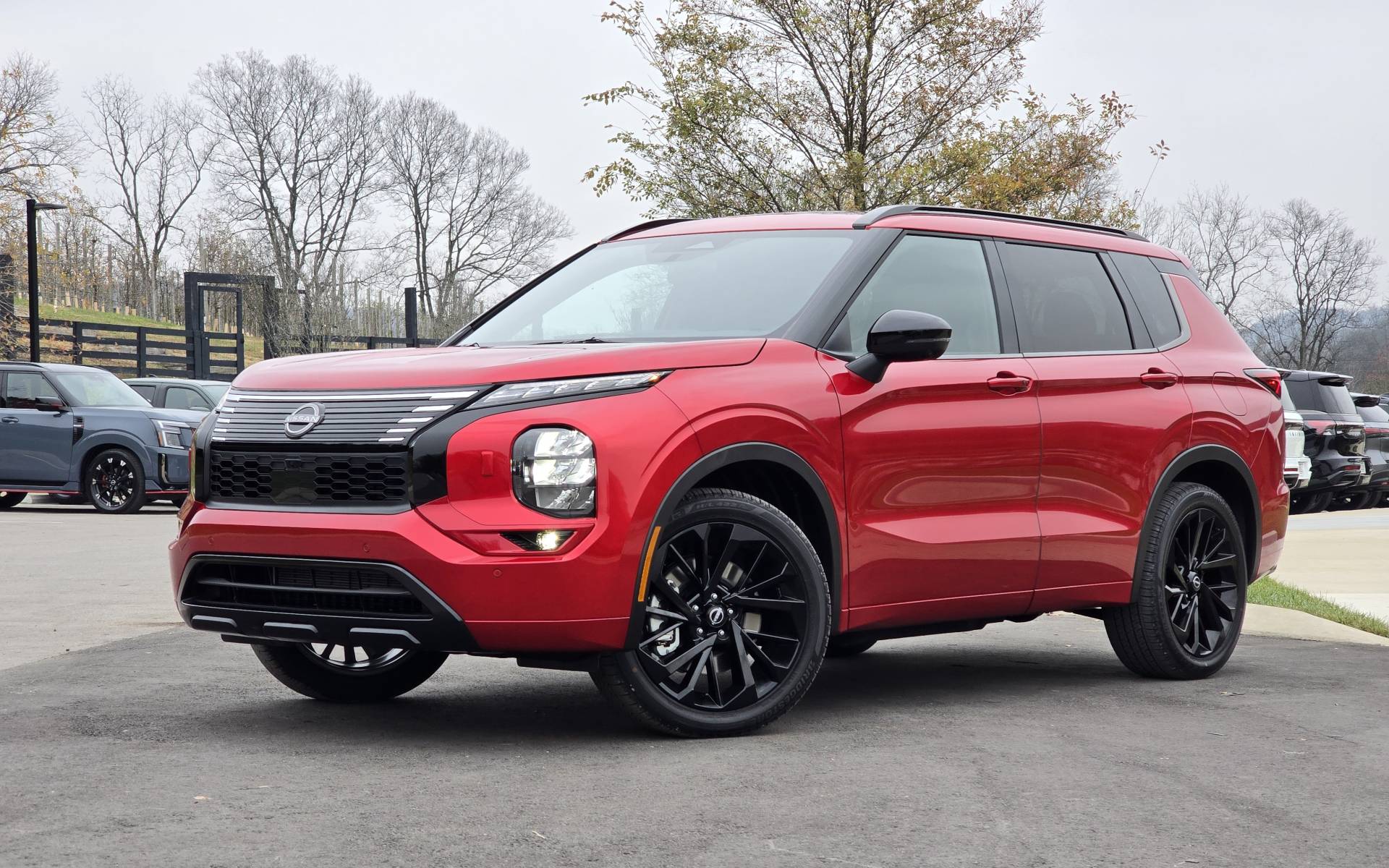
The phrase “series hybrid” has a way of sounding like engineering shorthand—efficient, correct, and slightly distant. Yet for many drivers, the real question isn’t what the powertrain calls itself. It’s how the car feels when the day is loud, the traffic is tedious, and the road starts to demand intention. The 2026 Nissan Rogue e‑Power (Series Hybrid) arrives with a quiet audacity: it promises to shift the way you think about propulsion, turning motion into something closer to a managed, almost conversational process. And if that sounds intriguing, it should. Because the US market rarely adopts new paradigms without a fight. The Rogue e‑Power stands at the intersection of skepticism and curiosity, offering a new rhythm—one that might make the familiar crossover routine feel freshly composed.
So, what does “US Market?” really mean here? It means timelines, regulations, charging habits, dealer readiness, and consumer expectations. It means whether the e‑Power philosophy can translate across oceans without losing its personality. And it means, most of all, whether American drivers will recognize themselves in a system designed to operate less like a traditional hybrid and more like an electrified system with a generative backbone.
What “e‑Power” fundamentally changes: perspective over horsepower
To understand the promise of the 2026 Rogue e‑Power, it helps to abandon the reflex of comparing it to conventional hybrids. Series hybrids operate with a different logic: the wheels are driven solely by an electric motor, while an engine acts as a generator rather than a direct source of mechanical power. This distinction can feel subtle on paper. It’s not subtle once you’re driving.
Instead of the car deciding, “I’ll send engine torque to the drivetrain when conditions allow,” the system can more consistently decide, “I’ll maintain a useful electrical state, then let the motor translate that stored energy into movement.” The result is a different cadence. Acceleration can feel more immediate, smoother, and less burdened by the compromise choreography typical of some hybrids.
In a US context—where drivers often equate acceleration response with confidence—this could be the central hook. Not raw numbers, but the sensation of predictability. The Rogue e‑Power is designed to make the car feel like it’s thinking in the language of electricity: controlled, responsive, and purpose-built for everyday scenarios.
How a series hybrid becomes a daily companion
Daily driving is where design intentions either become magic or become friction. E‑Power’s promise is that you can live with electrification without requiring the routine of charging at home every day. That doesn’t mean it replaces all charging considerations. Rather, it reframes them. You don’t plan your lifestyle around a charging cord; you plan your lifestyle around the road.
Consider the stop-and-go choreography of city driving. Traditional hybrids may blend engine and motor in ways that can feel like micro-transitions. Series systems can minimize those transitions by relying primarily on the electric motor for wheel torque. The experience may shift toward a calmer, less “switchy” feel—an important psychological benefit for drivers who are tired of drivetrain drama.
Then there’s highway behavior. On longer stretches, the engine’s job becomes the generative one: producing electricity to sustain the system’s operating requirements. Depending on how the calibration is tuned, the vehicle can deliver consistent pull without the driver constantly sensing the engine’s presence. It’s not silence, exactly. It’s more like the engine becomes a background process—an unsung technician working behind the curtain.

Fuel economy expectations—and why the “how” matters as much as the “what”
Fuel economy is the currency of practicality. Yet the way fuel is used can be equally important to the story. A series hybrid can be tuned so the engine spends more time operating in efficient regions rather than idling, hunting, or intermittently matching transient demands. That can translate into more coherent efficiency—less wasteful oscillation, more intentional energy management.
Still, expectations should be held with a steady hand. Efficiency depends on driving patterns, temperature, tire selection, payload, and even how aggressively you ask for acceleration. The e‑Power experience is often described through feel, but the numbers will ultimately decide whether drivers embrace it long-term.
The US market is particularly sensitive to predictability. If the Rogue e‑Power demonstrates credible real-world efficiency—especially in suburban commutes and mixed urban routes—it can convert curiosity into loyalty. If it underdelivers under common US conditions, it may become a fascinating experiment rather than a mainstream option.
Charging and range: the psychological comfort of not plugging in
One of the most intriguing aspects of e‑Power for Americans is that the car’s core behavior doesn’t depend on routine charging. For many drivers, this is the biggest barrier to full electrification: not technology, but habit. The Rogue e‑Power aims to keep the habit and change the outcome.
With a series hybrid, the “range anxiety” narrative transforms. Instead of worrying about battery depletion from external charging availability, drivers can focus on maintaining fuel supply. The battery becomes a buffer—an energy organizer—rather than a resource you must replenish via plugs.
That shift can matter for families, commuters, and travelers. It changes trip planning from “where’s the charger?” to “how far can I go between fueling stops?” The emotional tone becomes calmer. Not carefree—no car truly is—but more manageable.
US adoption hurdles: compliance, infrastructure, and dealer confidence
Even when the engineering is compelling, the US market has its own gravity. Regulations must align. Emissions certification, battery safety requirements, and warranty structures need to be airtight. Consumer protections and service procedures must be understandable, not merely correct.
Then comes infrastructure, which isn’t just about chargers. It’s about technician training, parts availability, and diagnostic tooling. A series hybrid is still “hybrid,” but the way energy flows can differ from what many service teams see day-to-day. If dealers can explain the system in plain language and service it with confidence, adoption accelerates. If not, hesitation spreads.
In many ways, the real question isn’t whether the Rogue e‑Power can be built—it likely can. The question is whether the ecosystem around it is ready to support the driver experience. That includes software updates, battery management processes, and consistent maintenance intervals.
The design promise: familiar crossover comfort, electrified intent
The Rogue has always been about approachability—an SUV/crossover that doesn’t demand the driver become an enthusiast to enjoy it. The e‑Power concept continues that philosophy. The shift is under the skin, and that matters. Many drivers want efficiency without losing the sense of normalcy.
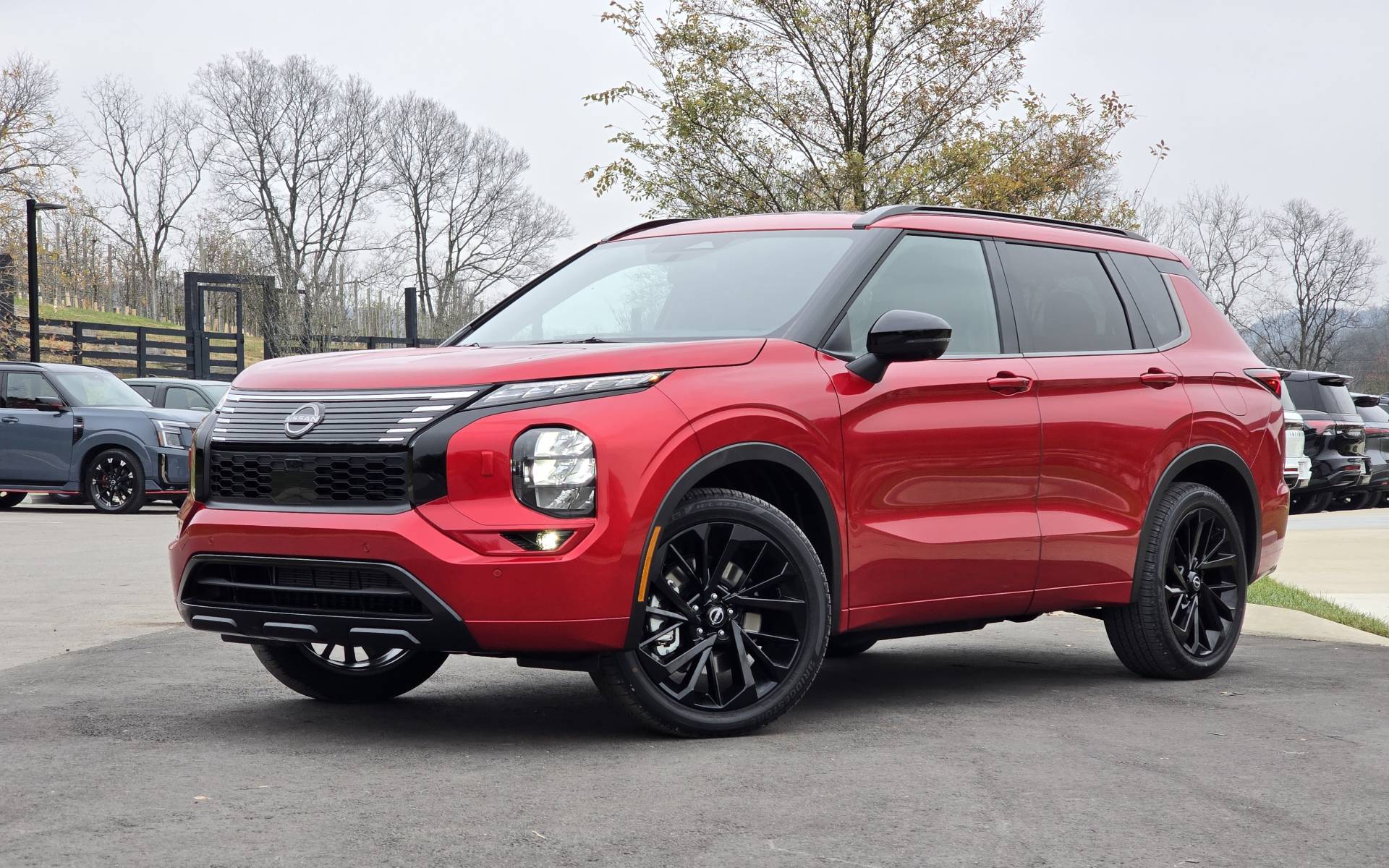
From the outside, the Rogue’s style communicates motion and usability. Inside, the cabin must feel like a place where technology quietly works for you. The best hybrid systems don’t announce themselves with theatrics. They deliver a sense of smooth competence: fewer jerks, fewer surprises, and a more coherent response to pedal inputs.
When the user interface and drive modes are designed well, the driver can treat the e‑Power system like an extension of intent. You ask for acceleration; the vehicle interprets it and supplies torque through the electric motor. The engine’s role becomes less about “what you can hear” and more about “what you can trust.”
Why the shift in perspective might be the real selling point
The most persuasive marketing rarely lies in numbers alone. It lies in changing the way people interpret what they’re experiencing. The Rogue e‑Power invites a new mental model: electricity as the primary translator of motion, fuel as the backup supply of energy through generation.
That reframing can be powerful. Drivers who are tired of guessing—about whether the engine is going to kick in, whether the hybrid will feel awkward under load, whether efficiency will vanish at highway speeds—may find the e‑Power approach refreshingly different.
If the US version arrives, it won’t just be a new trim line. It could be a signal that Nissan is willing to offer an electrified solution that respects American routines: commutes, errands, family schedules, road trips, and the unpredictability of real life.
So, will it truly be “US Market” ready?
“US Market?” is a question with layers. It’s about timing. It’s about whether the 2026 Rogue e‑Power can meet expectations for cost, warranty, service support, and demonstrated efficiency. It’s about whether drivers will perceive the benefits quickly enough to overcome skepticism.
But the underlying promise is strong: a series hybrid that shifts perception from fuel-driven mechanics to electrically orchestrated movement. That’s not a minor tweak. It’s a different way of relating to the car.
If Nissan can deliver a version that feels intuitive, performs consistently, and is supported by a confident service network, the Rogue e‑Power could become one of those rare vehicles that converts curiosity into habit. And once habit forms, perspective can change permanently.
Closing thought: the crossover that asks you to rethink propulsion
The 2026 Nissan Rogue e‑Power (Series Hybrid) isn’t simply an option for drivers who want efficiency. It’s an invitation to reconsider what “hybrid” should feel like. In a market that often demands proof before belief, the e‑Power story begins with sensation—smoother torque delivery, a more organized energy flow, and the comfort of not needing to plug in daily.
Whether it becomes a mainstream US presence will depend on execution beyond the powertrain: certification, pricing, dealer readiness, and real-world results. Yet the core idea is compelling enough to pique the imagination. It offers a kind of motion that feels less like compromise and more like choreography—engineered so the drive itself becomes the argument.