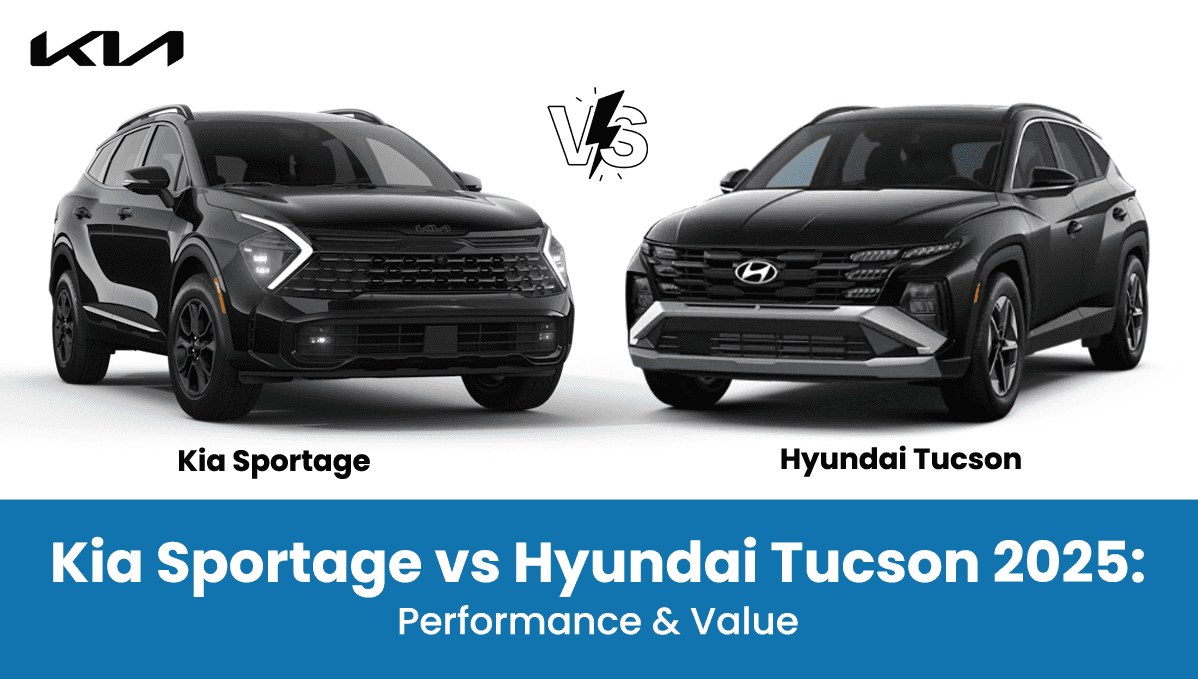
The year 2025 is giving compact SUVs a new kind of personality—one that carries electricity in its pockets while still showing up for the long drive. Among the headline contenders are the 2025 Hyundai Tucson PHEV and the 2025 Kia Sportage PHEV. At first glance, they can feel like twins wearing different jackets. But the deeper you look, the more it becomes clear that they are sharing more than a showroom spotlight—they’re drawing from the same platform DNA. And when two vehicles share foundations, the differences matter even more, because they reveal design philosophies rather than mere engineering shortcuts.
Think of this comparison like two musicians using the same stage and microphone. The notes might start in the same key, but the performances diverge—one leans into lyricism, the other into rhythm. In this article, the story unfolds across powertrain behavior, driving feel, tech character, packaging logic, and the small details that turn “similar” into “singular.”
Shared Platform, Different Soul: How “Same Base” Changes the Outcome
When two PHEVs share a platform, the conversation shifts away from basic feasibility and toward nuance. Platform commonality often influences the architecture of the engine bay layout, mounting points, weight distribution patterns, and even certain suspension geometry tendencies. That doesn’t erase personality—it frames it.
Picture the platform as the skeleton of a dancer’s body. It provides structure, balance, and movement efficiency. Yet the costume—controls, tuning, interface design, and interior atmosphere—decides whether the performance feels graceful, aggressive, calm, or electrified.
In the Tucson and Sportage, this shared foundation tends to translate into comparable efficiency potential and similarly staged ride dynamics. But each manufacturer “colors” the experience with distinct calibration strategies and feature priorities. The result is that drivers may recognize familiar cues—then realize they’re still in a different vehicle.
Plug-In Personality: PHEV Power Delivery and Everyday Usability
PHEVs live or die by how they behave in daily life. The “best” powertrain is the one that feels intuitive at stoplights, effortless during merges, and confident on longer suburban stretches.
Both models offer the dual-stage temperament typical of PHEVs: electric propulsion for urban errands and engine assistance when the road demands more torque or sustained speed. The experience is less about raw numbers and more about the transitions. A smooth blend from electric to hybrid operation can make the vehicle feel like it’s reading your intentions rather than reacting to them.
Hyundai’s approach often feels calibrated for composure—smoothness with a touch of immediacy. Kia’s tends to emphasize kinetic readiness—responses that feel purposeful, as if the accelerator pedal is a prompt rather than a request. These are subtle sensations, but once you notice them, they stick.
Ride and Handling: The Suspension Story Behind the Steering Feel
Shared platform architecture can produce shared constraints, but suspension tuning is where the personality leaks through. The way each SUV absorbs road texture—expansion joints, pothole seams, worn asphalt—shapes how confident the driver feels.
In both vehicles, you’re likely to find a compact-SUV balance between comfort and control. Yet the “texture language” differs. One may filter imperfections more decisively, turning harshness into muted rhythm. The other may preserve a bit more road information, giving the driver a sense of connectedness.
Steering weight and assist response also play a role. Even when the underlying chassis is similar, manufacturers can tune steering calibration so that lane changes feel either more relaxed or more assertive. Over time, those calibration decisions influence driving habits. A car that feels calm may encourage slower, smoother inputs. A car that feels responsive can nudge you toward brisker maneuvers—still safe, but with a more animated tempo.
Cabin Atmosphere: Design That Feels Intentionally Different
If the platform is the skeleton, the interior is the narrative voice. The cabin is where brand identity becomes tactile: button layout logic, display styling, ambient lighting choices, seating comfort geometry, and storage practicality.
Hyundai often leans toward a refined, modern calm—materials and visual structure that aim to reduce mental noise. Kia frequently brings a more driver-forward vibe—an emphasis on functional clarity and a sense of device-like precision.
In a PHEV comparison, interior design matters because charging and daily commuting create routines. A well-organized cabin makes those routines smoother: charging navigation becomes less of a chore, climate controls feel easier to manage, and storage for cables, groceries, or work essentials doesn’t turn into clutter.
Look for differences in how each model manages usability under pressure: quick access to key functions, legibility of the driver’s screen, and how easily audio and navigation can be adjusted without pulling attention away from the road.
Tech and Connectivity: Interfaces as the New Dashboard Geography
In 2025, vehicle technology isn’t only about infotainment menus. It’s about whether the interface feels like an ally or an obstacle course.
Because these are PHEVs, tech should support electrified life: charging timers, route planning that considers energy strategy, and clear messaging about how the vehicle is distributing power. The best systems don’t merely display options; they guide decisions.
Hyundai’s interface tends to prioritize clarity and a streamlined flow between functions. Kia’s infotainment often aims for speed and responsiveness—reducing the friction between wanting something and actually doing it. Either way, the goal is the same: make the vehicle’s electrified capabilities feel transparent rather than mysterious.

Efficiency and Range Logic: The Real-World Chapter
PHEV buyers typically want two outcomes: the daily loop should feel easy on electricity, and longer trips should feel secure with hybrid support. On paper, range estimates and consumption numbers look tidy. In practice, variables like temperature, driving style, tire pressures, and traffic density rewrite the story.
Shared platform characteristics can influence energy efficiency tendencies, but calibration again becomes the deciding factor. One SUV may be more conservative with engine involvement, aiming to maximize electric time. The other may feel more willing to engage the engine early for smoother acceleration and consistent thermal management.
This is where the “same platform” detail becomes crucial. Differences in how quickly the vehicle reacts to throttle input or how it manages battery temperature can create meaningful real-world variance, especially in mixed driving.
Value and Ownership Appeal: More Than a Spec Sheet
Value in the PHEV world is rarely just about purchase price. It’s about how much the vehicle simplifies daily life: charging convenience, warranty confidence, service network accessibility, and the ability to retain resale relevance as electrification becomes mainstream.
When two vehicles come from a similar platform, shoppers often feel like they’re choosing between “almost the same” options. The more powerful viewpoint is this: you’re selecting which brand’s priorities align with your own. If you want a serene, user-friendly experience with an emphasis on comfort and calm, one may resonate more. If you prefer a more animated, driver-affirming feel with a crisp sense of control, the other may fit better.
Additionally, consider how each vehicle’s packaging supports your life. Cargo practicality, rear-seat comfort geometry, and storage compartments become surprisingly influential when you’re hauling groceries after a charge session or transporting equipment for a weekend outing.
Which One Fits You? A Metaphor for the Final Decision
Choosing between the 2025 Tucson PHEV and the 2025 Sportage PHEV is like selecting between two rivers that share the same watershed. They flow through similar terrain, fed by comparable sources. Yet their currents differ—one might feel smoother for long cruises, while the other may feel more invigorating with frequent changes in direction.
If your driving day is mostly urban—short trips, errands, school runs—your focus should lean toward electric usability, intuitive charging support, and cabin comfort that makes repeated commutes feel effortless. If your day includes frequent highway segments or spirited merges, prioritize how each vehicle transitions between electric and hybrid operation and how responsive the driving feel becomes at speed.
Conclusion: Same Platform, Distinct Experiences Worth Testing
The 2025 Hyundai Tucson PHEV and Kia Sportage PHEV demonstrate how shared platform engineering can produce comparable capability while still allowing brand individuality to shine. They may start from similar foundations, but they don’t finish the journey in the same way.
Ultimately, the “same platform” story isn’t a reduction—it’s a lens. It lets you see calibration choices, interface philosophy, interior temperament, and driving character with greater clarity. Take both for a real-world test drive: pay attention to the transitions, listen to how the cabin communicates, and notice how the steering and pedal response change your confidence. In that moment, the comparison stops being theoretical and becomes personal.