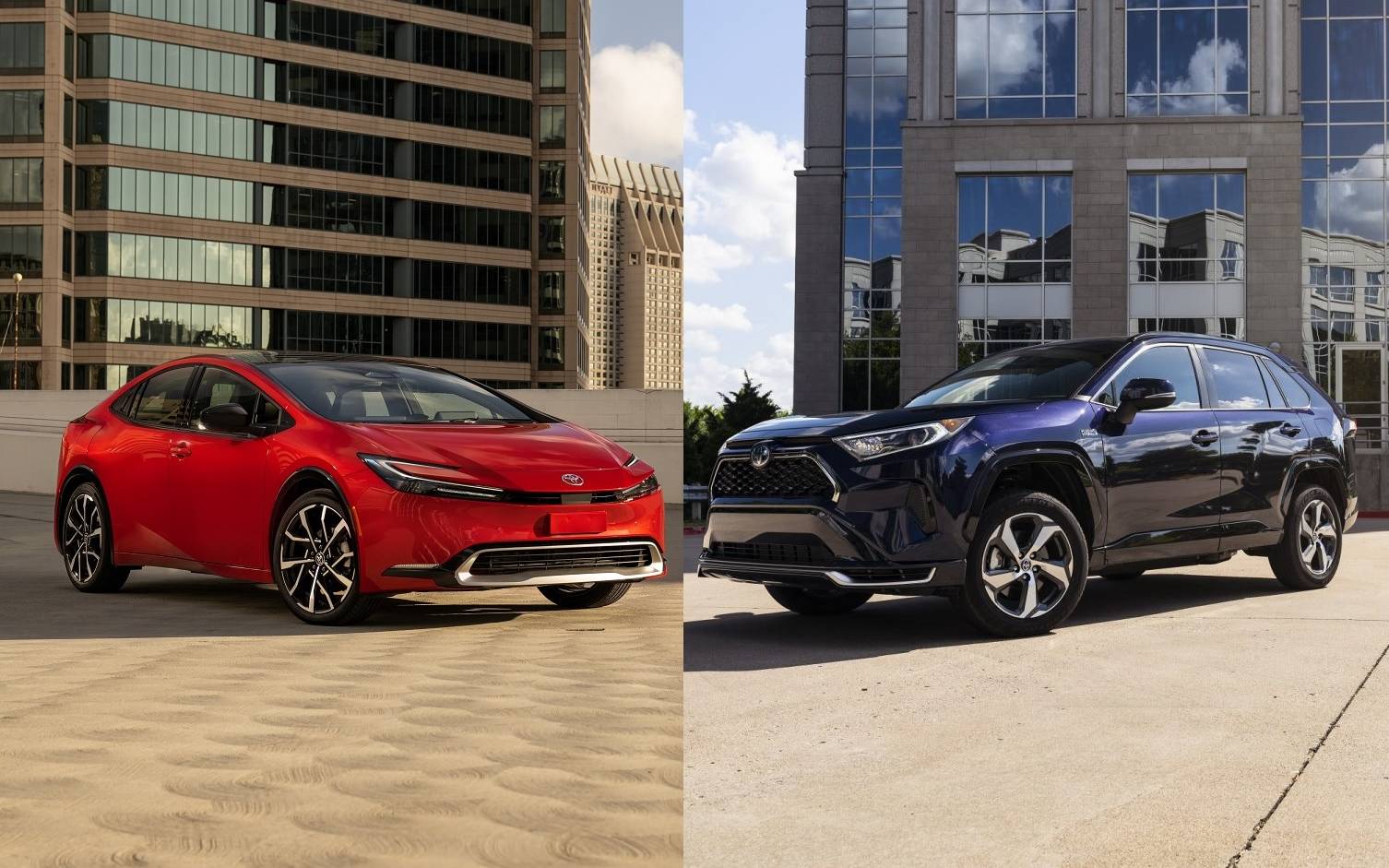
The plug-in hybrid category has a way of seducing the imagination. It feels like a compromise that actually behaves like a superpower: you get an electric start, the flexibility of gasoline when distances stretch, and the satisfaction of fewer trips to the pump. Among the most discussed pairings of 2025 electrified everyday SUVs are the RAV4 Prime and the Prius Prime—two nameplates that share the PHEV premise but interpret it through very different philosophies. One question surfaces again and again: Which PHEV has better EV range?
On the surface, the answer often sounds straightforward—look up the listed miles and choose the larger number. But real-life EV range is more like a rumor than a rulebook. It changes with driving style, weather, elevation, battery conditioning, and even how you “temper” your acceleration. There’s also a deeper fascination at work: each vehicle was engineered around a distinct rhythm of ownership, and that shapes how its electric miles appear in your daily routine.
EV Range: What You’re Measuring (and What You’re Not)
When people ask about EV range, they usually mean the maximum electric distance before the vehicle transitions to gasoline. Yet that number is a snapshot—useful, but not a prophecy. EV range is influenced by several variables that behave like hidden authors of your commute.
First, there’s temperature. Cold air increases battery strain and reduces usable capacity, while hot weather can also change how the battery and power electronics manage energy. Second, there’s speed. Higher speeds encourage aerodynamic drag, and drag is an energy tax you pay relentlessly. Third, there’s accessory load: heating, cooling, seat warmers, and even defrosters can siphon energy. Finally, there’s driver intent. If you accelerate with urgency, the battery becomes a sprinter rather than a steady metronome.
So, yes—EV range matters. But how EV range feels matters just as much. And that’s where RAV4 Prime and Prius Prime start diverging in compelling ways.
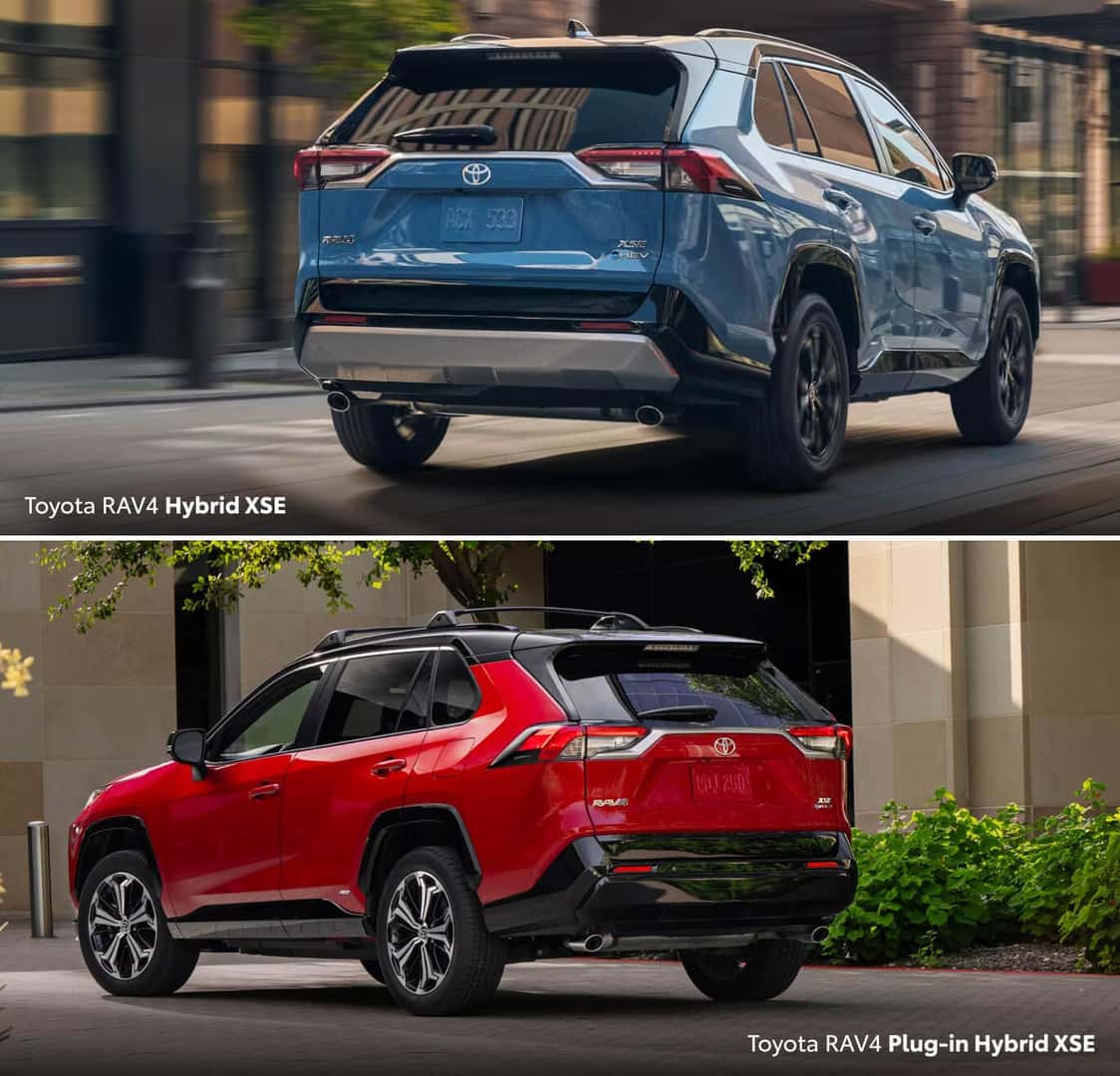
RAV4 Prime: The Electric Miles Inside an SUV Body
The RAV4 Prime carries a bold character: compact SUV practicality wrapped in electrified ambition. Its EV range is often viewed as impressive given its size and use case. The SUV silhouette doesn’t just change seating and storage—it affects energy demands through aerodynamics, tire choices, and overall mass.
Still, the RAV4 Prime’s appeal is less about merely being “efficient” and more about being capable. Many drivers choose it for errands, commutes, and weekend detours that require cargo flexibility. That means electric range isn’t consumed only by city crawling. It’s spent across a patchwork of conditions: stop-and-go intersections, moderate highway stretches, and frequent elevation changes depending on the region.
Here’s the subtle part: the RAV4 Prime tends to fit how people actually live. If your routes include varied terrain and unpredictable stoplights, the vehicle’s electric system becomes a buffer, smoothing the journey with EV torque where it counts. The transition to gasoline is often felt as a seamless handoff rather than a dramatic event—an engineering trick that encourages confidence.
Prius Prime: A Sedan Tuned for Efficiency and Flow
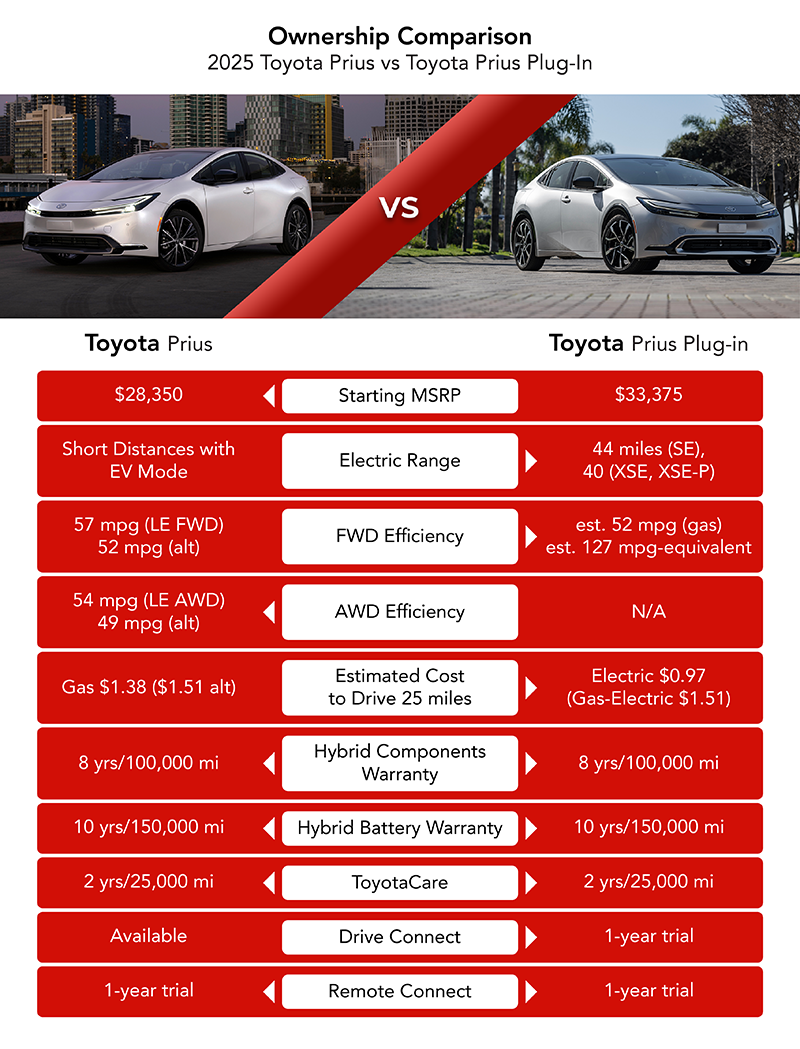
Prius Prime operates in a different universe. It’s a compact sedan built with efficiency as a central design ethic. That doesn’t mean it’s fragile or timid. It means the car’s entire metabolic strategy—its aerodynamics, weight distribution, and energy management—tends to treat electricity like a finely rationed resource.
In practice, the Prius Prime often feels exceptionally suited for EV-forward commuting. Many drivers experience EV range as something more “linear” to their expectations. When roads are relatively steady, speeds are moderate, and braking is frequent, the Prius Prime’s efficiency-focused engineering can preserve electric miles with remarkable consistency.
The fascination here is not only the technology but the behavioral compatibility. The Prius Prime is the kind of vehicle that rewards smooth throttle habits and anticipatory driving. It encourages a calmer cadence: lift early, coast when appropriate, and let regenerative braking do its work. That creates a synergy between driver and powertrain, where EV range seems to grow simply because the route is being “read” correctly.
So Who Wins: Better EV Range?
In many comparisons, the answer comes down to the vehicle with the higher advertised maximum EV miles. Yet EV range ownership is less about a single number and more about the probability of reaching your destination on electricity.
The RAV4 Prime’s EV range advantage, when present, is valuable because SUVs often face harsher energy conditions. If the RAV4 Prime provides more EV miles than the Prius Prime, it can convert more of a mixed commute into electric-only driving. That’s especially relevant for drivers who combine neighborhood roads with periodic highway segments.
The Prius Prime, on the other hand, can compensate with a different kind of efficiency performance. If your daily drive is shorter, slower, and more stop-and-go, the Prius Prime can often stretch its EV potential further than raw numbers suggest. It may not always win on paper, but it can win the experiential contest—how often it stays in EV mode, and how rarely it triggers the gasoline engine.
In short: the “winner” depends on how your life moves. If you want the highest chance of EV-only for longer and more variable commutes, RAV4 Prime often holds the upper hand. If you want electric driving to feel predictably sustainable on efficient routes, Prius Prime frequently feels like an EV optimist.
Why the Difference Exists: Battery Use, Weight, and Real-World Load
Beyond the specifications, deeper reasons explain the fascination with PHEV range. Battery capacity and energy efficiency are only the beginning. The drivetrain architecture and vehicle mass distribution also play a role in how quickly electric energy is converted into motion—and how much is lost to inefficiencies.
The RAV4 Prime’s SUV layout generally means more mass and higher rolling resistance. It also typically deals with greater aerodynamic drag than a streamlined sedan. That doesn’t condemn it; it simply means electric miles are more sensitive to speed and terrain.
The Prius Prime, designed around efficiency, benefits from a body shape that reduces drag and an overall approach that minimizes energy waste. The result is a more forgiving relationship between EV range and moderate driving. It’s a vehicle that often turns “miles per percentage point of battery” into a comforting ritual.
How to Stretch EV Range in Either Vehicle
Regardless of which car wins your spreadsheet, EV range can be improved with practical habits. Start with charging discipline: keep the battery in the sweet spot and avoid letting it sit at extreme levels for long stretches. Preconditioning also matters. If you can warm or cool the cabin while plugged in, you reduce the energy burden on the drive battery.
Driving technique is the next lever. Use gentle acceleration. Maintain steady speeds where traffic allows. Let regenerative braking harvest energy when slowing naturally. And pay attention to tire pressure—an overlooked detail that can quietly subtract your electric optimism.
If your commute includes hills, treat them like energy chapters. Climb efficiently, then recover energy when descending. These are small changes that accumulate into tangible miles.
The Ownership Mindset: Which EV Range Fits Your Life?
The strongest reason to care about EV range isn’t just avoiding gasoline. It’s the emotional rhythm of knowing you’ll likely stay electric for the day’s essential parts—school pickup, groceries, the quick detour. EV range becomes a kind of daily autonomy.
If you want that autonomy in an SUV form factor—storage, ride height, and weekend readiness—RAV4 Prime tends to align with drivers who juggle more variable routes. If you prefer the calm logic of efficiency and want EV driving to feel consistent, Prius Prime can be the more effortless companion.
Ultimately, the best PHEV is the one that matches your route, your climate, and your driving temperament. EV range is measurable, but satisfaction is experiential.
Conclusion: Choose the EV Range That Matches Your Reality
So, which 2025 PHEV has better EV range? The honest answer is that both can be excellent, but “better” depends on whether your commute resembles a mixed-terrain expedition (where RAV4 Prime’s capabilities shine) or an efficiency-forward flow (where Prius Prime’s design elegance can preserve electric miles).
If you’re aiming for the highest likelihood of longer electric-only driving across varied conditions, the RAV4 Prime is often the compelling pick. If you want EV range to feel reliably stretchable on smoother, slower, and more city-like routes, the Prius Prime can be the more satisfying electric companion. Either way, the real triumph is the same: plug in, drive electric more often, and let modern engineering turn daily travel into something quietly thrilling.